The David Turpin Case in California: Legal Outcomes and Systemic Impact
The David Turpin case, uncovered in 2018 in Perris, California, involved the horrific discovery of 13 siblings held captive, tortured, and starved by their parents. In 2019, David and Louise Turpin were sentenced to 25 years to life in...
The David Turpin case, uncovered in 2018 in Perris, California, involved the horrific discovery of 13 siblings held captive, tortured, and starved by their parents. In 2019, David and Louise Turpin were sentenced to 25 years to life in prison. In 2026, the case remains a pivotal reference point for California’s child welfare reform and homeschooling oversight.
Contents
The Discovery of the Perris "House of Horrors"
The case began on January 14, 2018, when 17-year-old Jordan Turpin escaped through a window of her family home on Muir Woods Road in Perris, California. Using a deactivated cell phone to call 911, she provided law enforcement with the first glimpse into a decade of systematic abuse. When deputies from the Riverside County Sheriff’s Department arrived, they discovered a scene that shocked the international community: children shackled to furniture in a foul-smelling environment, suffering from severe malnutrition and cognitive impairment.
The 13 Turpin children, then ranging in age from 2 to 29, had been isolated from society for years. The parents, David and Louise Turpin, had maintained a facade of normalcy through carefully staged family photos at Disneyland and renewal of wedding vows in Las Vegas. However, inside the home, the children were frequently beaten, strangled, and denied basic hygiene. Most of the siblings had not seen a doctor in years and were significantly undersized for their ages; the 29-year-old eldest child weighed only 82 pounds at the time of the rescue.
The investigation revealed that the family moved from Texas to California in 2010. During their time in California, David Turpin registered the home as a private school, the "Sandcastle Day School," which allowed the family to bypass mandatory reporting requirements that often occur in traditional public school settings. This specific loophole became a major point of contention in the years following the arrests.
Legal Proceedings and Sentencing
Following their arrest, David and Louise Turpin were charged with multiple felony counts, including torture, child cruelty, false imprisonment, and dependent adult abuse. David Turpin also faced a charge of a lewd act upon a child under age 14. The legal strategy employed by the Riverside County District Attorney’s Office focused on securing a plea deal to spare the 13 victims from the additional trauma of testifying in a lengthy trial.
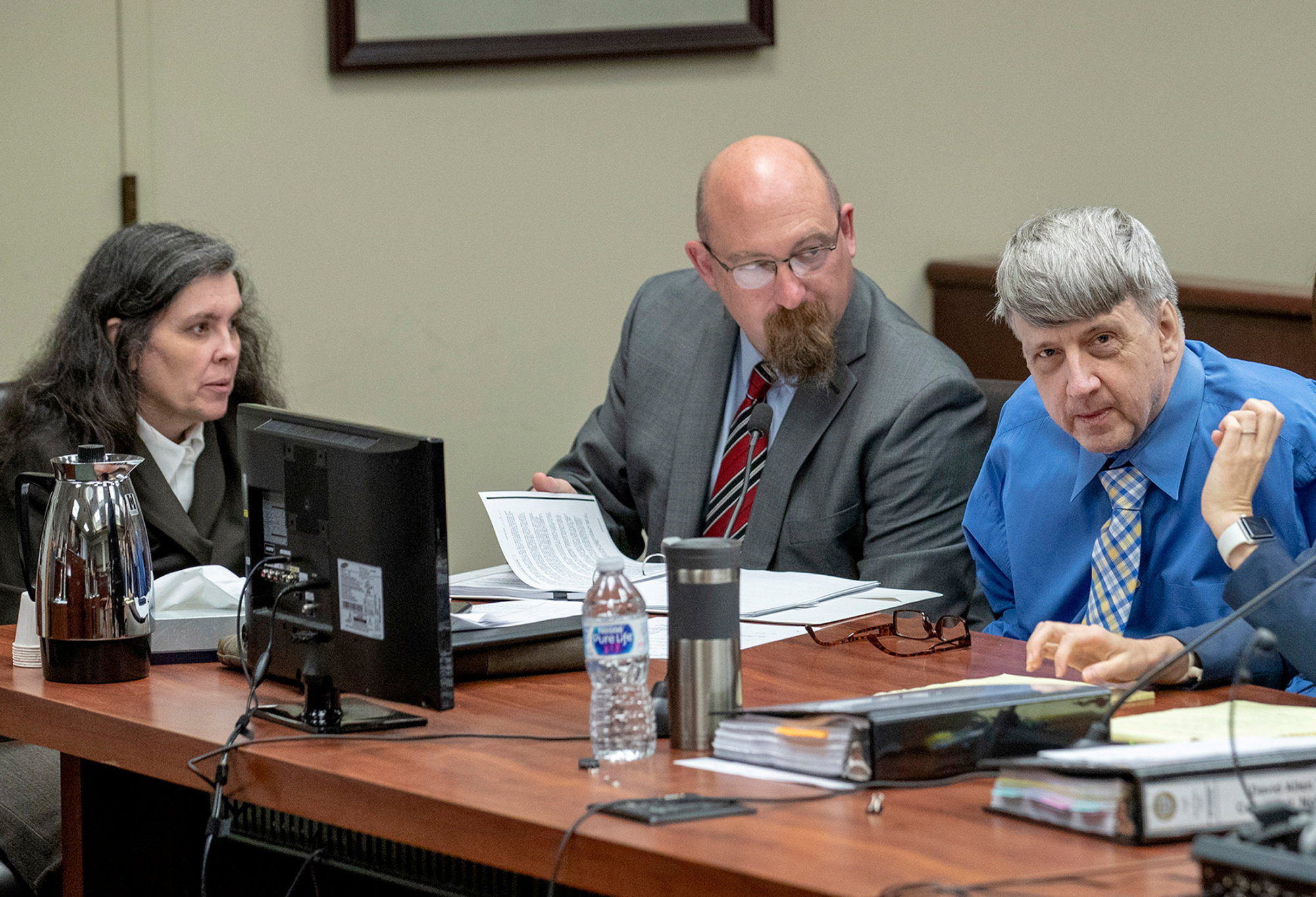
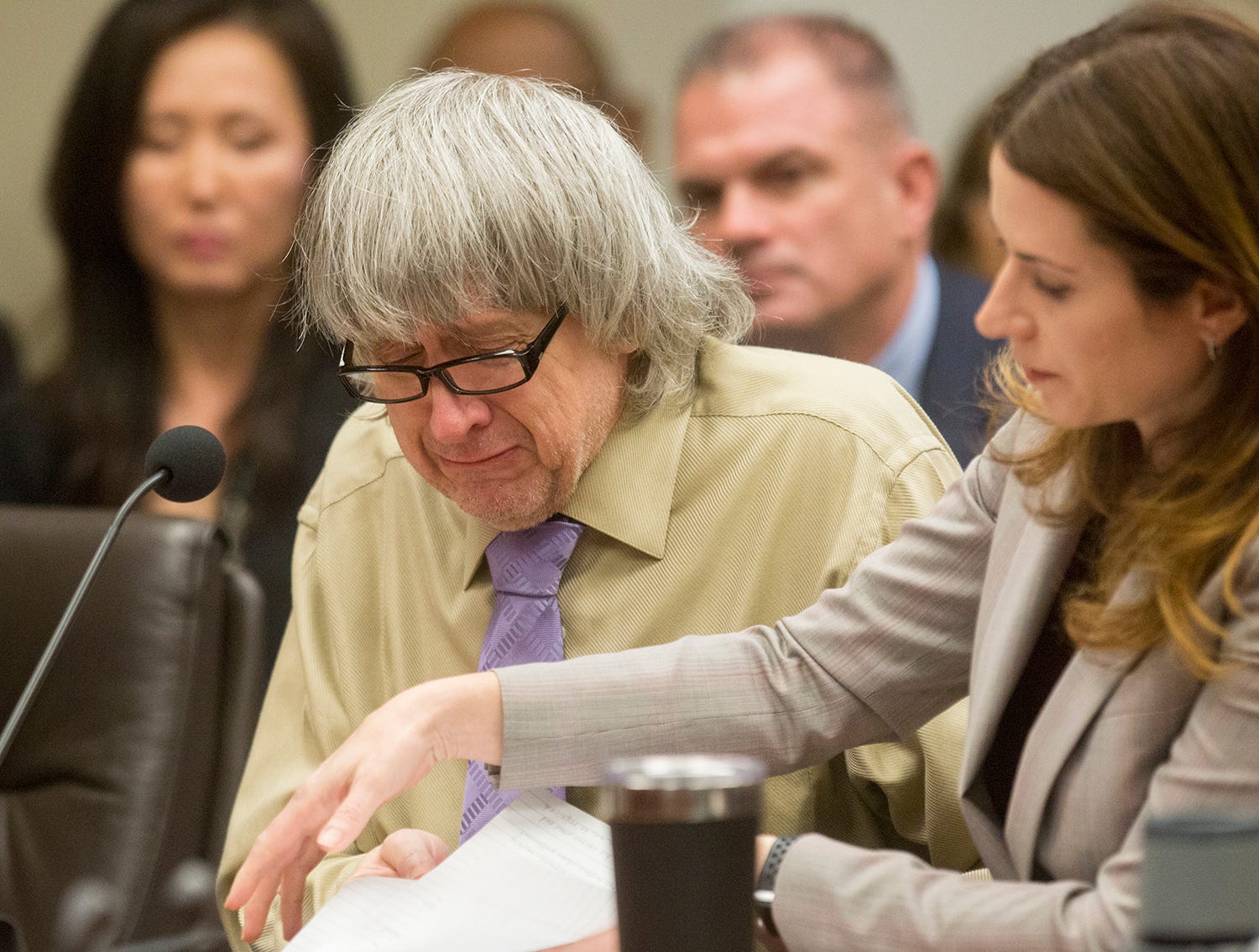
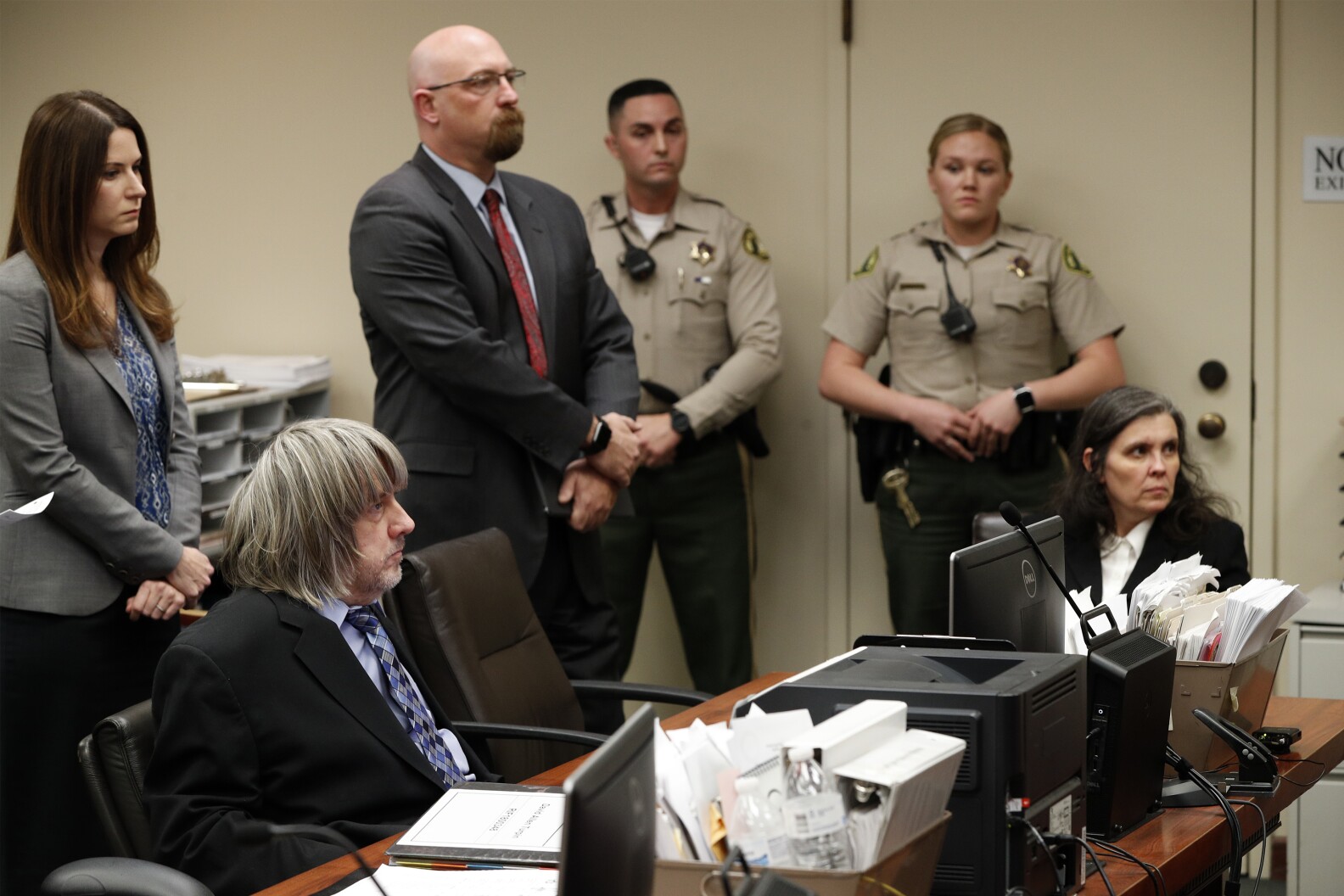
In February 2019, both parents pleaded guilty to 14 felony counts. On April 19, 2019, Riverside County Superior Court Judge Bernard Schwartz sentenced each to 25 years to life in prison. During the sentencing hearing, several of the Turpin children provided impact statements, showcasing a mix of resilience and the profound psychological scars left by their upbringing.
As of 2026, both David and Louise Turpin remain incarcerated in the California state prison system. David Turpin is serving his sentence at California State Prison, Corcoran, while Louise Turpin is housed at the Central California Women's Facility in Chowchilla. Under California law, they will not be eligible for parole until approximately 2044, at which point they will be in their 80s.
Systemic Failures: The Private School Loophole
One of the most significant aspects of the David Turpin case was how the family managed to remain "under the radar" of California authorities for nearly a decade. David Turpin utilized the California Department of Education’s private school affidavit (PSA) system. By filing a PSA, he designated his home as a private school, which, under California law, required very little state oversight.
In the aftermath of the 2018 discovery, California legislators introduced several bills aimed at increasing the regulation of home-based private schools.
- Assembly Bill 2756 (2018): This bill originally sought to require fire inspections and state-mandated visits for home schools. However, it faced significant opposition from homeschooling advocates and was eventually stripped of its oversight provisions.
- The "Turpin Act" Legacy: While direct legislative changes to homeschooling were limited, the case prompted a shift in how social workers and local law enforcement respond to "welfare checks" involving home-schooled children.
The case highlighted a critical gap: while the state requires registration, it does not mandate curriculum reviews or physical welfare checks for students enrolled in home-based private schools. In 2026, the debate continues regarding the balance between parental rights in education and the state’s duty to protect children from domestic "house of horrors" scenarios.
Post-Rescue Challenges and the Riverside County Scandal
While the rescue of the Turpin children was initially celebrated as a triumph, the years following 2018 revealed a secondary failure by the state of California. In 2021, an investigation by ABC News' "20/20" exposed that several of the Turpin children had been placed into abusive foster homes or left in squalor after their rescue. They reported being "cast into the wind" by the very system designed to protect them.
In response to these allegations, the Riverside County Board of Supervisors commissioned an independent investigation by retired Judge Stephen Larson. The resulting "Larson Report" was a scathing indictment of the Riverside County social services and the Public Guardian’s office. It found that the children were frequently denied access to the millions of dollars in donated funds meant for their care and were placed in environments where they were again subjected to neglect.
By 2026, this aspect of the Turpin case has led to significant administrative overhauls in Riverside County:
- Restructuring of the Public Guardian's Office: Enhanced oversight of how trust funds for high-profile victims are managed.
- Foster Care Reform: Increased vetting processes for foster families, specifically those taking in victims of extreme trauma.
- Legal Action: Multiple Turpin siblings filed lawsuits against the county and a private foster care agency, alleging they were placed with a family that had a known history of abuse.
Current Status and Victim Recovery in 2026
In 2026, the 13 Turpin siblings are all adults or older teenagers. They have taken different paths in their recovery. Some have chosen to remain entirely private, while others, like Jordan and Jennifer Turpin, have used their platforms to advocate for foster care reform and child safety.
The psychological recovery from "childhood torture" is a lifelong process. Experts in the field of captive psychology and trauma indicate that the Turpin siblings face unique challenges, including developmental delays and complex post-traumatic stress disorder (C-PTSD). However, many have achieved significant milestones, such as obtaining high school diplomas, attending college, and securing independent housing—tasks that seemed impossible when they were first rescued from their shackles in 2018.
| Entity | Role/Status | Current Location (2026) |
|---|---|---|
| David Turpin | Perpetrator; Sentenced to 25 to Life | California State Prison, Corcoran |
| Louise Turpin | Perpetrator; Sentenced to 25 to Life | Central California Women's Facility |
| Jordan Turpin | Victim/Whistleblower | Active Public Advocate |
| Riverside County | Government Jurisdiction | Undergoing Social Service Reform |
| Sandcastle Day School | Fraudulent Home School | Dissolved (2018) |
Frequently Asked Questions
What were the specific charges against David and Louise Turpin?
The Turpins were charged with 12 counts of torture, 12 counts of false imprisonment, seven counts of abuse of a dependent adult, and nine counts of child cruelty. David Turpin was additionally charged with one count of a lewd act upon a child. They eventually pleaded guilty to 14 of these felony counts as part of a plea agreement to avoid a trial that would require their children to testify.
How did the children escape detection for so long?
The family lived a highly isolated lifestyle, often staying awake at night and sleeping during the day to avoid contact with neighbors. David Turpin’s registration of the home as a private school with the California Department of Education allowed them to avoid the oversight of the public school system. Furthermore, the family moved frequently between Texas and various California cities (Rio Vista and Perris) to reset their "anonymity" in new neighborhoods.
Are David and Louise Turpin eligible for parole?
Under the terms of their 2019 sentencing, both parents are eligible for parole after serving 25 years. This places their earliest possible parole date in 2044. Given the severity of the torture and the long-term impact on the 13 victims, legal experts suggest that parole is unlikely upon their first eligibility, though it remains a statutory possibility.
What happened to the money donated to the Turpin children?
Following their rescue, hundreds of thousands of dollars were donated through a specialized fund and various GoFundMe campaigns. However, the "Larson Report" revealed significant mismanagement by Riverside County officials, noting that some of the siblings struggled to access these funds for basic needs like transportation and housing. Subsequent legal settlements and administrative changes in 2022 and 2023 were designed to ensure the remaining funds are properly managed for the siblings' long-term support.
Has California changed its homeschooling laws because of this case?
While the Turpin case sparked intense legislative debate, California's homeschooling laws remain among the most flexible in the United States. While bills like AB 2756 were introduced to increase oversight, they were not passed in their original form. The primary changes have occurred at the county level regarding how Child Protective Services (CPS) manages reports of abuse in "private school" settings, rather than a broad change to state education statutes.
Final Recommendations for Observers and Advocates
The David Turpin case serves as a somber reminder of the limitations of state oversight in protecting vulnerable populations. For those following the case in 2026, the focus has shifted from the crimes themselves to the ongoing systemic reforms required in the foster care and social service sectors.
If you are interested in child advocacy or supporting victims of domestic abuse, consider the following actions:
- Support Foster Care Reform: Monitor local legislative changes in California that aim to increase the accountability of private foster care agencies.
- Advocate for Mental Health Resources: Support organizations that provide long-term trauma-informed care for survivors of extreme domestic captivity.
- Stay Informed on Legal Precedents: The ongoing civil litigation involving the Turpin siblings and Riverside County will likely set new precedents for the "duty of care" owed to victims after they are removed from abusive homes.
Image Gallery