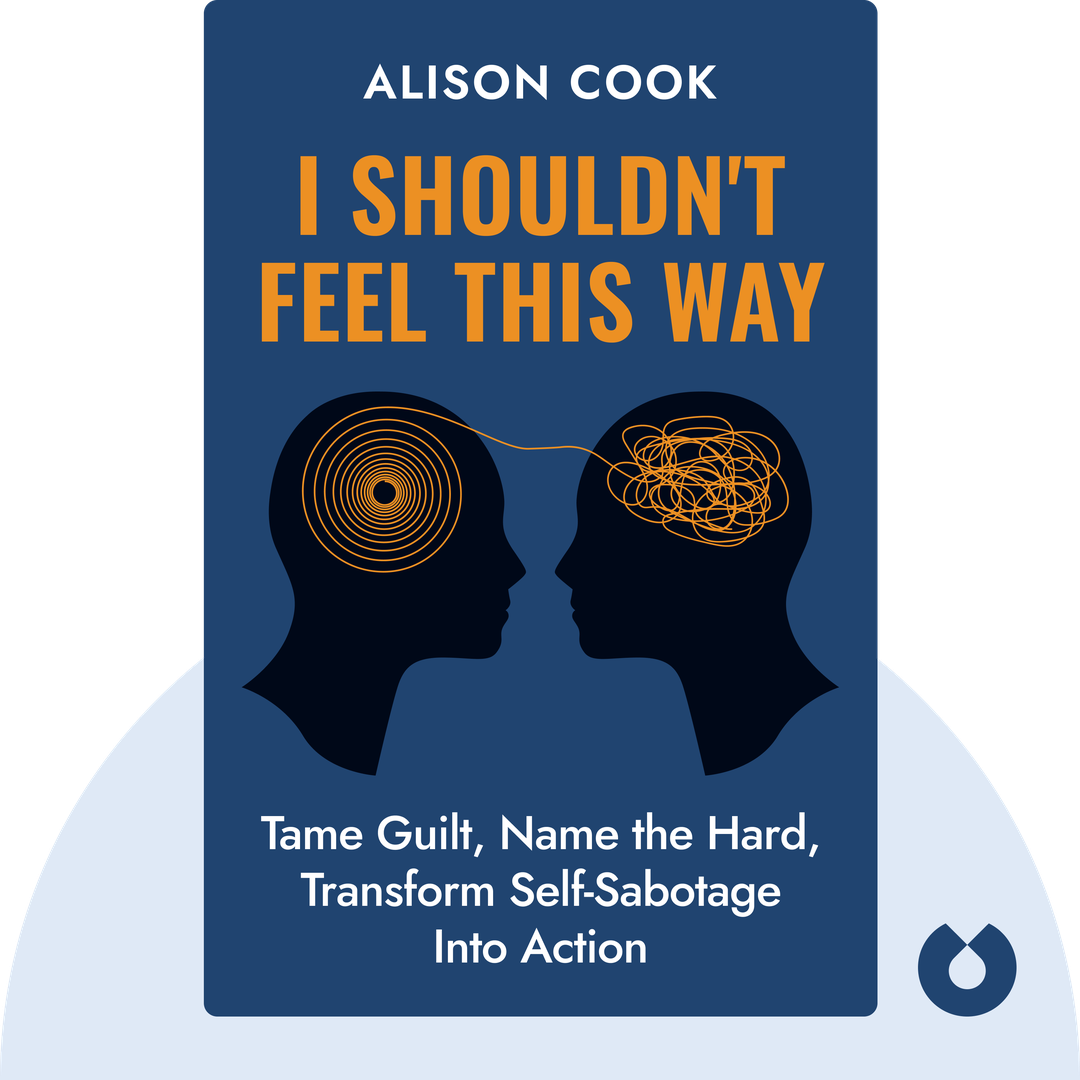
Understanding the I Shouldn't Feel This Way Book: A Guide to Dr. Alison Cook’s Framework
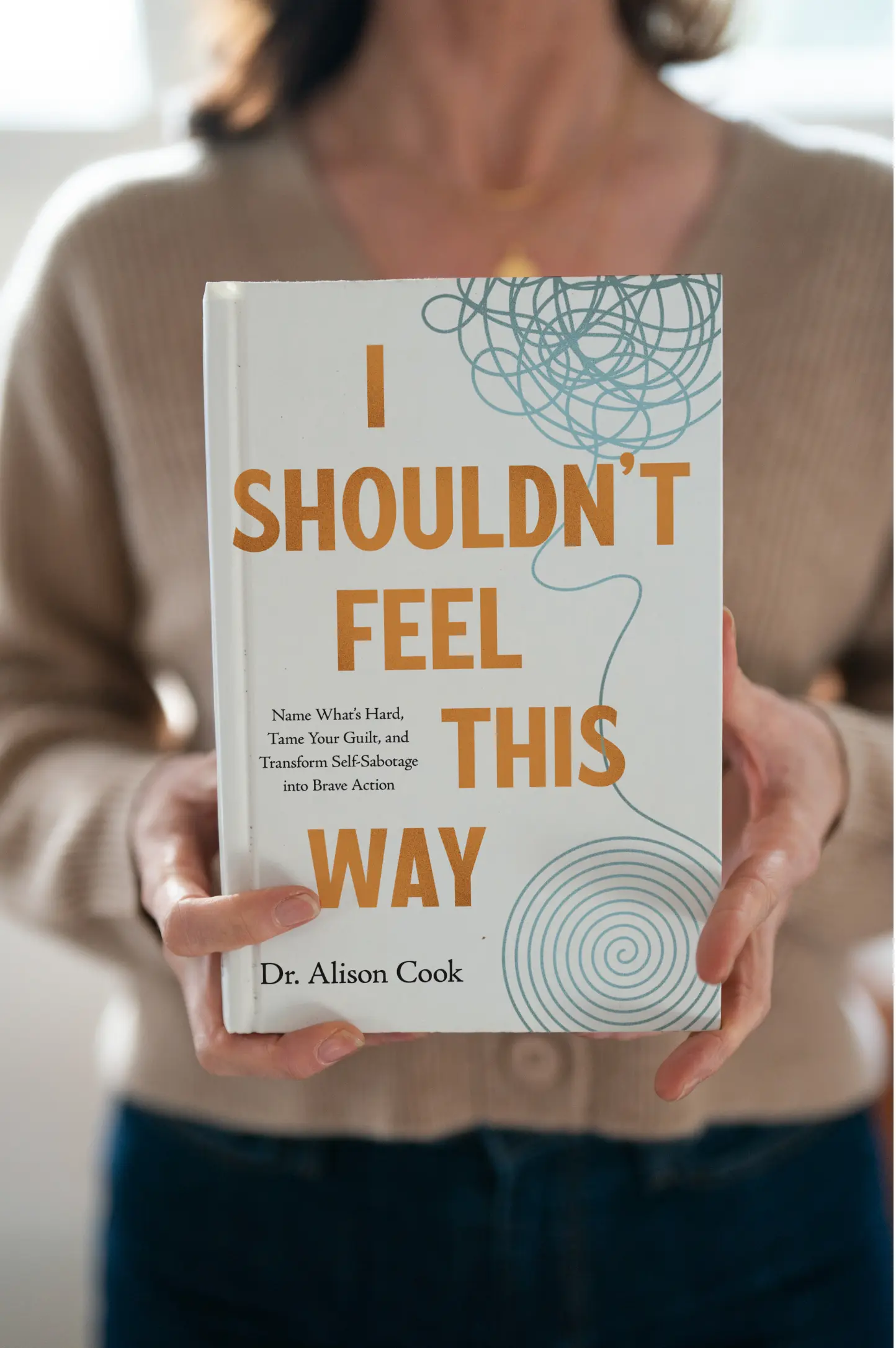
Understanding the "I Shouldn’t Feel This Way" book involves recognizing it as a psychological and spiritual roadmap for overcoming internal gaslighting and emotional guilt. Written by Dr. Alison Cook, the book teaches readers to identi...
Understanding the "I Shouldn’t Feel This Way" book involves recognizing it as a psychological and spiritual roadmap for overcoming internal gaslighting and emotional guilt. Written by Dr. Alison Cook, the book teaches readers to identify conflicting internal "parts," name their difficult emotions without shame, and transform their self-talk through the lens of Internal Family Systems (IFS) and holistic well-being.
Contents
The Core Philosophy: Moving Beyond Internal Gaslighting
The central premise of Dr. Alison Cook’s work is the concept of internal gaslighting. Most people are familiar with external gaslighting—where another person makes you doubt your reality—but internal gaslighting is the process of doing this to oneself. It manifests as a persistent voice saying, "I shouldn't feel this way," especially when one’s external circumstances seem "fine" or "blessed."
In 2026, as mental health awareness has evolved to prioritize emotional nuance over toxic positivity, this book serves as a vital tool for those who feel stuck in a cycle of guilt. The "shoulds" often stem from cultural, religious, or familial expectations that prioritize appearances or stoicism over authentic emotional processing. Dr. Cook argues that these "shoulds" do not lead to healing; instead, they create a fracture within the self.
By understanding the book, readers learn that emotions are not "good" or "bad" but are indicators of unmet needs or past wounds. The goal is not to eliminate difficult feelings but to understand their origin and integrate them into a cohesive sense of self.
Who is Dr. Alison Cook?
To fully understand the book, one must understand the credentials and perspective of its author. Dr. Alison Cook is a psychologist with over two decades of experience specializing in the integration of psychology and spirituality. She has become a leading voice for those who seek to reconcile their faith with modern therapeutic practices.
Her background in Internal Family Systems (IFS)—a transformative tool that views the mind as a collection of "parts"—is the backbone of "I Shouldn’t Feel This Way." Unlike traditional self-help authors who might suggest "positive thinking" as a cure-all, Dr. Cook utilizes evidence-based psychological frameworks to address the complexity of the human psyche. Her previous works, such as The Best of You and Boundaries for Your Soul, established her as an expert in helping individuals reclaim their identity from legalistic or high-control environments.
Key Concepts and Terminology
Understanding the book requires a grasp of several specific terms that Dr. Cook uses to categorize the internal experience. These concepts help move the reader from abstract confusion to concrete action.
The "Should" Trap
The "should" trap is the reflexive habit of judging an emotion before it is fully felt. For example, a person might feel deep sadness after a promotion because it involves leaving a beloved team, but they immediately tell themselves, "I should be happy; I’m so ungrateful." This trap prevents the processing of the sadness, which eventually leads to burnout or resentment.
Parts Work (IFS Integration)
Borrowing from the Internal Family Systems model, Dr. Cook explains that we have different "parts" of our personality. One part might feel angry, while another part feels guilty about that anger. The "I Shouldn’t Feel This Way" framework encourages the reader to step into the role of the "Spirit-led Self" (or the healthy adult self) to facilitate a conversation between these conflicting parts.
Naming the Hard Things
Dr. Cook emphasizes that "naming is taming." When we give a specific name to a feeling—such as "abandonment," "inadequacy," or "moral injury"—the amygdala (the brain’s fear center) tends to settle. The book provides a vocabulary for emotions that many people have been taught to suppress.
The Three-Step Process for Emotional Transformation
The book is structured to lead the reader through a specific sequence of emotional maturation. This is not a one-time fix but a repeatable framework for daily life.
- Identify the Conflict: The first step is noticing the physical or mental tension that arises when a "should" contradicts a "feel." This often manifests as a tightness in the chest or a spiraling thought pattern. The book teaches readers to pause the moment they catch themselves using the phrase "I shouldn't feel..."
- Name the Feeling and the "Should": Once the conflict is identified, the reader must name both sides. "I feel angry that I have to do all the housework, but I feel like I should be a servant-hearted partner." By externalizing these two voices, the individual stops being consumed by them.
- Transform the Self-Talk: The final step involves bringing compassion to both parts. Instead of siding with the "should" or getting lost in the "feeling," the reader learns to validate the feeling's origin while setting a healthy boundary for action.
Comparative Framework of Emotional Responses
To help visualize how the book’s methodology changes one's internal dialogue, consider the following table comparing traditional suppression with Dr. Cook's integrated approach:
| Situation | Traditional "Should" Response | The Integrated Response (Dr. Cook’s Method) |
|---|---|---|
| Grief during a holiday | "I should be joyful; it's a time for celebration." | "A part of me is sad because I miss my loved one. It is okay to carry both joy and sorrow." |
| Anger at a mentor | "I shouldn't be angry; they have done so much for me." | "I feel angry because a boundary was crossed. My anger is protecting my dignity." |
| Anxiety about a new job | "I should be confident; I am well-qualified." | "A part of me feels scared of failing. I will acknowledge that fear and take small steps anyway." |
| Exhaustion from parenting | "I should be grateful for my children; others can't have them." | "I am grateful for my children AND I am allowed to feel exhausted by the demands of caregiving." |
Who Should Read This Book?
While the book is written with a broad audience in mind, it is particularly effective for specific groups of people who struggle with emotional regulation and self-worth.
- Recovering Perfectionists: Individuals who have spent their lives trying to meet an impossible standard of "goodness" will find relief in the book’s permission to be human.
- The "Spiritually Bypassed": In many religious circles, people are taught to replace negative emotions with prayer or scripture immediately. Dr. Cook addresses this "spiritual bypassing" directly, explaining that God designed our emotions to be processed, not ignored.
- People in High-Pressure Roles: Leaders, caregivers, and executives who feel they must maintain a "composed" exterior often suffer from severe internal gaslighting. This book provides a safe space for them to acknowledge their internal reality.
- Survivors of Controlled Environments: Those who grew up in homes or organizations where certain emotions (like anger or doubt) were forbidden will find the book’s framework essential for re-parenting themselves.
Implementation: How to Use the Book in 2026
Reading the book is only the first step; implementation requires consistent practice. Dr. Cook suggests several practical exercises to make the concepts stick.
The Daily Check-In
Set a timer for three minutes twice a day. During this time, ask: "What am I feeling right now?" and "Is there any 'should' trying to silence this feeling?" This builds the muscle of self-awareness.
Journaling with Two Pens
A unique exercise involves using two different colored pens to represent different "parts" of the self. One pen writes from the perspective of the hurt or angry part, and the other writes from the perspective of the compassionate, Spirit-led self. This physicalizes the internal dialogue and provides clarity.
Seeking Professional Support
Dr. Cook is clear that her book is a supplement to, not a replacement for, professional therapy. For those with deep-seated trauma, using the book alongside a therapist trained in Internal Family Systems (IFS) is the most effective way to see long-term change. You can find more information about the IFS model through the IFS Institute.
Frequently Asked Questions
Is "I Shouldn't Feel This Way" only for religious people?
While Dr. Alison Cook writes from a Christian perspective and often incorporates spiritual themes, the psychological principles—specifically those rooted in Internal Family Systems—are universal. Non-religious readers can still benefit significantly from the framework of naming emotions and stopping internal gaslighting, though they may choose to interpret the "Spirit-led Self" as the "Higher Self" or "Core Self."
How is this different from Dr. Cook’s previous book, "The Best of You"?
The Best of You focuses heavily on boundaries and reclaiming one's identity from toxic relationships. I Shouldn't Feel This Way is a more internal look at how we treat ourselves. It focuses specifically on the "cognitive dissonance" of feeling one way but believing we ought to feel another. It is the "internal" version of the boundary work discussed in her previous titles.
Can I use this book to help with clinical depression or anxiety?
The book is an excellent resource for understanding the patterns of thought that contribute to depression and anxiety. However, clinical conditions often require a multi-faceted approach, including medical consultation and specialized therapy. The book helps by reducing the "secondary suffering"—the guilt you feel about being depressed—which can often be more paralyzing than the condition itself.
What is "Internal Family Systems" (IFS) in the context of this book?
IFS is a therapeutic model that suggests the mind is made up of multiple "parts" (like a family) and a "Core Self." Dr. Cook uses this to explain why you can feel two things at once. One part of you might be brave, while another is terrified. Understanding this prevents you from feeling "crazy" or inconsistent; you are simply experiencing the natural multiplicity of the human mind.
How long does it take to see results from these techniques?
Emotional transformation is a gradual process. Many readers report an immediate sense of "relief" upon realizing they don't have to fight their feelings. However, retraining your brain to stop the "should" reflex usually takes several months of consistent practice. The goal is progress, not the perfection of the technique itself.
Practical Recommendation for Readers
If you are beginning your journey with "I Shouldn't Feel This Way," start by identifying one recurring "should" in your life this week. Whether it is about your career, your parenting, or your grief, simply notice how often you tell yourself you shouldn't feel the way you do. Do not try to change it yet; just observe it.
Once you have identified the "should," try the "Naming" exercise. Say out loud: "I feel [Emotion], and I also feel like I should feel [Different Emotion]." This simple act of acknowledgment breaks the power of internal gaslighting and opens the door to the transformation Dr. Cook describes. For further resources, Dr. Alison Cook’s official website offers podcasts and guides that complement the book's teachings.
Image Gallery