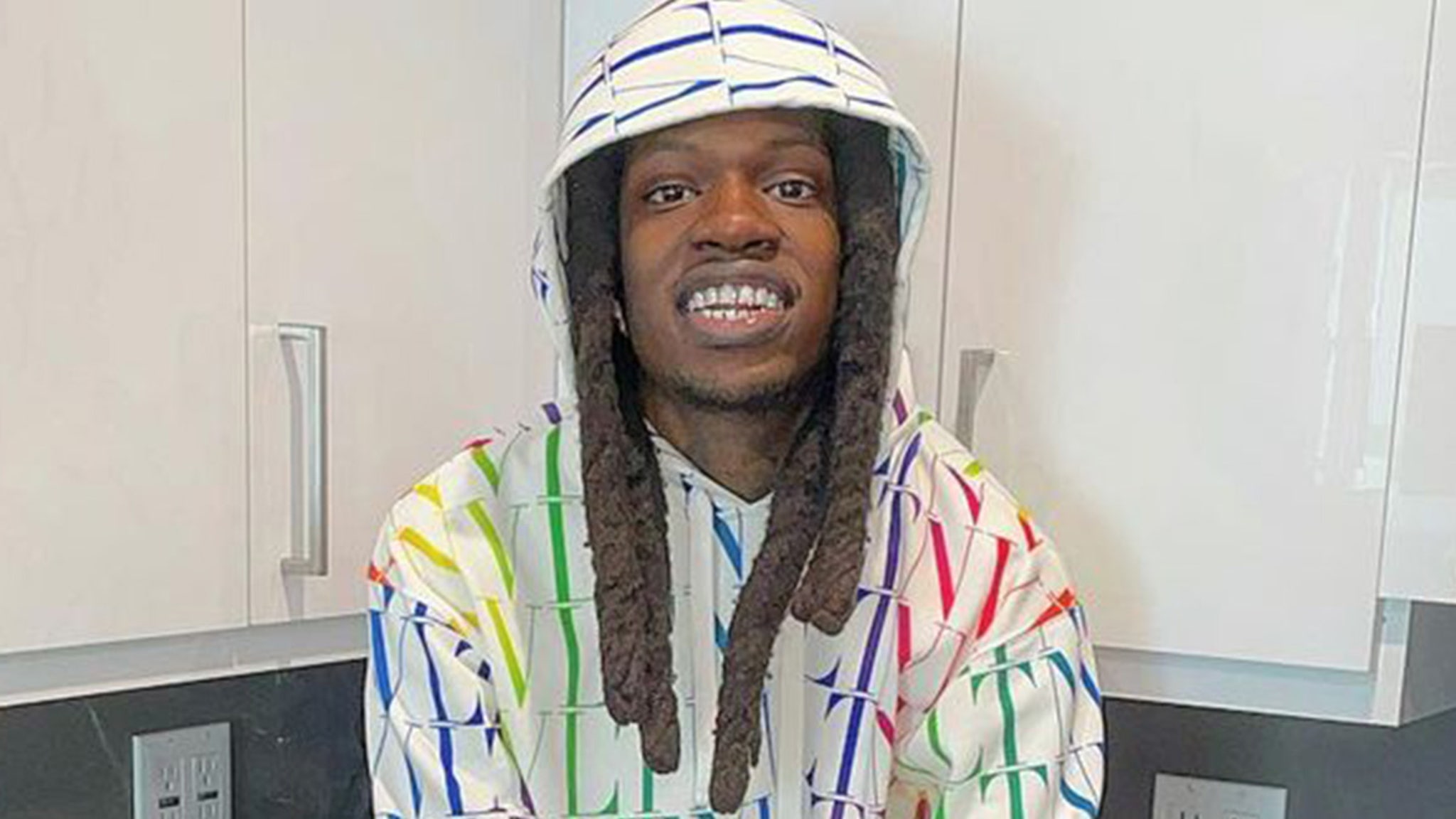
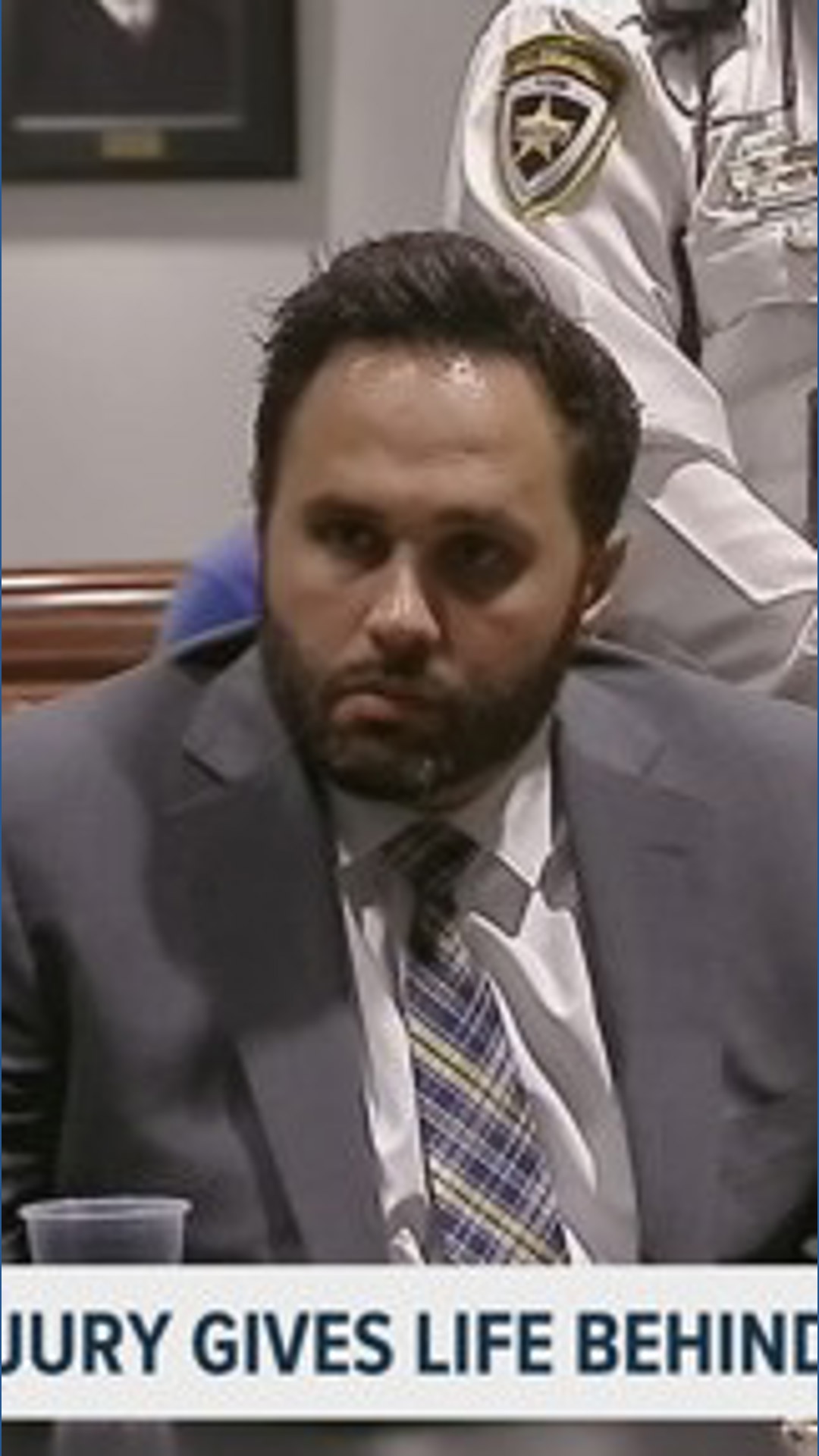
Julio Foolio Dead Picture: Understanding the Digital Footprint and Media Ethics in 2026
The search for the "julio foolio dead picture" refers to widespread public and media interest following the June 2024 passing of the Florida-based rapper, born Charles Jones. In 2026, navigating these search queries highlights signific...
The search for the "julio foolio dead picture" refers to widespread public and media interest following the June 2024 passing of the Florida-based rapper, born Charles Jones. In 2026, navigating these search queries highlights significant ethical debates regarding digital privacy, the role of graphic content in online reporting, and the permanent nature of visual documentation in the era of social media platforms.
Contents
The Context of the Incident and Digital Documentation
The passing of Charles Jones, professionally known as Julio Foolio, occurred in Tampa, Florida, on June 23, 2024. The incident drew immediate national attention, primarily due to the artist's high profile within the Florida drill rap scene and the circumstances surrounding the event. Following the incident, social media platforms and independent news aggregators became the primary hubs for information, leading to an influx of graphic imagery and unverified media.
As we look at the landscape in 2026, the proliferation of such content serves as a case study for how digital platforms handle sensitive, graphic material. Unlike traditional news outlets that maintain strict editorial standards regarding imagery of deceased individuals, decentralized platforms often struggle with enforcement, allowing images to remain accessible long after the initial event.
Ethical Standards in Media Reporting and Image Circulation
When users search for sensitive imagery, they encounter a collision between public interest and personal privacy. In professional journalism, the dissemination of graphic photos involving deceased individuals is generally restricted by ethical guidelines that prioritize the dignity of the person and the well-being of their surviving family.
Professional Journalism Standards
Media organizations operating in 2026 adhere to strict protocols that prohibit the publication of graphic crime scene or autopsy-related photos. This practice is rooted in the Society of Professional Journalists Code of Ethics, which emphasizes minimizing harm. The goal is to report on the truth of an event without resorting to visual sensationalism that exploits a private tragedy for clicks or engagement metrics.
In contrast, the "dead picture" phenomenon is largely driven by "true crime" culture and the hyper-local reporting often found on social media threads. This creates an environment where:
- Graphic content is often prioritized by algorithms over verified, text-based reporting.
- Privacy rights are often superseded by the speed at which images can be shared and archived across mirror sites.
- The psychological impact on the family is often ignored by anonymous accounts seeking social media clout.
Privacy and Legal Considerations of Graphic Content
The distribution of images depicting the deceased is a complex area of law that varies by jurisdiction. While some states have specific "right of publicity" laws or statutes governing the release of autopsy reports and crime scene photos, the internet creates a reality where these laws are difficult to enforce once an image has been uploaded to a global server.
In 2026, individuals attempting to sanitize their digital footprint or address the unauthorized spread of sensitive content face significant hurdles. The following table outlines the differences between traditional media accountability and the realities of modern digital distribution.
| Feature | Traditional Media (Established Outlets) | Social Media / Independent Aggregators |
|---|---|---|
| Editorial Review | Mandatory prior to publication | Rare or non-existent |
| Content Policy | Strictly adheres to safety guidelines | Reactive and often delayed |
| Legal Liability | High; potential for defamation/privacy suits | Low; often protected by Section 230/Safe Harbor |
| Permanence | Managed through archival protocols | Highly volatile and difficult to purge |
Navigating the Digital Aftermath of High-Profile Deaths
The demand for "dead pictures" of public figures often stems from a combination of morbid curiosity and a desire for "proof" in an era where misinformation is rampant. However, accessing such content frequently leads users to sites that lack security, potentially exposing devices to malware or invasive tracking scripts.
Risks associated with searching for sensitive content:
- Malware Exposure: Sites hosting graphic content are frequently hotspots for malicious redirects and drive-by downloads.
- Privacy Tracking: Search engines and third-party advertisers track these specific queries, which may lead to the degradation of your online profile or the targeting of graphic advertisements.
- Psychological Impact: Exposure to unmoderated graphic imagery can lead to secondary trauma, a phenomenon increasingly recognized by digital wellness experts in 2026.
FAQ: Understanding Public Interest vs. Digital Privacy
Is it legal to search for images of deceased individuals? Yes, searching for these images is not illegal, but the platforms that host them may be violating terms of service or local privacy statutes regarding the publication of sensitive imagery.
Why are these images so difficult to remove from the internet? Once an image is uploaded, it is quickly copied across thousands of mirror sites, social media caches, and archival services. By 2026, even with advanced AI-driven takedown tools, the speed of distribution far exceeds the speed of removal.
What should I do if I see distressing content online? The most effective way to address the spread of such content is to utilize the "Report" function on the host platform. Reporting the content as "Graphic" or "Sensitive" helps trigger algorithmic suppression.
Do news outlets avoid these images for legal reasons? Yes, beyond ethical considerations, outlets avoid graphic images to mitigate the risk of litigation involving the invasion of privacy or emotional distress claims brought by families.
How does this content affect the search landscape for public figures? It causes "keyword dilution," where legitimate reporting on a person’s career and legacy is often buried by sensationalist content, making it difficult for the public to find accurate information.
Conclusion and Recommendations for Ethical Consumption
In 2026, the focus for users should be on critical information literacy. Rather than seeking out graphic, unverified imagery, the public is encouraged to rely on verified, institutional sources for information regarding public figures. Engaging with content that prioritizes sensationalism only contributes to the longevity and profitability of such sites. If you are researching this topic, prioritize official news reports from reputable, established news organizations that maintain high standards of privacy and editorial integrity.
Image Gallery