England King Charles Historical Overview: Tracing the Monarchs Through the Ages
The historical overview of English monarchs named Charles reveals a complex legacy shaped by constitutional crises, the Divine Right of Kings, civil war, and ultimate adaptation to a modern parliamentary democracy. While the name is cu...
The historical overview of English monarchs named Charles reveals a complex legacy shaped by constitutional crises, the Divine Right of Kings, civil war, and ultimate adaptation to a modern parliamentary democracy. While the name is currently borne by King Charles III, it carries deep historical weight defined primarily by the tumultuous reigns of Charles I and Charles II during the seventeenth century.
Contents
Introduction to the Stuart Dynasty and the Monarchy
The lineage of monarchs bearing the name Charles in English history is inextricably linked to the Stuart dynasty, a Scottish royal house that ascended to the English throne in 1603 with James I. The Stuarts brought a distinct political philosophy to London—the Divine Right of Kings—which asserted that a monarch's authority was derived directly from God rather than from parliament or the people. This ideological stance set the stage for profound constitutional conflict, violent civil strife, and a fundamental realignment of political power in the British Isles.
Understanding the historical arc of these reigns requires examining how the institution of the crown evolved from an absolute or semi-absolute authority into a constitutional office. Across the centuries, the name Charles has transitioned from a symbol of royal absolutism and civil fragmentation to a representation of constitutional continuity and traditional stability.
Charles I: Absolute Monarchy and the English Civil War
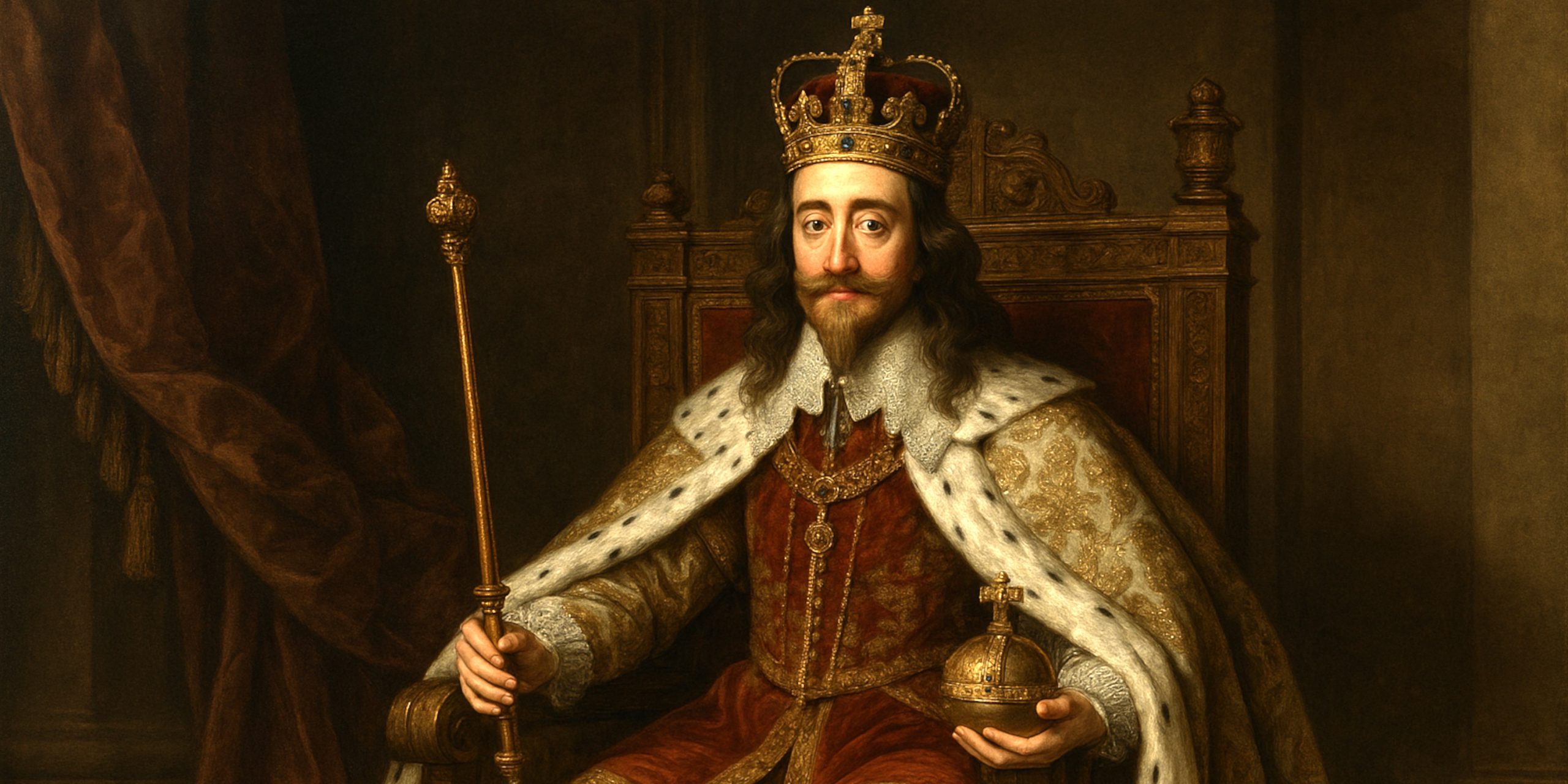
King Charles I reigned from 1625 until his execution in 1649. His tenure represents one of the most volatile periods in British constitutional history, characterized by a persistent struggle for supremacy between the crown and Parliament.
The Eleven Years' Tyranny
From 1629 to 1640, Charles I attempted to govern without summoning Parliament, a period often referred to by historians as the "Eleven Years' Tyranny" or Personal Rule. Deprived of parliamentary grants for taxation, Charles resorted to controversial revenue-raising measures, such as reviving ancient feudal dues and extending the levy of Ship Money—a tax traditionally reserved for coastal towns during wartime—to inland counties. These actions alienated the gentry, merchants, and nobility, who viewed the measures as illegal and tyrannical overreaches of royal authority.
The Road to Civil War and Regicide
Religious policies further inflamed tensions. Charles, supported by William Laud, the Archbishop of Canterbury, sought to impose uniformity within the Church of England and introduced a modified Prayer Book to Scotland, provoking armed rebellion north of the border. To fund military campaigns against the Scots, Charles was forced to recall Parliament, which immediately moved to dismantle his arbitrary powers.
The political deadlock culminated in the outbreak of the English Civil War in 1642. The conflict pitted the Royalists (Cavaliers), who supported the king, against the Parliamentarians (Roundheads), led by figures like Oliver Cromwell. Following military defeat, Charles I was put on trial for high treason against his own people, convicted, and executed outside the Banqueting House in Whitehall on January 30, 1649. This unprecedented event led to the abolition of the monarchy and the establishment of the English Interregnum, a republican commonwealth.
The Interregnum and the Restoration of Charles II
Following the execution of Charles I, England experienced a period without a king under the Commonwealth and subsequent Protectorate governed by Oliver and Richard Cromwell. However, this republican experiment proved unstable, leading to a general exhaustion with military rule and religious radicalism.
In 1660, through the Declaration of Breda and the invitation of the Convention Parliament, Charles II—the eldest surviving son of Charles I—was restored to the throne, marking the beginning of the English Restoration.
Characteristics of the Restoration Era
The reign of Charles II (1660–1685), known as the "Merry Monarch," brought a cultural and political rebirth. Theaters reopened, the arts flourished, and scientific inquiry gained institutional backing with the founding of the Royal Society. Politically, however, tensions between crown and parliament persisted, albeit through legislative channels rather than battlefield combat.
Key developments during the reign of Charles II included:
- The Clarendon Code: A series of penal laws passed by the Cavalier Parliament designed to re-establish the dominance of the Church of England and suppress dissenting Protestants and Roman Catholics.
- The Great Plague and Great Fire: London suffered catastrophic events in 1665 and 1666, respectively, testing the administration and resilience of the restored government.
- The Exclusion Crisis: Towards the end of his reign, a political storm erupted over attempts by parliamentarians to exclude Charles's openly Catholic brother, James, Duke of York, from the succession. Charles successfully outmaneuvered his opponents to secure the succession, though James's subsequent brief reign would trigger the Glorious Revolution of 1688.
Comparative Overview of Stuart Monarchs Named Charles
To understand the distinct administrative approaches and historical consequences of the earlier Stuart reigns, a direct comparison of their governance styles and outcomes is essential.
| Monarch | Reign Dates | Primary Political Conflict | Key Historical Milestone | Outcome / Legacy |
|---|---|---|---|---|
| Charles I | 1625–1649 | Conflict over taxation, religion, and parliamentary sovereignty | The English Civil War (1642–1651) | Defeated, tried, and executed; abolition of the monarchy. |
| Charles II | 1660–1685 | Managing religious dissent and parliamentary suspicion | The Restoration of the Monarchy (1660) | Restored stability; navigated the Exclusion Crisis successfully. |
| Charles III | 2022–Present | Modernizing an ancient institution within a parliamentary democracy | Accession following the Elizabethan era | Focuses on environmentalism, interfaith dialogue, and institutional continuity. |
Charles III and the Modern Monarchy
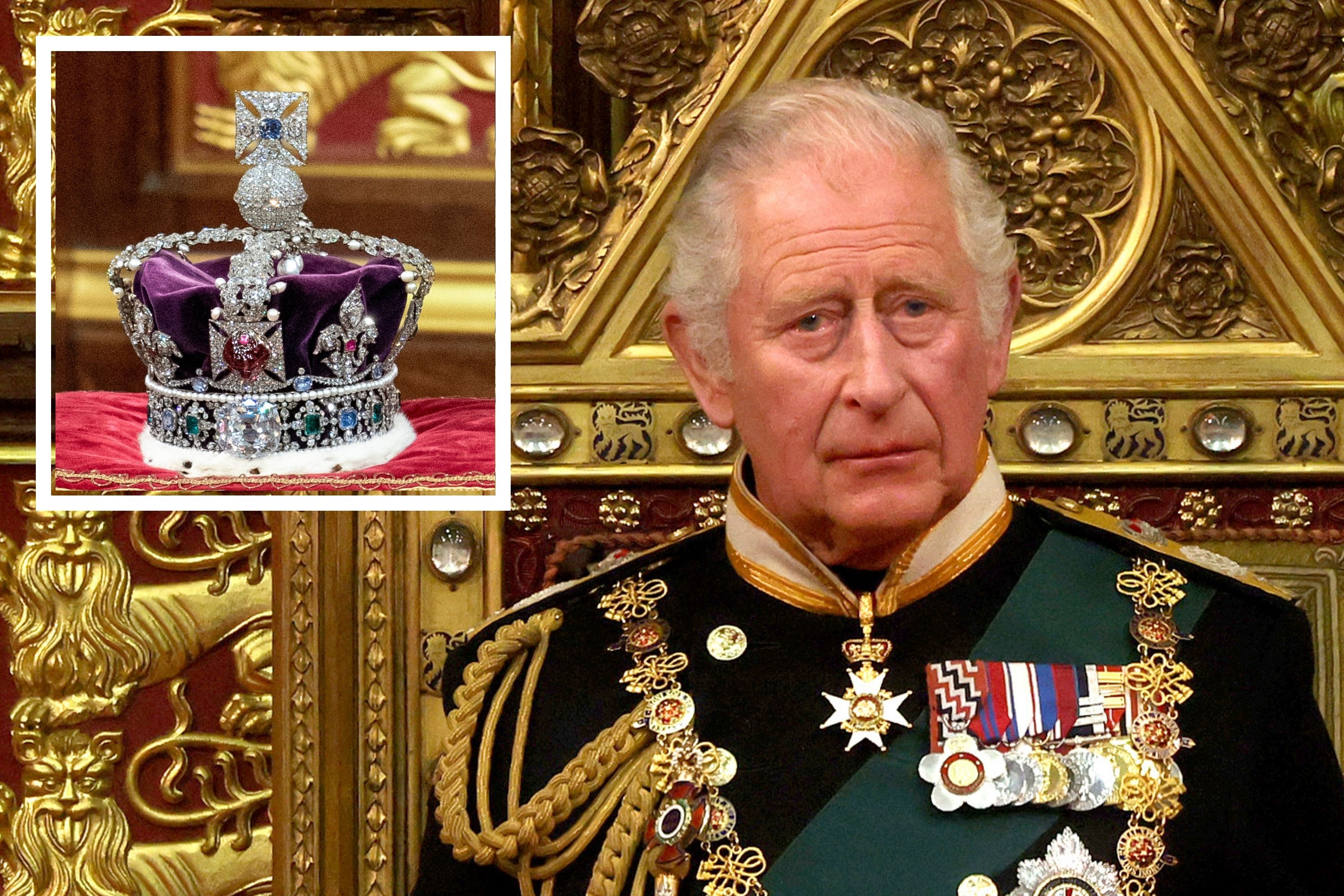
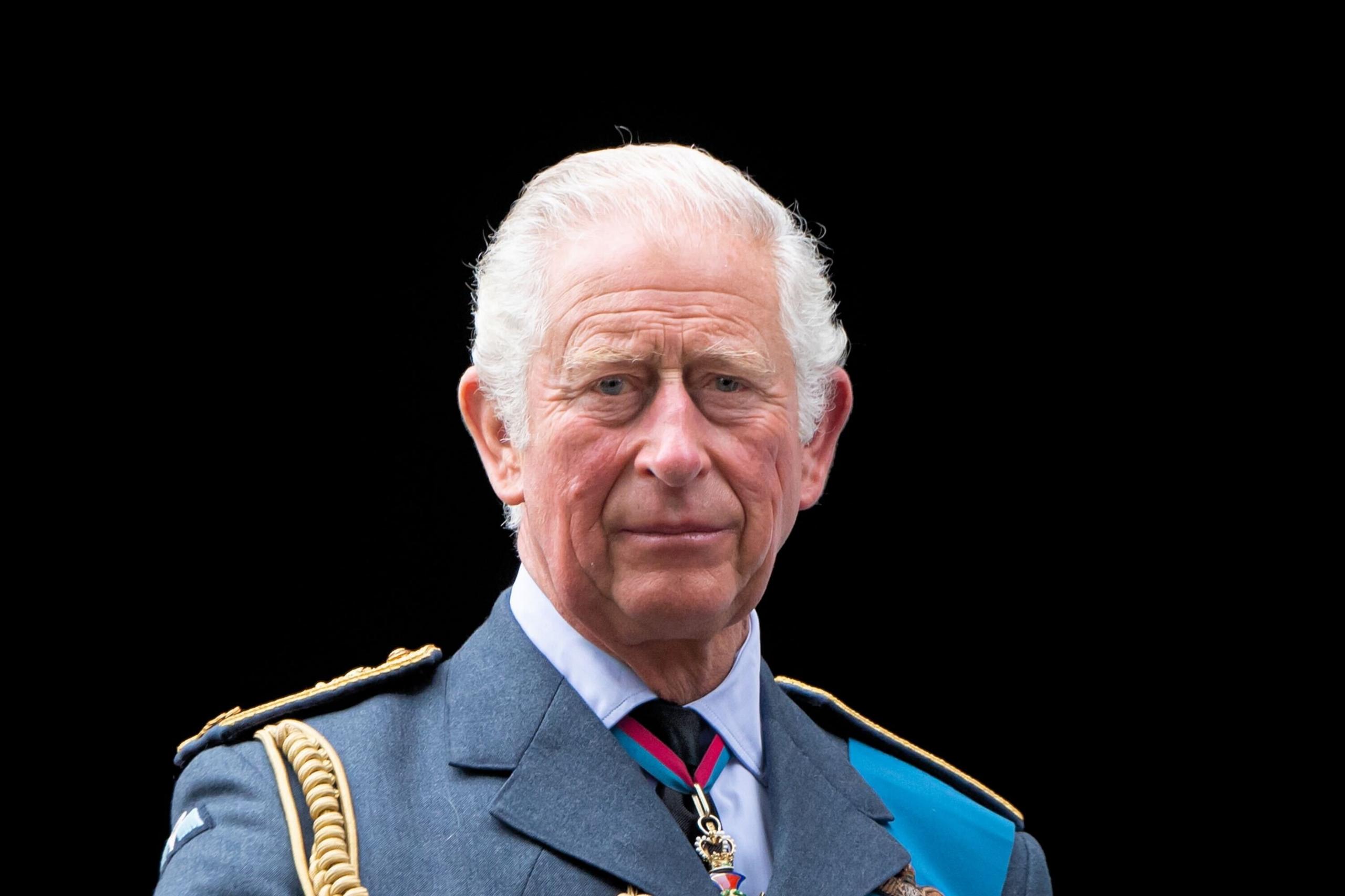
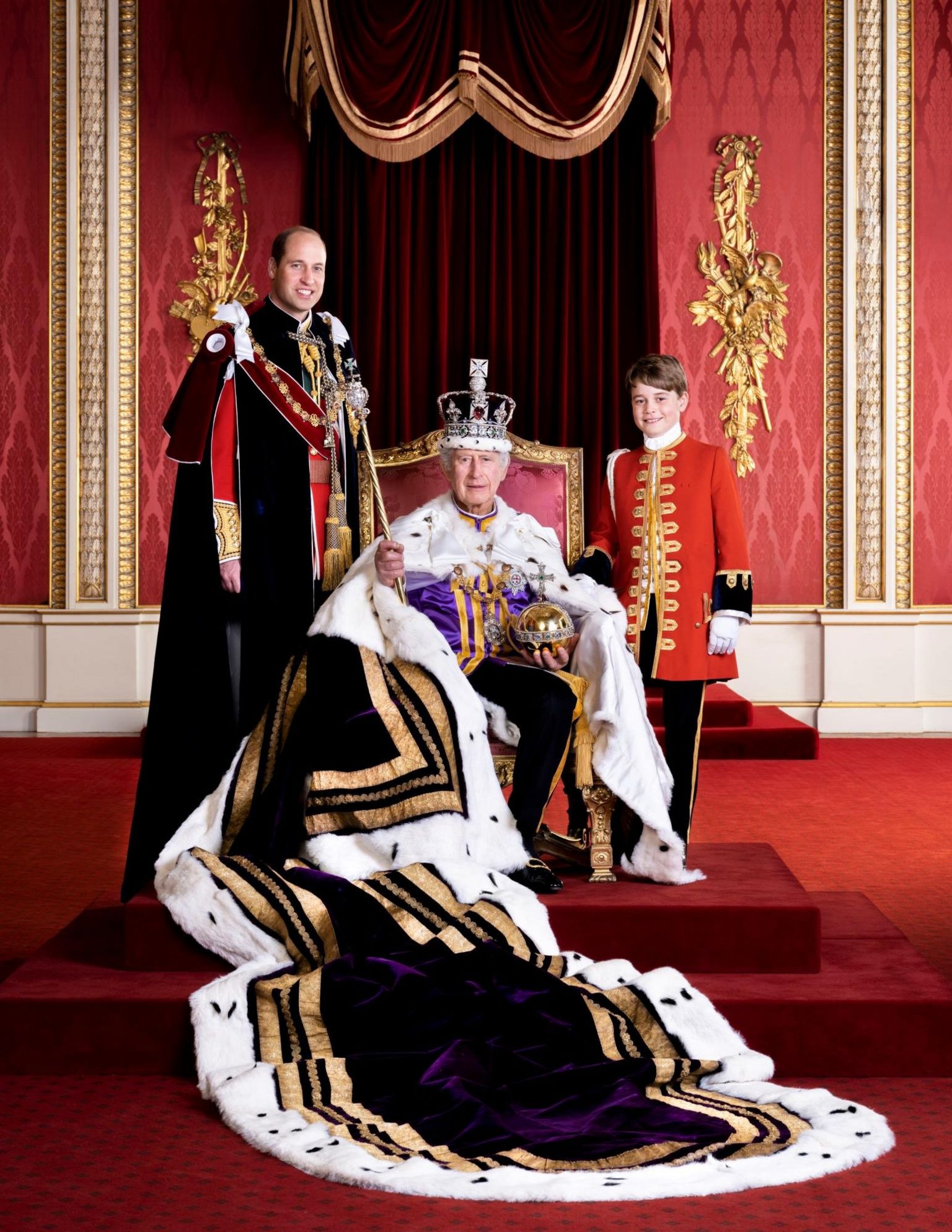
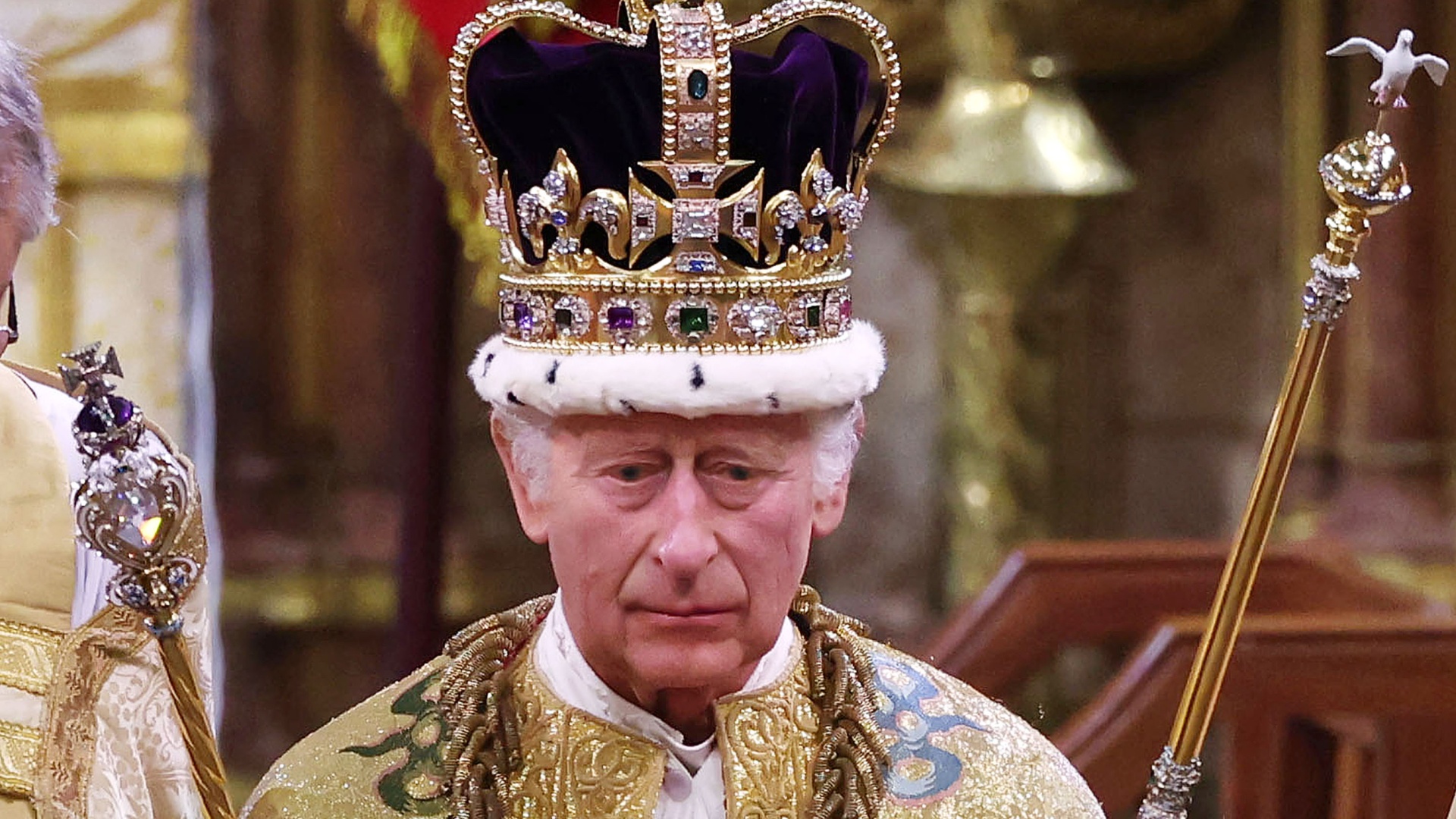
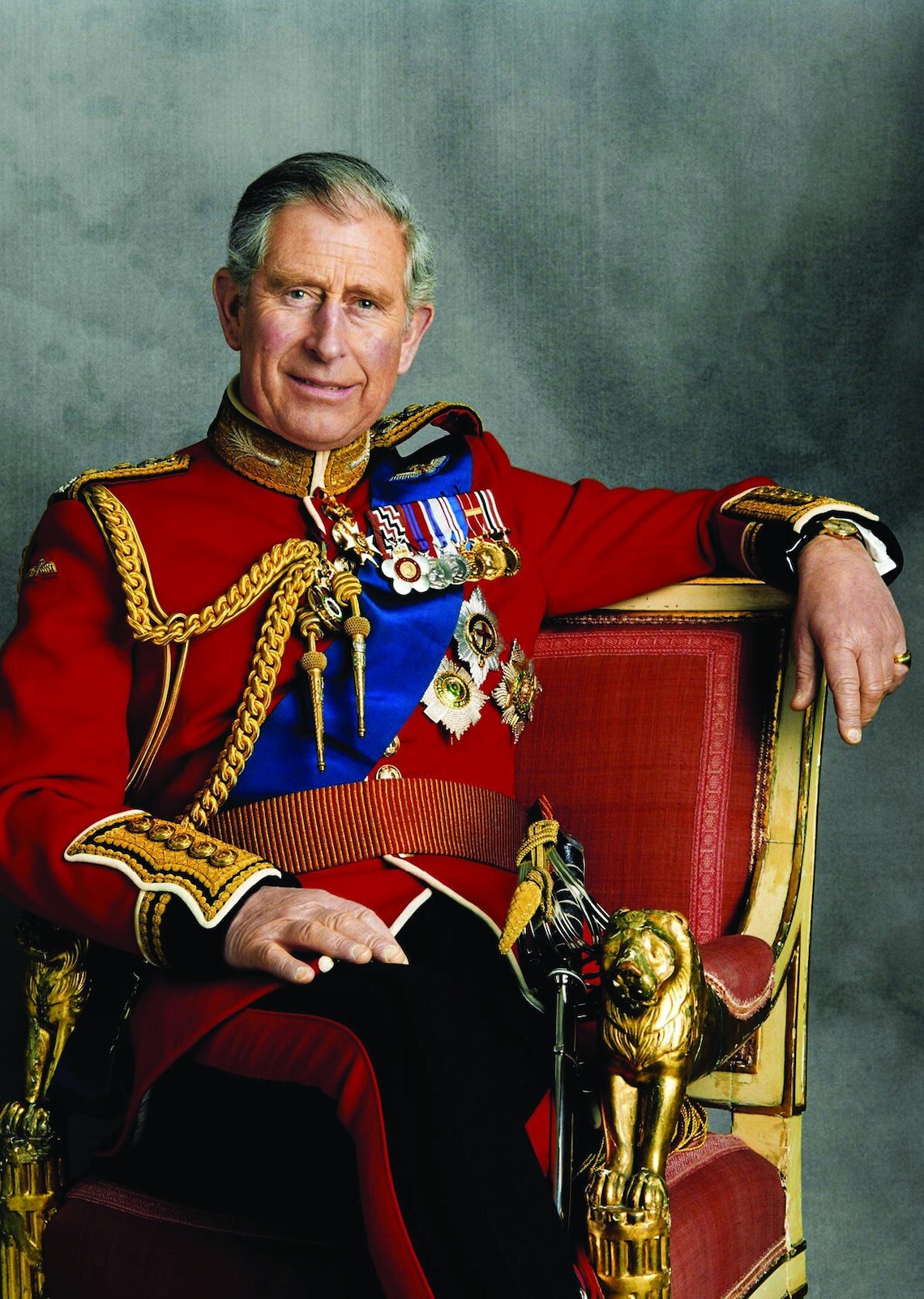
The accession of King Charles III in September 2022 brought the name back to the British throne after more than three centuries. Unlike his namesakes of the seventeenth century, Charles III operates strictly within a constitutional framework where executive authority rests with elected officials and Parliament.
Adaptation and Continuity
The modern role of the British monarch requires navigating a rapidly changing social landscape while maintaining centuries-old traditions. Charles III has long been known for his public advocacy regarding environmental conservation, sustainable agriculture, architecture, and youth opportunity through initiatives like The Prince's Trust. His reign emphasizes continuity, public service, and adaptation to a diverse, multicultural society, contrasting sharply with the divine-right absolutism that defined the early Stuart era.
Frequently Asked Questions
Why did Charles I come into conflict with Parliament?
Charles I believed firmly in the Divine Right of Kings, maintaining that his authority came directly from God and was not subject to parliamentary consent. He levied taxes without parliamentary approval and attempted to enforce religious uniformity, which directly challenged the political and legal traditions of England.
What was the outcome of the English Civil War?
The war ended in a decisive victory for the Parliamentarian forces led by Oliver Cromwell and the New Model Army. The monarchy was abolished, England was declared a republic (the Commonwealth), and Charles I was executed for treason in 1649.
How did Charles II regain the throne?
Following the instability of the Interregnum and the death of Oliver Cromwell, the political consensus fractured. In 1660, the Convention Parliament invited Charles II to return from exile, restoring the monarchy in an event known as the Restoration.
What are the main differences between the early Stuart Charles monarchs and Charles III?
The seventeenth-century monarchs named Charles ruled during a time when the balance of power between crown and parliament was actively contested, often leading to autocracy and civil war. Charles III is a constitutional monarch who performs ceremonial and diplomatic duties without independent executive political power.
How does the British monarch influence government today?
While the monarch retains formal constitutional roles—such as giving Royal Assent to bills, appointing the Prime Minister, and opening parliamentary sessions—these actions are performed on the advice of elected government ministers, ensuring political neutrality.
Practical Recommendations for Historical Study
For those seeking to explore the history of the English crown and the Stuart dynasty in greater depth, researchers and enthusiasts should consult original archival records preserved by the UK National Archives, academic monographs from university presses, and primary source collections such as the State Papers Domestic. Understanding this history requires examining both the political machinations of the court and the socioeconomic conditions of the broader population that drove seventeenth-century revolution and modern constitutional evolution.
Image Gallery