Analysis of the AJ vs. Ruiz Rematch: The December 2019 Decision and Strategic Aftermath
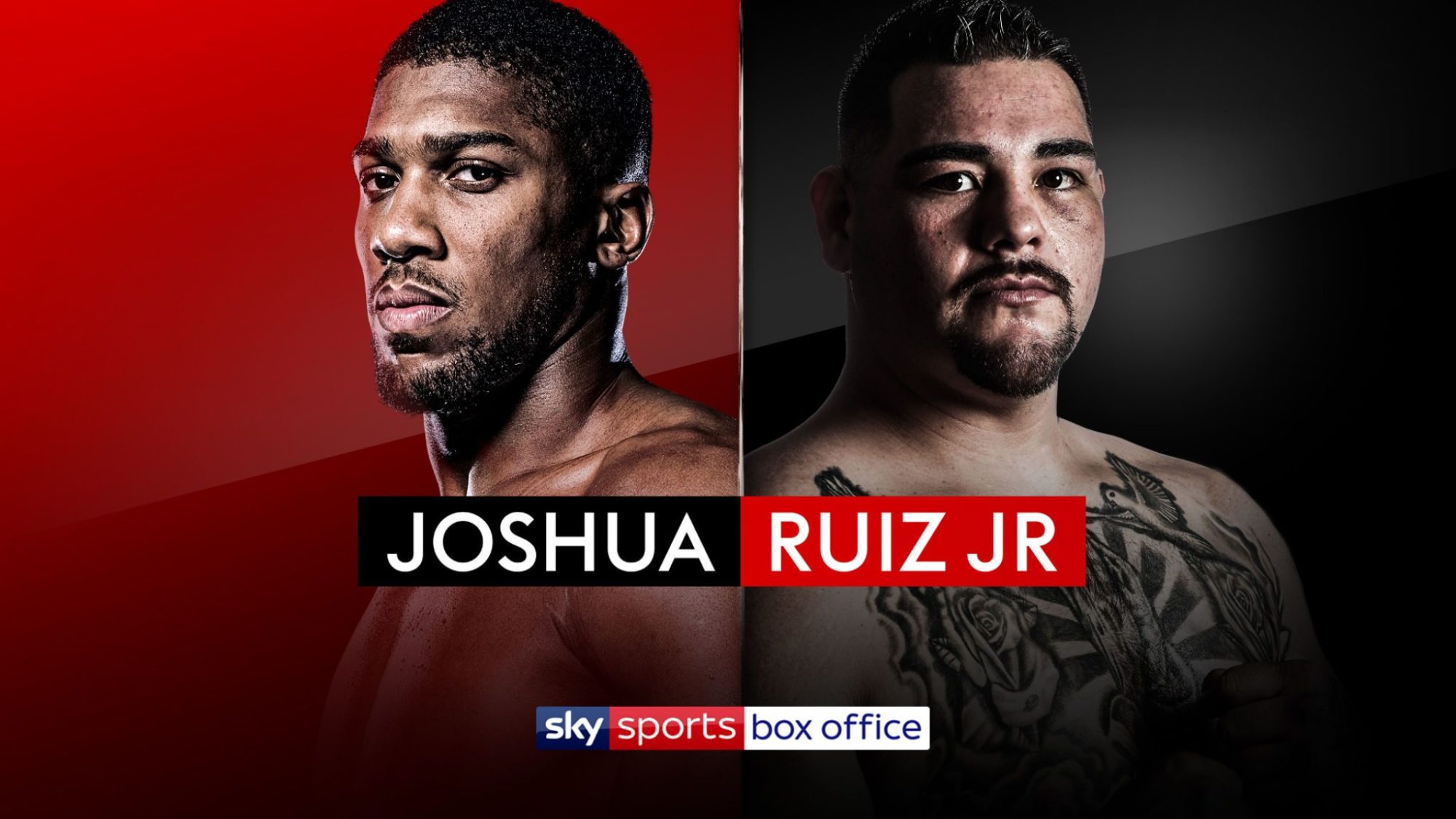
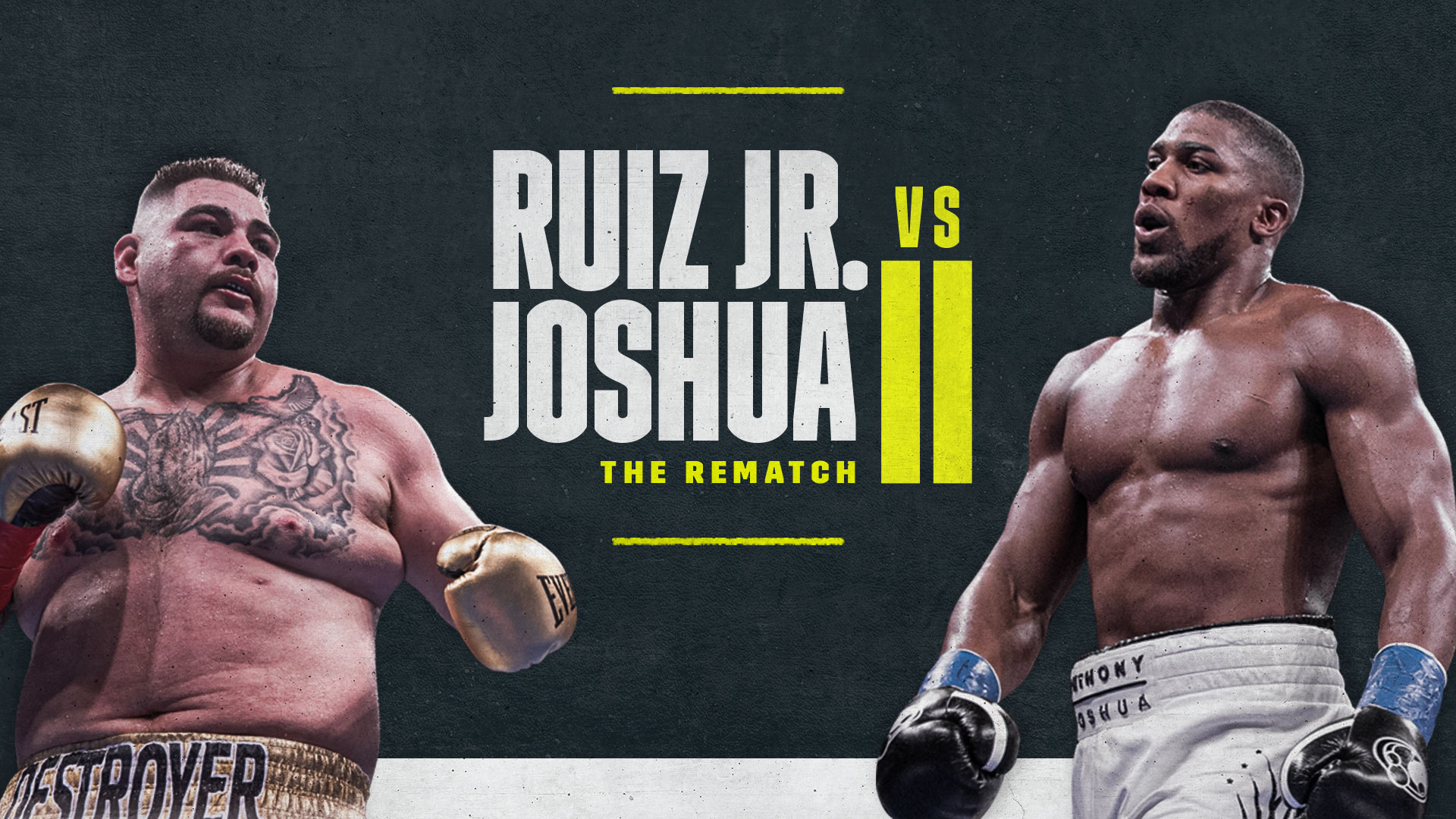
The Anthony Joshua vs. Andy Ruiz Jr. rematch, held on December 7, 2019, at the Diriyah Arena in Saudi Arabia, resulted in a unanimous decision victory for Anthony Joshua. Joshua reclaimed his WBA (Super), IBF, WBO, and IBO heavyweight...
The Anthony Joshua vs. Andy Ruiz Jr. rematch, held on December 7, 2019, at the Diriyah Arena in Saudi Arabia, resulted in a unanimous decision victory for Anthony Joshua. Joshua reclaimed his WBA (Super), IBF, WBO, and IBO heavyweight titles by utilizing a disciplined, movement-heavy tactical approach to neutralize the aggressive inside fighting style that Ruiz had successfully employed in their first encounter.
Contents
The Context of the Rematch
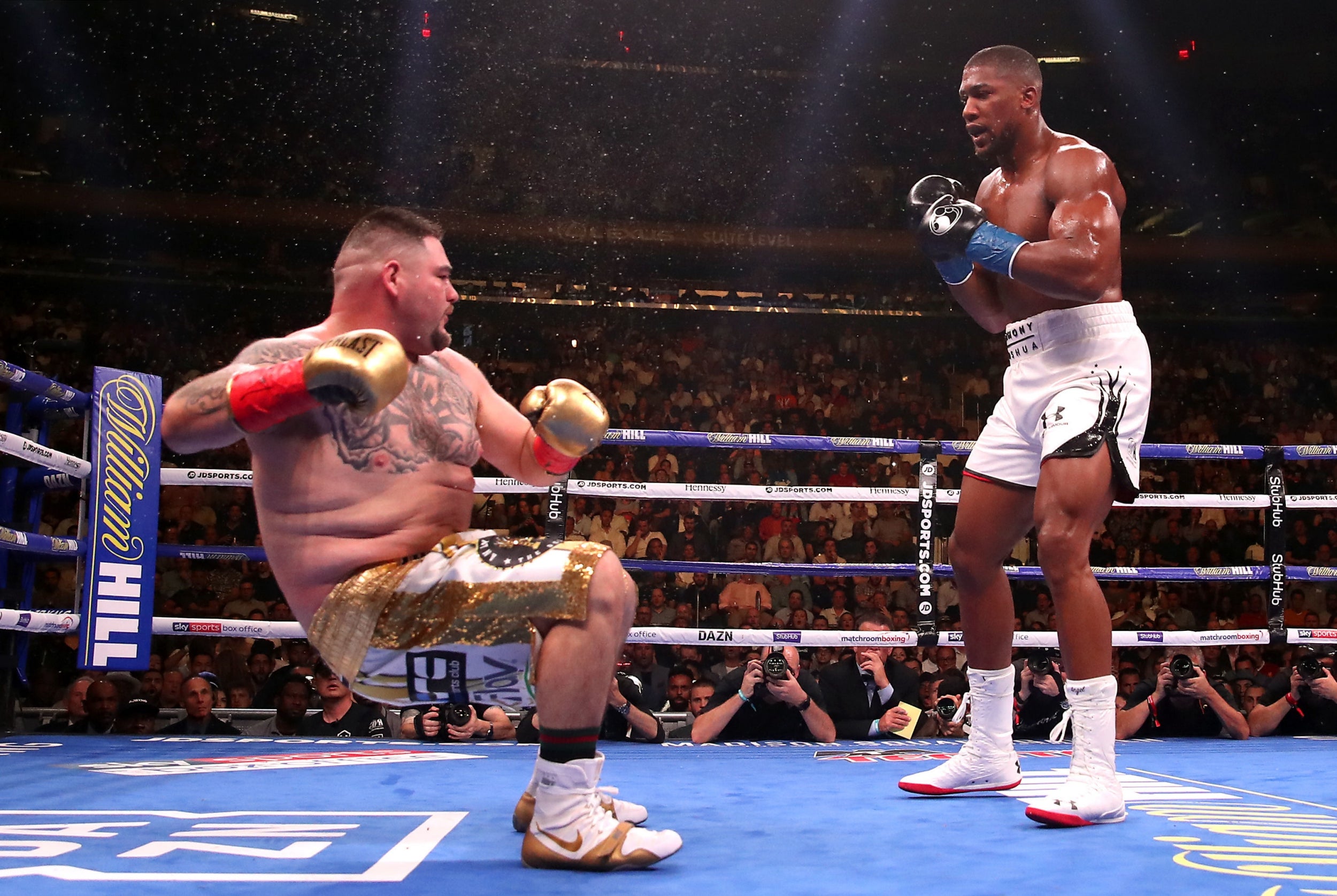
The journey to the December 2019 decision began six months prior at Madison Square Garden. In June 2019, Andy Ruiz Jr., a late-notice replacement, shocked the boxing world by stopping Anthony Joshua in the seventh round. This upset was widely considered one of the most significant occurrences in heavyweight boxing history, as it stripped the unbeaten Joshua of his unified world titles and shattered the projected path toward a showdown with Deontay Wilder.
The rematch was immediately triggered by a contractual clause. The period leading up to the December bout was defined by intense speculation regarding both fighters’ physical conditioning and mental states. Joshua faced immense pressure to prove that his loss was a technical oversight rather than a decline in ability, while Ruiz carried the burden of proving that his initial victory was not a fluke.
Tactical Shifts: The "Clash on the Dunes"
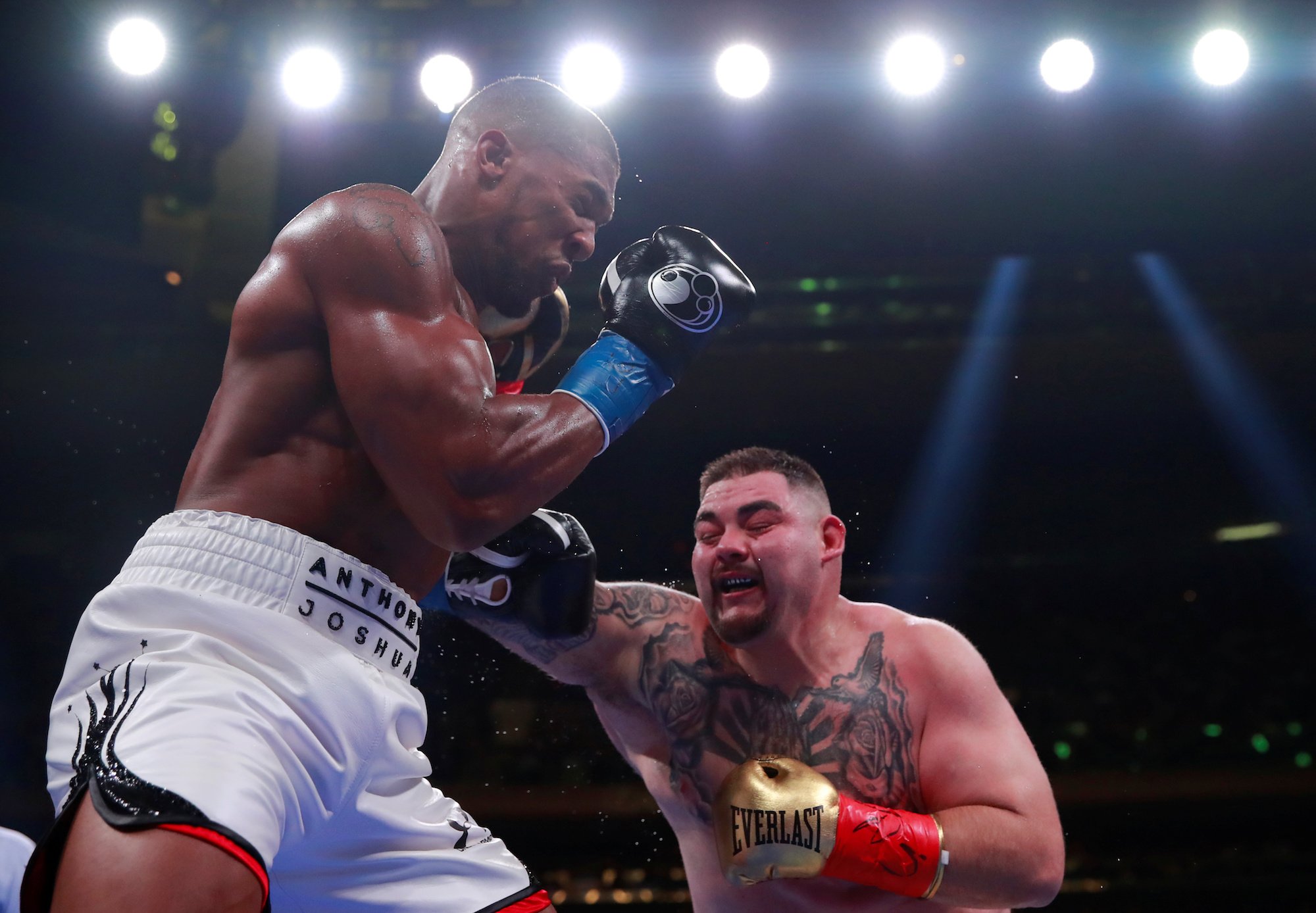
The most defining aspect of the December 2019 decision was the radical departure from the style Joshua employed in the first fight. In the initial encounter, Joshua engaged in mid-range exchanges, allowing Ruiz—who possesses faster hand speed in close quarters—to land devastating combinations.
For the rematch, Joshua employed a strategy centered on lateral movement, an disciplined jab, and a commitment to maintaining distance. By forcing Ruiz to chase him across the ring, Joshua minimized the opportunities for the Mexican-American fighter to corner him or initiate exchanges. The technical depth of this performance was verified by the official scorecards, which reflected a one-sided tactical mastery:
| Judge | Score (AJ - Ruiz) |
|---|---|
| Benoit Roussel | 118–110 |
| Lennie Benoit | 119–109 |
| Wes Melton | 118–110 |
These scores illustrate that while the fight did not result in a knockout, it was an overwhelming success for Joshua’s new game plan. By prioritizing the jab as a range-finder and consistently pivoting out of danger, Joshua effectively neutralized Ruiz’s offensive output.
Analyzing the Decision and Its Significance
The decision arrived after 12 rounds of cautious, highly technical boxing. Critics and enthusiasts noted that while the fight lacked the explosive exchanges of the first bout, it demonstrated Joshua’s adaptability. The "decision" in this context refers not only to the judges' scorecards but to the tactical decision by Joshua’s camp to abandon the pursuit of a knockout in favor of a clinical, point-based victory.
For Ruiz, the defeat highlighted a lack of preparation compared to the first fight. Ruiz admitted in post-fight interviews that his training had suffered due to the distractions accompanying his newfound status as the unified heavyweight champion. His inability to cut off the ring effectively against a focused Joshua proved to be his undoing.
Technical Elements of the Victory
To understand how Joshua secured the decision, one must look at three specific areas of execution:
- Footwork: Joshua remained light on his toes, refusing to stand flat-footed in the center of the ring where Ruiz could exploit his head movement.
- Jabbing: The jab was not merely a setup for power shots; it was used defensively to discourage Ruiz from closing the distance.
- Clinch Discipline: Whenever Ruiz managed to get inside, Joshua utilized his height and reach advantage to tie him up immediately, preventing the hooks to the ribs that caused him so much trouble in June.
Professional Consequences and Legacy
The outcome of the December 2019 decision restored the landscape of the heavyweight division. By reclaiming his belts, Anthony Joshua re-established himself as a primary figure in the "Big Three" era of heavyweights alongside Tyson Fury and Deontay Wilder.
The match also served as a case study for coaches regarding how to prepare for a rematch against a fighter who relies on volume and interior pressure. It proved that a disciplined fighter with a significant physical advantage can dismantle a heavy-handed, shorter opponent by enforcing distance and maintaining a strict technical adherence to a game plan.
Frequently Asked Questions
Why did the fight end in a decision rather than a knockout? The fight ended in a decision because Anthony Joshua prioritized safety and points over engagement. Having learned from the first encounter that Ruiz was dangerous at close range, Joshua fought conservatively, choosing to dance away and jab rather than trade power punches.
How did the location influence the fight? The "Clash on the Dunes" in Saudi Arabia was notable for being the first heavyweight title fight held in the region. The neutrality of the location and the climate-controlled environment of the temporary outdoor arena provided a stable, albeit high-pressure, setting that did not inherently favor either fighter’s traditional fighting conditions.
What was the primary difference in Ruiz's performance? Ruiz appeared heavier and noticeably less agile than in the first fight. Analysts pointed to his lack of sustained movement and failure to create the same chaotic rhythm that overwhelmed Joshua in their first meeting as the primary contributors to his loss.
Did this result invalidate Ruiz's first victory? No. The boxing community generally views both fights as separate events. The first fight proved Ruiz’s capability to win as an underdog, while the second proved Joshua’s capability to adapt and overcome a tactical challenge. Both outcomes are considered essential parts of their respective career narratives.
What were the immediate repercussions for the heavyweight division? The rematch effectively cleared the way for future unification talks, as it brought the WBA, IBF, WBO, and IBO belts back under one owner, simplifying the championship hierarchy at the time.
Recommendation for Further Study
If you are analyzing the evolution of heavyweight tactics, study the specific sequences between rounds 4 and 8 of this bout. These rounds demonstrate the exact moments where Ruiz’s frustration grew as he failed to corner Joshua, illustrating the effectiveness of the defensive-first strategy employed by the challenger-turned-reclaimant. To maintain a complete historical view, compare the punch statistics provided by Compubox for the June fight versus the December fight; the variance in "jabs thrown" vs. "power punches landed" offers clear statistical evidence of Joshua's tactical pivot.
Image Gallery