Understanding the Current Landscape in El Salvador: 2026 Status Update
As of 2026, El Salvador is defined by a transition toward long-term economic consolidation and the stabilization of internal security measures. The country remains focused on maintaining its legislative "state of exception," promoting...
As of 2026, El Salvador is defined by a transition toward long-term economic consolidation and the stabilization of internal security measures. The country remains focused on maintaining its legislative "state of exception," promoting foreign investment in technology and tourism, and managing a unique national financial strategy centered on Bitcoin as legal tender.
Contents
The Security Environment and Regulatory Framework
The most significant shift in Salvadoran governance over the past several years has been the implementation and subsequent maintenance of the régimen de excepción (state of exception). Originally enacted in March 2022 to combat gang violence, this framework remains a central pillar of the current administration’s domestic policy in 2026.
From a practical standpoint, this policy has resulted in a marked reduction in traditional street-level crime and extortion, which historically stifled small businesses and discouraged community development. International monitoring groups and human rights organizations continue to observe the situation closely, citing concerns regarding due process and the scale of the incarcerated population. For residents and visitors, the primary outcome is a heightened state of visible security, with increased police and military patrols in urban centers and previously inaccessible neighborhoods.
Economic Policy and the Bitcoin Strategy
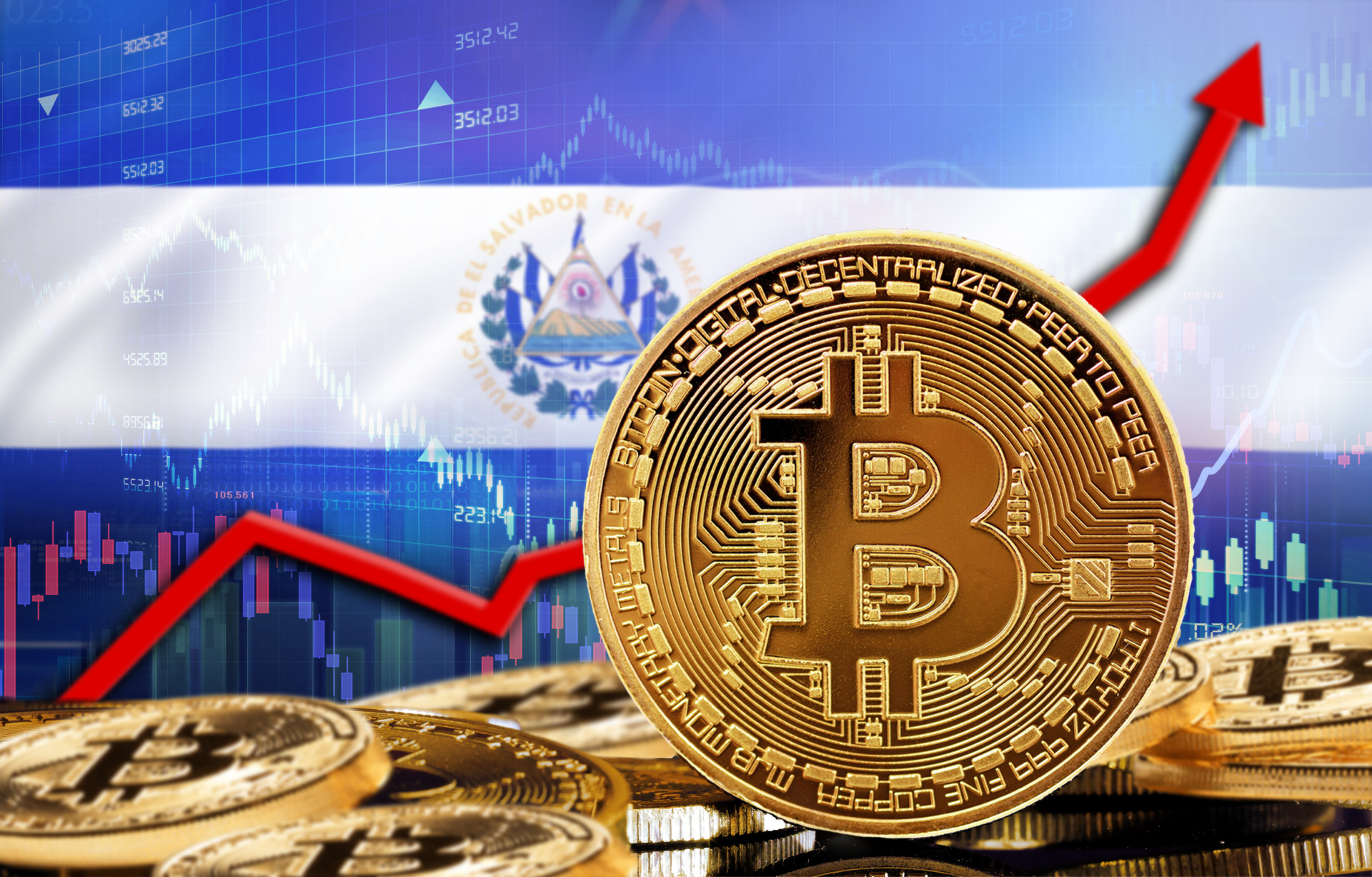
El Salvador occupies a unique position in the global economy due to its 2021 decision to adopt Bitcoin as legal tender. As of 2026, the government continues to integrate digital assets into the national fiscal architecture.
Key Economic Indicators and Strategies
- Fiscal Integration: The government utilizes its state-owned Bitcoin wallet, Chivo, alongside traditional banking systems. Financial institutions in the country have had to adapt to dual-currency requirements, which has prompted updates to local accounting and tax reporting standards.
- Infrastructure Investment: Public spending has prioritized tourism infrastructure—specifically along the "Surf City" corridor—and large-scale energy projects. These projects are designed to attract international capital and capitalize on the country's Pacific coastline.
- Debt Management: The state continues to navigate international credit markets. Maintaining investor confidence while managing the risks associated with the volatility of digital asset reserves remains a primary objective for the Ministry of Finance.
Table: Key Economic and Social Indicators (2026)
| Category | Policy/Status | Practical Impact |
|---|---|---|
| Legal Tender | USD and Bitcoin | Merchants must accept both; tax liabilities can be settled in either. |
| Security | State of Exception | Significantly lower crime rates; high visibility of security forces. |
| Primary Industry | Tourism/Technology | Tax incentives for foreign tech workers and "Digital Nomads." |
| Foreign Investment | Special Economic Zones | Reduced administrative barriers for technology-focused enterprises. |
Business and Investment Climate
For investors and entrepreneurs, El Salvador in 2026 presents a high-risk, high-reward environment. The government has aggressively marketed the nation as a hub for technology and finance.
Navigating the Regulatory Landscape
Businesses looking to enter the Salvadoran market must account for the specific requirements of the Ley de Fomento a la Innovación y Manufactura Tecnológica. This law provides significant exemptions for companies involved in software development, AI, and semiconductor manufacturing. However, operational success still requires rigorous compliance with local labor laws and, notably, familiarity with the integration of digital wallet systems into payroll and point-of-sale operations.
Prospective investors are advised to conduct thorough due diligence, as the regulatory environment for digital assets is still evolving. Engaging local legal counsel to interpret the intersection of traditional banking regulations and cryptocurrency mandates is a standard requirement for navigating the current landscape.
Social Dynamics and Migration
The narrative of El Salvador in 2026 is also shaped by changes in migration patterns. With the improvement in domestic security, the government has shifted its rhetoric toward "voluntary return," encouraging members of the diaspora to return with investment capital.
Infrastructure projects, such as the expansion of the international airport and improvements to the national highway system, serve as the physical manifestations of this policy. These efforts are aimed at making the country more hospitable to the return of citizens and attracting foreign retirees. Nevertheless, economic pressures, such as the rising cost of living in urban areas, remain a point of discussion among the general population and labor unions.
Frequently Asked Questions
Is it safe to travel to El Salvador in 2026? While crime rates have dropped significantly since 2022, travelers should still consult their home country’s travel advisory updates. Security is concentrated in tourist zones and major cities, but travelers are encouraged to remain within established areas and follow local guidance regarding safe transit.
How is Bitcoin used in daily life? While Bitcoin is legal tender, cash (USD) remains the primary method for most day-to-day transactions. Large retail chains and government services support digital wallet payments, but many smaller, informal vendors prefer physical currency.
What are the requirements for a digital nomad visa? El Salvador offers specific residency pathways for remote workers. Applicants typically need to provide proof of foreign income, background checks, and documentation of professional activity. Consult the Dirección General de Migración y Extranjería for the most current fee schedules and document checklists.
What is the status of the state of exception? The régimen de excepción is regularly extended by the Legislative Assembly. As of 2026, it remains the standard legal framework for internal security, impacting the speed of judicial proceedings and police authority.
What is the "Surf City" project? Surf City is a state-led development initiative focused on the coastline of La Libertad. It provides modernized public facilities, standardized tourist services, and targeted marketing to bring international surfing competitions and tourism revenue to the country.
Recommendations for Further Action
For individuals, businesses, or researchers analyzing the situation in El Salvador, the most effective approach is to avoid relying solely on international media, which may capture only specific segments of the current administration's narrative.
- Direct Verification: If planning a business venture, review the official website of the Organismo Promotor de Exportaciones e Inversiones de El Salvador (INVEST) for current investment incentives and legal requirements.
- Stay Updated: Monitor the Diario Oficial for changes in legislation, particularly regarding tax law and the implementation of digital asset regulations.
- Local Consultation: Always engage with a local registered agent or attorney before signing any property or business agreements. The legal system in El Salvador, while being streamlined for investment, retains specific procedural requirements that necessitate local expertise.
The landscape in El Salvador is currently defined by an assertive central authority, an unconventional financial experiment, and a push toward international integration. Success for any entity or individual within this space depends on understanding that these three pillars—security, finance, and investment—are inextricably linked.
Image Gallery