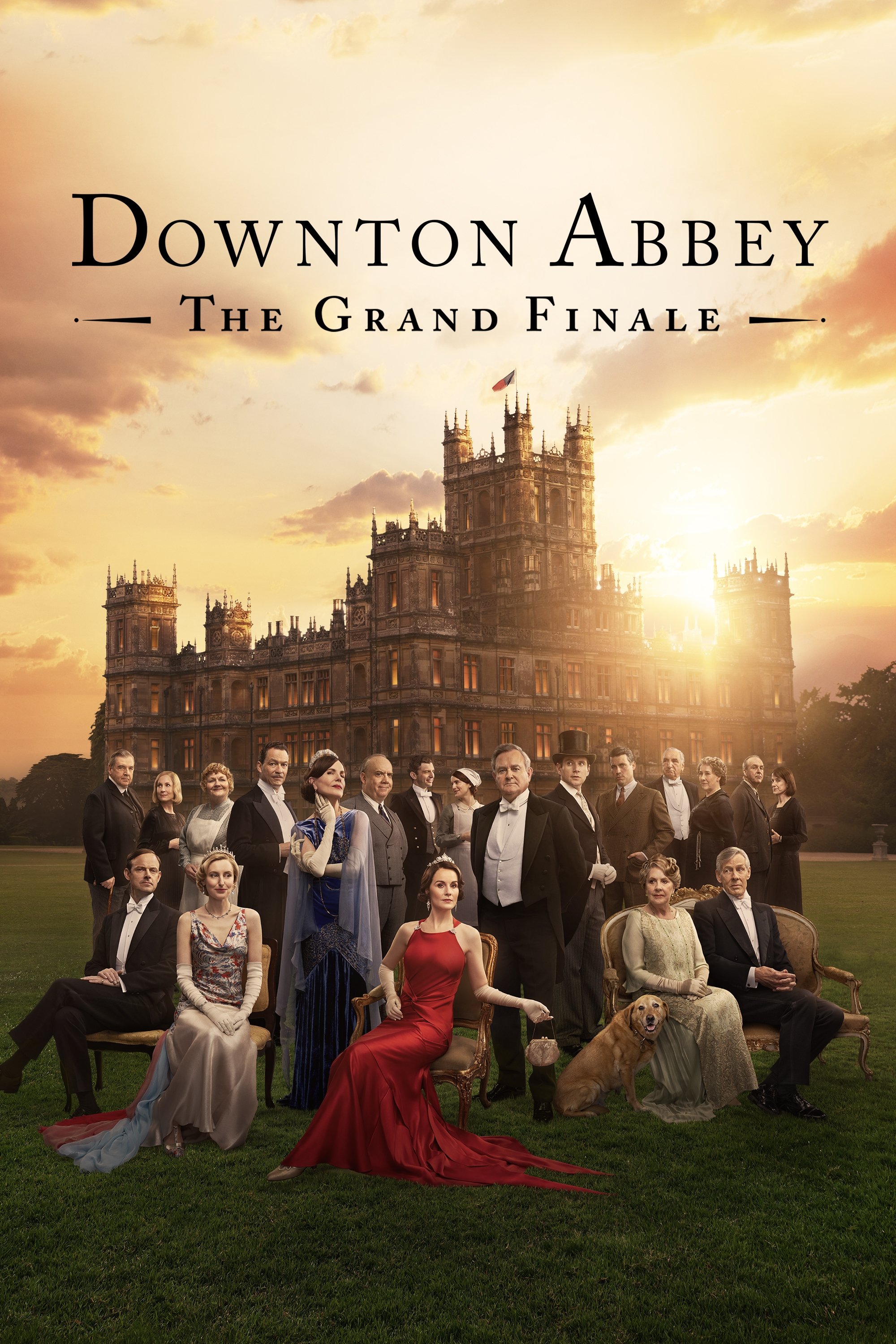
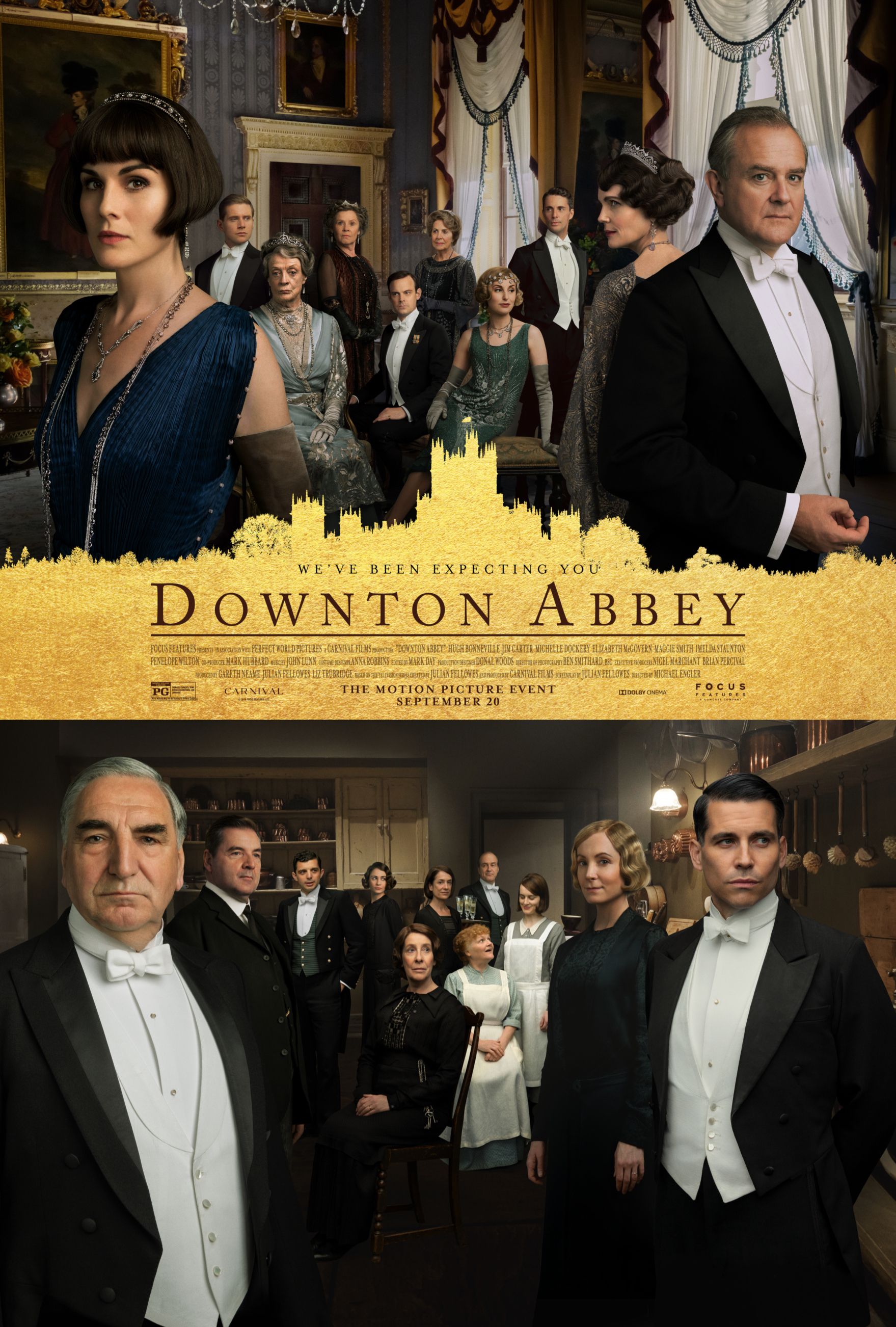
Why You Should Rarely Rent the Downton Abbey Movie: A Strategic Approach to Home Media
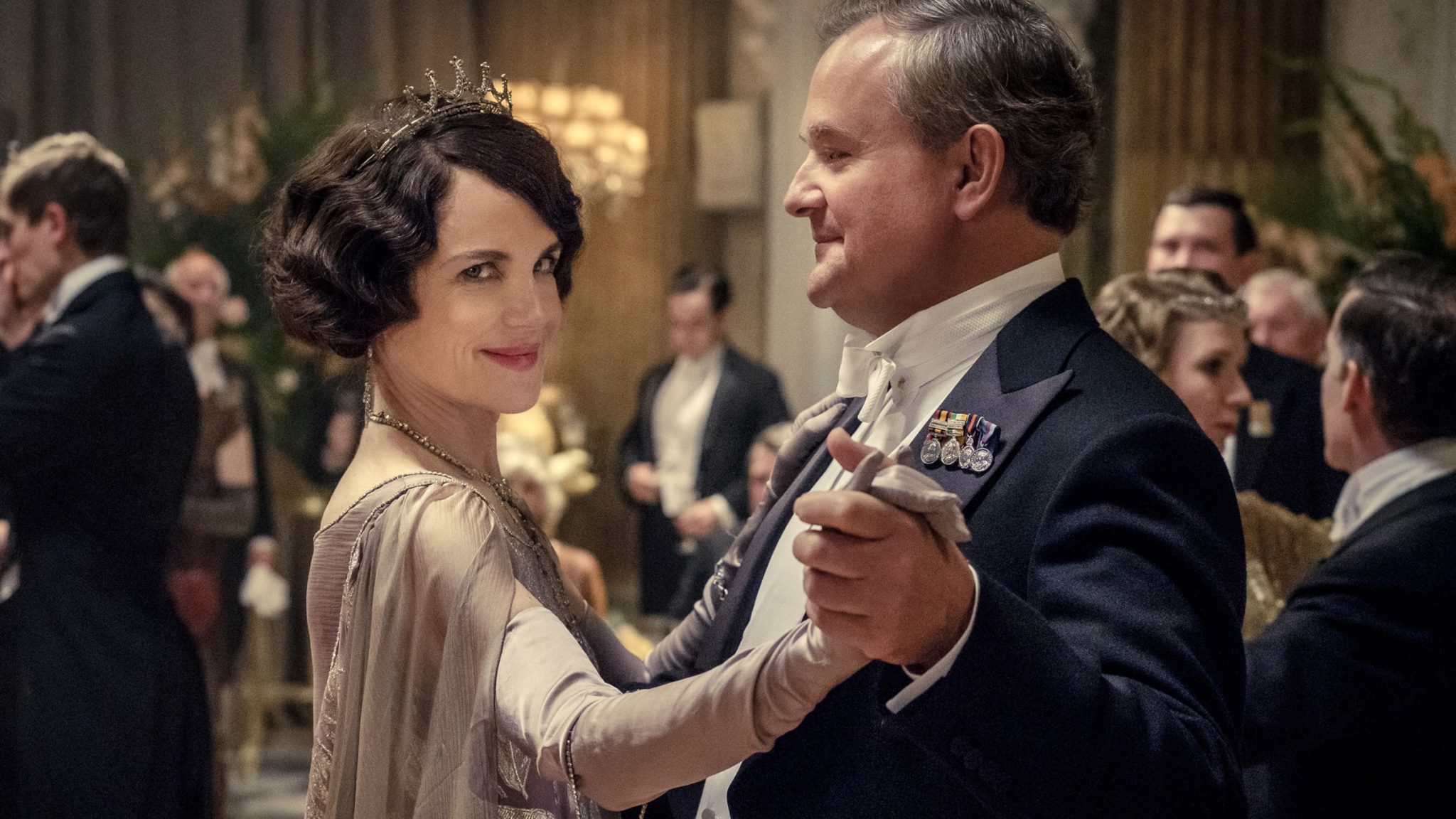
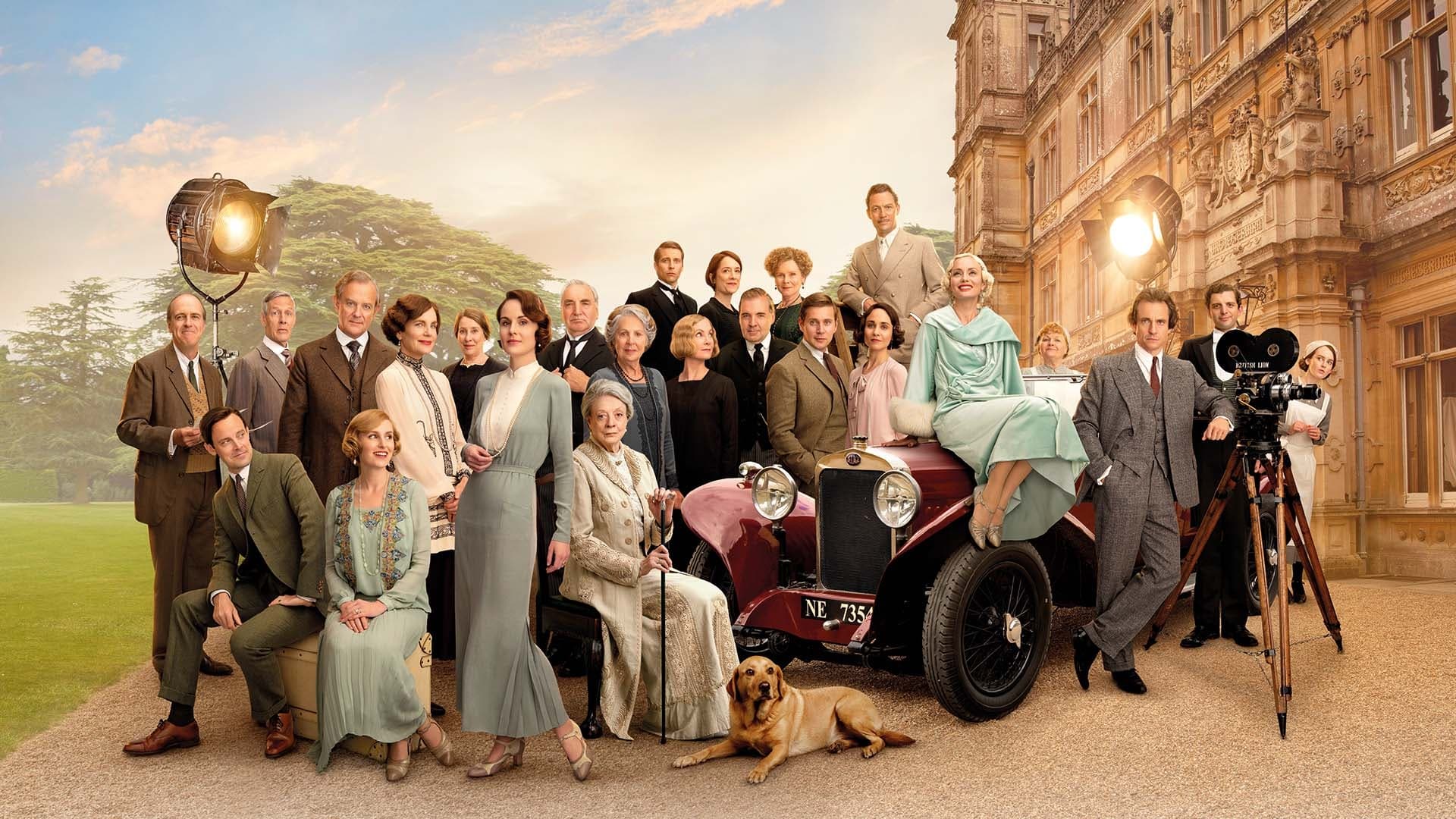
Renting the Downton Abbey feature film—or its sequel, Downton Abbey: A New Era—is often an inefficient use of entertainment funds. Given the frequent availability of these titles on subscription-based streaming services, long-term owne...
Renting the Downton Abbey feature film—or its sequel, Downton Abbey: A New Era—is often an inefficient use of entertainment funds. Given the frequent availability of these titles on subscription-based streaming services, long-term ownership options, and public library collections, the transactional cost of a digital rental rarely provides optimal value for fans of the franchise.
Contents
The Economics of Digital Rentals vs. Streaming
Digital movie rentals typically operate on a 48-hour access window once playback has commenced. In the current market, this "Video on Demand" (VOD) model functions as a convenience premium. When you rent a film like the 2019 Downton Abbey or its 2022 successor, you are paying for immediate access rather than long-term utility.
The primary reason to avoid renting these specific titles is their high-frequency presence on major streaming platforms. NBCUniversal, which holds rights to the Downton Abbey property, frequently rotates these films through its own streaming service, Peacock, and licenses them to other platforms like Netflix or Hulu. Because the franchise maintains a consistent, multi-generational audience, demand remains high enough that these films rarely disappear from subscription catalogs for long.
If you choose to rent, you are effectively paying $3.99 to $5.99 for a title that you could likely access through an existing subscription that you are already paying for monthly. Unless you have a specific, time-sensitive requirement to view the film outside of these platforms, the rental fee represents a redundant expenditure.
The Case for Physical Media and Digital Purchase
For enthusiasts of Julian Fellowes’ period drama, a single viewing is rarely sufficient. The Downton Abbey films are characterized by dense subplots, intricate costume design, and rapid-fire dialogue that benefits from multiple viewings.
When you purchase a film digitally (via platforms like Apple TV or Amazon Prime Video) or acquire it on Blu-ray/DVD, the cost-per-view drops precipitously over time. A digital rental is a "dead-end" transaction; you have no equity in the content once the window expires. In contrast, purchasing the film grants you perpetual access. For a franchise that relies on the "rewatchability" factor—where fans revisit the Crawleys' lives for comfort or to catch overlooked details—the "rent vs. buy" math heavily favors purchasing or library borrowing.
Library Services: The Overlooked Alternative
If you have a library card, you have access to a legal, zero-cost alternative to renting. Most municipal library systems in the United States and Canada provide access to digital streaming platforms specifically for library patrons, such as Kanopy or Hoopla.
Many libraries also maintain significant physical collections of DVD and Blu-ray titles. Because the Downton Abbey films are staples of modern British period drama, they are almost universally stocked in public library systems. Borrowing these discs costs you nothing beyond your local taxes, effectively rendering the "rental" model obsolete for anyone with basic logistical access to a library.
Understanding the Lifecycle of the Downton Abbey Films
The original Downton Abbey film (2019) and Downton Abbey: A New Era (2022) have reached a stage in their distribution lifecycle where they are considered "catalog titles." Unlike new theatrical releases that stay in a rental-only window for weeks, these films are mature assets.
| Acquisition Method | Cost Structure | Ownership Status | Availability |
|---|---|---|---|
| Digital Rental | High (Per view) | No ownership | Immediate |
| Subscription Stream | Monthly Fee | Limited access | Rotating |
| Digital Purchase | One-time fee | Perpetual | Always available |
| Public Library | Free | Loaned | Subject to stock |
As of 2026, these titles have transitioned from "prestige releases" to "syndicated content." This means they are used by streaming services as "filler" to retain subscribers. They are designed to stay accessible. Paying to rent them is essentially paying a tax on your own impatience.
When Is Renting Actually Justified?
While we advise against renting as a default habit, there are rare scenarios where a rental is the most logical choice:
- Travel Constraints: If you are traveling and need to download a film for offline viewing, and you do not own the digital copy, a rental provides a temporary, reliable download.
- Specific Hardware Limitations: If you lack a subscription to a platform currently hosting the film and do not wish to start a new trial or pay a monthly fee, the rental serves as a low-commitment "buy-in."
- Event Planning: If you are hosting a one-time Downton Abbey watch party and you do not own the film, the rental cost acts as a nominal event expense that is easily justified by the social utility of the gathering.
Common Mistakes to Avoid
Many viewers fall into the trap of "convenience bias." They see the movie on a rental interface, assume it is the only way to watch it immediately, and click "Rent" without checking if it is available on a service they already pay for.
Before hitting the rent button:
- Check a "JustWatch" style aggregator: Use a platform-neutral search engine to see exactly where the film is currently streaming in your region.
- Verify your current subscriptions: Do not assume that because it left Netflix, it is not on Peacock, Prime, or another service you hold.
- Check the Library: Always check your local library’s digital catalog before paying a rental fee.
Frequently Asked Questions
Does renting the movie grant me access to bonus features? Generally, no. Rental versions are almost exclusively the feature film only. If you are interested in the behind-the-scenes content, such as interviews with the cast or discussions regarding the historical accuracy of the costumes, you must purchase the digital edition or the physical disc.
Will I lose my progress if the rental period expires? Yes. Digital rental platforms are strictly automated. Once the expiration timer—usually 48 hours after you press play—hits zero, the file becomes inaccessible. There is no grace period, and customer support will rarely issue a refund if you simply failed to finish the movie in time.
Are there differences in quality between rental and purchase? While both usually offer 4K or HD options, a purchased digital copy or physical disc often provides a more stable bitrate, especially if you have variable internet speeds. Streaming rentals are susceptible to fluctuations in network traffic, which can downgrade your visual experience mid-movie.
Is it better to buy the box set of the series and films? For dedicated fans, buying the complete collection is almost always more cost-effective than renting individual episodes or films. The economies of scale provided by bundled media mean you often pay pennies per hour of content.
Conclusion: Plan Your Viewing
The decision to rent the Downton Abbey movie should be a last resort. By utilizing public library resources or rotating streaming subscriptions, you can satisfy your craving for the world of Highclere Castle without paying a premium for a temporary, non-transferable license. Next time you feel the urge to revisit the Crawley family, check your existing subscriptions or your local library’s digital catalog first—you will likely find that the rental fee is entirely unnecessary.
Image Gallery