How to Find Homeowners Insurance Quotes in Iowa
To find homeowners insurance quotes in Iowa, you should begin by gathering your property details and then utilize three primary methods: online comparison platforms, direct requests from major carriers, and consultations with local ind...
To find homeowners insurance quotes in Iowa, you should begin by gathering your property details and then utilize three primary methods: online comparison platforms, direct requests from major carriers, and consultations with local independent agents. Comparing at least three to five quotes ensures you account for Iowa’s unique weather-related risks while securing competitive 2026 pricing.
Contents
Navigating the homeowners insurance market in Iowa requires a specific understanding of the state’s geographical risks and regulatory environment. Iowa homeowners face a distinct set of challenges, from high-wind events and tornadoes to severe hail and localized flooding. As of 2026, the insurance landscape has evolved to integrate more sophisticated risk modeling, making it even more important for residents to shop around. This guide provides a comprehensive roadmap for identifying, comparing, and verifying homeowners insurance quotes within the Hawkeye State.
Understanding the Iowa Home Insurance Landscape
Before you begin soliciting quotes, it is crucial to understand what drives the market in Iowa. Unlike coastal states where hurricanes are the primary concern, Iowa’s insurance rates are heavily influenced by convective storms. The "Derecho" events of recent years and the frequency of spring tornadoes have led many insurers to adjust their underwriting guidelines for the Midwest.
The Iowa Insurance Division (IID) oversees the industry, ensuring that companies remain solvent and that rate increases are justified. In 2026, the market remains competitive, but carriers are increasingly scrutinized regarding their "roof replacement" language and "wind/hail deductibles." When you look for quotes, you are not just looking for a price; you are looking for a carrier that understands the specific vulnerabilities of an Iowa property, such as basement flooding from snowmelt or structural damage from heavy snow loads.
Step-by-Step Guide to Finding Iowa Quotes
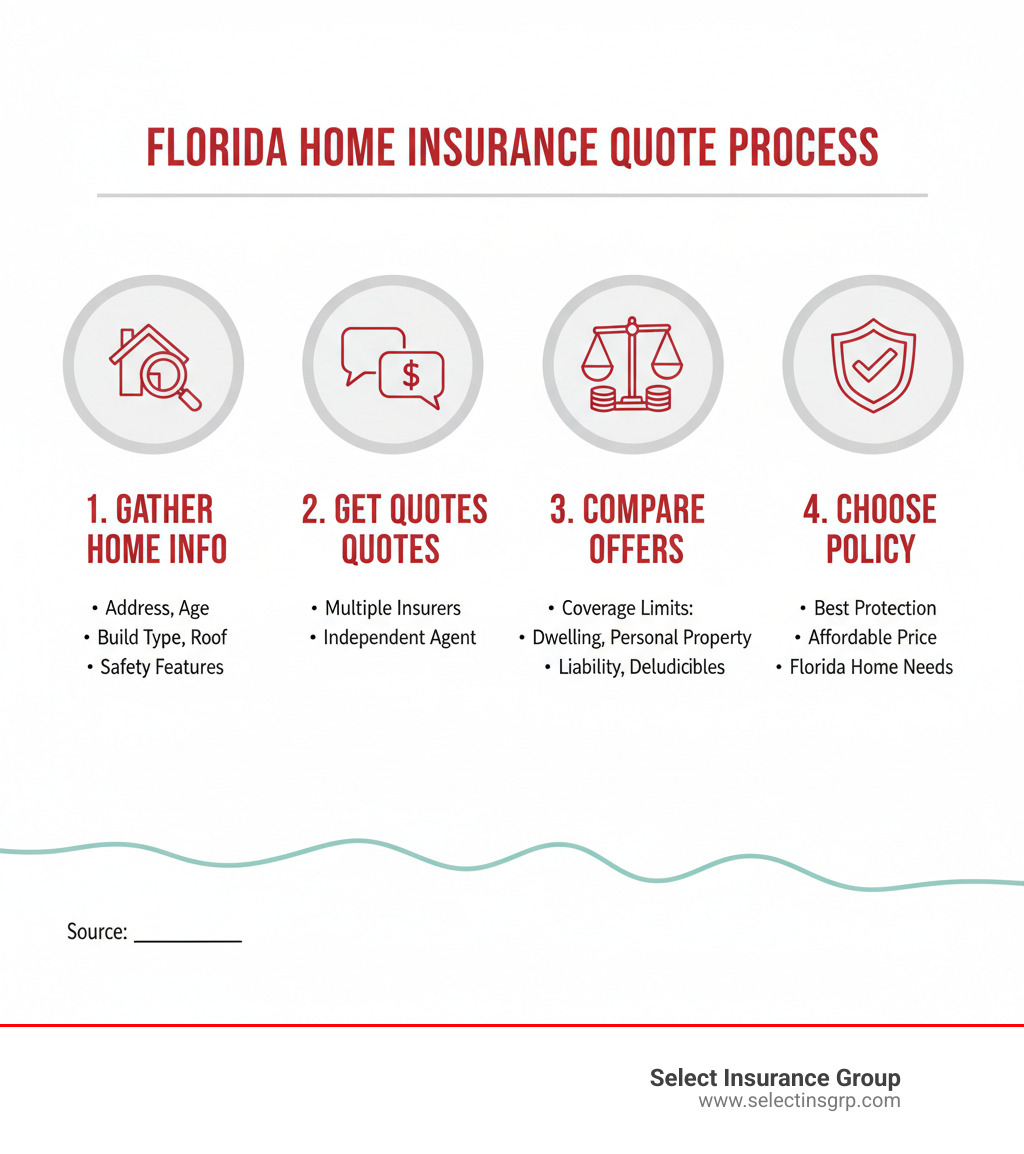
Finding the best coverage is a systematic process. Following these steps will help you filter out inadequate policies and focus on high-value options.
1. Gather Your Property Information
Insurers in 2026 use granular data to determine premiums. To get an accurate quote rather than a "ballpark" estimate, have the following information ready:
- The Age of Major Systems: Know the exact year your roof was last replaced, as well as the age of your HVAC, plumbing, and electrical systems.
- Square Footage and Construction Type: Is your home frame, masonry, or veneer? Do you have a finished basement?
- Safety Features: Mention security systems, smoke detectors, and specifically for Iowa, any sump pump battery backups or storm shutters.
- Distance to Fire Services: Know the distance to the nearest fire hydrant and the nearest fire station (Protection Class).
2. Utilize Online Comparison Tools
The fastest way to get a baseline for Iowa rates is through online aggregators. These platforms allow you to input your data once and receive preliminary quotes from multiple carriers. While convenient, be aware that these initial numbers are often "teasers" that may change once a full credit check and CLUE (Comprehensive Loss Underwriting Exchange) report are run. Use these tools to identify which 3–5 companies are currently the most competitive in your specific Iowa zip code.
3. Contact Independent Insurance Agents
Independent agents are a valuable resource in Iowa because they represent multiple insurance companies rather than just one. An agent in Des Moines or Cedar Rapids will have firsthand knowledge of which carriers are currently "appetite-heavy" for Iowa risks. They can often access regional carriers—like Iowa-based mutual companies—that might not appear on national comparison websites. They also provide the benefit of explaining the "fine print" regarding local issues like sewer backup coverage.
4. Direct Quotes from National Carriers
Some of the largest insurers in the country, such as State Farm, Allstate, and Progressive, have a massive presence in Iowa. Getting a quote directly from their websites or through a captive agent (an agent who only works for one company) can sometimes yield "bundling" discounts that independent agents might not be able to match if you move your auto and life insurance to the same provider.
Key Coverage Components to Compare
When you receive your quotes, you will likely see a breakdown of different coverage types labeled A through F. In Iowa, the specific limits you choose for these can mean the difference between full recovery and a massive out-of-pocket loss.
| Coverage Type | What it Covers in Iowa | Why it Matters Locally |
|---|---|---|
| Coverage A: Dwelling | The physical structure of your home. | Needs to account for rising construction costs in Iowa’s metro areas. |
| Coverage B: Other Structures | Detached garages, sheds, and fences. | Critical for rural Iowa properties with outbuildings. |
| Coverage C: Personal Property | Furniture, electronics, and clothing. | Ensure you have "Replacement Cost" rather than "Actual Cash Value." |
| Coverage D: Loss of Use | Living expenses if a storm makes your home uninhabitable. | Essential during long rebuild times following major tornadoes. |
| Coverage E: Liability | Legal defense and settlements for injuries on your property. | Protects your assets from lawsuits. |
| Sewer/Sump Pump Add-on | Water backup through drains or pumps. | Crucial for Iowa basements during heavy spring rains. |
Factors That Influence Your Iowa Quote
Several state-specific factors will dictate whether your quote is $1,200 or $3,500 per year. Understanding these allows you to take steps to lower your premium.
Weather and Geography
If your home is in a high-risk area for tornadoes or has a history of frequent hail, your premium will reflect that. Some Iowa insurers now implement a separate "Wind and Hail Deductible," which is often a percentage of the home’s value (e.g., 1% or 2%) rather than a flat dollar amount. Be sure to check if the quote you are looking at uses this percentage-based deductible, as it can significantly increase your out-of-pocket costs during a claim.
Credit-Based Insurance Scores
In Iowa, insurers are legally permitted to use your credit history as a factor in determining your insurance score. A higher credit score typically leads to lower homeowners insurance quotes. If you are shopping for a home in 2026, improving your credit even slightly before requesting quotes can result in hundreds of dollars in annual savings.
Home Age and Materials
Iowa has a significant inventory of historic homes. If your home was built before 1950, finding a quote might be more difficult or expensive unless you have modernized the electrical (no knob-and-tube) and plumbing. Conversely, new construction in developing areas like Waukee or Ankeny may qualify for "new home" discounts that persist for several years.
How to Verify an Insurance Provider in Iowa
Never purchase a policy based solely on a quote without verifying the legitimacy of the company. The Iowa Insurance Division (IID) provides tools for consumers to ensure they are dealing with licensed entities.
- Check Licensing: Visit the IID website and use their "Company Search" tool to confirm the insurer is authorized to sell property insurance in the state.
- Review Complaint Ratios: The IID often publishes data on how many consumer complaints are filed against specific companies relative to their size. A low price is not a deal if the company has a poor track record of settling claims fairly.
- Financial Strength Ratings: Use independent agencies like A.M. Best or Demotech to check the financial stability of the insurer. This is particularly important in Iowa, where a single catastrophic storm could lead to a massive influx of claims. You want a company with the "surplus" funds to pay out those claims.
Common Mistakes When Seeking Iowa Quotes
One of the most frequent errors Iowa homeowners make is choosing the "Market Value" of their home for Coverage A rather than the Replacement Cost. In many parts of Iowa, particularly rural areas, it might cost $400,000 to rebuild a home that only has a market value of $250,000. If you insure for the market value, you will be underinsured in the event of a total loss.
Another mistake is neglecting to ask about "Ordinance or Law" coverage. If a storm destroys part of an older home in Des Moines, new building codes may require more expensive materials or methods for the repair. Standard policies might not cover these extra costs unless you have the specific "Ordinance or Law" endorsement.
Frequently Asked Questions
Is flood insurance included in standard Iowa homeowners quotes?
No, flood insurance is almost never part of a standard homeowners policy. Given Iowa’s history of river flooding and flash floods, you must ask for a separate quote through the National Flood Insurance Program (NFIP) or a private flood insurer. This is especially important if you live near the Mississippi or Missouri rivers or in low-lying inland areas.
Does the age of my roof affect my quote in Iowa?
Yes, the age and material of your roof are among the most significant factors for Iowa quotes. Many insurers in 2026 will refuse to provide a "Replacement Cost" quote for roofs older than 15–20 years, offering only "Actual Cash Value" (which accounts for depreciation). Replacing an aging roof can often lead to a double-digit percentage drop in your premium.
Can I get a discount for hail-resistant roofing?
Many carriers in Iowa offer significant discounts if you install UL 2218 Class 4 impact-resistant shingles. When requesting a quote, specifically mention if your home has these materials, as the long-term premium savings can often offset the higher cost of the shingles.
How often should I shop for new quotes in Iowa?
It is recommended to shop for new homeowners insurance quotes every two to three years, or whenever you make a major improvement to your home. The Iowa market changes frequently, and a company that was the most expensive two years ago may have updated its risk models to become the most competitive today.
What is the average cost of homeowners insurance in Iowa in 2026?
While rates vary wildly by location and home value, the average premium in Iowa often tracks slightly above the national average due to the high frequency of storm claims. In 2026, homeowners should expect to see a wide range of quotes, emphasizing the need for a thorough comparison.
Practical Recommendation
To find the most accurate and cost-effective homeowners insurance quotes in Iowa, start by contacting an independent agent who understands local climate risks. Simultaneously, obtain at least two direct quotes from major national carriers to compare bundling options. Always ensure your quotes include Replacement Cost Coverage for the dwelling and a Sewer/Sump Pump backup endorsement, as these are the most critical protections for the specific risks faced by Iowa residents.
Image Gallery