Evolution and Analysis of Working From Home and Telecommuting Trends
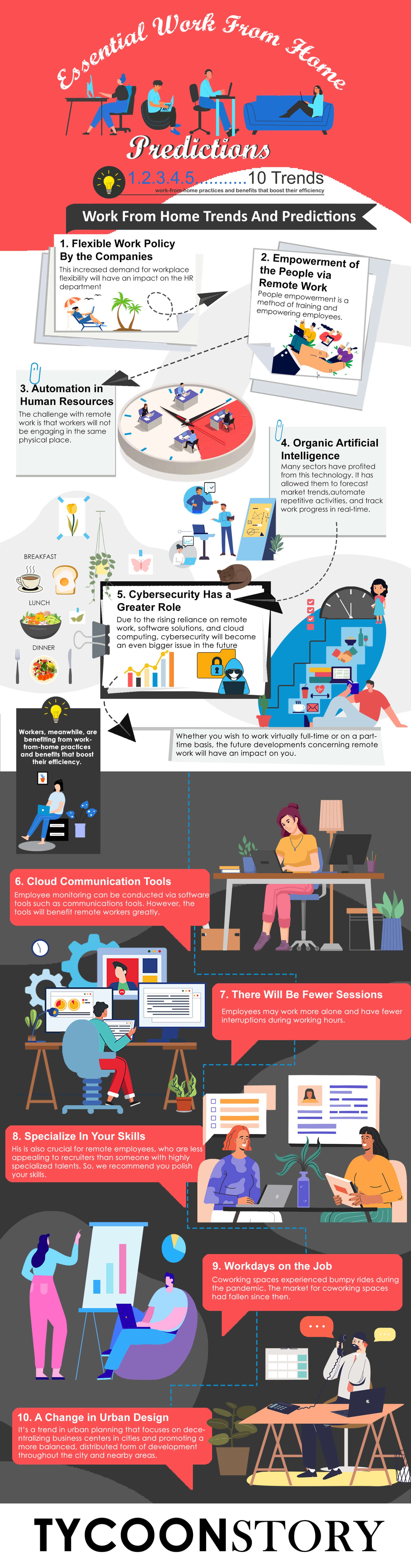
The landscape of working from home and telecommuting has undergone a structural shift, moving from an emergency accommodation to a permanent, diversified component of the global labor market. Organizations and employees now navigate a...
The landscape of working from home and telecommuting has undergone a structural shift, moving from an emergency accommodation to a permanent, diversified component of the global labor market. Organizations and employees now navigate a mature ecosystem balancing remote flexibility, hybrid operational models, technological integration, and evolving labor policies.
Contents
The Evolution of Remote Work and Telecommuting
The modern iteration of working from home is far removed from the rudimentary dial-up connections and sporadic remote days of the late 20th century. Telecommuting began as a niche option championed by environmental initiatives and early telecommunications advancements. Over the decades, high-speed broadband penetration, cloud computing infrastructure, and collaborative software transformed telecommuting from an occasional perk into a scalable enterprise strategy.
By the early 2020s, global disruptions forced organizations to adopt remote work models at an unprecedented scale. This mass experiment proved that knowledge-based tasks could be executed outside centralized corporate offices without a total collapse in productivity. As enterprises stabilized their operations, the initial panic-driven policies matured into deliberate frameworks. Leadership teams realized that location-independent operations could expand talent pools, reduce corporate real estate overhead, and improve employee retention metrics.
However, this rapid evolution also introduced friction. The sudden removal of physical boundaries blurred the line between professional and personal life, sparking discussions regarding digital exhaustion and the right to disconnect. Consequently, the trajectory of remote work shifted from a binary choice—either fully remote or fully in-office—to a spectrum of hybrid configurations. Employers and employees alike continue to refine these models to optimize collaboration, innovation, and well-being.
Core Telecommuting Models in Modern Operations
Organizations no longer rely on a one-size-fits-all approach to telecommuting. Instead, human resource departments deploy structured frameworks tailored to specific industry requirements, job functions, and geographical footprints.
| Modern Telecommuting Models | |
|---|---|
| Fully Remote | 100% off-site work with global or national distributed teams. |
| Hybrid (Fixed) | Mandatory split between office days and home days (e.g., 3 days in, 2 days out). |
| Hybrid (Flex) | Employee-led or project-dependent schedule with minimal mandatory office presence. |
| Hot-Desking/Co-W. | Distributed satellite offices or local shared spaces utilized on demand. |
Fully Remote Organizations
Fully remote companies operate without a centralized corporate headquarters, relying entirely on distributed workforces. These entities often recruit globally, allowing them to access specialized talent pools regardless of geographic constraints. Operational success in fully remote environments depends on asynchronous communication protocols, meticulous documentation, and robust cloud-based security infrastructures.
Hybrid Arrangements
Hybrid models represent the most common compromise between employers and employees. Under a fixed hybrid policy, team members are required to report to a physical office on designated days—typically Tuesdays, Wednesdays, and Thursdays—while working remotely on Mondays and Fridays. Flexible hybrid models allow teams to determine their office presence based on project milestones, collaborative brainstorming sessions, or client-facing requirements.
Satellite Offices and Coworking Spaces
To mitigate the isolation of home offices while avoiding long commutes to central headquarters, many enterprises utilize localized coworking spaces or regional satellite hubs. These environments provide professional infrastructure, meeting rooms, and networking opportunities without necessitating a permanent return to a sprawling downtown corporate campus.
Technological Infrastructure Supporting Remote Work
The sustainability of modern telecommuting relies on a sophisticated stack of digital tools. Without reliable hardware, secure networks, and intuitive collaboration platforms, distributed operations would quickly stall.
Collaboration and Communication Suites
Unified communications-as-a-service (UCaaS) platforms form the digital backbone of remote teams. Tools that integrate instant messaging, video conferencing, file sharing, and project management into a single interface allow teams to maintain operational cadence. Asynchronous communication tools have gained prominence, reducing the reliance on constant video meetings and allowing workers across different time zones to contribute without disruption.
Cybersecurity and Endpoint Protection
Shifting corporate data from secure on-premise servers to decentralized home networks expanded the corporate attack surface. Organizations must implement zero-trust security architectures, multi-factor authentication (MFA), virtual private networks (VPNs), and advanced endpoint detection and response (EDR) tools. Employees working from home are trained to recognize phishing attempts, secure their home Wi-Fi networks, and handle sensitive data in compliance with regulatory frameworks such as GDPR or HIPAA.
Economic and Organizational Impact
The widespread adoption of remote work and telecommuting has far-reaching economic consequences that extend beyond individual corporate balance sheets.
Real Estate and Commercial Markets
The contraction of office footprints has altered commercial real estate markets in major metropolitan areas. Many corporations have downsized their headquarters, sub-leased excess floor space, or converted traditional offices into collaborative innovation hubs. Conversely, suburban and rural real estate markets experienced surges in demand as workers sought larger living spaces equipped with dedicated home offices.
Talent Acquisition and Retention
Geographic flexibility has fundamentally altered the recruitment landscape. Employers can source candidates from a national or international talent pool, increasing diversity and access to specialized technical skills. For employees, the elimination of daily commuting time and expenses translates into significant financial and personal time savings, making remote flexibility a primary factor in job satisfaction and retention.
Productivity Metrics and Management Shifts
Early skepticism regarding remote worker productivity has largely given way to data-driven performance management. Studies and corporate observations indicate that individual contributor productivity often remains stable or increases in remote settings due to fewer office distractions. However, management styles have had to adapt from tracking physical presence (hours spent at a desk) to evaluating output, deliverables, and objective key performance indicators (KPIs).
Comparative Analysis of Work-from-Home Configurations
| Feature / Metric | Fully Remote | Fixed Hybrid | Traditional Office |
|---|---|---|---|
| Talent Reach | Global / National | Regional (Commutable) | Local |
| Real Estate Costs | Minimal / None | Reduced | High |
| Collaboration | Asynchronous / Digital | Synchronous & Digital | In-Person / Synchronous |
| Commute Time | None | Moderate (Part-time) | High (Daily) |
| Security Risk | High (Distributed endpoints) | Moderate | Controlled / Lower |
| Employee Autonomy | Very High | Moderate | Low |
Challenges and Operational Limitations
Despite its advantages, working from home presents distinct operational challenges that organizations must proactively manage to prevent burnout and disengagement.
Digital Fatigue and Proximity Bias
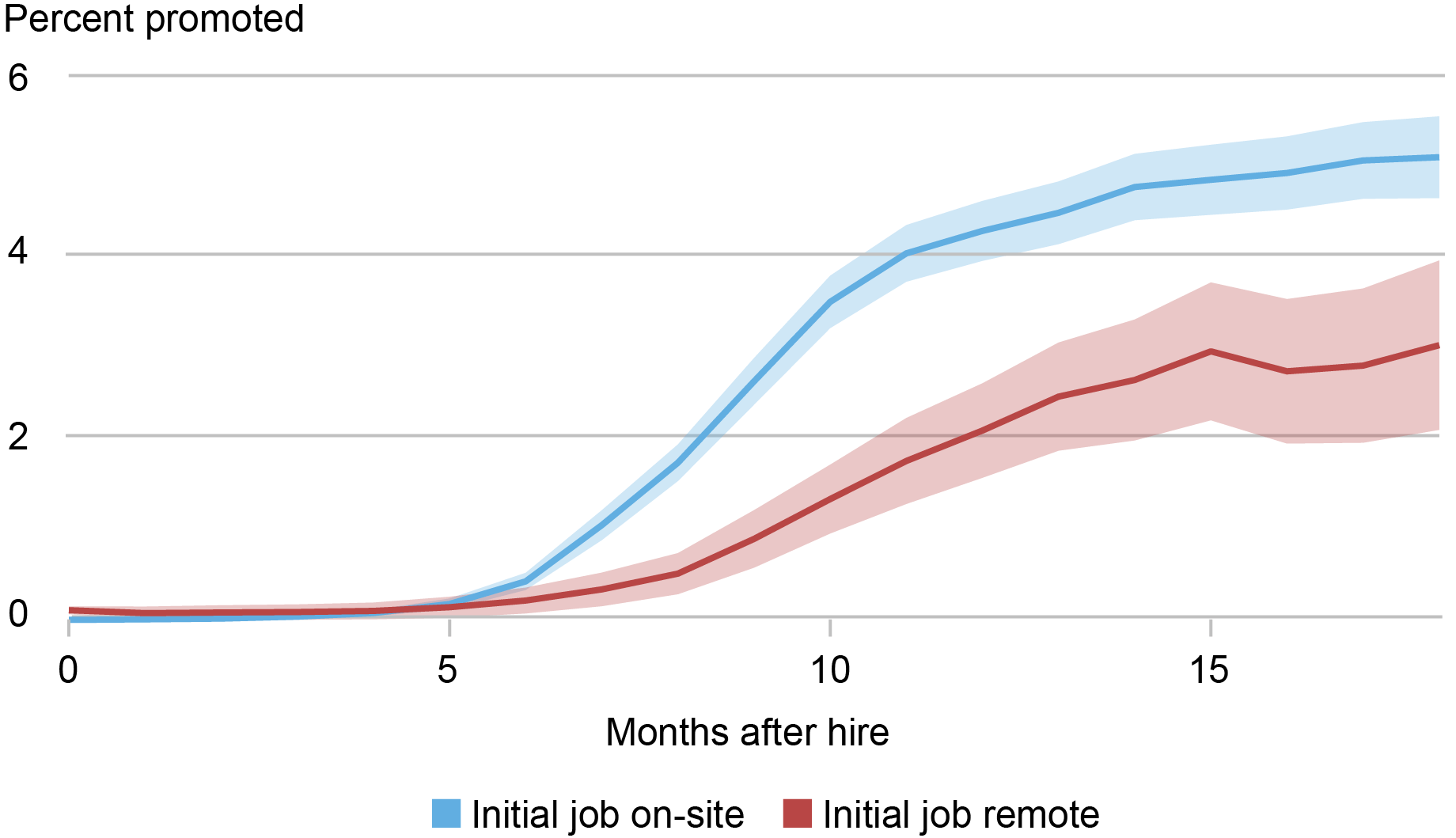
The constant connectivity enabled by modern software can lead to digital fatigue, where employees feel pressured to remain available outside standard working hours. Additionally, hybrid models frequently encounter proximity bias—a phenomenon where managers subconsciously favor employees who are physically present in the office for promotions, high-profile projects, and mentoring opportunities.
Isolation and Cultural Cohesion
Maintaining corporate culture across distributed teams requires deliberate effort. Spontaneous hallway conversations, organic mentorship, and informal networking do not occur naturally in a digital environment. Without intentional virtual team-building and structured communication channels, remote workers can experience professional isolation and a weakened connection to the organization's overarching mission.
Regulatory and Compliance Complexities
When employees telecommute across state or international borders, complex legal and tax implications arise. Employers must navigate varying labor laws, statutory tax withholdings, permanent establishment risks, and local workers' compensation requirements. Ensuring compliance across multiple jurisdictions often requires specialized legal and human resources consultation.
Frequently Asked Questions
What are the primary legal considerations when hiring remote employees across state lines?
Employing remote workers in different states or countries obligates companies to comply with local labor laws, minimum wage standards, paid leave mandates, and tax withholding regulations. Employers often utilize employer of record (EOR) services or establish local legal entities to manage cross-border compliance properly.
How do companies measure productivity in a remote work environment?
Organizations transition away from tracking hours worked toward objective output metrics, project completion milestones, and key performance indicators (KPIs). Regular check-ins, transparent goal-setting frameworks, and asynchronous progress-tracking software help managers evaluate performance accurately without micromanagement.
What cybersecurity measures are essential for home offices?
Essential security protocols include mandatory multi-factor authentication (MFA), enterprise-grade virtual private networks (VPNs), encrypted hard drives, regular software updates, and adherence to company-approved cloud storage solutions. Home networks should also be secured with strong administrator passwords and isolated guest networks.
Can hybrid work models negatively impact career advancement?
Proximity bias can occasionally lead to remote or hybrid workers being overlooked for advancement compared to office-centric peers. To mitigate this, progressive organizations implement transparent evaluation criteria, ensure remote workers have equal access to high-visibility projects, and train leadership in equitable performance assessment.
What equipment and expenses are typically covered by employers for remote staff?
Standard corporate policy often dictates that employers provide necessary hardware—such as laptops, monitors, keyboards, and secure mice—along with software licenses. Some jurisdictions or corporate policies also offer stipends to offset home internet costs and ergonomic furniture purchases, though requirements vary significantly by region.
Practical Next Actions for Organizations and Professionals
For organizations looking to optimize their telecommuting strategies, the immediate priority should be auditing current technological infrastructure, updating cybersecurity protocols, and establishing clear written policies regarding hybrid schedules and asynchronous communication. Human resources teams must train managers to evaluate performance based on outcomes rather than physical presence.
For individual professionals, success in a remote or hybrid environment requires establishing clear physical and temporal boundaries between work and personal life, investing in an ergonomic workspace, and proactively communicating project progress to leadership. By balancing flexibility with structured accountability, both employers and employees can maximize the long-term sustainability of telecommuting.
Image Gallery