Understanding Life Insurance Conversion: How It Works, Costs, and Benefits
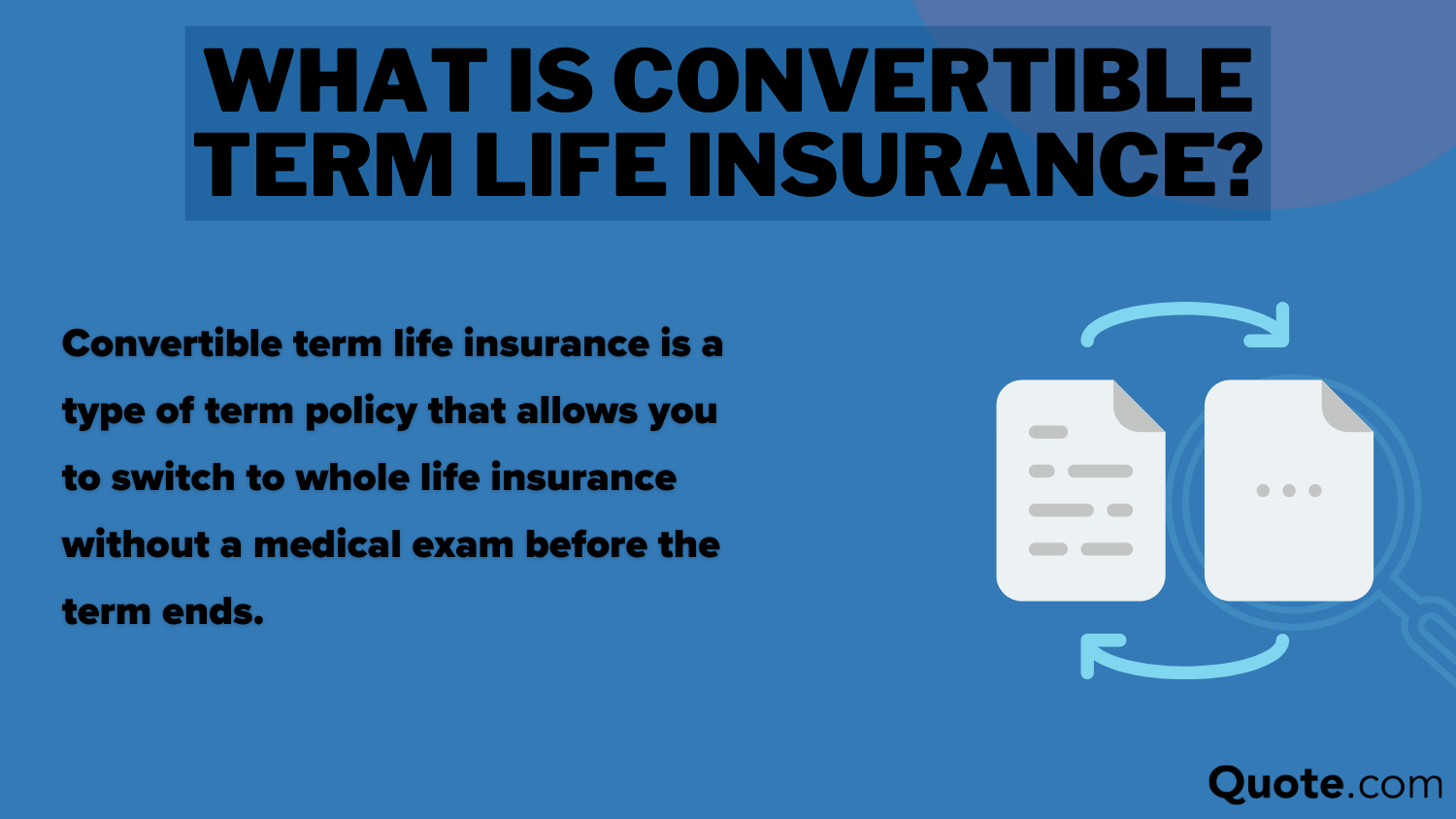
Converting life insurance means changing an existing term life insurance policy into a permanent life insurance policy, such as whole life or universal life, without taking a new medical exam or proving your current health status. This...
Converting life insurance means changing an existing term life insurance policy into a permanent life insurance policy, such as whole life or universal life, without taking a new medical exam or proving your current health status. This process preserves your coverage regardless of any health conditions you developed after purchasing the original term policy.
Contents
Disclaimer: Life insurance policy terms, conversion privileges, and regulations vary by insurer and jurisdiction. The information provided here is for educational purposes. Consult a licensed life insurance agent or financial planner to review your specific contract details.
What Does Converting Life Insurance Mean?
When you buy a term life insurance policy, you secure coverage for a defined period—typically 10, 20, or 30 years. If you outlive that window, the policy simply expires, leaving you without a death benefit unless you renew at significantly higher rates or apply for a new contract.
Life insurance conversion is a contractual feature built into many term policies via a conversion rider or conversion privilege. This provision allows you to transfer all or a portion of your term policy's face value into a permanent life insurance policy—such as whole life or universal life—without undergoing medical underwriting.
Because permanent policies build cash value and remain active for your entire lifetime (provided premiums are paid), converting allows you to transition from temporary, low-cost protection to lifelong financial protection. Crucially, the insurance company cannot deny your application, reduce your coverage amount, or charge higher premiums based on new health conditions, provided you convert within the timeframe specified in your original policy.
- Term Policy (Temporary, low initial cost)
- Conversion Rider (No Medical Exam / Guaranteed Approval)
- Permanent Policy (Lifelong, cash value accumulation)
The Key Mechanics of Life Insurance Conversion
To make an informed decision about converting your coverage, it helps to understand how the conversion feature functions under standard insurance contracts.
1. The Right to Bypass Medical Underwriting
The primary advantage of converting is the waiver of evidence of insurability. Under standard circumstances, applying for a new life insurance policy requires health questionnaires, blood samples, paramedical exams, and a review of medical records. If you have developed diabetes, heart disease, cancer, or high blood pressure since purchasing your term policy, buying a new policy on the open market could be prohibitively expensive or impossible.
When exercising a conversion privilege, the insurer must issue the permanent policy at the same health risk classification (e.g., Preferred Best, Standard) assigned when you originally bought the term policy years prior.
2. Attained Age vs. Original Age Conversion
Insurers generally offer two methods for pricing a converted policy:
- Attained Age Conversion: Premium costs for the new permanent policy are based on your age at the exact time of conversion. Because permanent insurance is inherently more expensive than term, and because you are older than when you first bought the policy, your new premium will be higher. This is the most common conversion method.
- Original Age Conversion: The new permanent policy is priced based on your age when you originally purchased the term policy. While this results in lower ongoing monthly or annual premiums, you must pay a lump-sum adjustment up front. This payment covers the difference in reserve values and accumulated cash value back to the term policy's original start date, plus interest.
3. Partial vs. Full Conversions
You are not always required to convert the full face amount of your term policy. Most insurance contracts permit partial conversions. For example, if you hold a $1,000,000 term policy, you might convert $250,000 into a permanent whole life policy to handle final expenses and estate liquidity, while leaving the remaining $750,000 as term coverage until it expires or is converted later. Insurers typically set a minimum conversion threshold (such as $25,000 or $50,000) for partial conversions.
4. Strict Conversion Deadlines
A conversion privilege is not valid indefinitely. Contracts include specific conversion windows dictated by two main rules:
- Policy Duration Limits: The right to convert may expire before the term period ends. For instance, a 20-year term policy might restrict conversion to the first 10 or 15 years.
- Maximum Age Limits: Most policies state that conversion privileges expire when the insured reaches a specific age—commonly age 65, 70, or 75—regardless of how many years remain on the term policy.
Missing these contract deadlines means forfeiting the right to switch without evidence of insurability.
Comparing Options: Term, Converted Permanent, and New Permanent Policies
Evaluating whether to convert requires comparing your existing term coverage against a converted permanent policy and a newly underwritten permanent policy.
| Feature | Term Life Insurance | Converted Permanent Policy | New Permanent Policy |
|---|---|---|---|
| Duration of Coverage | Temporary (10–30 years) | Lifelong (until death or maturity) | Lifelong (until death or maturity) |
| Medical Exam Required? | Only at initial purchase | No (Guaranteed conversion) | Yes (Full medical underwriting) |
| Health Rating Used | Original risk class | Original risk class preserved | Current health status |
| Premium Cost Level | Lowest initial premium | Higher (based on attained age) | Variable (depends on current health) |
| Cash Value Accumulation | None | Yes (Builds tax-deferred equity) | Yes (Builds tax-deferred equity) |
| Conversion Deadline | N/A | Must convert before policy limit/age limit | N/A |
Why Convert a Policy? Common Strategic Reasons
Converting life insurance shifts your financial strategy from basic income replacement to permanent planning. Several common triggers prompt policyholders to initiate a conversion.
Changes in Personal Health
If you receive a major medical diagnosis—such as cardiovascular illness, autoimmune disorders, or chronic conditions—securing affordable individual coverage on the commercial market becomes difficult. Converting your term policy protects your insurability, locking in permanent coverage regardless of worsening health.
Lifelong Financial Dependents
Standard term life insurance works well for temporary liabilities, such as a 30-year mortgage or raising children until adulthood. However, if you have a child with special needs, a spouse requiring long-term care support, or family members dependent on your ongoing assistance, your need for life insurance extends beyond the expiration of a traditional term policy.
Estate Planning and Wealth Transfer
Permanent policies generate a guaranteed death benefit that can provide liquidity for estate taxes, equalize inheritances among heirs, or fund irrevocable life insurance trusts (ILITs). Because life insurance death benefits are generally received income-tax-free by beneficiaries under Internal Revenue Code Section 101(a), permanent insurance serves as an efficient vehicle for transferring wealth across generations.
Cash Value Accumulation and Living Benefits
Permanent policies—such as Whole Life or Universal Life—include a savings component known as cash value. A portion of each premium payment accumulates on a tax-deferred basis. Policyholders can borrow against this cash value via tax-free policy loans or use withdrawals to supplement retirement income, cover emergency expenses, or pay future policy premiums.
The Financial Costs of Policy Conversion
While converting life insurance secures guaranteed lifetime coverage, it requires clear financial planning. Moving from term to permanent insurance represents a major shift in premium costs.
Premium Spikes
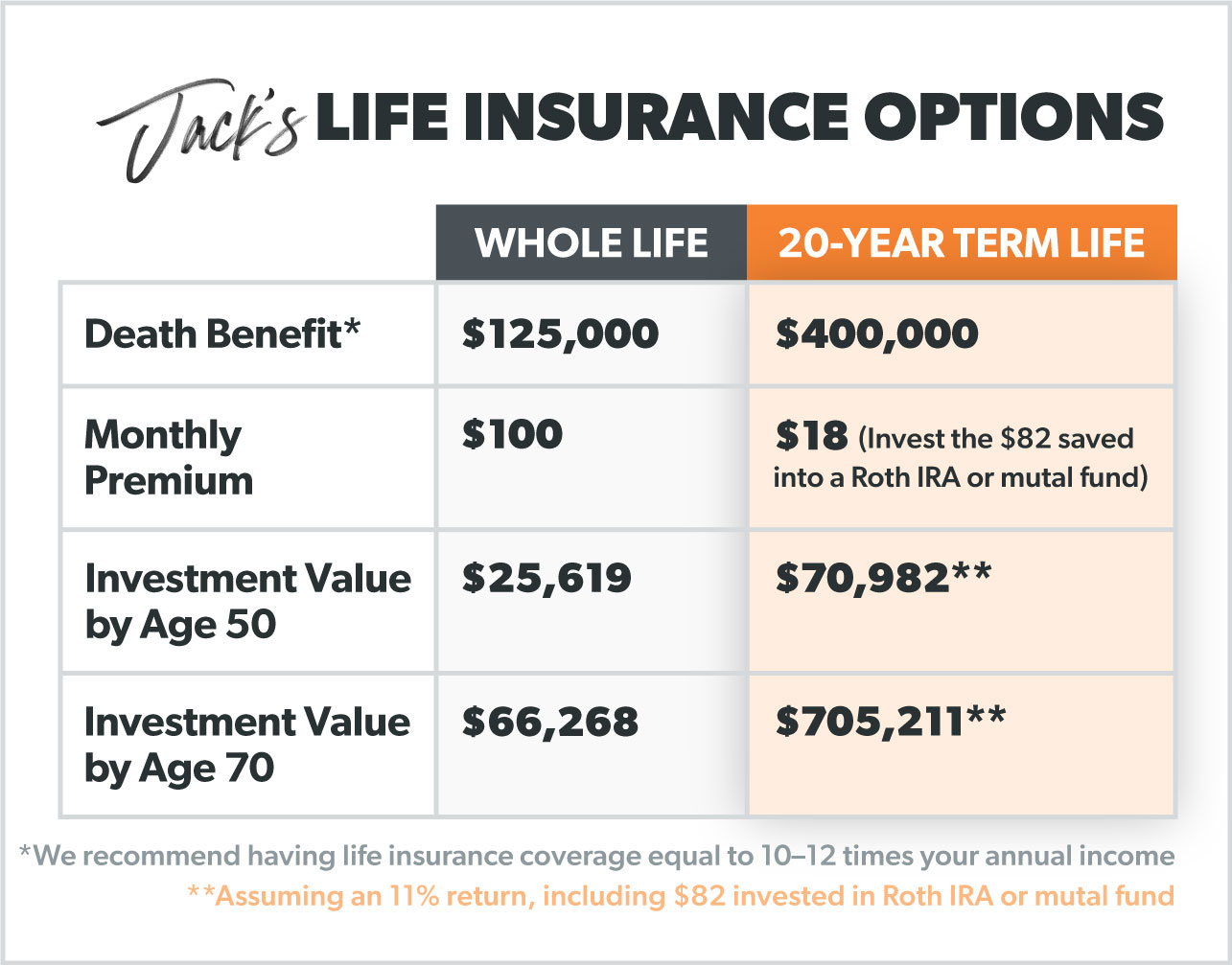
Term life insurance premiums are low because the insurer only pays out if the policyholder dies within the limited term window. Statistically, the vast majority of term policies expire without a claim. In contrast, permanent insurance is structured to guarantee a payout as long as premiums are maintained. Furthermore, permanent policies fund the internal cash accumulation account and cover higher administrative expenses.
As a result, converting a term policy to a permanent contract usually increases annual premium costs by 400% to 1,000% or more for the same death benefit amount, depending on your age at the time of conversion.
Estimated Annual Cost Comparison (Illustrative Purpose Only):
- $500,000 Term Life (Age 35 start): ~$350 / year
- $500,000 Converted Whole Life (Age 50): ~$4,500 - $6,500 / year
Conversion Credits
To encourage policyholders to keep their coverage with the same carrier, many life insurance companies offer conversion credits. These credits apply a percentage of the premiums you paid on your term policy toward the first-year premium of your new permanent policy. These credits are usually time-sensitive—for example, available only if you convert within the first five policy years.
How to Convert Your Life Insurance Policy: Step-by-Step
Converting a policy is straightforward because it bypasses medical exams. However, completing the transition correctly requires following specific steps.
- Step 1: Contract Audit
- Step 2: Request Illustrations
- Step 3: Choose Full vs. Partial
- Step 4: Submit Application
- Step 5: Premium Setup
Step 1: Audit Your Current Policy Contract
Review your policy documents or contact your insurer to locate your contract's conversion rider. Confirm:
- The conversion expiration date (e.g., age 65 or year 15 of the policy).
- Eligible permanent products (some companies restrict conversions to specific whole life or universal life products).
- Minimum conversion face amounts.
Step 2: Request Policy Illustrations
Ask your insurance agent or carrier for policy illustrations for the available permanent products. An illustration projects future cash values, guaranteed and non-guaranteed interest rates, dividend assumptions, and annual premium schedules at your current age.
Step 3: Determine Coverage Amount (Full vs. Partial)
Evaluate your current budget and long-term needs. If a full conversion of your term policy's face amount is too expensive, calculate a partial conversion that aligns with your household budget while meeting your baseline permanent coverage goals.
Step 4: Submit the Conversion Application
Complete the insurer's standardized conversion form. This application asks for administrative details, beneficiary designations, ownership structures, and policy choices. Because medical underwriting is waived, you will not need to answer health questions or schedule a paramedical exam.
Step 5: Establish Premium Payment Logistics
Set up your automatic payment schedule for the new permanent policy. If you performed a partial conversion, confirm that your remaining term policy balance is adjusted correctly and that its lower premium is billed accurately.
When Conversion May Not Be the Best Option
While conversion privileges provide valuable flexibility, converting is not ideal for every policyholder.
- You Are Still in Excellent Health: If your health remains top-tier, applying for a new policy (with fresh medical underwriting) may yield lower rates than converting an existing policy based on your original health tier at your current age.
- Temporary Need Has Ended: If your mortgage is paid off, your children are financially independent, and you have accumulated sufficient personal retirement assets, your underlying need for life insurance may have ended. Continuing to pay high permanent premiums may be unnecessary.
- Budget Constraints: Converting to a permanent policy that you later drop due to high costs can be a poor financial decision. If high premiums cause the policy to lapse in its early years, you risk losing both your coverage and the money paid toward premiums before meaningful cash value accumulates.
Frequently Asked Questions
Can an insurance company deny my request to convert?
No, provided you submit the request before the contractual conversion deadline specified in your original policy and maintain your term premiums in good standing. The conversion privilege guarantees approval without health questions or physical exams.
What is the difference between whole life and universal life conversion?
When converting, carriers generally offer options for whole life or universal life:
- Whole Life offers fixed premiums, guaranteed cash value growth rates, and a guaranteed death benefit.
- Universal Life offers flexible premium payments, adjustable death benefits, and cash value growth linked to current interest rates or market indexes (such as Index Universal Life).
Can I convert a group term life policy from my employer?
Many employer-sponsored group term life insurance policies include a portability or conversion option when you leave a job. However, group conversion rules are subject to strict deadlines—often requiring action within 31 days of termination—and premium rates for individual group conversions can be higher than standard private term conversions.
Does converted life insurance build cash value immediately?
Cash value growth begins as premiums are paid into the permanent policy, but significant equity takes time to accumulate. In early policy years, a substantial portion of your premium covers administrative costs, policy fees, and insurance charges. Review your policy illustration to see the exact timeline for cash value growth.
What happens to my old term policy after I convert?
If you execute a full conversion, your original term policy closes and is replaced by the permanent contract. If you complete a partial conversion, your term policy continues for the remaining unconverted balance, provided you meet the carrier's minimum face value guidelines for term contracts.
Practical Next Actions
If you are considering converting your life insurance policy, start by locating your original insurance contract and identifying its conversion deadline. Contact your life insurance company or a licensed financial advisor to request permanent policy illustrations at your current age.
Comparing these illustrations against your current financial plan, health profile, and long-term estate goals will clarify whether a full conversion, a partial conversion, or maintaining your existing term policy best supports your long-term security.
Image Gallery