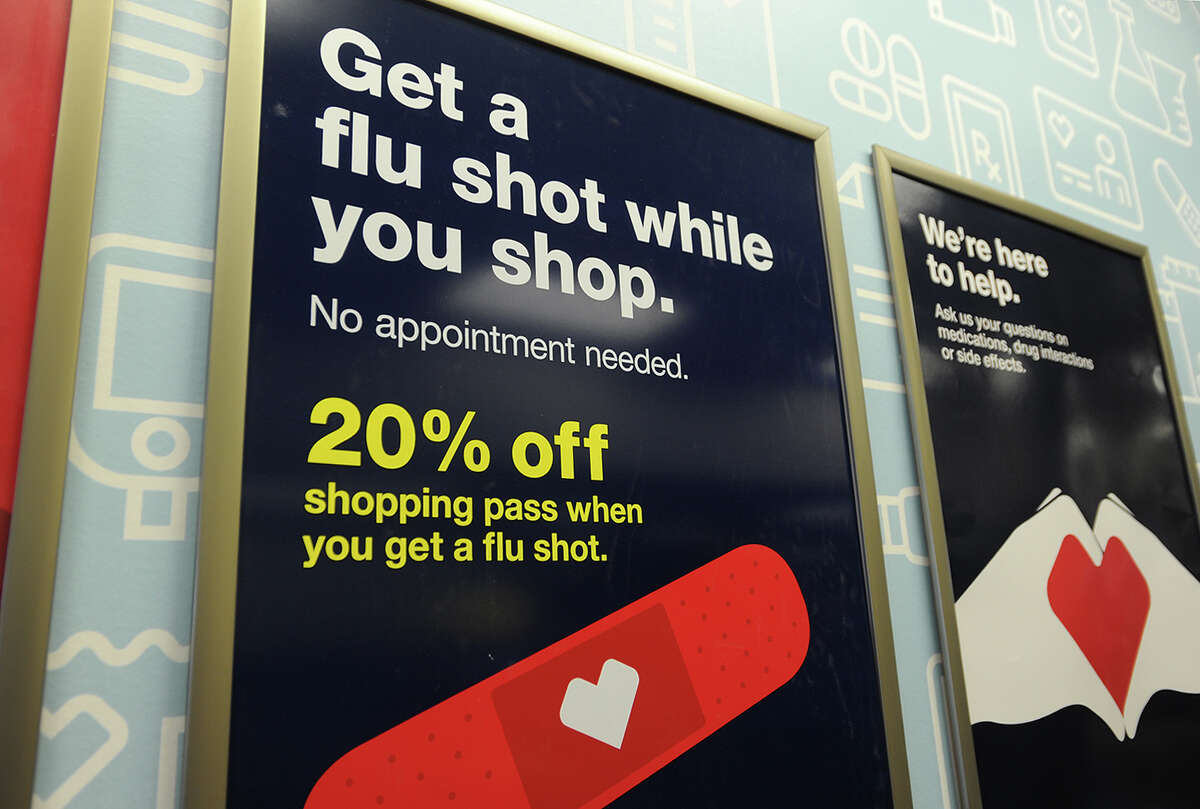
Flu Shot Prices at CVS: 2026 Cost Breakdown, Insurance Coverage, and Out-of-Pocket Options
Getting your annual influenza vaccine at CVS is a convenient choice, with standard quadrivalent and high-dose formulations typically ranging from $50 to over $100 out-of-pocket for uninsured individuals, though most commercial health i...
Getting your annual influenza vaccine at CVS is a convenient choice, with standard quadrivalent and high-dose formulations typically ranging from $50 to over $100 out-of-pocket for uninsured individuals, though most commercial health insurance plans, Medicare Part B, and Medicaid cover the total cost at zero copay. Understanding your financial responsibility requires evaluating your specific insurance status, the type of vaccine formulation required for your age group, and available discount programs.
Contents
Understanding CVS Pharmacy Immunization Pricing Structures
Navigating vaccine pricing at retail pharmacies requires understanding how costs are categorized based on product type, insurance contracts, and administration fees. CVS Health administers immunizations through MinuteClinic locations as well as front-store pharmacy counters. While the retail cash price for a standard seasonal flu shot typically hovers around $75 to $90, specialized formulations carry higher price tags due to manufacturing complexity and higher antigen content.
When paying out-of-pocket, patients should expect to cover both the cost of the biological product and a professional administration fee, though many retail pharmacies bundle these charges into a single flat cash rate. Prices can fluctuate slightly depending on state-specific regulations regarding pharmacist-administered vaccinations and local market dynamics.
Standard Quadrivalent vs. Specialized High-Dose Formulations
Not all flu shots are priced identically. The manufacturing process and targeted demographic groups dictate which vaccine version you receive, directly impacting the final out-of-pocket expense.
- Standard Quadrivalent Influenza Vaccine: Designed for individuals aged 6 months through 64 years, protecting against four distinct influenza strains. This is the most widely stocked option and features the lowest baseline retail price.
- High-Dose Quadrivalent Vaccine (e.g., Fluzone High-Dose): Specifically formulated for adults aged 65 and older, containing four times the antigen dose of a standard shot to induce a stronger immune response in aging immune systems. This option carries a significantly higher cash price.
- Adjuvanted Influenza Vaccine (e.g., Fluad): Another specialized high-potency option designed for seniors, utilizing an immune-boosting additive (adjuvant) rather than strictly quadrupled antigen volume.
- Cell-Based or Recombinant Vaccines (e.g., Flublok): Manufactured without using chicken eggs, making them suitable for individuals with severe egg allergies. These premium formulations generally cost more than standard egg-based quadrivalent shots.
| Vaccine Category | Target Demographic | Approximate CVS Retail Cash Price | Insurance / Medicare Status |
|---|---|---|---|
| Standard Quadrivalent | Ages 6 months – 64 years | $75.00 – $90.00 | Usually $0 copay with commercial plans |
| High-Dose Quadrivalent | Ages 65 and older | $115.00 – $140.00 | Fully covered by Medicare Part B |
| Adjuvanted Quadrivalent | Ages 65 and older | $110.00 – $135.00 | Fully covered by Medicare Part B |
| Recombinant (Egg-Free) | Ages 18 and older | $100.00 – $125.00 | Varies by commercial formulary |
Insurance Coverage and Financial Assistance Options
For the vast majority of patients, the out-of-pocket price at CVS is $0. Under the Affordable Care Act (ACA), non-grandfathered commercial health insurance plans are legally mandated to cover advisory-recommended preventative services—including annual influenza immunizations—without cost-sharing when administered by an in-network provider or pharmacy.
Medicare, Medicaid, and Commercial Plan Rules
Before scheduling your appointment at CVS, verifying your specific network alignment prevents unexpected billing issues.
- Medicare Part B: Original Medicare covers the seasonal flu shot at 100% with no deductible or copay, provided the administering provider accepts Medicare assignment. CVS pharmacies widely accept Medicare Part B for immunizations. You must present your red, white, and blue Medicare card at the pharmacy counter.
- Medicare Advantage (Part C): Private Medicare plans must offer the same baseline preventive benefits as Original Medicare. Most major Medicare Advantage plans contract with CVS, allowing for zero-copay flu shots, but it is wise to confirm network participation prior to arrival.
- Medicaid: State Medicaid programs vary regarding pharmacy-administered immunizations. While most states cover flu shots at retail pharmacies for adult beneficiaries, coverage rules and prior authorization requirements differ by state.
- Commercial and Employer-Sponsored Insurance: Major health insurance carriers (such as Aetna, UnitedHealthcare, Blue Cross Blue Shield, and Cigna) maintain direct billing agreements with CVS Pharmacy. Bringing your physical or digital insurance card ensures the pharmacist can process the claim instantly.
Insurance Verification Best Practices
Always bring your primary health insurance card and a government-issued photo ID to your CVS appointment. If you hold multiple insurance policies, inform the pharmacy technician of your primary payer to avoid claim rejections and ensure proper coordination of benefits.
Step-by-Step Guide to Getting a Flu Shot at CVS
Securing your vaccination efficiently at CVS involves a straightforward process, whether you walk in or schedule ahead. Planning your visit correctly minimizes wait times and ensures administrative accuracy.
- Review Your Eligibility and Insurance: Check your insurance portal or call the number on the back of your card to confirm that CVS Pharmacy is an in-network immunization provider for your specific plan.
- Choose Your Location: Decide whether you prefer visiting a standard CVS Pharmacy counter or a MinuteClinic inside a CVS store. MinuteClinics can vaccinate younger children (typically starting at 18 months or younger depending on state laws), while standard pharmacy counters usually serve older children and adults.
- Schedule an Appointment Online or Walk In: Visit the CVS website or use the CVS mobile app to book an appointment slot. This step reduces wait times, though walk-ins are routinely accepted based on daily vaccine supply and pharmacist availability.
- Complete Pre-Vaccination Paperwork: Fill out the digital or paper questionnaire detailing your current health status, allergy history, and previous adverse reactions to vaccines.
- Receive the Administration: A certified immunizing pharmacist or nurse practitioner will administer the vaccine subcutaneously or intramuscularly, typically in the deltoid muscle of the upper arm.
- Observation Period: Remain near the pharmacy or clinic area for 15 minutes post-vaccination as a standard safety precaution to monitor for rare acute allergic reactions.
Comparison: CVS vs. Alternative Vaccination Providers
When evaluating where to receive your annual immunization, CVS competes directly with primary care offices, local health departments, and other major retail chains. Examining the structural trade-offs helps determine the optimal venue for your healthcare needs.
- CVS Pharmacy & MinuteClinic: Offers high accessibility, evening and weekend operating hours, and streamlined digital scheduling. Ideal for busy working adults and families seeking quick convenience.
- Primary Care Physician: Best for patients with complex medical histories, severe chronic conditions, or those who prefer comprehensive medical oversight integrated directly into their longitudinal health records. However, scheduling delays can be a drawback.
- Local Public Health Departments: Frequently offer low-cost or sliding-scale cash pricing for uninsured or underinsured populations. Vaccine availability may fluctuate based on municipal supply allocations.
- Competitor Retail Pharmacies (Walgreens, Rite Aid, Kroger): Pricing structures, insurance acceptance networks, and operational workflows closely mirror CVS, making proximity the primary deciding factor.
Common Mistakes to Avoid When Paying for a Flu Shot
Navigating retail pharmacy billing can occasionally result in unexpected out-of-pocket charges if specific pitfalls are not proactively avoided.
- Failing to Update Insurance Information: Presenting an expired insurance card or failing to notify the pharmacy of a recent job or policy change frequently leads to claim denials and cash-price billing.
- Assuming All Formulations are Covered: While standard quadrivalent shots are universally mandated for $0 coverage under compliant plans, specialized high-dose or recombinant formulas requested outside standard age guidelines may trigger coverage exclusions or prior authorization requirements.
- Neglecting Out-of-Network Penalties: Visiting a CVS inside a Target or standalone store that falls outside your specific narrow network or HMO tier can result in the claim being rejected, forcing you to pay the full cash price out-of-pocket.
- Not Asking About Discount Programs: If you lack insurance, failing to check for manufacturer discount cards, employer wellness vouchers, or community health event vouchers can cause you to overpay at the cash register.
Frequently Asked Questions
How much does a flu shot cost at CVS without insurance?
Without insurance, a standard quadrivalent flu shot at CVS typically costs between $75 and $90, while specialized high-dose formulations for seniors range from $115 to $140. These cash prices include both the biological vaccine product and the professional administration fee charged by the pharmacist.
Does Medicare cover flu shots at CVS?
Yes, Original Medicare (Part B) and most Medicare Advantage plans cover the seasonal flu shot at 100% with no deductible or copay when administered by an in-network provider like CVS Pharmacy. You must present your Medicare card at the time of service.
Can children get a flu shot at CVS?
Age restrictions for getting a vaccine at CVS vary significantly by state law and location type. Standard retail pharmacy counters often have age minimums (such as 3 years or older), whereas CVS MinuteClinic locations can frequently vaccinate younger children starting at 18 months.
Do I need an appointment to get a flu shot at CVS?
Appointments are not strictly mandatory, and CVS welcomes walk-in patients based on daily vaccine supply and pharmacist availability. However, booking an appointment online or through the CVS app guarantees your spot and significantly reduces your wait time.
Are there any side effects after getting a flu shot at CVS?
Common side effects include mild soreness, redness, or swelling at the injection site, along with low-grade fever, headache, or muscle aches. These symptoms are normal signs that your immune system is responding to the vaccine and typically resolve within one to two days.
What should I bring to my CVS flu shot appointment?
You should bring a government-issued photo ID, your primary health insurance card (or Medicare/Medicaid card), and a completed or blank vaccine consent form. If you are paying cash, bring a valid credit card or alternative payment method accepted by CVS.
Practical Recommendations for Your Vaccination Plan
Securing your annual influenza protection efficiently requires balancing cost, convenience, and health requirements. If you carry commercial insurance or Medicare, verify your network status ahead of time to secure a $0 copay. For uninsured individuals, inquire at the pharmacy counter about available immunization discount programs or check local community health resources if retail cash prices present a financial barrier. Schedule your vaccination early in the fall season—ideally by the end of October—to ensure optimal antibody development before peak influenza circulation begins.
Image Gallery