Alpaca Antibodies: A Comprehensive Overview of VHH Technology and Clinical Applications
Alpaca antibodies, specifically the single-domain fragments known as VHH antibodies or Nanobodies, are derived from the heavy-chain only antibodies (HCAbs) naturally occurring in camelids. These proteins offer a unique combination of s...
Alpaca antibodies, specifically the single-domain fragments known as VHH antibodies or Nanobodies, are derived from the heavy-chain only antibodies (HCAbs) naturally occurring in camelids. These proteins offer a unique combination of small molecular size (15 kDa), high thermal stability, and the ability to bind hidden or "cryptic" epitopes that are inaccessible to conventional antibodies. As of 2026, they have become a cornerstone of targeted drug delivery, next-generation diagnostics, and modular therapeutic engineering.
Contents
Structural Characteristics and the VHH Domain
The fundamental difference between conventional mammalian antibodies and those found in alpacas lies in their architecture. Traditional Immunoglobulin G (IgG) consists of two heavy chains and two light chains, requiring the cooperation of both to form an antigen-binding site. In contrast, alpacas produce specialized antibodies that completely lack light chains.
The antigen-binding fragment of these heavy-chain only antibodies is a single monomeric variable domain, referred to as VHH. Measuring approximately 2.5 nm in diameter and 4 nm in length, the VHH domain is the smallest naturally occurring antigen-binding unit. Despite its size, it possesses three hypervariable loops, known as Complementarity-Determining Regions (CDRs).
A defining feature of the alpaca VHH is the CDR3 loop, which is significantly longer than its human or murine counterparts. This elongated loop can form finger-like projections that penetrate deep into the active sites of enzymes or the clefts of G-protein coupled receptors (GPCRs). These sites are often "cryptic," meaning they are physically shielded from the bulky, flat binding surfaces of standard 150 kDa IgG antibodies.
The Production Pipeline: From Immunization to Phage Display
Generating high-affinity alpaca antibodies is a multi-step process that bridges traditional animal immunization with modern molecular biology. By 2026, the workflow has been highly optimized for speed and specificity.
1. Immunization and Immune Response
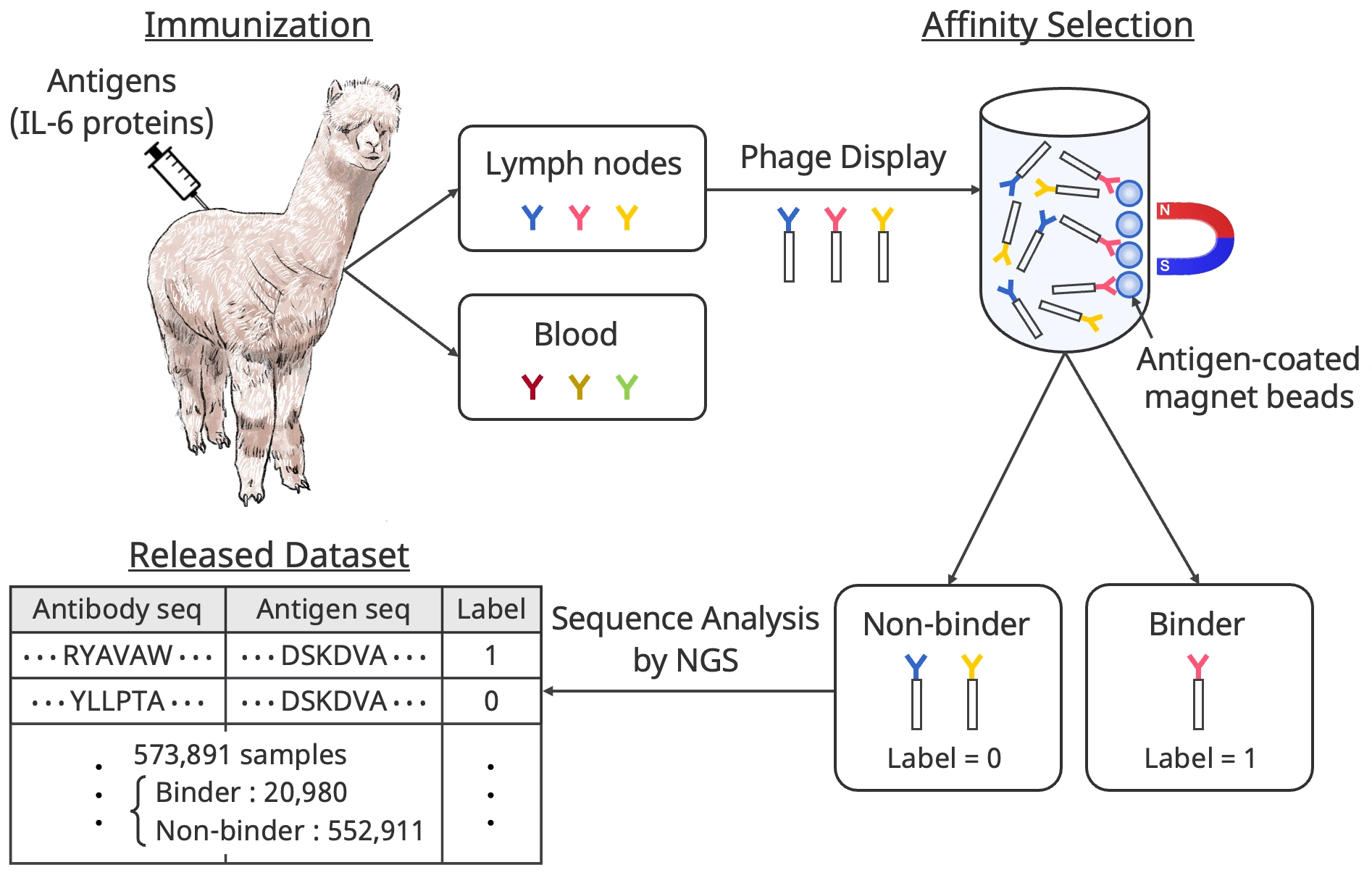
The process begins by injecting a target antigen—such as a recombinant protein, virus-like particle, or whole cell—into an alpaca. Over several weeks, the alpaca’s immune system undergoes somatic hypermutation and clonal selection. During this period, the animal produces a diverse repertoire of HCAbs tailored to the antigen. Small blood samples are then taken to isolate Peripheral Blood Mononuclear Cells (PBMCs), which contain the genetic blueprints (mRNA) for these antibodies.
2. Library Construction
Total RNA is extracted from the isolated B-cells and reverse-transcribed into cDNA. Using specific primers, researchers amplify the sequences encoding the VHH domains. These sequences are then ligated into a phagemid vector, creating a "library" that represents the entire immune repertoire of the immunized alpaca. A robust library typically contains $10^7$ to $10^9$ unique VHH clones.
3. Phage Display and Biopanning
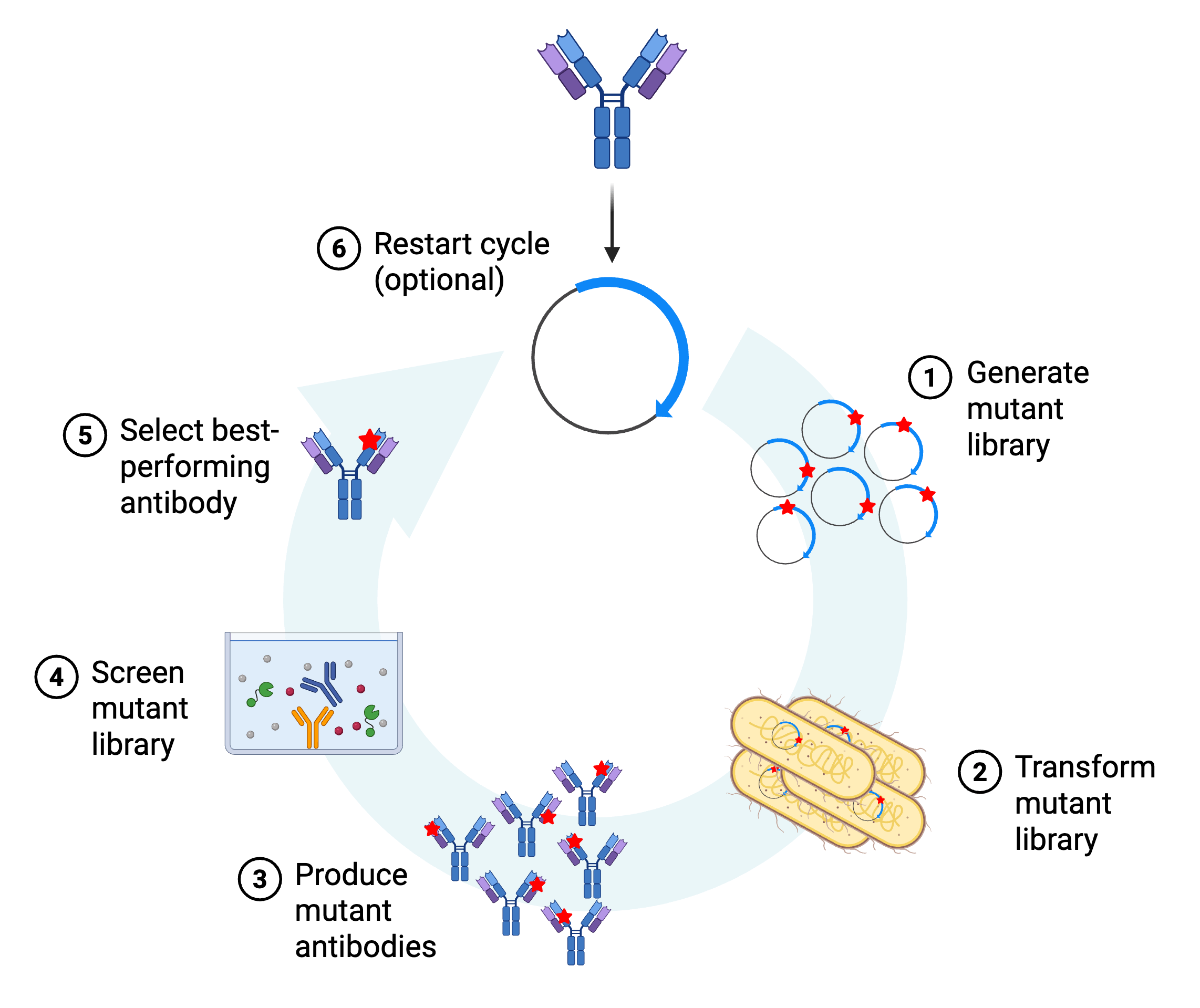
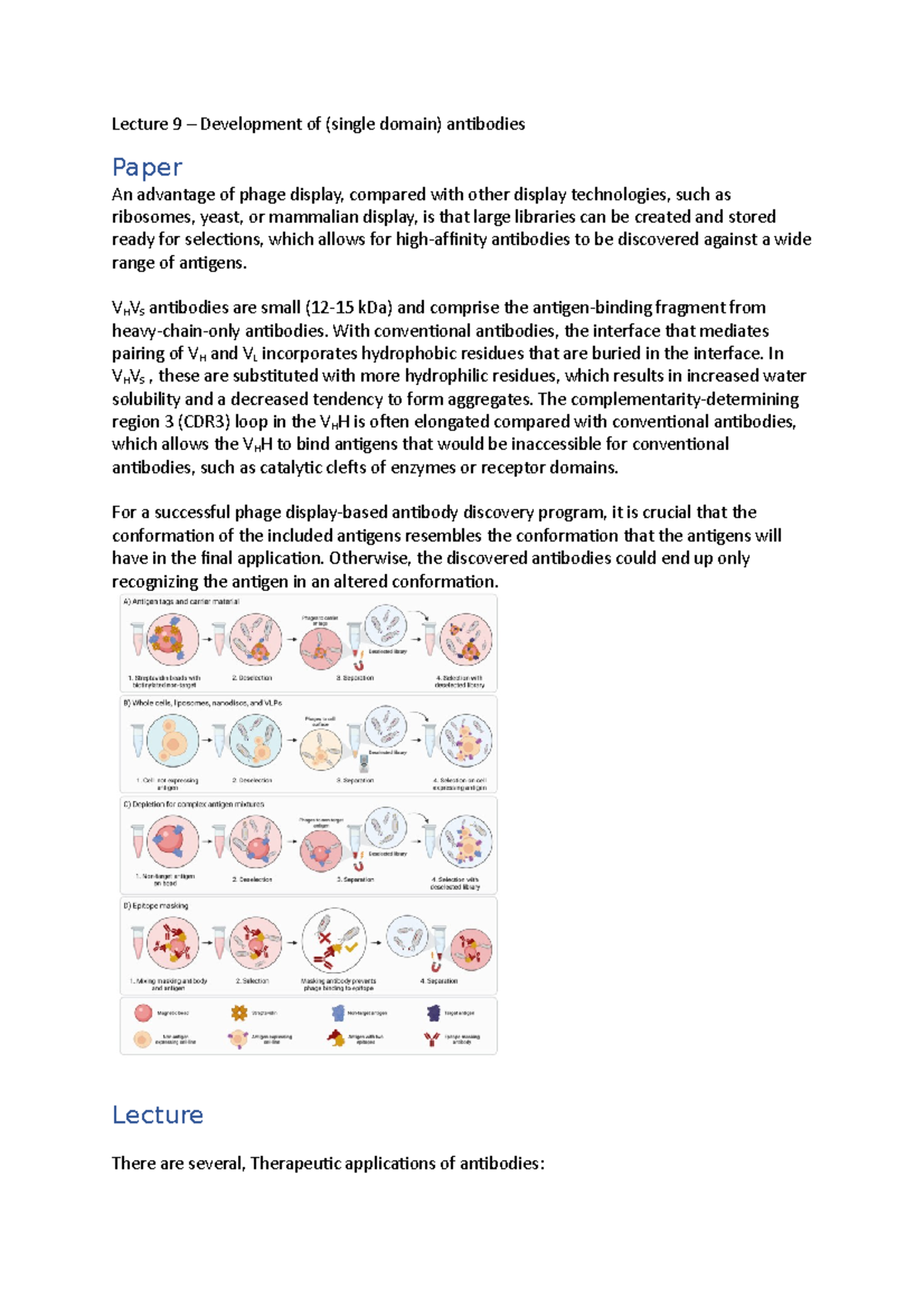
In this stage, the VHH domains are expressed on the surface of bacteriophages. This creates a physical link between the antibody protein and the DNA that encodes it. Through a process called biopanning, the phage library is exposed to the target antigen. Non-binding phages are washed away, while those with high affinity for the antigen are recovered and amplified in E. coli. After multiple rounds of selection, the most promising candidates are sequenced and produced recombinantly.
Comparative Advantages of Alpaca Nanobodies
The adoption of VHH technology over traditional monoclonal antibodies (mAbs) is driven by several distinct physical and chemical advantages. These properties make them particularly suitable for harsh environments and complex biological barriers.
| Feature | Conventional IgG | Alpaca VHH (Nanobody) |
|---|---|---|
| Molecular Weight | ~150 kDa | ~12–15 kDa |
| Stability | Sensitive to heat and pH | Highly stable; heat resistant |
| Production System | Mammalian cells (complex) | E. coli or Yeast (cost-effective) |
| Tissue Penetration | Low (large size) | High (rapid diffusion) |
| Antigen Binding | Flat surfaces | Clefts and hidden pockets |
| Solubility | Can be prone to aggregation | Highly soluble |
| Engineering | Difficult (multi-chain) | Easy (monomeric/modular) |
Thermal and Chemical Robustness
Unlike traditional antibodies that denature and lose function at high temperatures, many alpaca VHHs exhibit remarkable thermal stability. Some can be heated to 90°C and still regain their binding capacity upon cooling. This robustness extends to pH extremes and the presence of detergents, which is invaluable for industrial applications and point-of-care diagnostics in regions lacking cold-chain infrastructure.
Ease of Manufacturing
Because VHHs are single-chain proteins, they do not require the complex folding and assembly processes of multi-chain IgGs. They can be expressed in high yields using microbial systems like Escherichia coli or Pichia pastoris. This significantly reduces the cost of goods and shortens the manufacturing timeline compared to traditional Chinese Hamster Ovary (CHO) cell lines.
Broad-Spectrum Applications in Modern Medicine
As of 2026, the clinical utility of alpaca antibodies has moved beyond niche research into mainstream therapeutic development. Their modular nature allows for the creation of "multispecific" drugs that can engage several targets simultaneously.
1. Oncology and Targeted Therapy
In cancer treatment, the small size of VHHs allows them to penetrate solid tumors more effectively than full-sized antibodies. Researchers use them as "warheads" for Antibody-Drug Conjugates (ADCs) or as the extracellular binding domain for CAR-T cell therapies. By 2026, bispecific VHHs that simultaneously bind a tumor antigen and a T-cell receptor have shown significant promise in treating liquid and solid malignancies with reduced off-target toxicity.
2. Neurological Disorders and the Blood-Brain Barrier
One of the most challenging obstacles in medicine is the blood-brain barrier (BBB). Standard antibodies are generally too large to cross from the bloodstream into the central nervous system. However, specific VHH sequences have been identified that can undergo receptor-mediated transcytosis, effectively acting as "shuttles" to deliver therapeutic payloads for Alzheimer's, Parkinson's, and brain tumors.
3. Infectious Disease and Neutralization
The COVID-19 pandemic accelerated the use of Nanobodies for respiratory viruses. Because they are stable, VHHs can be formulated for inhalation via nebulizers, delivering the treatment directly to the site of infection in the lungs. Their ability to bind highly conserved, hidden epitopes on viral spike proteins makes them more resilient against emerging variants that might escape traditional monoclonal antibody treatments.
Diagnostic and Industrial Utility
Beyond the clinic, alpaca antibodies are revolutionizing how we detect and visualize biological molecules.
- Super-Resolution Microscopy: Due to their small size, VHHs reduce the distance between the fluorophore and the target protein (the "linkage error"). This allows for much higher precision in imaging cellular structures at the nanometer scale.
- In Vivo Imaging: VHHs are cleared rapidly from the blood by the kidneys but accumulate quickly in target tissues. When labeled with radioisotopes, they provide high-contrast PET or SPECT scans within hours, rather than the days required for full-sized antibodies.
- Biosensors: Their stability makes them ideal for integration into field-deployable biosensors for detecting environmental toxins, foodborne pathogens, or chemical warfare agents.
Challenges and Mitigation Strategies
Despite their advantages, alpaca antibodies are not without limitations. Their small size results in a short circulatory half-life, as they are rapidly excreted by the kidneys. While this is beneficial for imaging, it is a drawback for chronic therapies.
To address this, scientists often use "half-life extension" techniques. The most common method is the fusion of a VHH to an Albumin-binding domain or the "PEGylation" of the protein. These modifications increase the molecular weight just enough to avoid renal filtration while maintaining the binding advantages of the VHH domain.
Additionally, while VHHs are generally well-tolerated, there is a theoretical risk of immunogenicity. By 2026, "humanization" protocols—where the alpaca-specific framework residues are replaced with human sequences—have become a standard prerequisite for clinical-stage VHH candidates, significantly lowering the risk of adverse immune reactions in patients.
FAQ
Are alpaca antibodies the same as Nanobodies? The term "Nanobody" is a trademarked name originally coined by Ablynx (now a Sanofi company) to describe VHH fragments. While they are functionally the same, "VHH" or "single-domain antibody" (sdAb) are the more general scientific terms used for these alpaca-derived fragments.
How do alpaca antibodies differ from those of llamas or camels? Alpacas, llamas, and camels all belong to the family Camelidae and produce heavy-chain only antibodies. While the structural framework is nearly identical across these species, alpacas are often preferred for laboratory production due to their smaller size, ease of handling, and lower maintenance costs compared to camels or llamas.
Can these antibodies be produced without using animals? Yes. While animal immunization remains the gold standard for high-affinity binders, "synthetic" or "naïve" libraries exist. These allow researchers to select VHH domains using in vitro methods like yeast display or ribosome display without ever injecting an animal. However, these often require further optimization to match the affinity of an animal-derived antibody.
What was the first alpaca-derived antibody approved for human use? Caplacizumab (brand name Cablivi) was the first VHH-based therapy to receive regulatory approval (EMA in 2018, FDA in 2019). It is used to treat acquired thrombotic thrombocytopenic purpura (aTTP) by blocking the interaction between von Willebrand factor and platelets.
Practical Recommendation for Researchers
For organizations looking to integrate alpaca antibodies into their pipeline in 2026, the primary decision point is between custom immunization and library screening. If your target is a complex membrane protein with high homology between species, custom immunization of an alpaca is recommended to leverage the animal's natural affinity maturation. However, if speed is the priority, screening an established, high-diversity synthetic library can yield functional binders in weeks rather than months. Always ensure that any lead candidate undergoes humanization and stability testing early in the development cycle to avoid late-stage failures in clinical translation.
Image Gallery