Comprehensive Guide to Automatic Number Plate Recognition (ANPR) Cameras in 2026
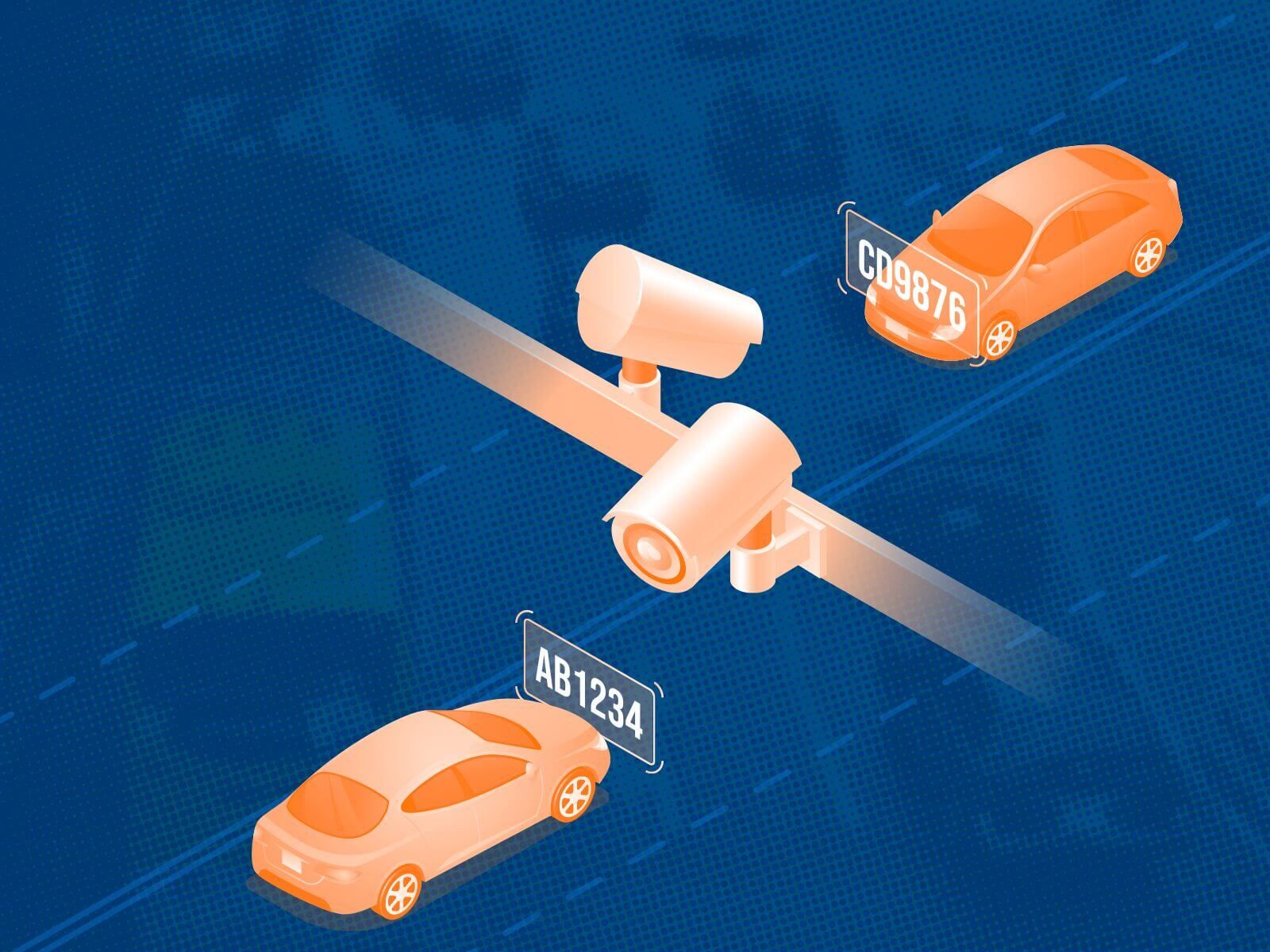
Automatic Number Plate Recognition (ANPR) cameras are specialized surveillance devices that use optical character recognition (OCR) and high-speed image processing to identify and store vehicle registration plates. In 2026, these syste...
Automatic Number Plate Recognition (ANPR) cameras are specialized surveillance devices that use optical character recognition (OCR) and high-speed image processing to identify and store vehicle registration plates. In 2026, these systems are vital for law enforcement, automated tolling, and secure parking management, providing real-time data for traffic monitoring, security enforcement, and logistical efficiency.
Contents
Understanding ANPR Technology and Its Evolution
Automatic Number Plate Recognition (ANPR), often referred to as License Plate Recognition (LPR) in North America, has transitioned from a niche law enforcement tool to a ubiquitous infrastructure component. By 2026, the technology has moved beyond simple pattern matching into the realm of deep learning and neural networks. Modern ANPR cameras do not just "see" a plate; they understand context, recognizing vehicle make, model, color, and even directional intent.
The core function of an ANPR camera is to capture an image of a moving or stationary vehicle and isolate the registration plate. Once isolated, the software translates the visual characters into digital text. This data is then timestamped and cross-referenced against databases for various purposes, such as identifying stolen vehicles, managing "pay-as-you-go" road usage, or granting access to restricted corporate campuses.
In the current landscape of 2026, the distinction between "edge-based" and "server-based" processing has become a primary decision point for stakeholders. Edge-based cameras perform the OCR locally on the device, sending only the metadata to the cloud. This reduces bandwidth consumption and increases speed. Conversely, server-based systems send raw footage to a centralized hub, allowing for more complex analysis but requiring significant network infrastructure.
How ANPR Cameras Work: The Technical Process
The journey from a passing vehicle to a digital log involves several sophisticated steps. Understanding these stages is essential for anyone looking to implement or manage these systems.
1. Image Acquisition and Illumination
High-speed capture is the first hurdle. Vehicles traveling at motorway speeds require cameras with extremely fast shutter speeds to prevent motion blur. To operate effectively at night or in adverse weather (fog, heavy rain), ANPR cameras utilize Infrared (IR) Illumination. IR light is invisible to the human eye but reflects brightly off the retro-reflective coating found on most modern license plates. This creates a high-contrast image where the background is dark and the plate characters are sharp and clear.
2. Plate Localization
Once an image is captured, the software must find the plate within the frame. This is known as "Plate Localization." Sophisticated algorithms scan the image for rectangular shapes and specific contrast ratios that indicate the presence of a registration mark. In 2026, AI-driven localization can identify plates even when they are significantly skewed, partially obscured by dirt, or mounted at non-standard angles.
3. Character Segmentation and OCR
After localizing the plate, the system breaks the plate down into individual characters (segmentation). Each character is then analyzed using Optical Character Recognition (OCR). Modern systems use Convolutional Neural Networks (CNNs) to compare the characters against thousands of known font variations and international plate designs. This ensures high accuracy even when dealing with customized fonts or regional differences in plate syntax.
4. Data Verification and Output
The final step is "Syntactical Correction." The system checks the recognized string against the expected format of the local jurisdiction (e.g., two letters followed by two numbers). If a character is ambiguous—such as a "0" versus an "O"—the software uses probability models and syntax rules to make an educated correction before logging the entry.
Essential Components of an ANPR System
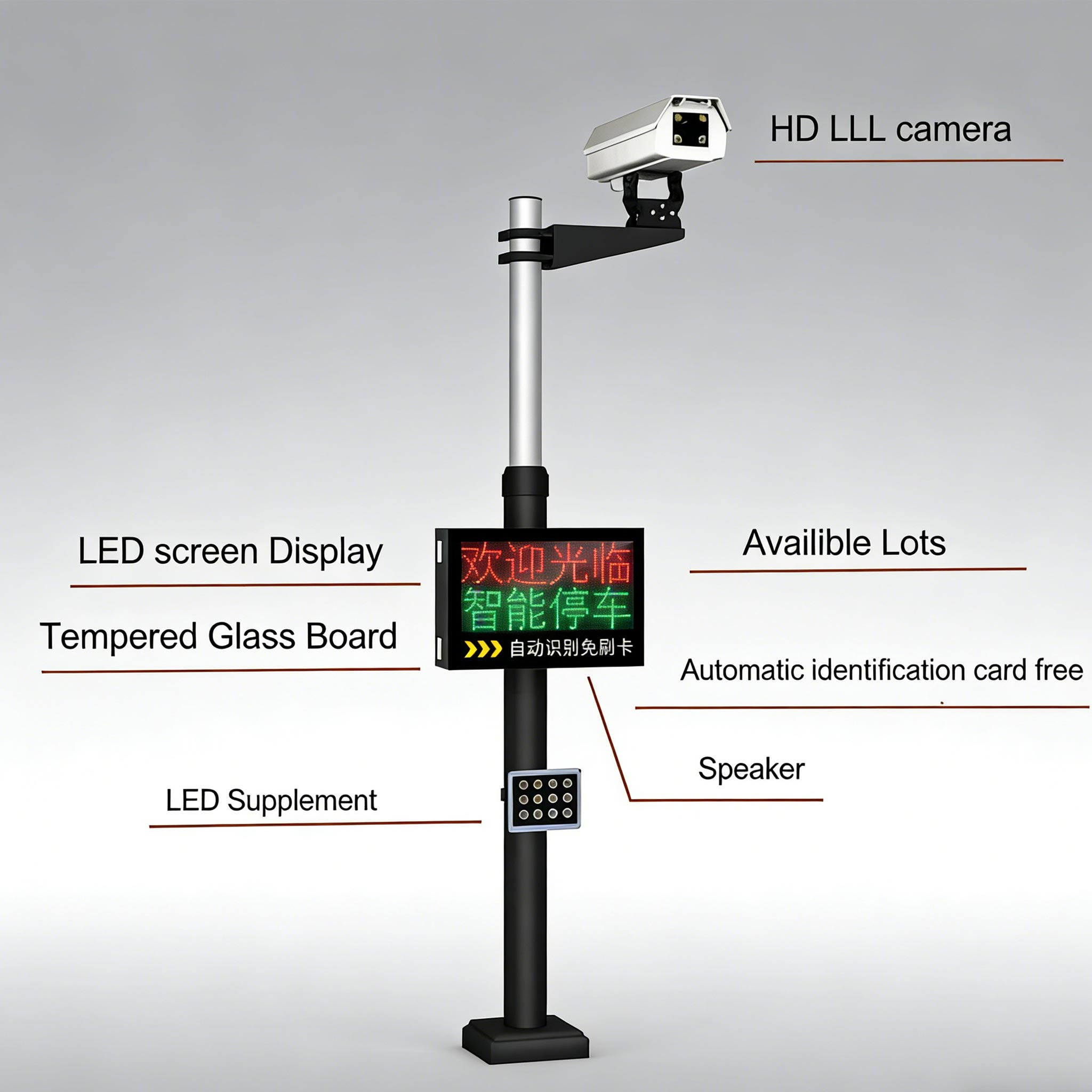
A robust ANPR installation is more than just a camera on a pole. It requires a synergy of hardware and software components designed to withstand 24/7 operation.
- Global Shutter Sensors: Unlike rolling shutters found in standard CCTV, global shutters capture the entire frame simultaneously. This is critical for eliminating the "jello effect" or distortion on fast-moving vehicles.
- WDR (Wide Dynamic Range): This allows the camera to balance light in high-contrast situations, such as a vehicle exiting a dark tunnel into bright sunlight, ensuring the plate remains legible.
- Motorized Varifocal Lenses: These allow for remote adjustment of the focal length and focus, enabling the camera to be "tuned" to the specific distance of the capture zone without manual intervention.
- Integrated Storage and Edge Processing: Many 2026 models include onboard industrial-grade SSDs to store data locally in the event of a network outage, ensuring no "misses" occur during downtime.
- Environmentally Sealed Housing: Rated at IP67 or higher, these housings protect sensitive electronics from dust, moisture, and extreme temperature fluctuations.
Key Use Cases and Applications
The versatility of ANPR technology has led to its adoption across multiple sectors. While law enforcement remains a primary user, commercial and civil applications have seen the most significant growth through 2026.
Law Enforcement and Public Safety
Police forces utilize mobile ANPR units mounted on patrol cars and fixed units on major roads to detect uninsured vehicles, stolen cars, and individuals of interest. The system provides real-time alerts (often called "hits"), allowing officers to intercept vehicles within seconds of a detection.
Smart Parking and Revenue Management
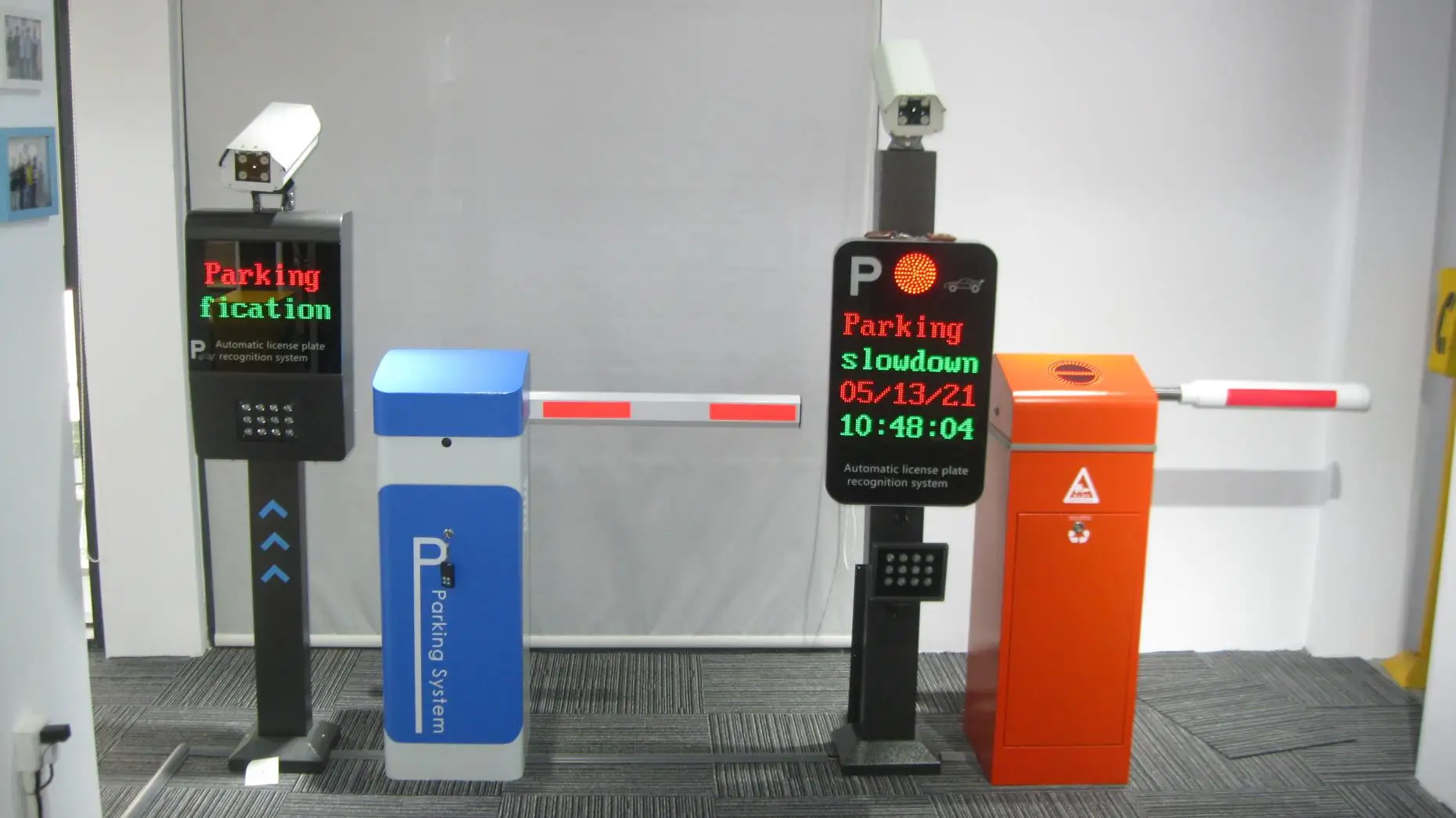
In the commercial sector, ANPR has revolutionized parking. Manual ticketing is being replaced by "ticketless" systems where the camera records the entry time and calculates the fee upon exit. This reduces bottlenecks at entry/exit points and eliminates the cost of physical paper tickets and mechanical dispensers.
Traffic Management and Urban Planning
City planners use anonymized ANPR data to understand traffic flow patterns. By analyzing how long it takes for a vehicle to move between two ANPR points, authorities can calculate "Average Speed" and identify congestion hotspots. This data is instrumental in timing traffic lights and planning new infrastructure projects.
Logistics and Access Control
For logistics hubs and gated communities, ANPR serves as a digital key. Approved vehicle lists (Whitelists) allow for seamless entry of authorized delivery trucks or residents, while "Blacklists" can trigger security alerts for unauthorized or banned visitors.
Comparison of ANPR Camera Types
Choosing the right hardware depends on the specific environment and the speed of the targets. The following table outlines the primary categories of ANPR cameras available in 2026.
| Feature | Fixed ANPR Cameras | Mobile (Vehicle-Mounted) | Rapid Deployment (Portable) |
|---|---|---|---|
| Primary Use | Tolls, Highways, Parking | Law Enforcement Patrols | Construction Sites, Events |
| Power Source | Mains / POE+ | Vehicle Battery | Battery / Solar |
| Connectivity | Fiber / Ethernet | 5G / LTE | 5G / Satellite |
| Target Speed | Up to 250 km/h | Up to 180 km/h (Differential) | Up to 100 km/h |
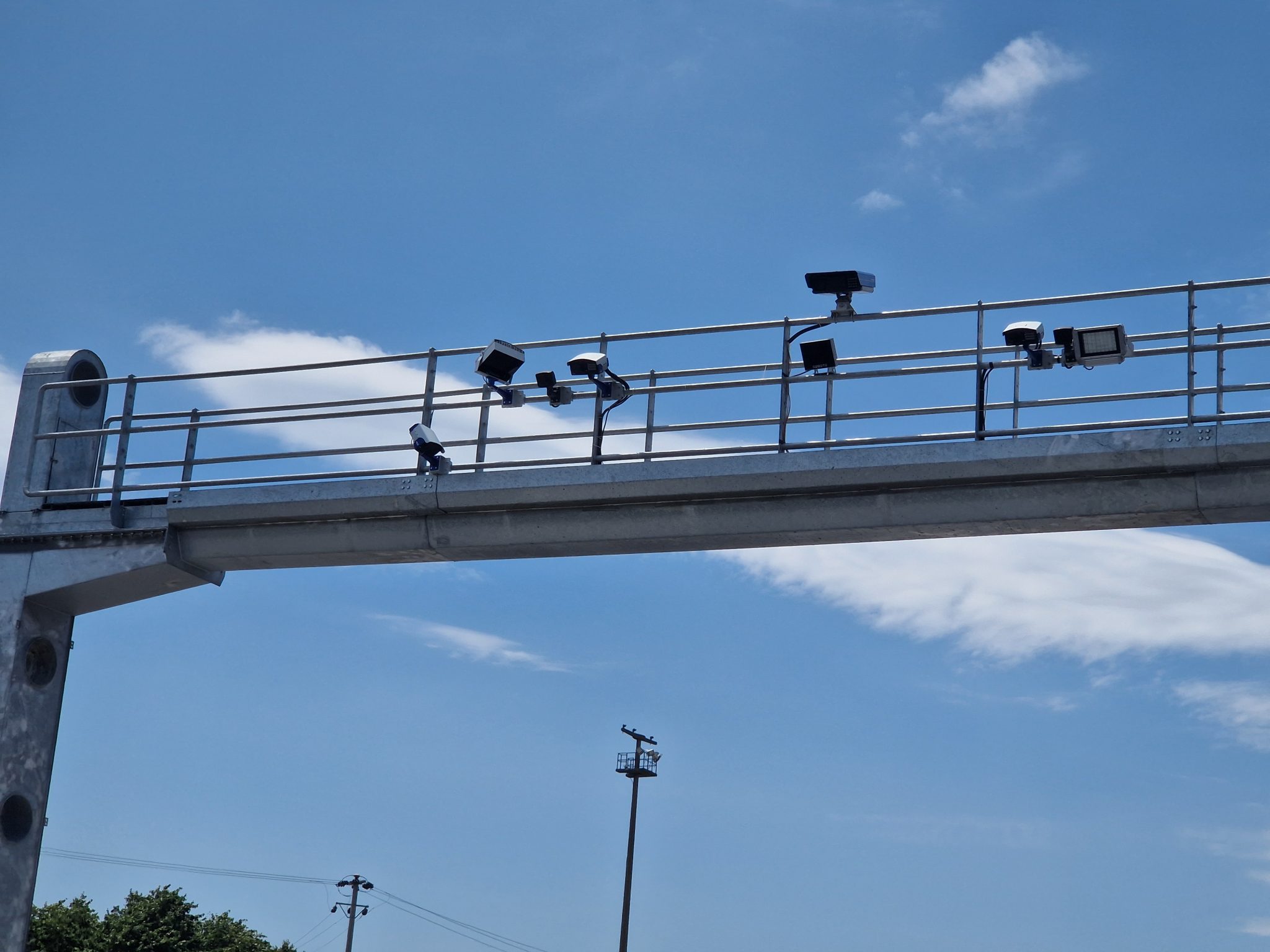
| Installation | Permanent (Pole/Gantry) | Integrated into Lightbar | Tripod or Trailer |
| Data Capacity | High (Server-Linked) | Local Edge Processing | Cloud-Based Buffer |
Legal Considerations and Privacy Compliance
As ANPR technology becomes more prevalent, the legal framework surrounding its use has tightened. In 2026, compliance is not optional; it is a technical requirement built into the software.
The primary concern is Data Privacy. A vehicle's license plate is often considered "Personally Identifiable Information" (PII) because it can be linked back to an individual. In regions governed by regulations like the GDPR or similar local privacy laws, organizations must adhere to strict data retention policies. Data that does not result in a "hit" or a required transaction should typically be deleted within a set timeframe (often 30 to 90 days).
Furthermore, "Privacy Masking" is a standard feature in 2026. This allows the camera to automatically blur faces or surrounding non-target areas, ensuring that the system only collects the data it is legally authorized to process. Organizations must also maintain a clear "Data Protection Impact Assessment" (DPIA) and display signage to inform the public that ANPR is in operation.
Common Challenges and Troubleshooting
Even the most advanced ANPR systems can face operational hurdles. Most issues stem from environmental factors or poor installation choices.
- Plate Obscuration: Dirt, snow, or physical damage to a plate can lower accuracy. While AI can often reconstruct partially missing characters, extreme cases require manual review.
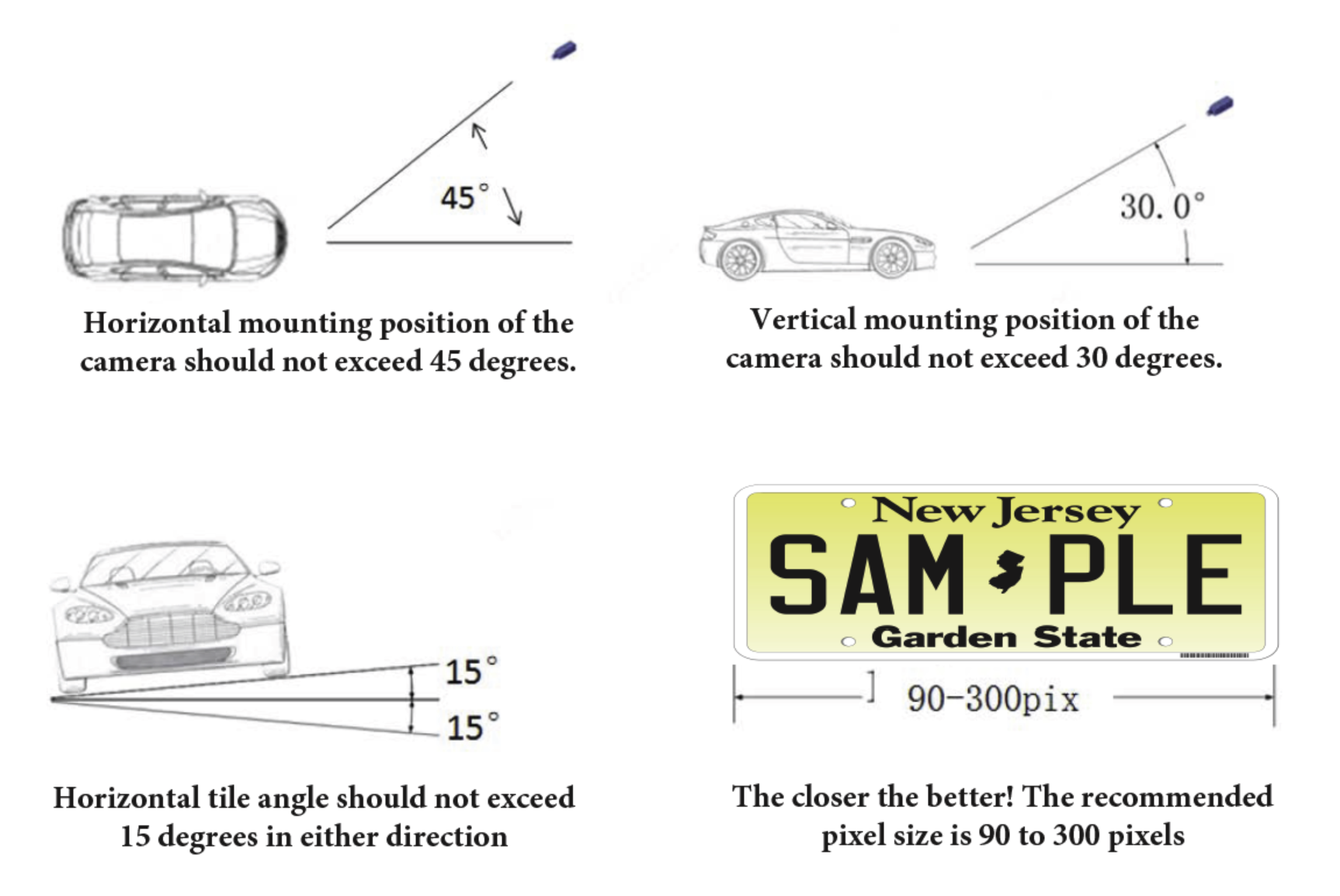
- Extreme Angles: If a camera is mounted too high or too far to the side, the horizontal or vertical angle (often called the "tilt" or "roll") may exceed the software's capability to de-skew the image. Maintaining an angle of less than 30 degrees relative to the plate is the industry standard.
- Tailgating: In parking environments, a vehicle following too closely behind another may prevent the camera from seeing the second plate. Proper lane design and "speed bumps" are common physical solutions to this technical problem.
- Headlight Glare: High-intensity discharge (HID) or LED headlights can sometimes "blind" standard cameras. Using a dedicated ANPR camera with a strong IR-pass filter ensures that only the reflected IR light from the plate is captured, ignoring the visible glare from the headlights.
Frequently Asked Questions
What is the accuracy rate of ANPR cameras in 2026?
Under optimal conditions, modern ANPR systems achieve accuracy rates between 98% and 99.5%. Accuracy can fluctuate based on the quality of the plate (cleanliness), weather conditions, and the camera's frame rate relative to the vehicle's speed. High-end systems now utilize multiple "looks" at a single plate to verify characters across several frames, significantly reducing false positives.
Can ANPR cameras read plates from different countries?
Yes. Modern ANPR software includes "Regional Engines" that can be toggled on or off. These engines contain the logic for different plate layouts, colors, and fonts from various countries and states. By 2026, most global systems are "multi-regional" by default, allowing a single camera in a port or border crossing to recognize plates from dozens of different jurisdictions simultaneously.
Do ANPR cameras work in total darkness?
Yes, they are designed specifically for this. ANPR cameras use integrated Infrared (IR) illuminators that flood the field of view with light at the 850nm or 940nm wavelength. This light is invisible to humans but allows the camera to see the retro-reflective plate clearly. The resulting image is usually black and white but provides the high contrast necessary for OCR software to function accurately.
How is ANPR data stored and secured?
In 2026, data security is typically handled through AES-256 encryption both "at rest" (on the camera or server) and "in transit" (while moving over the network). Access to the data is usually controlled through Multi-Factor Authentication (MFA) and strict Role-Based Access Control (RBAC) to ensure that only authorized personnel can view vehicle history or personal data.
Can ANPR cameras detect vehicle speed?
While ANPR cameras are primarily for identification, they are often used in "Average Speed" systems. By calculating the time it takes for a vehicle to travel between two fixed ANPR cameras at a known distance, the system can determine the average speed. However, they are not usually used for "spot" speed detection unless they are integrated with radar or lidar sensors.
Implementation Recommendation
For organizations looking to deploy ANPR technology in 2026, the primary recommendation is to prioritize Edge-Processing hardware with integrated AI capabilities. This approach minimizes recurring data costs and provides the lowest latency for real-time applications like gate access or security alerts. Always ensure that the chosen hardware is compatible with "Open API" standards, allowing you to integrate the camera data with your existing security management or CRM software. Finally, consult with a legal expert to ensure your data retention and privacy policies meet the current 2026 jurisdictional requirements to avoid significant compliance penalties.
Image Gallery