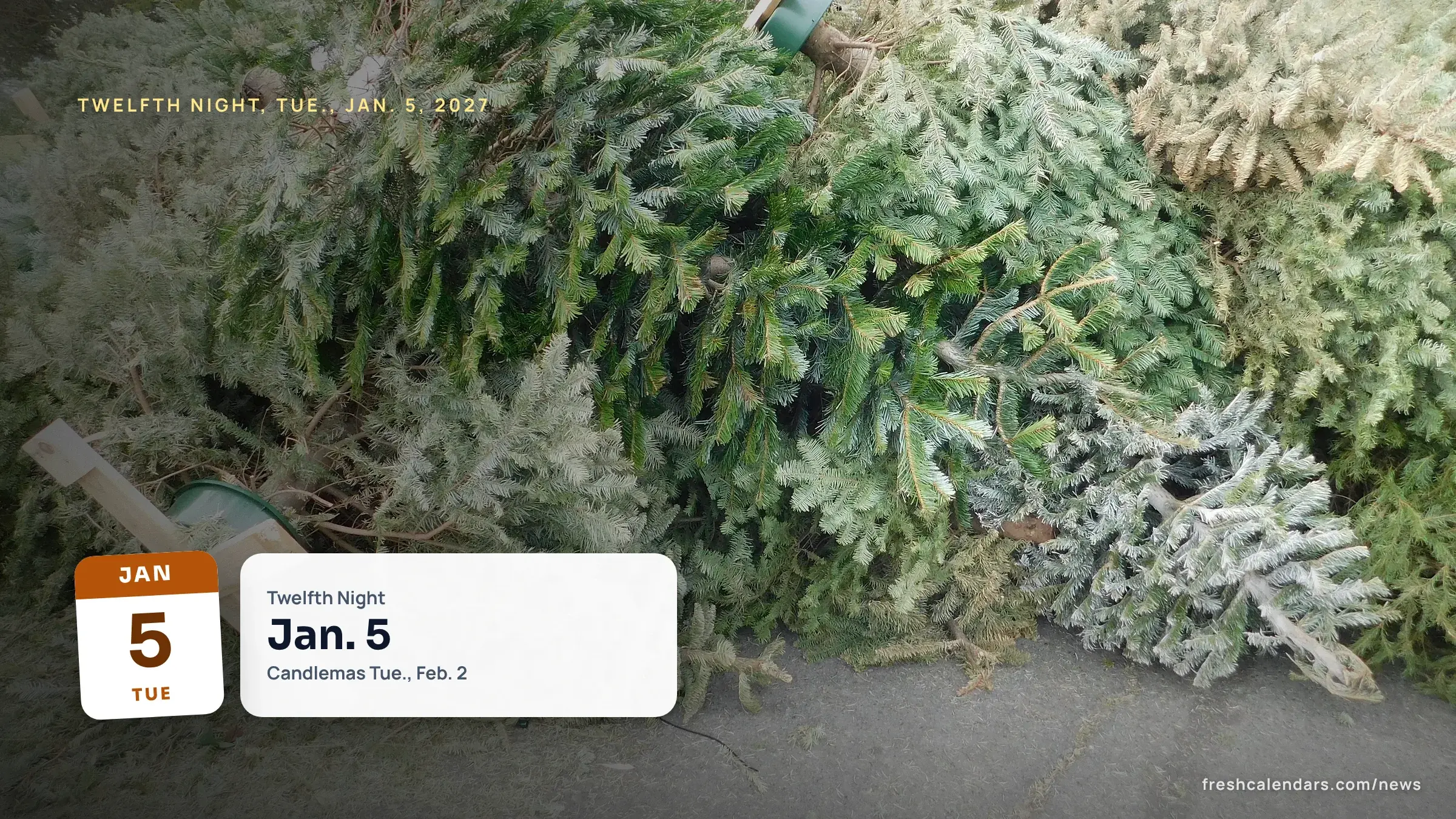
Determining the Best Time to Take Down Your Christmas Tree
While traditionalists often look toward the Epiphany on January 6th as the definitive conclusion to the holiday season, the optimal time to take down your Christmas tree is ultimately dictated by the tree's health, safety consideration...
While traditionalists often look toward the Epiphany on January 6th as the definitive conclusion to the holiday season, the optimal time to take down your Christmas tree is ultimately dictated by the tree's health, safety considerations, and your personal maintenance schedule. By monitoring needle retention and hydration levels, you can balance festive enjoyment with fire safety and post-holiday efficiency.
Contents
Understanding the Traditions and Timelines
The debate over when to dismantle holiday decor is as old as the practice of indoor tree decorating itself. Across various cultures and religious traditions, different dates have emerged as standard markers for the end of the season.
The most prominent historical date is January 6th, known as the Twelfth Night or the Epiphany. In Western Christian tradition, this date marks the end of the liturgical Christmas season, representing the arrival of the Magi. For many, leaving the tree up until this point is a way to honor the full twelve days of Christmas. However, modern households often prioritize convenience, leading to a wide range of schedules. Some people prefer to take their decorations down immediately after New Year's Day to start the year with a clean, decluttered space, while others prefer to remove them as soon as the house begins to feel "empty" post-celebration.
Ultimately, there is no legal or universal rule mandating a specific take-down date. However, there are significant practical factors—most notably the fire risk posed by dried-out organic material—that should override tradition if the tree begins to show signs of terminal decay.
The Safety Imperative: Recognizing a Dried-Out Tree
If you have a real coniferous tree, safety is the primary metric for deciding when to take it down. A Christmas tree is a significant fuel source if it dries out. Once a tree loses its internal moisture, its needles become brittle and highly combustible.
To evaluate whether your tree is safe to keep standing, perform a simple physical test. Run your fingers along a branch; if needles fall off in your hand with little to no resistance, the tree is already dehydrated. Another sign is a change in the tree's fragrance; a fresh, healthy tree should smell aromatic, whereas a drying tree will lose its scent or take on a stale, woody odor. If the needles are brown, brittle, or dropping in large quantities onto the floor, the tree has reached the end of its life and should be removed immediately regardless of the calendar date.
Strategic Planning for Post-Holiday Cleanup
Beyond safety, the logistics of taking down the tree require planning. You must account for how you will dispose of or recycle the tree, as many municipal waste services have specific protocols.
- Check Local Regulations: Many municipalities in 2026 offer curbside pickup for Christmas trees on specific dates in early January. Failing to set the tree out on time may mean you have to transport it to a drop-off center yourself.
- Clear Your Storage Space: Before you begin, ensure your storage area—whether an attic, basement, or garage—is ready to receive your decorations. Having clear, labeled bins for ornaments and lights reduces the time the house stays in a state of disarray.
- The "Work-Backwards" Approach: Start by removing the breakable ornaments first. Once the tree is bare, address the lights, and finally, the tree skirt. This reduces the risk of snagging an ornament on a light wire or causing branches to whip back and damage nearby furniture.
Comparison of Tree Removal Methods
Choosing how to handle your tree after the season ends depends on your access to recycling services and the tree's condition.
| Removal Method | Best For | Considerations |
|---|---|---|
| Municipal Curbside Pickup | Most households | Requires adherence to specific dates; trees must be free of tinsel/ornaments. |
| Local Recycling Centers | Eco-conscious disposal | Often involves wood chipping for mulch; check for local drop-off requirements. |
| Backyard Composting | Landowners with space | Requires cutting the tree into smaller pieces to accelerate decomposition. |
| Private Land Use | Wildlife habitats | Useful if you have a private property; provides shelter for birds and small animals. |
Common Mistakes to Avoid
During the process of taking down the tree, many individuals encounter unnecessary frustration due to poor technique or lack of preparation. One of the most frequent errors is attempting to move a tree without first ensuring it is completely clear of decorations. Even a single missed ornament can be crushed or cause a branch to snap if the tree is dragged through a doorway.
Another common mistake is neglecting to vacuum or clean the area where the tree stood immediately after removal. Pine needles, sap, and microscopic organic debris can accumulate in carpet fibers. If left unchecked, these can attract pests or lead to persistent odors. Use a heavy-duty vacuum with a hose attachment to clear the perimeter and the floor space under the tree stand before putting the area back to its original use.
For artificial trees, the temptation is to "compress" the branches as quickly as possible to get the tree into its box. However, taking the extra time to fold the branches neatly will significantly increase the lifespan of the tree’s hinges and wire frame. Treating the tree with care in 2026 will prevent bent branches and missing sections in subsequent years.
Addressing Related Questions
What should I do with the pine needles after removing the tree? If you have a fireplace, do not burn the branches or needles. The sap can cause rapid flare-ups and creosote buildup in your chimney, which is a significant fire hazard. Instead, collect the needles for use as garden mulch, as they are acidic and can benefit acid-loving plants like blueberries or azaleas.
Is it safe to keep a tree up until February? Generally, no. Even if you maintain high water levels, most trees are not designed to remain indoors for more than four to five weeks. By February, the fire risk increases significantly, and the tree will have shed a substantial portion of its needles, creating a maintenance challenge.
How do I handle the tree if it is too large for my vehicle? If you cannot transport the tree to a recycling center because it won't fit in your vehicle, contact your local waste management authority. Many cities offer "tree collection days" where they provide specific instructions on how to bundle the tree for curbside pickup without needing to transport it yourself.
Should I use a plastic tree bag to remove the tree? Using a heavy-duty plastic disposal bag is an excellent strategy. You can place the bag under the tree stand at the beginning of the season, or simply slide the tree into a large, bottomless bag before moving it out of the house. This prevents needles and sap from trailing through your hallways and protects your floors.
Does the tree species affect the timeline? Yes. Some species, such as the Fraser Fir, are known for superior needle retention, while species like the Spruce tend to shed faster. If you purchased a variety known for dropping needles early, you may need to adjust your take-down date to earlier in January to maintain a clean home environment.
Final Next Action
As you approach the conclusion of your holiday season in 2026, begin by inspecting your tree for needle loss and brittleness. If your tree is showing signs of extreme dehydration, clear your schedule for the next available weekend to remove it. Coordinate with your local municipality’s waste management website to verify the specific collection dates for your area, and ensure you have the necessary storage containers ready to transition your home back to its post-holiday configuration. Prioritizing this task early in January ensures a safer home environment and a more organized start to the new year.
Image Gallery