Navigating Aroma Rice Cooker Pot Replacement Options and Best Practices
Finding the correct aroma rice cooker pot replacement requires identifying your exact appliance model number, understanding bowl materials like aluminum or non-stick ceramic, and sourcing genuine manufacturer parts to ensure proper hea...
Finding the correct aroma rice cooker pot replacement requires identifying your exact appliance model number, understanding bowl materials like aluminum or non-stick ceramic, and sourcing genuine manufacturer parts to ensure proper heating plate contact and safety.
Contents
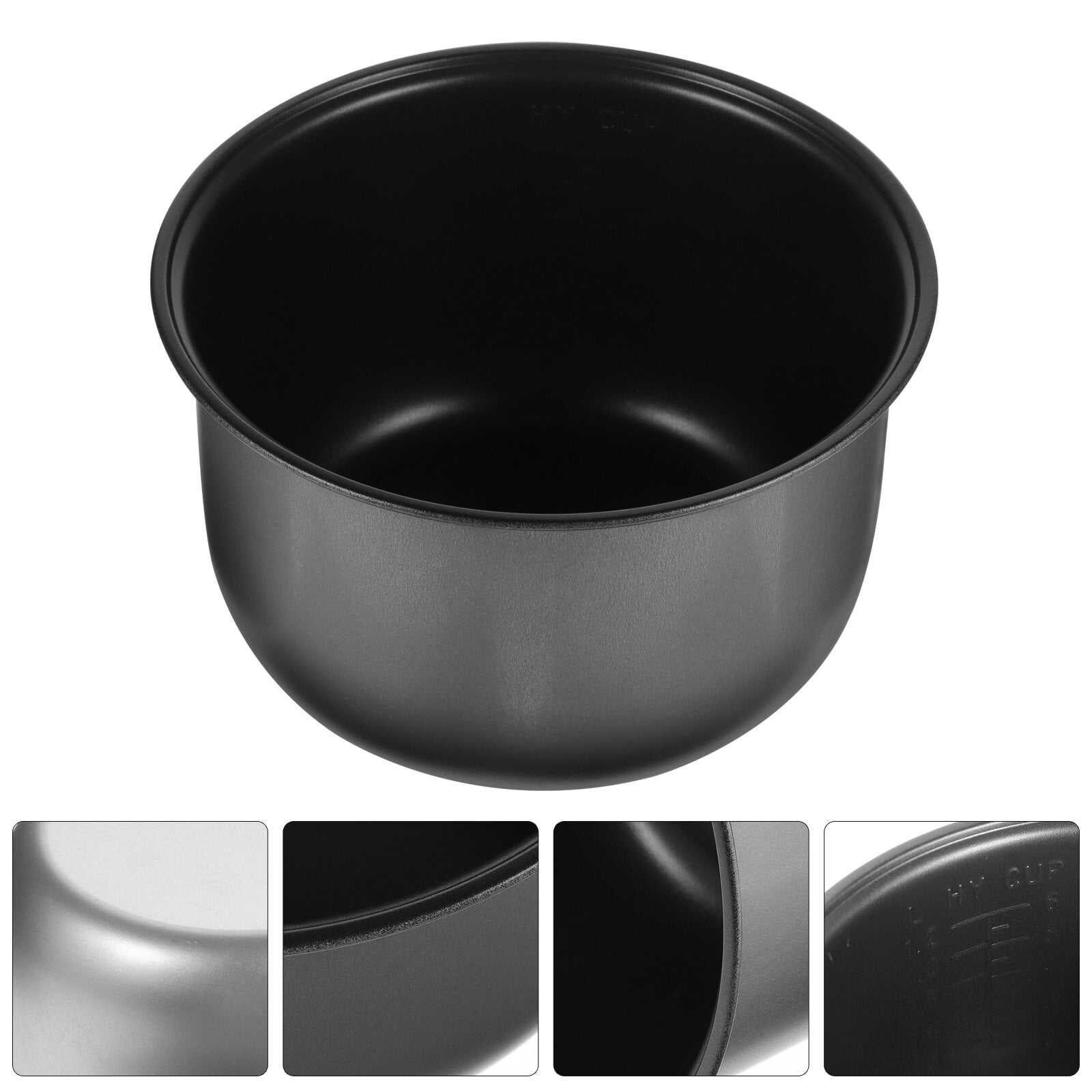
Replacing an inner cooking pot for an Aroma rice cooker is a common maintenance task for home cooks who want to extend the life of their appliance. Over years of daily use, standard non-stick coatings can scratch, outer aluminum bodies can warp, or accidental drops can cause structural dents. Because rice cookers rely on precise thermal transfer between the heating plate and the base of the inner pot, using a compatible, exact-fit replacement bowl is essential for achieving properly cooked rice and preventing error codes or uneven heating.
Understanding how to match your appliance to the right replacement bowl involves evaluating technical specifications, safety guidelines, and material differences. Selecting the wrong size or shape can ruin meals and potentially damage your cooker's internal thermostat.
Understanding Aroma Rice Cooker Pot Specifications
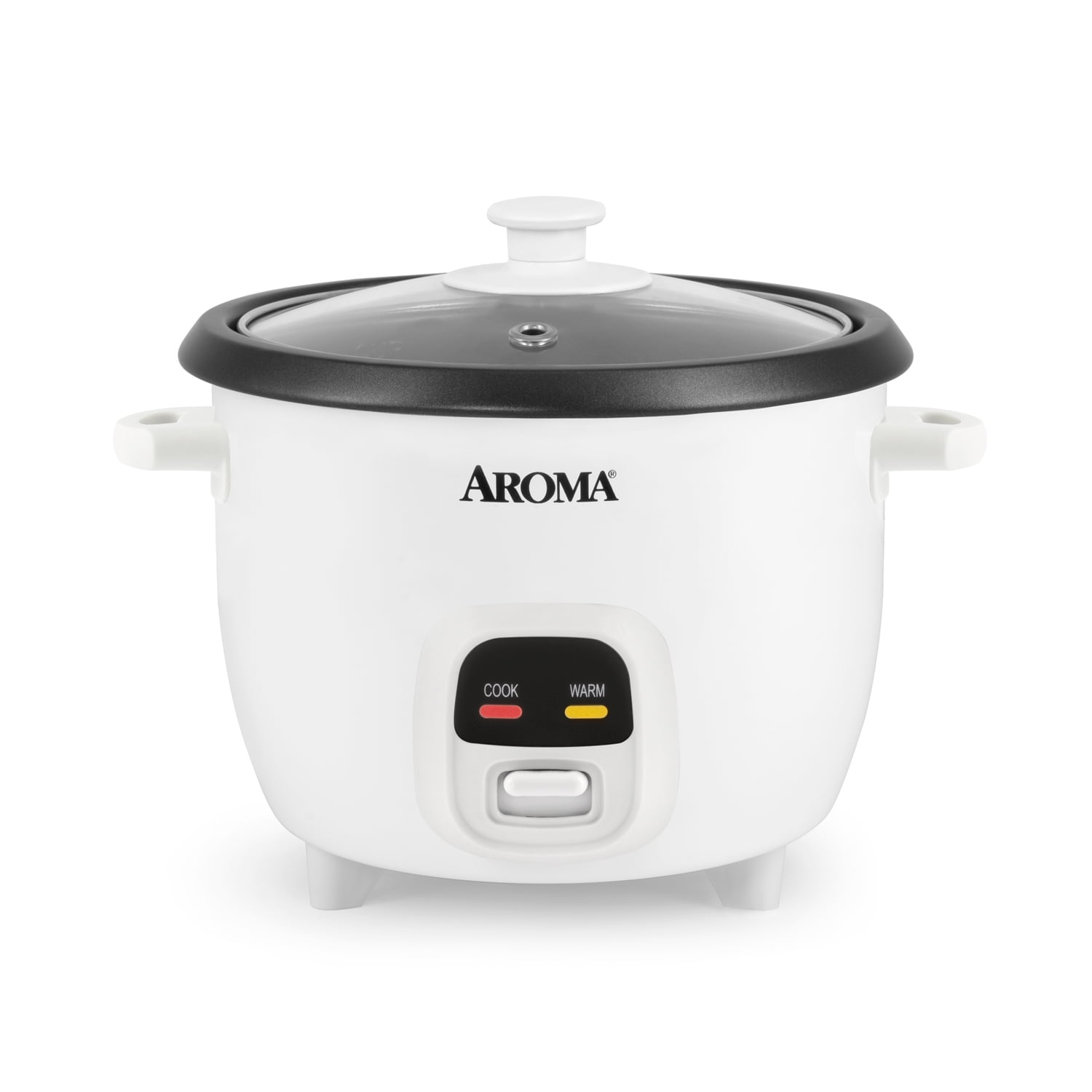
Before purchasing any replacement component, you must decode the specific specifications of your current Aroma rice cooker. Aroma Housewares produces a vast array of digital multicookers, traditional rice cookers, and pressure cookers. Each unit is engineered to accept a specific inner pot height, rim diameter, and bottom contour that mates securely with the internal spring-loaded thermal sensor.
Locating Your Appliance Model Number
The most critical step in securing a working replacement is finding the exact model number of your rice cooker. Do not rely solely on visual appearance, capacity ratings (such as "8-cup" or "20-cup cooked"), or marketing names.
- Model Number Location: Check the metal or plastic sticker affixed to the back, side, or bottom of the cooker body.
- Format Structure: Aroma model numbers typically start with letters followed by digits, such as ARC-914SBD, ARC-753SG, or ARC-363NG.
- Manual Cross-Reference: If the sticker is worn away or unreadable, consult your original user manual or cross-reference the digital control panel layout on the manufacturer's official support portal.
Capacity Ratings vs. Actual Dimensions
A common pitfall when buying replacement inner pots is confusing cup capacity with physical measurements. Rice cooker manufacturers measure capacity in "rice measuring cups" (which are typically equivalent to about 3/4 of a standard U.S. cup) rather than liquid fluid ounces.
An inner pot designed for a 10-cup uncooked capacity cooker will be significantly wider and deeper than a pot for a 4-cup model. Furthermore, two different 8-cup Aroma cookers might feature entirely different bowl dimensions depending on whether they are cylindrical digital units or drum-shaped traditional cookers. Always verify the rim-to-rim diameter and total depth using a tape measure if you are comparing aftermarket or universal options.
Material Types and Non-Stick Coatings
Aroma rice cooker replacement pots are manufactured using distinct materials designed to handle high heat and moisture retention. Selecting the right material impacts cooking performance, durability, and maintenance routines.
| Material Type | Primary Advantage | Potential Drawback |
|---|---|---|
| Standard Aluminum | Rapid heat distribution | Prone to scratching easily |
| Ceramic Non-Stick | PTFE/PFOA-free surface | Requires gentle handling |
| Stainless Steel | Extreme durability | Food can stick more easily |
Aluminum with Non-Stick Coating
The vast majority of standard Aroma rice cookers ship with stamped or forged aluminum bowls finished with a non-stick coating. Aluminum is favored for its exceptional thermal conductivity, ensuring that heat spreads evenly across the base of the pot. The non-stick coating prevents cooked rice from forming a hard crust at the bottom, making cleanup straightforward. However, these coatings demand careful handling; using metal utensils, abrasive scouring pads, or dishwasher cycles can prematurely strip the non-stick layer.
Ceramic-Coated Inner Pots
Some modern Aroma models utilize ceramic non-stick interior surfaces. These pots are engineered for consumers seeking alternatives to traditional polytetrafluoroethylene (PTFE) coatings. Ceramic pots provide smooth food release and resist higher cooking temperatures without degrading. They still require non-abrasive sponges and silicone or wooden utensils to preserve their lifespan.
Stainless Steel Options
While less common for standard entry-level Aroma rice cookers, stainless steel inner pots occasionally appear in specialized multi-cooker configurations. Stainless steel offers ultimate durability, eliminating concerns about flaking non-stick coatings. The trade-off is that starches can easily adhere to the metal surface during the cooking cycle, requiring soaking and more vigorous cleaning.
Sourcing Genuine vs. Aftermarket Replacements
When your original pot becomes damaged, you face a choice between purchasing factory-authorized parts or seeking generic aftermarket alternatives.
Purchasing Directly from Aroma Housewares
The safest and most reliable method for obtaining an aroma rice cooker pot replacement is ordering directly through the manufacturer's official parts store or customer service department.
- Guaranteed Fit: Manufacturer parts are engineered to exact factory tolerances, ensuring seamless integration with your specific model number.
- Safety Assurance: OEM (Original Equipment Manufacturer) pots match the precise weight and thermal mass required for the cooker's automatic shut-off mechanism to trigger correctly.
- Customer Support Access: Buying directly allows you to confirm compatibility with customer support representatives by providing your serial and model numbers.
Evaluating Third-Party Aftermarket Pots
Third-party marketplaces often list universal or lookalike replacement bowls. While these options may feature lower price points, they carry significant operational risks:
- Thermal Discrepancies: A pot with a base that is too thin or too thick can prevent the internal magnetic thermostat switch from tripping at the correct temperature, leading to undercooked or burned rice.
- Improper Sealing: If the rim lip does not match the cooker housing, the outer lid may fail to seal correctly, causing steam to escape and disrupting pressure and cooking times.
Step-by-Step Replacement and Installation Process
Once you receive your new inner pot, proper preparation and initial setup ensure safe operation and long-term performance.
- Unbox and Inspect: Carefully examine the new replacement pot for shipping dents, scratches, or manufacturing defects along the rim and base.
- Wash Thoroughly: Wash the new pot in warm, soapy water using a non-abrasive sponge. Rinse thoroughly and dry completely to remove any factory manufacturing residues or protective oils.
- Clean the Heating Plate: Before inserting the new pot, inspect the interior heating plate at the bottom of the rice cooker base. Wipe away any stray rice grains, debris, or mineral deposits using a damp cloth. Foreign objects trapped between the heating plate and the pot can cause localized overheating or prevent proper heat transfer.
- Test Fit: Gently drop the new pot into the cooker housing. It should rest flat on the heating plate without rocking, and the top rim should sit flush within the cooker's upper collar.
- Perform a Test Cycle: Run a short test cycle using water only (following your cooker's basic white rice operating instructions) to verify that the unit heats correctly, cycles properly, and switches to the "Keep Warm" mode without error.
Extending the Lifespan of Your Replacement Pot
To prevent the need for frequent replacements, adopting proper maintenance habits protects the delicate non-stick surface and structural integrity of your new bowl.
- Never Use Metal Utensils: Always use plastic, silicone, or wooden paddles when serving rice or stirring ingredients inside the cooker. Metal spoons and forks instantly gouge aluminum non-stick coatings.
- Avoid Thermal Shock: Do not plunge a hot inner pot directly into ice-cold water immediately after cooking. Allow the bowl to cool naturally to prevent the aluminum body from warping.
- Hand Wash Recommended: Even if a pot is marked as dishwasher safe, harsh dishwasher detergents and high-heat drying cycles degrade non-stick surfaces over time. Hand washing with a soft sponge is always preferable.
- Store Correctly: Avoid stacking heavy cast iron pans or other heavy cookware directly on top of your rice cooker pot inside cabinets, as this can bend the rim and compromise the lid seal.
Troubleshooting Common Replacement Issues
Even with careful selection, minor issues can arise after installing a new replacement pot. Addressing them early prevents damage to your appliance.
Rice Burns at the Bottom
If your rice consistently burns or forms a hard crust at the bottom of the new pot, check the following variables:
- Ensure you are using the correct water-to-rice ratio specified in your manual.
- Verify that the inner pot is completely dry on the outside before placing it into the cooker base.
- Confirm that no food debris is trapped beneath the pot, which can create a gap and disrupt the thermostat's contact with the heating plate.
Cooker Fails to Start or Switches Off Prematurely
If the cooker shuts off before the cooking cycle completes, the weight or thermal conductivity of the replacement pot may not match the appliance's safety sensors. Ensure you are using an official OEM part designed specifically for your exact model number rather than a generic substitute.
Frequently Asked Questions
Can I use any brand's replacement pot in my Aroma rice cooker?
No. Inner pots vary significantly in diameter, depth, height, and base contour. Using an incompatible pot can interfere with the heating plate contact and thermal sensor operation, resulting in unevenly cooked food or potential safety hazards.
How do I find my Aroma rice cooker model number if the sticker is gone?
Check your original purchase receipt, user manual, or online retail order history. If those are unavailable, compare your cooker's digital display layout and physical design against current and discontinued models on the official Aroma Housewares website.
Are Aroma rice cooker inner pots dishwasher safe?
Many Aroma inner pots are technically dishwasher safe, but hand washing with mild dish soap and a soft sponge is strongly recommended to extend the lifespan of the non-stick coating.
Why is my new replacement pot rocking inside the cooker?
A rocking pot indicates either an incorrect model size or a warped rim/base caused by shipping damage or thermal shock. Stop using the pot immediately and exchange it for a verified OEM replacement.
Can I buy a stainless steel pot to replace my non-stick Aroma bowl?
You can only use a stainless steel replacement pot if Aroma manufactures an official stainless steel variant specifically designed for your exact cooker model. Using an aftermarket stainless steel bowl on a unit calibrated for aluminum can disrupt heating cycles.
Conclusion
Securing the correct aroma rice cooker pot replacement restores your appliance to peak performance and saves you from purchasing an entirely new unit. By prioritizing exact model number verification, choosing authentic manufacturer parts, and practicing gentle cleaning habits, you ensure consistent culinary results and extend the operational life of your kitchen equipment.
Image Gallery