Understanding How Cold It Gets in Mongolia: A Climate Analysis
Mongolia experiences some of the most extreme continental temperatures on Earth, with winters typically ranging from -20°C to -45°C (-4°F to -49°F). The capital, Ulaanbaatar, holds the record as the coldest national capital in the worl...
Mongolia experiences some of the most extreme continental temperatures on Earth, with winters typically ranging from -20°C to -45°C (-4°F to -49°F). The capital, Ulaanbaatar, holds the record as the coldest national capital in the world. Cold intensity varies significantly based on elevation, latitude, and local topography, with rural northern regions frequently reaching lower extremes than urban centers.
Contents
The Dynamics of Mongolia’s Extreme Climate
To understand why Mongolia reaches such profound freezing points, one must look at its unique geography. Situated in the heart of Central Asia, the country is landlocked and surrounded by high mountain ranges—such as the Altai and Sayan mountains—which effectively block the moderating influence of ocean currents.
This creates a high-pressure system known as the Siberian High. During the winter months, this massive, cold, and dry air mass settles over the Mongolian plateau. Because the country features high average elevations (averaging over 1,500 meters above sea level), the air is thinner, allowing heat to escape into the atmosphere rapidly at night. This combination of continental isolation, high altitude, and persistent high-pressure systems drives temperatures to levels rarely seen elsewhere in inhabited regions.
Regional Variations in Temperature
Not all of Mongolia experiences the same degree of cold. While the entire country is subject to harsh winters, there is a clear distinction between the northern steppes and the southern Gobi Desert.
The Northern and Central Regions
The northern part of the country, specifically the Khövsgöl and Khentii provinces, experiences the most prolonged and intense cold. Here, temperatures below -40°C are common for weeks at a time. The permafrost in these regions remains frozen throughout much of the year, and the ground surface temperature can drop significantly lower than the air temperature reported by meteorologists.
Ulaanbaatar: The World’s Coldest Capital
Ulaanbaatar presents a unique case. Located in a valley at approximately 1,350 meters, the city is susceptible to temperature inversions. During the day, cold air pools in the valley, trapped by the surrounding mountains. While it is rarely as cold as the remote northern reaches, the sustained nature of the sub-zero temperatures makes it notably challenging for urban infrastructure, including heating systems and vehicle maintenance.
The Southern Gobi Desert
The Gobi Desert acts differently due to its lower elevation and arid climate. While it can reach extreme lows, the temperature fluctuation—the difference between the daytime high and the nighttime low—is significantly more pronounced than in the north. A sunny winter day in the Gobi may bring the thermometer up to -5°C, only for it to plummet to -30°C once the sun sets.
Seasonal Temperature Comparison
The following table provides an overview of typical temperature ranges across the winter season, which lasts roughly from November through March.
| Month | Typical Temperature Range (Celsius) | Typical Temperature Range (Fahrenheit) | Climate Characteristic |
|---|---|---|---|
| November | -10°C to -25°C | 14°F to -13°F | Onset of winter; initial freeze |
| December | -20°C to -35°C | -4°F to -31°F | Sustained freezing; short days |
| January | -25°C to -45°C | -13°F to -49°F | Peak of the Siberian High |
| February | -20°C to -40°C | -4°F to -40°F | Persistent cold; frequent winds |
| March | -10°C to -25°C | 14°F to -13°F | Slow transition; potential blizzards |
The Impact of Zud and Wind Chill
A critical factor in how "cold" it actually feels in Mongolia is the wind chill factor. The country is famous for its vast, open steppes where wind encounters almost no obstruction. A moderate air temperature of -20°C can feel like -35°C when accompanied by sustained winds of 30 km/h or more.
Furthermore, the concept of Zud is essential to understanding the local climate. A Zud is a natural disaster unique to Mongolia, characterized by a summer drought followed by a winter of extreme cold and heavy snow. During a Zud, temperatures stay so low for so long that livestock cannot dig through the snow to find grass, leading to massive losses for nomadic herders. This demonstrates that the cold in Mongolia is not just a meteorological data point, but a fundamental driver of the economy and rural lifestyle.
Preparation and Survival Requirements
For travelers or researchers visiting during the winter months, the cold is not a passive obstacle; it is a primary operational constraint. Survival in these conditions requires specialized gear and advanced planning.
Technical Clothing and Insulation
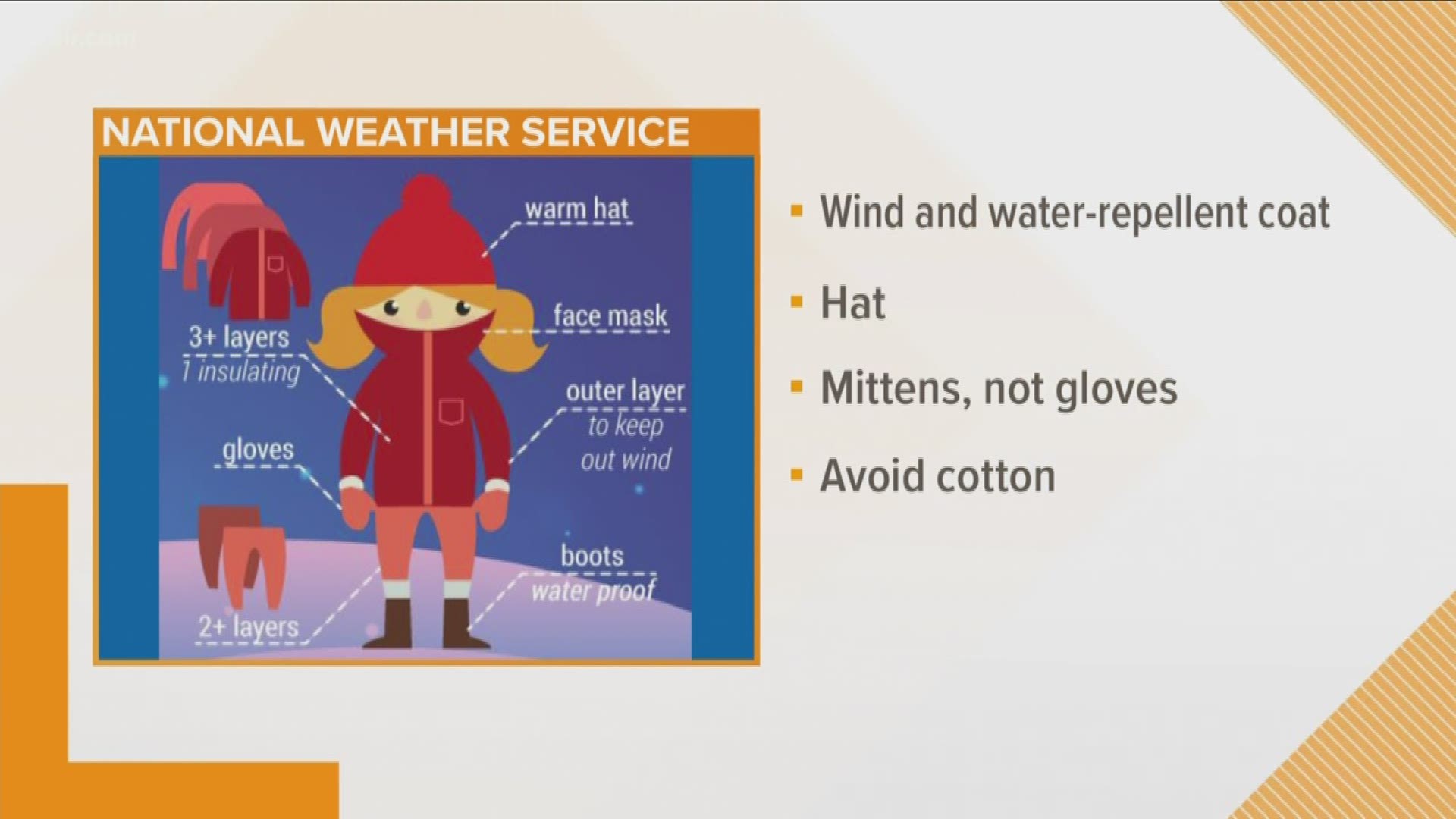
Standard winter coats designed for Western climates are generally insufficient in rural Mongolia. The "layering system" is mandatory:
- Base layers: Merino wool or specialized synthetic thermal fabrics that wick moisture away from the skin.
- Mid-layers: High-loft fleece or down insulation to trap body heat.
- Outer layers: Windproof and breathable shells are essential. Because of the extreme dryness, moisture-resistant down parkas are preferred over heavy wool coats.
- Extremities: Boots must have thick, insulated soles to prevent cold conduction from the frozen ground. Mittens are superior to gloves, as they allow fingers to share warmth.
Infrastructure and Energy
Energy systems in Mongolia are often pushed to their limits in 2026. If you are traveling or working, ensure that any vehicle utilized has a "winter package" including heavy-duty batteries, synthetic engine oils with low viscosity, and pre-heating systems. Standard lead-acid batteries often fail at temperatures below -30°C. If you are relying on portable technology, batteries will drain up to 70% faster in extreme cold; keep them against your body at all times.
Frequently Asked Questions
Is it safe to visit Mongolia in the winter?
Yes, provided you are properly equipped and informed. Winter tourism is growing, particularly around cultural festivals, but it requires significantly more logistical planning than summer travel. You must ensure your transport and accommodation providers are experienced in cold-climate operations.
Does the temperature ever go above freezing in winter?
In the middle of the winter (December to February), temperatures rarely rise above 0°C. There may be brief, rare intervals of "warmth" where temperatures reach near-freezing, but these are exceptions.
How do Mongolians stay warm during these extremes?
Historically, the ger (yurt) has been the primary solution. These structures are circular, aerodynamic, and highly efficient. They are heated by central stoves fueled by coal or dung, which maintain a consistent internal temperature regardless of external conditions.
Can electronics handle these temperatures?
Standard consumer electronics often suffer from screen sluggishness and rapid battery failure. Using ruggedized equipment or keeping devices in interior clothing pockets is the standard practice for photographers and researchers.
When does the weather start to moderate?
Spring thaw typically begins in late March or early April. However, this period is often characterized by high winds and dust storms, meaning it does not immediately feel "warm." True spring weather usually arrives in late April.
Next Actions
If you are planning a visit or a project in Mongolia, start by checking the latest climate data from the National Agency for Meteorology and Environmental Monitoring (NAMEM) of Mongolia. For those traveling for research or commercial purposes, verify your supply chain for fuel and heating backups well in advance. Always maintain a 24-hour buffer in your schedule, as blizzards and extreme cold can disrupt transportation routes without warning.
Image Gallery