How to Get a Free Life Alert System for Seniors in 2026
Finding a free life alert or medical alert system in 2026 involves navigating government waivers, veteran benefits, and specific insurance provisions. While the "Life Alert" brand itself rarely offers free service, seniors can obtain e...
Finding a free life alert or medical alert system in 2026 involves navigating government waivers, veteran benefits, and specific insurance provisions. While the "Life Alert" brand itself rarely offers free service, seniors can obtain equivalent emergency response technology at no cost through Medicaid HCBS waivers, VA health grants, or certain Medicare Advantage supplemental benefits.
Contents
Personal emergency response systems (PERS), often colloquially referred to as "life alerts," have become essential tools for seniors choosing to age in place. These devices provide a direct line to emergency dispatchers, offering peace of mind to both the user and their caregivers. However, with monthly monitoring fees often ranging from $20 to $70, the cost can be prohibitive for those on fixed incomes. Fortunately, as of 2026, several structured programs exist to bridge this financial gap, provided the applicant meets specific health or income-based criteria.
Understanding the Distinction Between Brand and Service
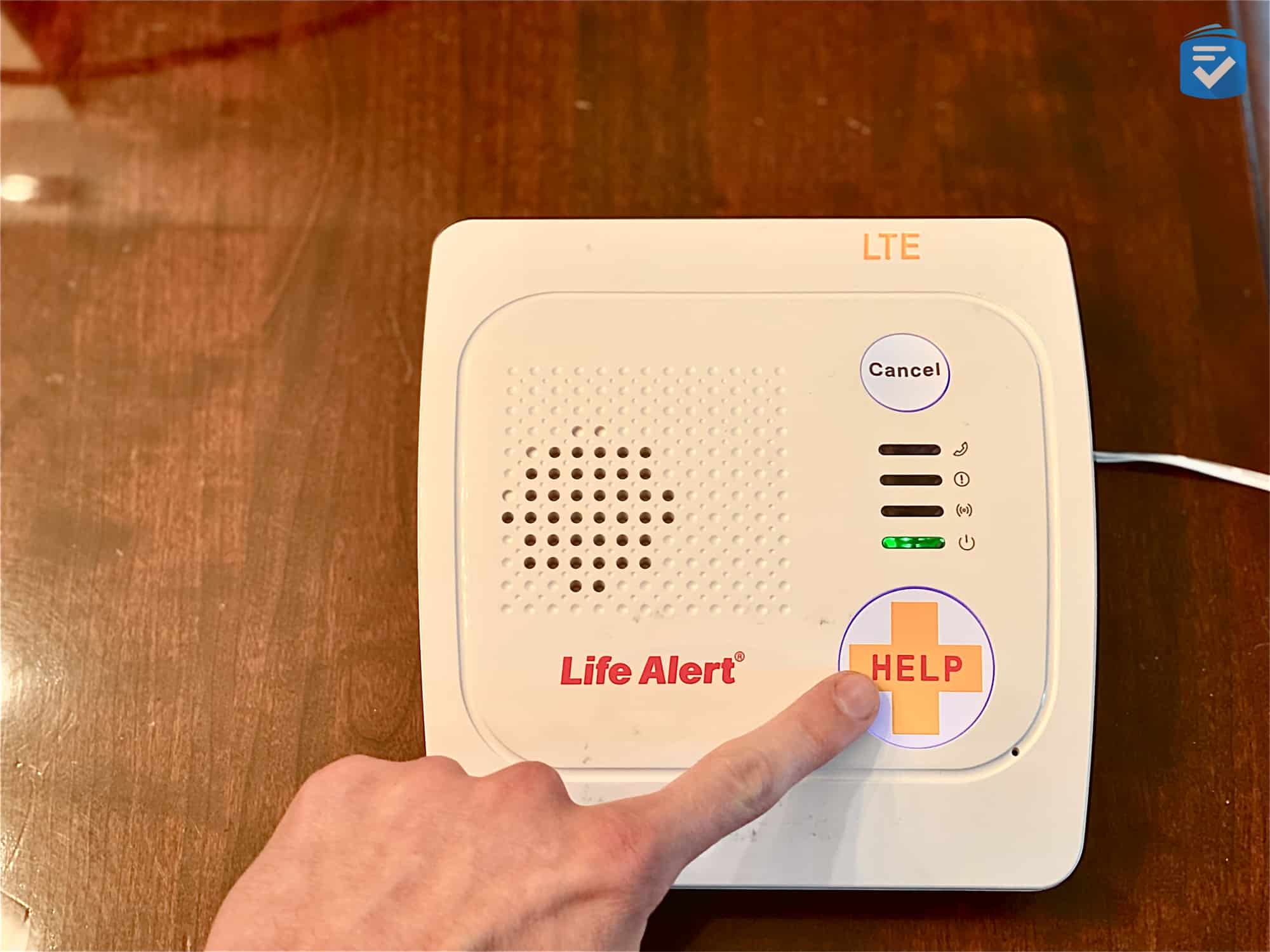
Before seeking a free system, it is vital to distinguish between Life Alert, a specific private company, and the broader category of medical alert systems. Life Alert is a trademarked brand known for its "I've fallen and I can't get up" commercials. They typically require long-term contracts and do not usually participate in free government distribution programs.
When social workers or government agencies refer to "free life alerts," they are almost always referring to equivalent PERS technology provided by other vendors who contract with the state or federal government. These alternative systems offer the same—and often more advanced—features, such as automatic fall detection, GPS tracking, and cellular connectivity, without the brand-name price tag.
Medicaid and HCBS Waivers: The Primary Path to Free Systems
Medicaid remains the most common way for low-income seniors to receive a medical alert system at no cost. Because Medicaid is a joint federal and state program, the specific name of the benefit and the eligibility requirements vary significantly depending on your location.
Home and Community-Based Services (HCBS)
Most states offer HCBS Waivers (often called 1915(c) waivers). These programs are designed to keep seniors out of nursing homes by providing the support they need to live independently. In 2026, medical alert systems are classified as "specialized medical equipment" or "assistive technology" under these waivers.
To qualify for an HCBS waiver, a senior must generally demonstrate a "nursing home level of care" need but express a preference to stay at home. If the medical alert system is deemed "medically necessary" to prevent institutionalization, Medicaid will often cover both the initial equipment cost and the ongoing monthly monitoring fees.
Money Follows the Person (MFP)
For seniors currently residing in a nursing facility who wish to transition back to a private home, the Money Follows the Person program provides funding for the transition. This often includes the installation of safety equipment, including PERS devices, to ensure the individual can call for help during their first months of independent living.
Veterans Affairs (VA) Benefits for Medical Alerts
The Department of Veterans Affairs (VA) is a robust provider of free medical alert systems for eligible veterans. Unlike Medicaid, which is income-dependent, VA coverage is primarily based on clinical necessity and service-connected status.
VHA Standard Benefits
The Veterans Health Administration (VHA) often provides medical alert systems through their prosthetic and sensory aids department. If a VA physician determines that a veteran is at high risk for falls or has a medical condition that could lead to an emergency (such as heart disease or epilepsy), they can write a prescription for a PERS device.
In 2026, the VA frequently partners with specific vendors, such as LiveLife Personal Mobile Alarms or Latitude USA, to provide these devices. When approved, the veteran receives the device and the monitoring service for $0 out-of-pocket. It is important to note that the VA usually prefers mobile, GPS-enabled devices that work both inside and outside the home.
Geriatric Evaluation and Management (GEM)
Veterans enrolled in GEM programs or those receiving "Home-Based Primary Care" are often prioritized for safety technology. If you are a veteran or a caregiver, the first step is to schedule an appointment with a VA primary care provider to discuss "fall risk assessment" and the need for a personal emergency response system.
Medicare Coverage: Part C vs. Original Medicare
A common misconception is that "Original Medicare" (Part A and Part B) covers medical alert systems. In 2026, Original Medicare still classifies these devices as "standard equipment" rather than "durable medical equipment" (DME), meaning they are generally not covered.
Medicare Advantage (Part C)
The landscape is different for those enrolled in Medicare Advantage. Many private insurers (like UnitedHealthcare, Humana, or Aetna) have recognized that preventing one hip fracture via a medical alert system is far cheaper than paying for a hospital stay. As a result, many "Gold" or "Premier" level Medicare Advantage plans now include a medical alert system as a supplemental benefit.
Review your Evidence of Coverage (EOC) document for terms like "Safety Solutions" or "Over-the-Counter (OTC) Benefits." Some plans provide a yearly allowance that can be used to purchase a system, while others have a direct partnership with a provider like Bay Alarm Medical or Lifeline, offering the service for free to members.
Community Resources and Local Assistance
If you do not qualify for Medicaid or VA benefits, local non-profit organizations and government-funded agencies can often fill the gap.
Area Agencies on Aging (AAA)
The Area Agency on Aging is a nationwide network of non-profit organizations that receive federal funding under the Older Americans Act. While they may not always give out free hardware directly, they manage local grants that can pay for safety equipment. In 2026, many AAAs operate "Senior Safety Grants" that provide one-time funding for the purchase of a medical alert system for seniors living alone.
Local Charities and Foundations
Organizations such as the Lion’s Club, Rotary Club, or local religious charities occasionally have programs to assist seniors with the cost of emergency technology. Additionally, some medical alert manufacturers offer "scholarship" programs or sliding-scale fees for individuals who can demonstrate extreme financial hardship.
Comparison of Funding Sources for Free Systems
The following table summarizes the primary methods for obtaining a medical alert system at no cost in 2026.
| Program Type | Eligibility Criteria | What is Covered? | Best For |
|---|---|---|---|
| Medicaid HCBS | Low income + Nursing home level of care | Hardware + Monthly Monitoring | Seniors on SSI or limited income |
| VA Benefits | Clinical need + VA enrollment | Hardware + GPS Monitoring | Veterans with fall risks |
| Medicare Advantage | Plan-specific enrollment | Often hardware only or discounted monthly fee | Seniors with private Part C plans |
| Area Agencies on Aging | Age 60+ (varies by region) | Vouchers or one-time grants | Seniors slightly above Medicaid limits |
| MFP Program | Transitioning from nursing home | Initial setup + 12 months monitoring | Re-entering independent living |
Avoiding Scams: "The Free Life Alert" Trap
The search for free safety devices is unfortunately a major target for scammers. Seniors frequently receive robocalls or mailers claiming they have been "selected" for a free medical alert system.
Red flags of a scam include:
- Requesting Credit Card Info for "Shipping": Legitimate free programs through Medicaid or the VA will never ask for your credit card over the phone.
- High-Pressure Tactics: Claims that the offer expires in hours.
- Pre-recorded Messages: Legitimate social workers or VA representatives will contact you through official channels, not automated robocalls.
- "Universal" Coverage Claims: Any company claiming that Medicare (Original) covers 100% of the cost is being dishonest to gain your personal information.
How to Apply: A Step-by-Step Guide
- Check Your Insurance First: Call your Medicare Advantage provider or log into your member portal. Search for "supplemental benefits" to see if PERS is included.
- Consult Your Doctor: For VA or Medicaid coverage, a medical professional must document your risk of falling. This documentation is the "key" that unlocks government funding.
- Contact Your Local AAA: Use the Eldercare Locator (a public service of the U.S. Administration on Aging) to find your local Area Agency on Aging. Ask specifically about "Title III-E" funding or "Senior Safety Grants."
- Verify State Medicaid Waivers: Search for your state’s "Department of Aging" or "Department of Health and Human Services." Look for "Home and Community-Based Services" applications.
- Compare Vendors: If you receive a voucher or grant, choose a vendor that offers fall detection. This technology uses accelerometers to sense a rapid change in height followed by an impact, automatically calling for help even if the user is unconscious.
FAQs
Does the "Life Alert" company offer a free version?
No. Life Alert is a private, for-profit company that generally requires a three-year contract. While they may offer occasional promotions, they do not participate in the free state or federal programs that provide equipment to low-income seniors. You must look for "Personal Emergency Response Systems" (PERS) from other providers to find free options.
Is fall detection included in free systems?
In 2026, most VA-provided systems and high-tier Medicare Advantage plans include fall detection. However, some basic Medicaid-funded units may only include the standard "push-button" help. When applying, specifically request "automatic fall detection" if the senior has a history of fainting or balance issues.
Can I get a free medical alert if I don't have Medicaid?
Yes, but it is more difficult. Your best options are through the VA (if you are a veteran) or through a Medicare Advantage plan. If neither applies, your local Area Agency on Aging is your best resource for finding local grants or "sliding scale" programs that reduce the cost to nearly zero.
What is the difference between a landline and a cellular system?
A landline system plugs into a phone jack and only works within the home. A cellular system uses built-in SIM cards to work anywhere there is a signal. Most free programs in 2026 have moved toward cellular or mobile GPS systems because they offer protection both at home and while the senior is out running errands or walking.
Do I need a prescription for a free medical alert system?
For the VA and Medicaid, yes. A doctor must certify that the device is a "medical necessity." For Medicare Advantage plans that include it as a standard benefit, a prescription is often not required, and you can simply order the device through the plan's catalog.
Practical Recommendation
If you are a senior or a caregiver looking for a free life alert system in 2026, your first action should be to call your primary care physician. By establishing a documented medical need for "fall monitoring," you create the necessary paperwork for VA benefits or Medicaid waivers. If you are not eligible for government aid, check your Medicare Advantage plan's OTC (Over-the-Counter) benefits, as many plans now provide a quarterly allowance that covers the full cost of medical alert monitoring.
Image Gallery