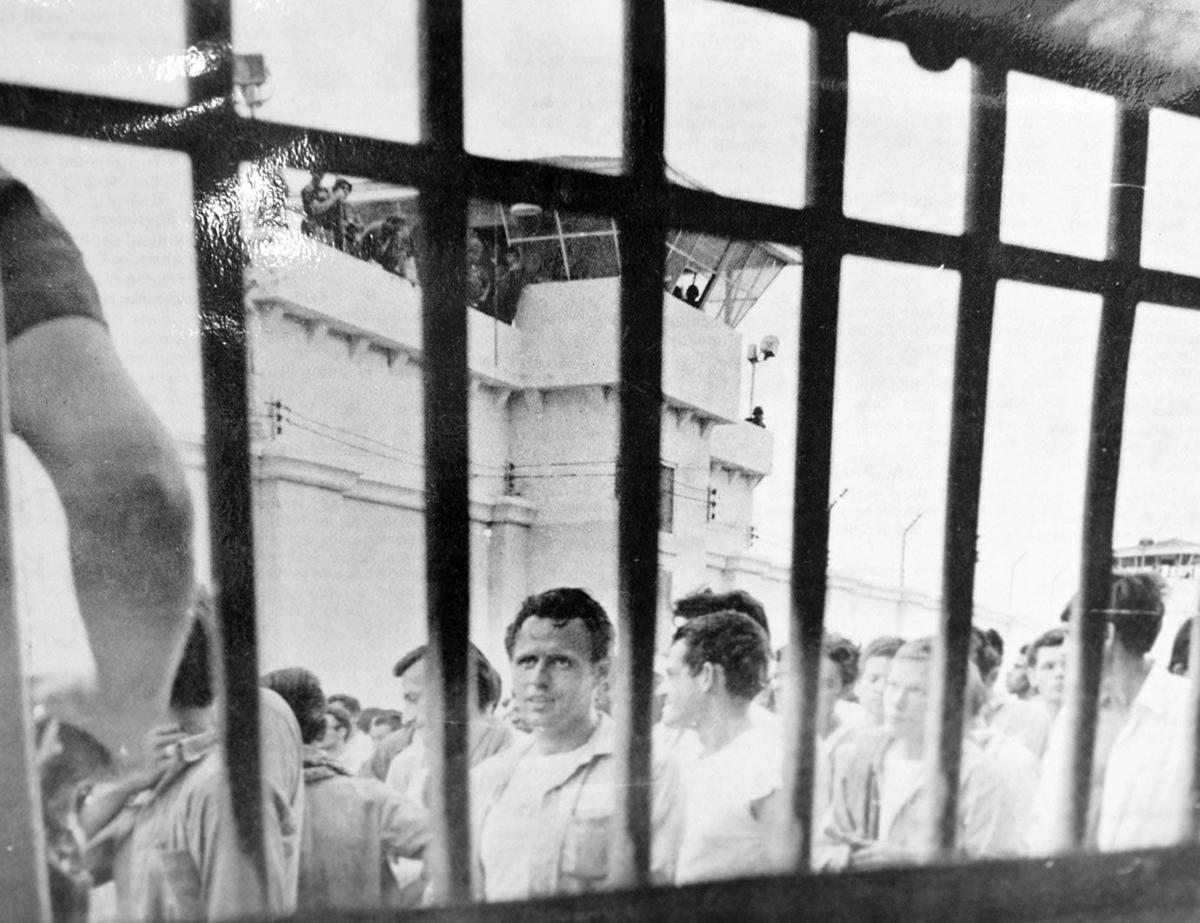
Uncovering the Worst Jail in America: Conditions, Oversight, and Reform in 2026
When evaluating the worst jail in America, penologists, civil rights attorneys, and federal oversight bodies consistently point to facilities plagued by severe overcrowding, extreme violence, architectural decay, and systemic administr...
When evaluating the worst jail in America, penologists, civil rights attorneys, and federal oversight bodies consistently point to facilities plagued by severe overcrowding, extreme violence, architectural decay, and systemic administrative failures. While public attention frequently shifts between various local detention centers, certain institutions remain under perpetual federal scrutiny due to constitutional violations and critical threats to human safety.
Contents
Historical Context and Systemic Failures of American Detention Facilities
The American correctional landscape is composed of thousands of local county jails, municipal lockups, and state-run detention facilities. Unlike prisons, which house convicted felons serving long-term sentences, jails primarily hold individuals awaiting trial, those serving short misdemeanor sentences, or individuals held on minor technical violations. This high-turnover population creates unique operational challenges, including intake surges, rapid medical assessments, and complex mental health triage.
Over the past several decades, systemic underfunding and political reluctance to invest in carceral infrastructure have led to severe degradation of physical plants. Facilities built to house a fraction of their current populations now operate at dangerous capacity levels. This overcrowding accelerates the decay of plumbing, ventilation, and electrical systems, creating environments that are hazardous to both incarcerated individuals and correctional staff.
Key Operational Strain: High-turnover pretrial populations severely strain intake protocols, frequently leading to missed medical screenings, delayed mental health interventions, and an inability to properly segregate violent offenders from vulnerable populations.
Criteria Used to Classify a Detention Center as Substandard
Evaluating which facility holds the designation of the worst jail in America requires looking beyond isolated incidents. Independent watchdogs, civil rights organizations, and federal investigators rely on objective metrics to assess the overall health and safety of a carceral institution.
- Violence and Staff-to-Inmate Ratios: High rates of assaults, homicides, and contraband prevalence driven by chronic understaffing.
- Constitutional Violations: Findings by the Department of Justice (DOJ) regarding violations of the Eighth and Fourteenth Amendments, specifically concerning cruel and unusual punishment and denial of due process.
- Medical and Mental Health Care: Inadequate access to licensed medical professionals, high rates of preventable deaths, and failure to provide acute psychiatric care.
- Physical Infrastructure: Uninhabitable living conditions, including lack of functioning sanitation, extreme temperature variations, mold, and structural decay.
- Length of Pretrial Detention: Inefficient court processing that leaves legally innocent individuals detained for months or years simply because they cannot afford financial bail.
Case Study: The Ongoing Crisis at Rikers Island
For years, the New York City Department of Correction facility complex on Rikers Island has been widely cited by human rights advocates, federal monitors, and legal experts as a prime example of systemic failure in American corrections. Despite ongoing mandates, political battles, and a legally binding federal consent decree initiated in 2015, the facility continues to struggle with entrenched operational dysfunction.
The challenges at Rikers Island illustrate the complex barriers to reform within large urban jail systems. Chronic absenteeism among correction officers, high levels of organizational corruption, and deeply entrenched institutional cultures have consistently thwarted attempts at internal remediation. The federal monitor appointed to oversee the facility has repeatedly warned that the situation approaches a point where external receivership becomes the only viable intervention to secure basic human safety.
Comparative Overview of Notorious Detention Facilities
To understand the broader landscape of substandard correctional institutions, it is helpful to examine facilities across different regions that face similar federal oversight and public condemnation.
| Facility Name | Location | Primary Oversight Issues | Federal Intervention Status |
|---|---|---|---|
| Rikers Island | New York City, NY | Extreme violence, staff absenteeism, operational dysfunction | Operating under a federal consent decree and ongoing monitor oversight |
| Fulton County Jail | Atlanta, GA | Severe overcrowding, structural violence, vector infestations | Active Department of Justice civil rights investigation |
| Cook County Jail | Chicago, IL | Mental health triage failures, historic overcrowding | Operating under a long-standing federal consent decree |
| Orleans Parish Prison | New Orleans, LA | Medical neglect, violence, infrastructural decay | Transitioning through various stages of consent decree compliance |
The Human Toll: Violence, Neglect, and Preventable Deaths
The direct consequence of administrative failure within substandard jails is measured in preventable trauma and loss of life. When security staff lose control of housing units, informal hierarchies emerge, giving rise to predatory behavior, extortion, and physical violence. Inmates frequently report living in constant fear of assault, relying on makeshift weapons for self-preservation because staff presence is minimal or absent inside the blocks.
Medical and mental health neglect represents another critical failure point. In many overcrowded facilities, sick call requests go unanswered for weeks, chronic conditions deteriorate without proper pharmacological management, and acute psychiatric crises are met with punitive isolation rather than clinical stabilization. The rising number of in-custody deaths—ranging from untreated medical emergencies to suicides stemming from prolonged isolation—underscores the immediate danger posed by these operational breakdowns.
Pathways to Reform and Federal Oversight Mechanisms
Reforming systemic failures within the most troubled American jails requires aggressive multi-pronged interventions that extend far beyond internal policy updates. Historically, sustainable change occurs only when external accountability forces structural compliance.
- Department of Justice Investigations: Title 34 of the United States Code allows the DOJ to investigate state and local correctional facilities exhibiting a pattern or practice of constitutional violations.
- Consent Decrees and Federal Receivership: When local authorities fail to voluntarily correct systemic abuses, federal courts can enforce binding consent decrees. In extreme cases, courts may strip local agencies of operational control and appoint an independent receiver.
- Bail Reform and Pretrial Diversion: Reducing the census of overcrowded jails by reforming financial bail systems and expanding diversion programs for non-violent, low-level offenders directly relieves operational strain.
- Decarceration and Facility Closure: Transitioning away from archaic physical plants by shutting down failing facilities and investing in community-based mental health and social service infrastructure.
Frequently Asked Questions
What makes a jail qualify as the worst in America?
A facility earns this designation through a documented history of federal civil rights violations, high rates of in-custody violence and preventable deaths, chronic understaffing, and uninhabitable physical conditions. Independent oversight bodies and the Department of Justice use these concrete metrics to measure systemic failure.
Why are local jails often worse than state or federal prisons?
Local jails handle high-volume, unpredictable intake populations and frequently operate with lower per-capita funding than state or federal systems. Because the population consists largely of pretrial detainees who have not been convicted, facilities often prioritize short-term containment over long-term rehabilitation or stable medical infrastructure.
What role does the Department of Justice play in reforming bad jails?
The DOJ investigates facilities under federal civil rights laws to determine if institutional practices violate constitutional rights. If violations are uncovered, the DOJ litigates or negotiates binding settlement agreements known as consent decrees to mandate structural reforms.
How does overcrowding impact safety inside correctional facilities?
Overcrowding strains basic infrastructure such as plumbing, food services, and medical intake, while simultaneously overwhelming staff-to-inmate ratios. This environment fosters increased tension, limits access to constructive programming, and reduces correctional officer visibility inside housing units.
Are there plans to close notorious facilities like Rikers Island?
Yes, municipal and state leaders have faced legislative mandates and public pressure to close archaic complexes like Rikers Island and replace them with smaller, modern, borough-based facilities equipped with specialized mental health and medical resources.
What is a federal consent decree in the context of jails?
A consent decree is a legally binding agreement between a local government and the federal government, approved by a judge, that forces a correctional facility to implement specific reforms under the watchful eye of an independent federal monitor.
Navigating the Future of American Corrections
Addressing the severe deficiencies present in the most troubled American jails requires a sustained commitment from lawmakers, judicial systems, and community stakeholders. As oversight mechanisms evolve and public demand for humane conditions grows, the path forward relies on moving away from archaic, warehouse-style detention models toward transparent, accountable, and legally compliant correctional standards.
Image Gallery