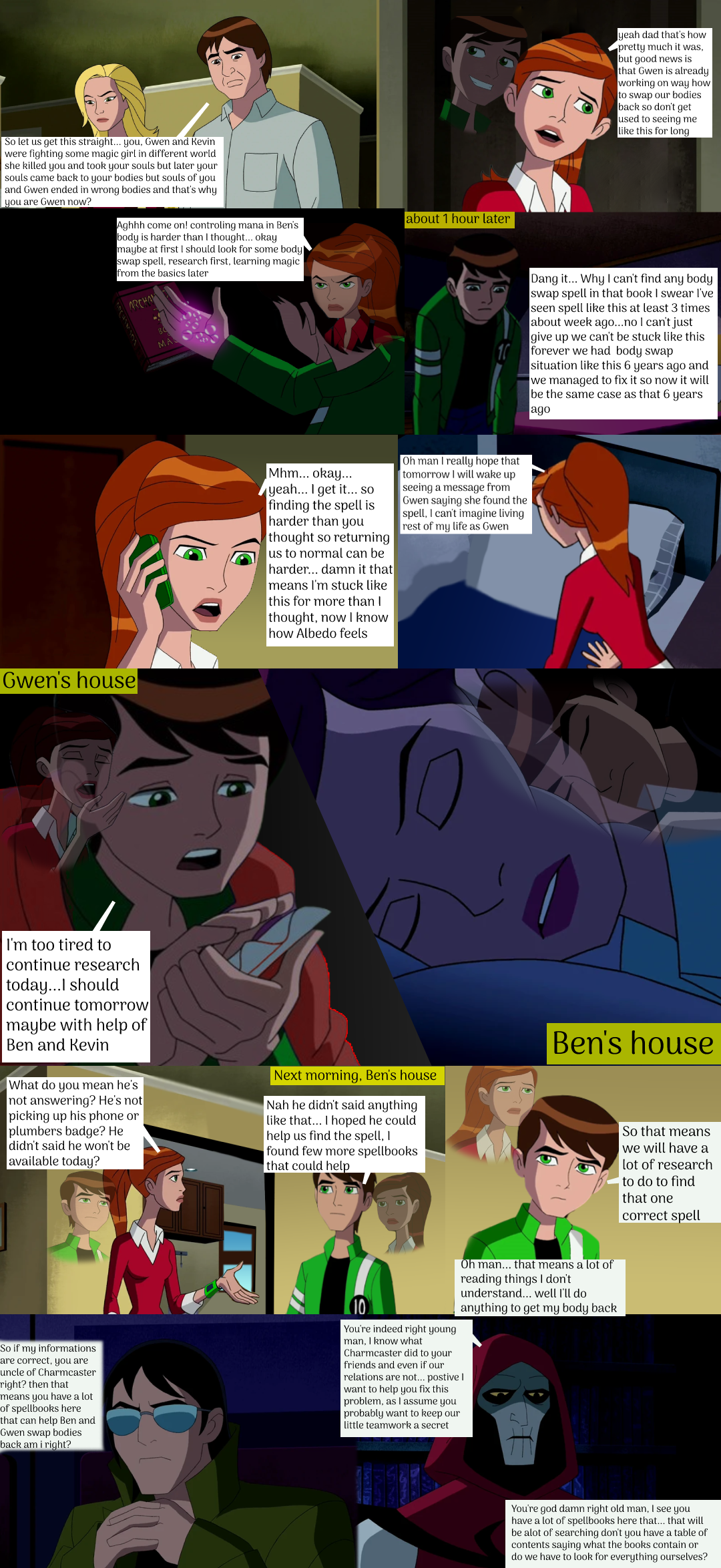
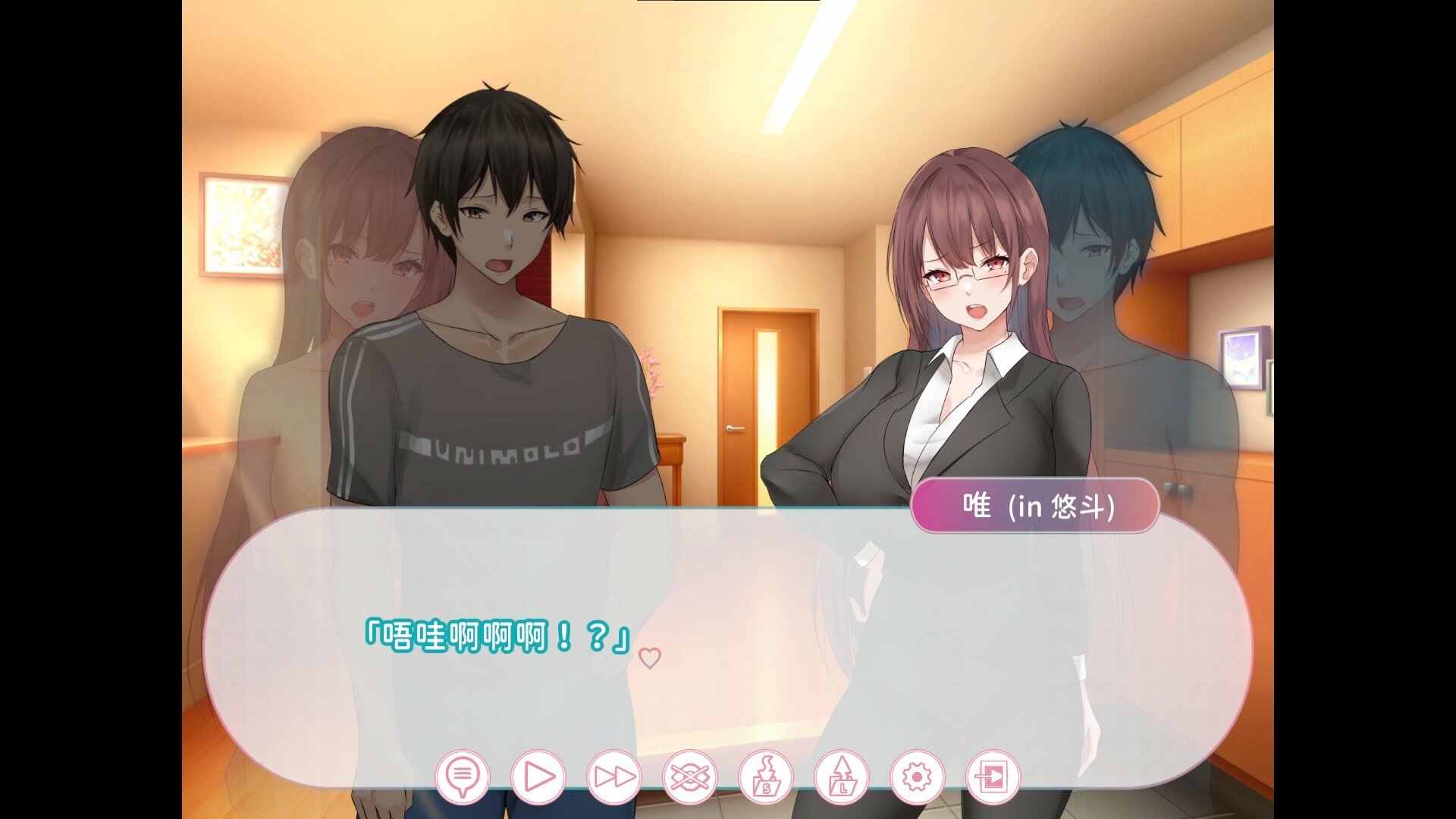
Master the Body Switch Story: Narrative Mechanics, Tropes, and Writing Blueprint
A body switch story (also known as a body swap narrative) is a fictional trope where two or more characters exchange physical bodies, consciousnesses, or perspectives through magical, technological, or cosmic intervention. This narrati...
A body switch story (also known as a body swap narrative) is a fictional trope where two or more characters exchange physical bodies, consciousnesses, or perspectives through magical, technological, or cosmic intervention. This narrative device forces characters to navigate life from an alien viewpoint, driving character development, revealing hidden vulnerabilities, and ultimately fostering profound empathy or existential transformation before the original status quo is restored or permanently altered.
Contents
The Psychological Core and Narrative Appeal of the Body Swap Trope
The body switch narrative remains one of the most resilient and versatile tropes across literature, film, television, and interactive media. At its core, the device transforms a internal psychological conflict into a visceral, external reality. By physically placing Character A into Character B’s life, the story strips away external masks and forces an unfiltered examination of identity, privilege, and interpersonal dynamics.
Writers leverage the body switch mechanism to explore several fundamental psychological themes:
- Radical Empathy and Perspective Realignment: Characters are forced to experience the daily friction, societal expectations, and personal burdens of someone they previously judged, misunderstood, or resented.
- Identity vs. Appearance: The story tests whether a person's essence lies in their physical vessel or their internal consciousness. It examines how society treats an individual based purely on outward aesthetics, age, gender, or social standing.
- The Exposure of Secrets: Inhabiting another person’s body means inheriting their unread messages, private routines, hidden illnesses, financial struggles, and confidential relationships, accelerating plot tension.
- Comedic and Dramatic Contrast: The discrepancy between how a character behaves and how their outward body is expected to act generates instant comedic friction or heightened dramatic suspense.
Whether utilized in high-concept Hollywood comedies, dark psychological thrillers, or speculative science fiction, the fundamental mechanics rely on contrasting two distinct worldviews. When executed correctly, the physical swap serves merely as the catalyst; the true narrative arc is the internal evolution of the protagonists.
Inciting Incidents and Catalyst Devices in Body Switch Fiction
To construct a believable body switch story, the mechanism of transfer—the catalyst—must fit the tone and rules of your fictional universe. The catalyst sets the narrative boundaries, indicating whether the story leans toward soft fantasy, hard science fiction, or psychological surrealism.
| DO NOT USE ASCII ART - ENSURE TABLE FORMAT IS USED INSTEAD |
|---|
Note on formatting: Narrative catalysts are categorized by genre conventions and structural rules below.
Magical and Relic-Based Catalysts
Common in traditional fables, romantic comedies, and fantasy literature, magical catalysts rely on ancient artifacts, mystical curses, or fortune-telling phenomena.
- Mystical Artifacts: Idols, matching amulets, ancient mirrors, or enchanted heirlooms that activate under specific alignment conditions.
- Spoken Wishes or Curses: A shared wish uttered simultaneously during a cosmic event (e.g., a falling star, a lunar eclipse) or a curse cast by an aggrieved figure.
- ** Karmic Intervention:** A supernatural entity or higher power enforcing a swap to teach arrogant or detached characters a vital life lesson.
Science Fiction and Technological Catalysts
In speculative fiction and cyberpunk narratives, consciousness transfer is grounded in technology, neuroscience, or bio-engineering.
- Neural Link Malfunctions: Experimental brain-computer interfaces (BCIs), memory-sharing devices, or virtual reality headsets that glitch during a synchronized sync.
- Quantum Entanglement & Bio-Digital Uploads: Synthetic body displacement, memory swapping via synthetic cortical stacks, or genetic re-sequencing protocols.
- Extraterrestrial or Laboratory Accidents: Exposure to exotic radiation, temporal anomalies, or unvetted military research experiments.
Psychological and Metaphorical Swaps
In literary fiction and surrealist drama, the switch may occur without explicit physical magic, operating as a shared delusion, a hypnotic state, or a stylized manifestation of trauma and codependency.
Structural Blueprint of a Body Switch Narrative
A compelling body switch narrative follows a structured arc that balances comedic/dramatic complications with emotional breakthroughs. The framework below outlines the classic six-stage structural model used by professional screenwriters and novelists.
| Narrative Phase | Story Engine & Character Goal | Key Plot Events & Dramatic Benchmarks |
|---|---|---|
| 1. The Pre-Swap World | Establish contrast, deep-seated conflict, and mutual misunderstanding. | Introduce the two leads in their natural environments. Highlight their flaws, blind spots, and why they judge or envy each other. |
| 2. The Inciting Catalyst | Trigger the swap through a thematic event or device. | The physical or mental transfer occurs. The characters wake up in each other's bodies, leading to immediate disorientation and panic. |
| 3. Initial Denial & Masking | Attempt to navigate the immediate schedule without getting caught. | The characters attempt to play off their altered behavior as illness, stress, or eccentricity while seeking a quick way to reverse the process. |
| 4. Complications & Escalation | Deepen the disruption of professional, social, and romantic spheres. | The characters inevitably ruin or radically reshape each other's routines. Character A solves a problem for Character B using their own unique skillset, with unintended consequences. |
| 5. Epiphany & Midpoint Shift | Shift from panic to genuine understanding and appreciation. | The characters discover hidden truths about each other's struggles (e.g., secret grief, social pressure, physical pain). True empathy takes root. |
| 6. Climax & Resolution | Overcome the final test together and achieve restoration (or acceptance). | Facing a high-stakes crisis where both must cooperate, they achieve a breakthrough. The swap is reversed, but both characters return permanently changed. |
Step-by-Step Writing Guide: Crafting an Engaging Swap Narrative
Executing a body switch plot requires careful attention to voice, sensory details, and logical consistency. Follow this step-by-step methodology to write a seamless narrative.
Step 1: Establish High-Contrast Characters
The success of a body switch story depends entirely on the contrast between your protagonists. If the characters share similar temperaments, social circles, and problem-solving styles, the swap loses its dramatic engine.
- Establish Opposing Values: Pair an overly organized perfectionist with a chaotic free spirit, an aging CEO with a struggling teenager, or a cynical detective with a naive idealist.
- Define Distinct Behavioral Markers: Give each character unique physical mannerisms, vocal cadence, postural habits, and speech patterns so the reader immediately recognizes who is speaking, even inside a different body.
Step 2: Ground the Physicality and Sensory Experience
Do not treat the new body as merely a costume. Inhabiting a different vessel comes with distinct physical sensations that affect how a character interacts with the environment.
- Sensory Orientation: Describe changes in height, center of gravity, vocal pitch, eyesight, chronic pain, or physical strength.
- Autonomic Habits: Show the character instinctively reaching for a habit they no longer possess (e.g., reaching to push up glasses when they no longer wear them, or adjusting to a vastly different stride length).
Step 3: Maintain Voice Consistency Across Visual Switching
The central technical challenge in writing a body switch novel or script is ensuring the reader never loses track of who holds the inner consciousness versus who owns the outer shell.
Execution Strategy for POV Control
When writing in First-Person ("I"), the voice remains strictly that of the visiting consciousness, but their physical descriptions must reflect the host body.
When writing in Third-Person Limited, maintain the internal monologue of the visiting character while using external dialogue tags that reflect how surrounding characters perceive them.
Step 4: Construct the "Skills and Toolsets" Crossover
A powerful narrative beat occurs when Character A uses their specific talents to solve a crisis in Character B’s life that Character B was unable to fix themselves.
- Example: A shy accountant inhabiting the body of a charismatic executive uses analytical rigour to uncover corporate fraud, while the executive, inhabiting the accountant's body, uses raw assertiveness to stand up to an overbearing manager.
Common Pitfalls and How to Avoid Them
Even seasoned writers can fall into repetitive traps when utilizing the body switch trope. Avoiding these critical errors ensures your manuscript maintains pacing and narrative integrity.
Pitfall 1: Total Erasure of Voice Differentiation.
- The Risk: The characters sound identical once swapped, making the dialogue feel flat and confusing.
- The Fix: Draft character voice guides before writing. Ensure that Character A’s internal thoughts retain their specific vocabulary, idioms, and logical cadence regardless of whose body they occupy.
Pitfall 2: Superficial Stakes and Lack of Emotional Payoff.
- The Risk: Relying entirely on wardrobe mishaps, mirror double-takes, and basic bathroom humor without addressing underlying emotional conflicts.
- The Fix: Ensure the swap forces both characters to confront personal flaws they were actively ignoring prior to the switch.
Pitfall 3: Ignoring Daily Logistics and Suspicion.
- The Risk: Friends, spouses, and coworkers completely ignore radical shifts in personality, memory, and baseline skills without questioning them.
- The Fix: Show secondary characters noticing the oddities. Force swapped characters to invent plausible cover stories (e.g., claiming memory loss, neurological fatigue, or a sudden life epiphany).
Modern Subversions: Evolving the Trope for Contemporary Audiences
As narrative storytelling evolves, audiences demand fresh takes on traditional tropes. Modern fiction frequently subverts standard body swap expectations through creative twists.
Asymmetrical and Multi-Person Swaps
Rather than a standard 1:1 trade, the story introduces asymmetrical dynamics:
- Chain Swaps: Character A swaps into B, B into C, and C into A, creating a complex triangle of identity management.
- One-Way Consciousness Drift: One character absorbs the consciousness of another without losing their own, resulting in two distinct voices inhabiting a single mind.
The Permanent Swap (No Reset Button)
Traditional body swap stories conclude with a return to the original status quo. A powerful modern subversion removes the reversal mechanism entirely. Characters are forced to make peace with their permanent reality, building a new life within their acquired circumstances and accepting the permanent loss of their original identities.
Cyberpunk and Digital Consciousness Transfers
In speculative fiction, body switching becomes a commercialized service or a dystopian reality. Rich elites purchase young, healthy synthetic hosts ("sleeves" or "vessels"), turning the body switch into an exploration of class dominance, systemic inequality, and post-human ethics.
Frequently Asked Questions
What defines a body switch story versus a shape-shifting narrative?
A body switch story requires two or more distinct consciousnesses actively exchanging physical vessels or entering each other's bodies. Shape-shifting involves a single character altering their own physical appearance or cellular structure to impersonate someone else without taking over another person's actual mind or ongoing life.
How do you handle dialogue tags in a body swap novel?
In written prose, dialogue tags generally reflect the physical speaker as perceived by external characters, while the internal narrative clarifies the true identity of the consciousness. For instance, write: "I need to check the ledger," said Marcus, speaking through Sarah's soprano voice.
Can a body switch story work in serious or dramatic fiction?
Yes. While popular in comedy, dramatic body switch stories focus deeply on dysmorphia, identity loss, grief, systemic oppression, and trauma. Dark thrillers use the mechanism to highlight the loss of bodily autonomy, psychological manipulation, or existential horror.
What is the most common reason a body swap gets reversed?
In classic narrative arcs, the swap reverses when both characters achieve complete emotional alignment, learn the underlying lesson of empathy, and overcome the core conflict that initially triggered the catalyst.
How do sci-fi body swap stories handle memory retention?
Sci-fi narratives typically explain memory retention through neural synchronization or dual-brain access. The visiting consciousness retains its core identity while gaining passive access to the host body's muscle memory, sensory habits, and biological responses.
Elevate Your Narrative Crafting
Mastering the body switch story requires balancing comedic situational mechanics with genuine emotional growth. By establishing distinct character voices, maintaining tight sensory grounding, and avoiding superficial tropes, you can construct a compelling narrative that resonates with readers.
Begin by mapping your two leads: define their core flaws, their opposing worldviews, and the exact lesson only their counterpart's perspective can teach them.
Image Gallery