Understanding U.S. Life Expectancy at Birth: Trends, Factors, and Projections for 2026
As of 2026, U.S. life expectancy at birth is approximately 77.8 years, reflecting a period of stabilization and modest recovery following the historic declines seen during the early 2020s. This metric represents the average number of y...
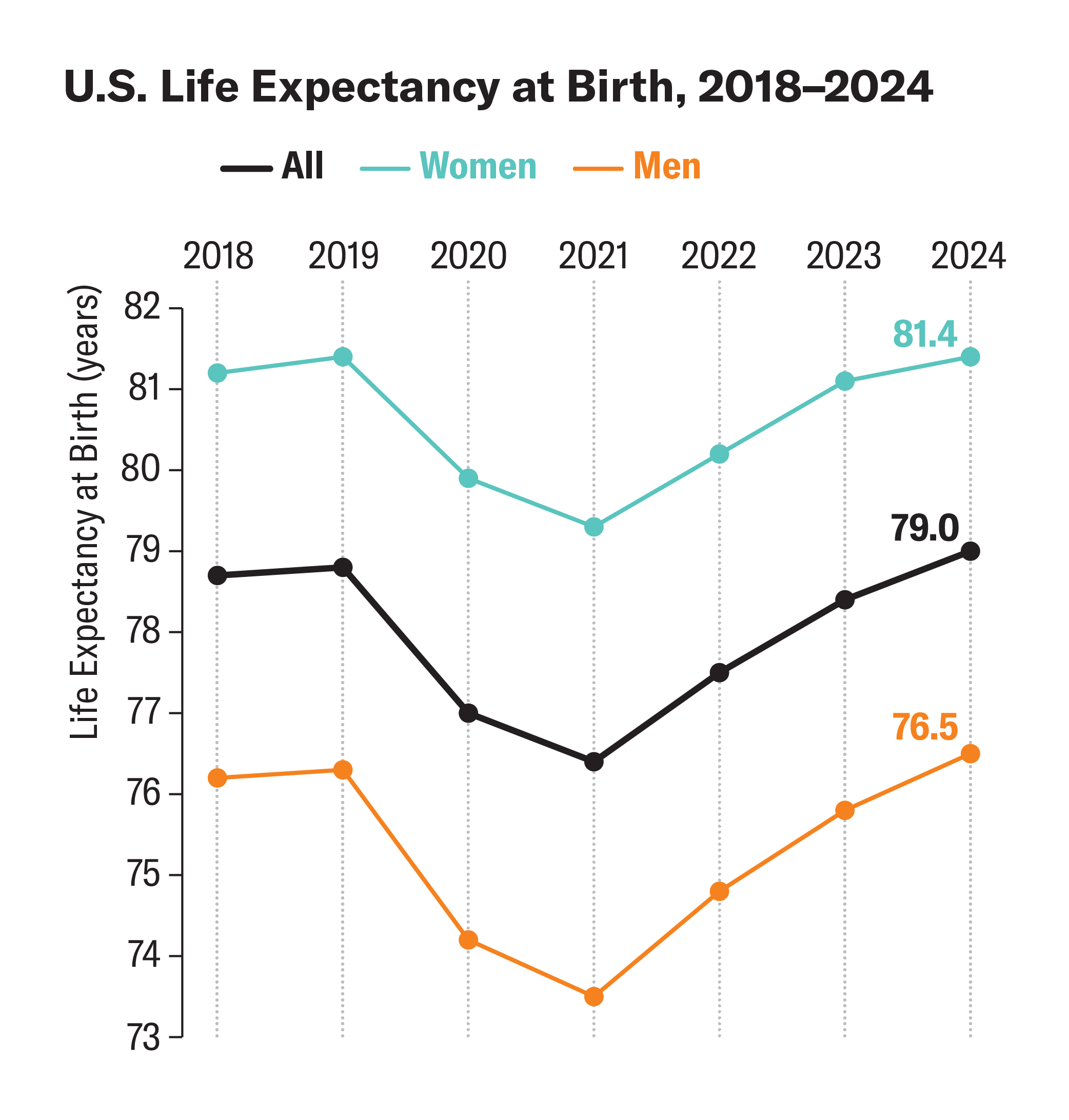
As of 2026, U.S. life expectancy at birth is approximately 77.8 years, reflecting a period of stabilization and modest recovery following the historic declines seen during the early 2020s. This metric represents the average number of years a newborn is expected to live if current mortality patterns remain constant throughout their lifetime. While recent data shows improvement from the 2021 low of 76.4 years, the United States continues to face challenges from chronic disease, substance use disorders, and socioeconomic disparities that keep its longevity trailing behind other high-income nations.
Contents
The Evolution of Longevity in the United States
For most of the 20th century, U.S. life expectancy followed a consistent upward trajectory. Advances in public health, such as improved sanitation, the development of vaccines, and better maternal care, dramatically reduced infant mortality. Mid-century progress was driven by breakthroughs in cardiovascular medicine and tobacco cessation programs. By the early 21st century, the U.S. reached a peak of nearly 79 years.
However, this progress began to stall around 2014. Unlike other G7 nations, the United States experienced a plateau and eventual slight decline in life expectancy even before the onset of the COVID-19 pandemic. This stagnation was largely attributed to "deaths of despair"—a term coined by economists Anne Case and Angus Deaton to describe deaths from drug overdoses, alcoholic liver disease, and suicide. By 2026, the data indicates that while the acute impact of the pandemic has receded, these underlying societal issues remain the primary drag on national longevity.
Key Drivers of Recent Life Expectancy Fluctuations
The volatility in life expectancy over the last several years can be traced to several specific causes of death. Understanding these drivers is essential for public health officials and policymakers who are working to restore the historical trend of increasing lifespan.
The Impact of the COVID-19 Pandemic
The pandemic caused the largest two-year decline in life expectancy since the early 1940s. While 2022 and 2023 saw a "rebound effect" as mortality from the virus dropped, the recovery has not been uniform. Some populations returned to pre-pandemic levels more quickly, while others continue to experience lingering effects from delayed medical screenings for cancer and heart disease that occurred during the height of the crisis.
The Opioid Epidemic and Synthetic Drugs
Drug overdose deaths remain a critical factor in lowering life expectancy, particularly because these deaths disproportionately affect younger adults. The shift toward synthetic opioids, specifically fentanyl, increased the lethality of substance use disorders. Because life expectancy at birth is heavily influenced by deaths at younger ages, the loss of thousands of individuals in their 20s, 30s, and 40s has a much more profound impact on the statistical average than deaths occurring among the elderly.
Chronic Metabolic and Cardiovascular Disease
Heart disease remains the leading cause of death in the United States. While medical interventions have improved, the rising prevalence of obesity and type 2 diabetes has created a countervailing force. By 2026, the long-term impact of these chronic conditions is visible in the middle-aged population, where mortality rates have stayed higher than in peer countries. Public health efforts have shifted toward addressing "social determinants of health," such as access to nutritious food and safe environments for physical activity.
Demographic Disparities in U.S. Mortality
National averages often mask significant differences between demographic groups. Life expectancy in the United States is deeply influenced by gender, race, ethnicity, and geography.
The Gender Gap
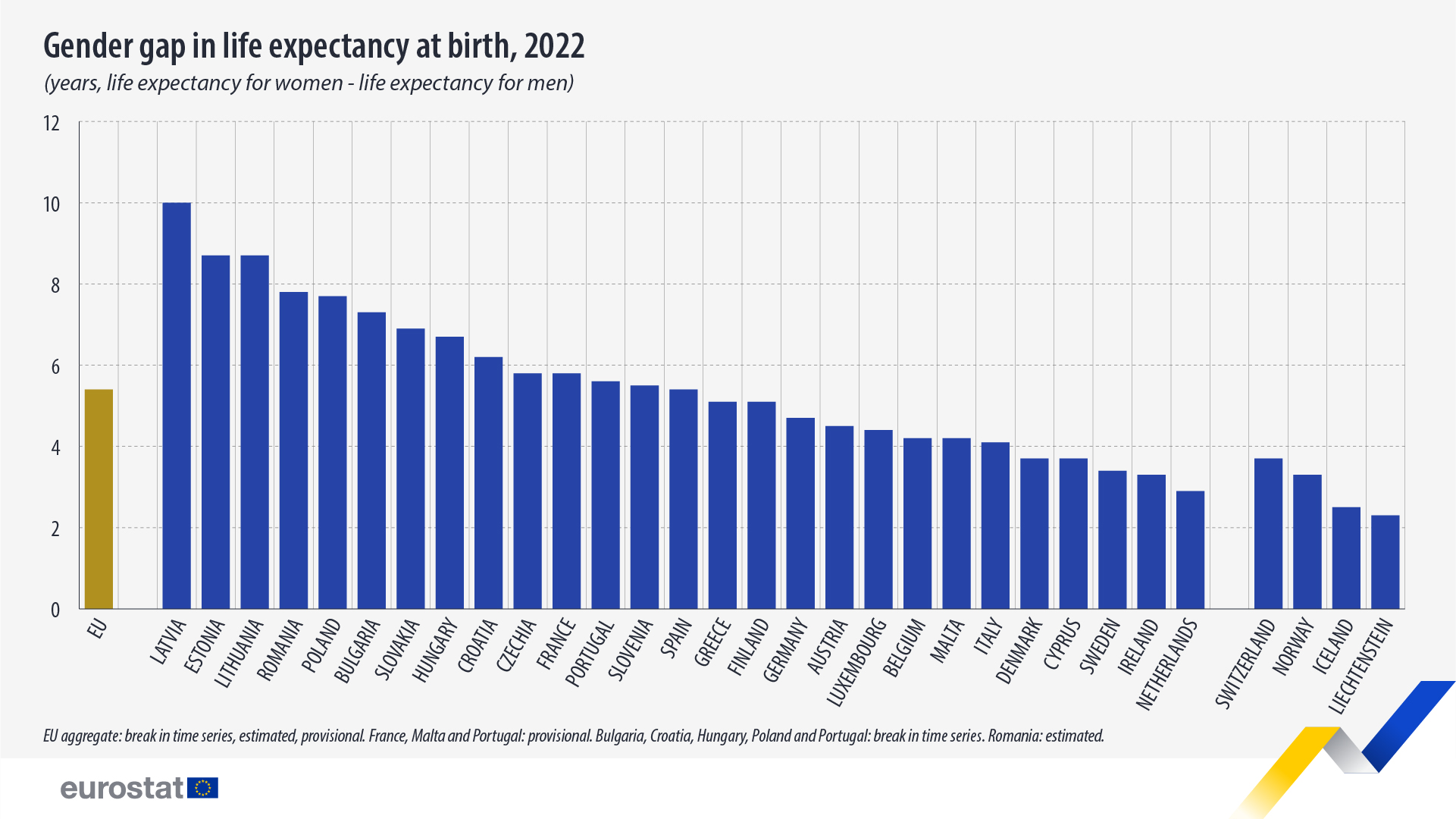
Historically, women live longer than men in the United States. As of 2026, this gap persists, with female life expectancy roughly 5 to 6 years higher than male life expectancy. Men are statistically more likely to die from external causes, such as unintentional injuries, homicide, and suicide. Furthermore, men generally utilize preventative healthcare services at lower rates than women, leading to later-stage diagnoses of treatable conditions.
Racial and Ethnic Variations
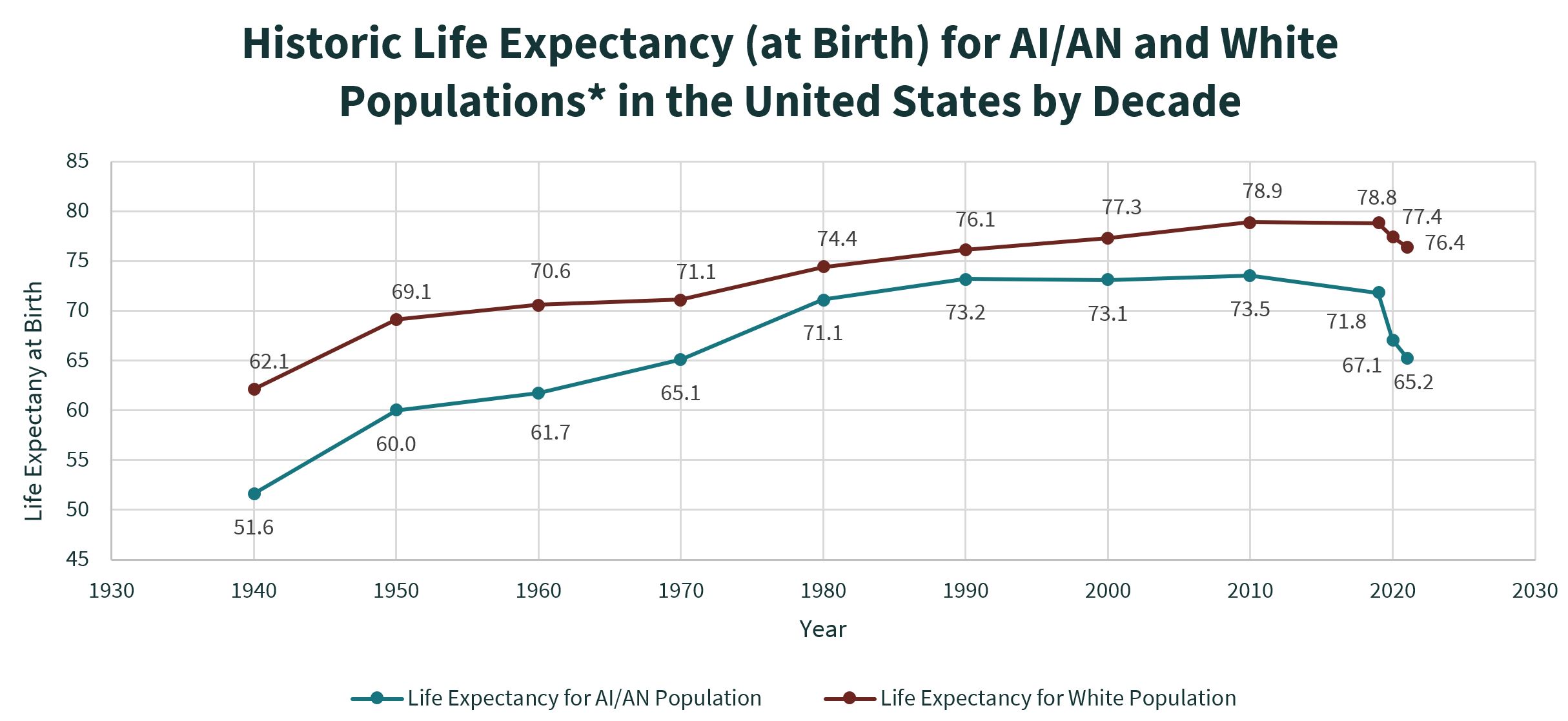
Data from the Centers for Disease Control and Prevention (CDC) and the National Center for Health Statistics (NCHS) consistently show wide variations in life expectancy across different groups. Hispanic and Asian populations in the U.S. historically have higher life expectancies than White populations, a phenomenon sometimes referred to as the "immigrant paradox" or "Hispanic paradox," although this gap narrowed during the pandemic. Conversely, Black and American Indian/Alaska Native (AIAN) populations face significantly lower life expectancies, driven by systemic inequalities in healthcare access, higher rates of chronic illness, and environmental factors.
Geographic Influence
Where a person lives in the U.S. can determine their life expectancy by a margin of more than a decade. States in the Southeast and parts of the Midwest often report lower life expectancy figures compared to states in the Northeast and the West Coast. These differences are linked to state-level policies regarding healthcare expansion, tobacco taxes, and investments in public infrastructure.
International Comparison: The U.S. Health Disadvantage
The United States spends more on healthcare per capita than any other nation, yet its life expectancy remains lower than that of almost all other high-income countries. This phenomenon is often called the "U.S. Health Disadvantage."
| Country | Life Expectancy at Birth (2024-2026 Est.) | Primary Factors |
|---|---|---|
| Japan | 84.8 Years | Low obesity rates, high-quality diet, universal healthcare. |
| Switzerland | 84.2 Years | High standard of living, extensive social safety nets. |
| Spain | 83.5 Years | Mediterranean diet, strong community support systems. |
| Canada | 82.9 Years | Single-payer healthcare, lower rates of violent death. |
| United Kingdom | 81.2 Years | National Health Service (NHS), though facing recent backlogs. |
| United States | 77.8 Years | High rates of chronic disease, drug overdoses, and violence. |
This table illustrates that the U.S. is an outlier among its peers. The gap is not just among the elderly; rather, Americans have higher mortality rates at every age up to 75 compared to people in these other nations. Researchers at the National Academies of Sciences, Engineering, and Medicine point to factors such as highly fragmented healthcare systems, higher poverty rates, and more frequent use of firearms as reasons for this discrepancy.
Improving Longevity: Personal and Policy Actions
Reversing the downward pressure on life expectancy requires a dual approach: individual behavioral changes and broad policy reforms.
Individual Preventive Health
At the personal level, the most effective way to influence one's own "expected" lifespan is through the management of modifiable risk factors.
- Regular Screenings: Early detection of hypertension (high blood pressure) and high cholesterol can prevent the onset of cardiovascular disease.
- Vaccination: Staying current with respiratory vaccinations reduces the risk of acute mortality among vulnerable populations.
- Lifestyle Modifications: Tobacco cessation remains the single most effective individual action for extending lifespan. Additionally, reducing processed sugar intake and increasing daily physical movement are critical for managing the obesity epidemic.
Public Health and Policy Interventions
On a national scale, moving the needle on life expectancy requires addressing the root causes of premature death.
- Mental Health and Addiction Services: Increasing access to medication-assisted treatment (MAT) for opioid use disorder and expanding mental health crisis resources can reduce "deaths of despair."
- Maternal Health Initiatives: Reducing the high rate of maternal mortality, particularly among Black women, is a priority for increasing life expectancy at birth.
- Environmental Policy: Reducing exposure to pollutants and improving urban walkability can have long-term benefits for respiratory and metabolic health.
Frequently Asked Questions
Why is U.S. life expectancy lower than in Europe?
U.S. life expectancy is lower primarily due to higher rates of accidental deaths (including overdoses and motor vehicle accidents), higher rates of homicide, and a higher prevalence of chronic metabolic diseases like obesity and diabetes. Additionally, the U.S. healthcare system lacks the universal access and primary care focus found in most European nations, leading to inconsistent management of treatable conditions.
How did the COVID-19 pandemic change the long-term outlook?
The pandemic caused a sharp, temporary drop, but its long-term effect is seen in "Long COVID" and the exacerbation of the mental health crisis. By 2026, the direct mortality from the virus has stabilized, but the pandemic shifted demographic trends, such as accelerated retirement and changes in healthcare delivery, which continue to influence how we measure and improve longevity.
What is the difference between "life expectancy" and "lifespan"?
Life expectancy is a statistical measure of the average time an organism is expected to live based on the year of its birth and other demographic factors. Lifespan refers to the maximum number of years an individual of a species can live. While the human lifespan hasn't changed significantly, life expectancy changes based on societal conditions and medical progress.
Is life expectancy in the U.S. currently increasing or decreasing?
As of 2026, life expectancy is seeing a slight upward trend or "correction" from the sharp declines of 2020-2021. However, this growth is slow and has not yet consistently surpassed the peak reached in 2014, as the rise in drug-related deaths and chronic illnesses continues to offset gains made in other areas of medicine.
Does income affect life expectancy at birth?
Yes, there is a strong correlation between socioeconomic status and life expectancy. Individuals in the highest income brackets can expect to live up to 15 years longer than those in the lowest brackets. This is due to better access to high-quality food, safer living environments, lower stress levels, and superior healthcare services.
Recommended Next Actions
To gain a deeper understanding of your own health trajectory, it is recommended to consult the Social Security Administration’s Life Expectancy Calculator, which provides estimates based on your current age and gender. For those interested in regional data, the CDC's Interactive Atlas of Heart Disease and Stroke offers a localized view of the factors currently impacting mortality in specific U.S. counties. Staying informed about local public health initiatives and participating in routine medical check-ups remains the most effective way to navigate the current longevity landscape.
Image Gallery