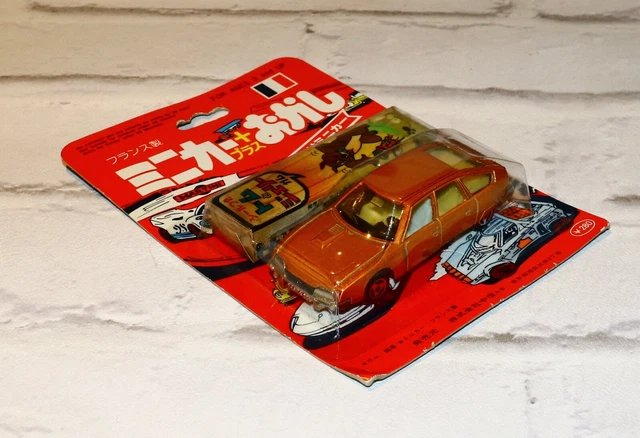
Identifying and Collecting Majorette Made in France Die-Cast Cars
Majorette "Made in France" refers to die-cast toy vehicles produced by the iconic French manufacturer from its inception in 1961 until the late 1990s and early 2000s. Recognizable by the "Made in France" stamp on their baseplates, thes...
Majorette "Made in France" refers to die-cast toy vehicles produced by the iconic French manufacturer from its inception in 1961 until the late 1990s and early 2000s. Recognizable by the "Made in France" stamp on their baseplates, these vintage models are prized by collectors for their unique suspension, authentic French car designs, and historical significance in the toy industry.
Contents
The Origins of a French Icon: From Rail-Route to Majorette
The story of Majorette began in 1961 when Émile Véron founded the company "Rail-Route" in Rillieux-la-Pape, near Lyon, France. Initially, the company produced model railway accessories, but it quickly pivoted to die-cast vehicles to compete with established brands like Matchbox and Dinky Toys. In 1966, the brand was officially renamed Majorette.
Throughout the 1970s and 1980s, Majorette became the largest toy manufacturer in France and one of the largest in the world. The "Made in France" era is characterized by a high level of vertical integration; the design, molding, painting, and assembly primarily took place within the French borders. This period is often referred to as the "Golden Age" of the brand, during which the quality of the zinc alloy (Zamac) and the innovative suspension systems set Majorette apart from its American and British competitors.
By the mid-1990s, economic pressures and shifts in the global manufacturing landscape led to a series of ownership changes. The company was acquired by Idéal Loisirs in 1993, then by Smoby in 2003, and finally by the Simba Dickie Group in 2010. During these transitions, production was gradually moved to Thailand, marking the end of the mainstream "Made in France" era. In 2026, collectors view the French-made models as the definitive versions of the brand’s heritage, representing a specific period of European industrial craftsmanship.
Technical Specifications and Identification Marks
Identifying a genuine French-made Majorette requires looking beyond the brand logo. Because the company reused molds for decades, some modern reissues might look similar to vintage models, but the baseplate contains the vital evidence of origin.
The Baseplate Signature
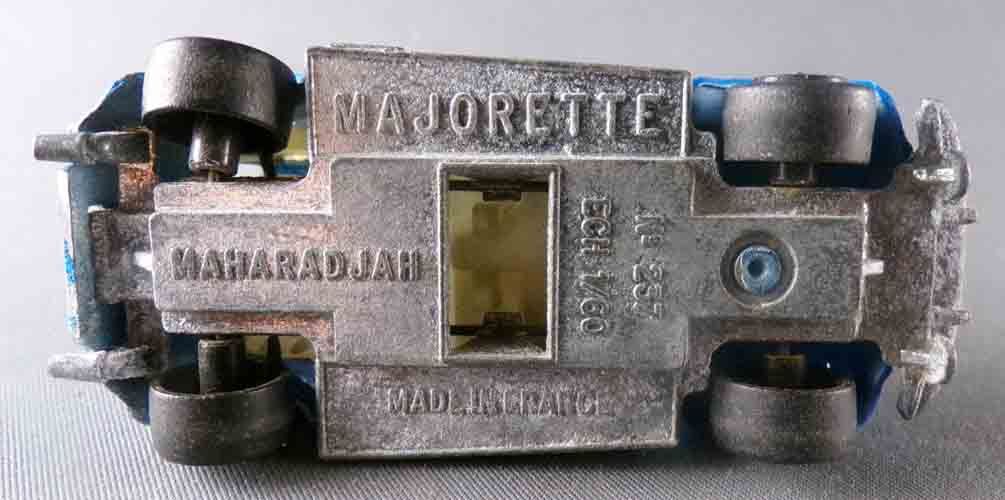
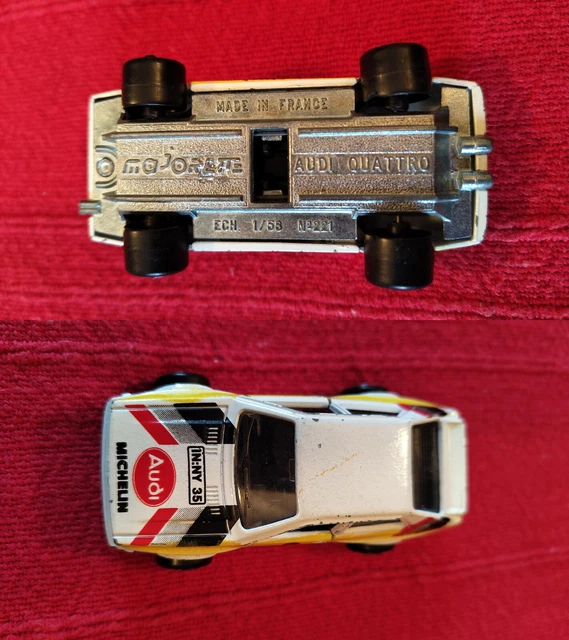
The most reliable indicator is the embossed text on the underside of the vehicle. A vintage Majorette will clearly state "MADE IN FRANCE" along with:
- The Model Name: Usually in French (e.g., "Pompier" for fire truck).
- The Scale: Often marked as "ECH" followed by the ratio (e.g., ECH 1/60).
- The Reference Number: A three-digit number corresponding to the series (e.g., 200 series).
Material Evolution
During the French production era, baseplates underwent a material transition. Early models (1960s to mid-1980s) almost exclusively featured metal (Zamac) baseplates, giving the cars a significant "hand-feel" or weight. In the late 1980s and early 1990s, as a cost-cutting measure, the factory began transitioning many models to plastic baseplates, though they still carried the "Made in France" stamp. For serious collectors in 2026, the metal-on-metal (metal body and metal base) versions are generally considered more desirable and durable.
The Suspension System
One of Majorette’s most famous technical features was its "piano wire" suspension. Unlike many competitors that used stiff axles, French-made Majorettes featured a flexible wire system that allowed the wheels to bounce, mimicking the feel of a real car. This suspension is a hallmark of French engineering from that period and is a quick way to verify the authenticity of a vintage piece.
Categorizing the "Made in France" Series
Majorette organized its production into several distinct series, each targeting different price points and levels of detail. Understanding these series is essential for navigating the secondary market in 2026.
| Series Name | Primary Scale | Key Characteristics | Typical Models |
|---|---|---|---|
| 200 Series | 1/50 - 1/65 | The most common range; featured opening parts and suspension. | Renault 5, Peugeot 205, Citroën CX |
| 300 Series | 1/50 - 1/65 | Deluxe versions, often including trailers, boats, or caravans. | Semi-trucks, cars with gliders |
| 600 Series | 1/100 | Known as "Majorette 600," these were smaller, simpler trucks. | Construction vehicles, tankers |
| Norev/Majorette | 1/43 | Larger scale models produced during brief collaborations. | Luxury sedans, racing cars |
The 200 Series: The Collector’s Backbone
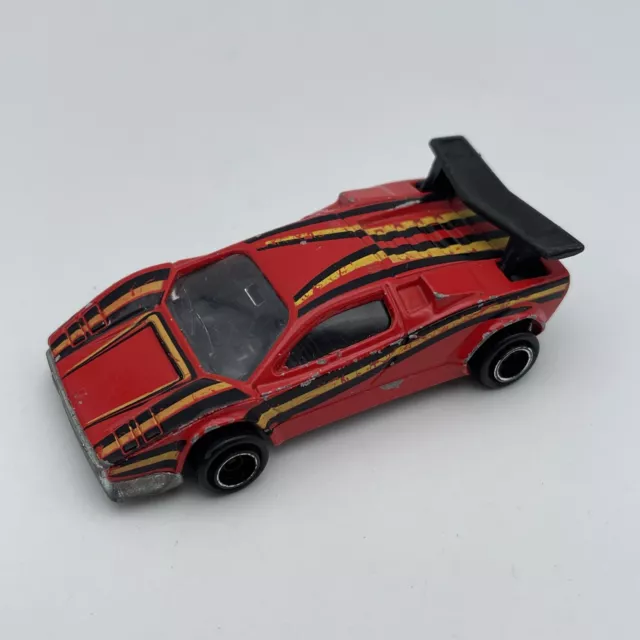
The 200 Series is the heart of the "Made in France" legacy. These models were designed to be "pocket money" toys but featured impressive details such as translucent plastic headlights (rather than painted ones), opening doors or hoods, and detailed interior moldings. The variety was immense, covering everything from standard French hatchbacks to international supercars like the Lamborghini Countach.
Why "Made in France" Still Matters in 2026
The preference for French-manufactured Majorettes over modern Thai-manufactured versions is not merely a matter of nationalistic pride; it is rooted in material quality and design philosophy.
- Casting Sharpness: The original French molds were maintained with high precision. Collectors often note that "Made in France" castings have crisper lines and more accurate proportions compared to later versions where the molds may have become worn or were simplified for faster mass production.
- Paint Quality: French production utilized robust enamel paints that were remarkably resistant to "zinc pest" (oxidation) and chipping. The color palette of the 1970s and 80s—featuring vibrant neons, deep metallics, and accurate "PTT" (French Post) yellow—is highly evocative of the era.
- Niche Subjects: The French factory produced models of vehicles that were rarely seen in the catalogs of Hot Wheels or Matchbox. This includes specific French utility vehicles like the Saviem trucks, the Citroën Acadiane, and the Matra Simca Bagheera. For enthusiasts of European automotive history, these are indispensable.
Evaluation and Market Value
As of 2026, the market for "Made in France" Majorettes has matured significantly. Value is determined by a combination of rarity, condition, and the presence of original packaging.
Condition Grading
- Mint in Box (MIB): The car is untouched, and the "blister" (packaging) is uncracked and un-yellowed. These command the highest prices, often exceeding €50–€100 for common models and much more for rare variations.
- Near Mint / Loose: The car has been removed from the box but shows no visible paint chips or axle damage.
- Play-worn: The car shows signs of heavy use (scratched windows, chipped paint). While these have lower monetary value, they are often sought after for restoration projects or "customs."
Rarity Factors
Rare wheel variations—such as the early "three-spoke" design or the "star" wheels—can significantly increase the value of a French-made model. Additionally, promotional models (cars branded for specific companies like "Esso" or "St-Yorre") produced in limited runs are high-priority items for specialists.
Challenges in Collecting Vintage Majorette
Collecting these items is not without its difficulties. One of the primary issues is the fragility of the plastic components used in the 1980s. The clear plastic used for windshields can become brittle over time, and the internal plastic clips that hold the suspension in place can snap if the car is handled too roughly.
Furthermore, because Majorette was a "play" brand, finding examples in 2026 that haven't been subjected to years of sandbox use is difficult. Unlike some high-end adult collectibles, Majorettes were meant to be used, meaning the survival rate for pristine examples is lower than one might expect for a mass-produced item.
Verifying Authenticity and Avoiding Common Mistakes
When purchasing a "Made in France" Majorette, especially through online auctions or estate sales, keep the following checklist in mind:
- Check the Rivets: Ensure the rivets on the bottom of the car are smooth and factory-original. If they look drilled out or replaced with screws, the car has been tampered with or restored.
- Inspect the Windows: French-made models often had slightly tinted windows (blue, yellow, or smoke). Clear windows on a model that usually has tint might indicate a part replacement from a later Thailand-made version.
- The "Made in France" Text: Be wary of listings that claim "French heritage" but show a baseplate where the "Made in France" text has been blanked out or replaced with "Made in Thailand." Some transition-era molds had the country name physically ground off the mold, which collectors refer to as "blanked bases."
Frequently Asked Questions
Did Majorette ever produce cars in France after 2010?
While the primary mass-production shifted to Thailand under the Simba Dickie Group, there have been occasional "Heritage" or "Limited Edition" sets designed in France. However, these are typically assembled in the Thailand facility. The era of high-volume French manufacturing effectively ended in the early 2000s.
How can I tell the difference between a 1970s and a 1990s French Majorette?
Look at the wheels and the base. 1970s models almost always have metal bases and "primitive" wheel designs. 1990s models often have plastic bases, more modern "chrome" wheel designs, and may feature more complex tampo-printing (graphics) instead of the solid paint colors common in the 70s.
Are "Made in France" Majorettes more valuable than Matchbox?
Value is subjective, but in the realm of European car models (like Renault, Peugeot, and Citroën), Majorette is generally more valuable and sought-after because they produced castings that Matchbox ignored. For American car castings, Matchbox often holds the price edge.
What is the most famous Majorette "Made in France" model?
The Citroën DS and the 2CV are arguably the most iconic. However, the Volkswagen Beetle (Reference 203) with its opening hood and rear engine detail is also a perennial favorite among global collectors.
Can I still find these in original packaging?
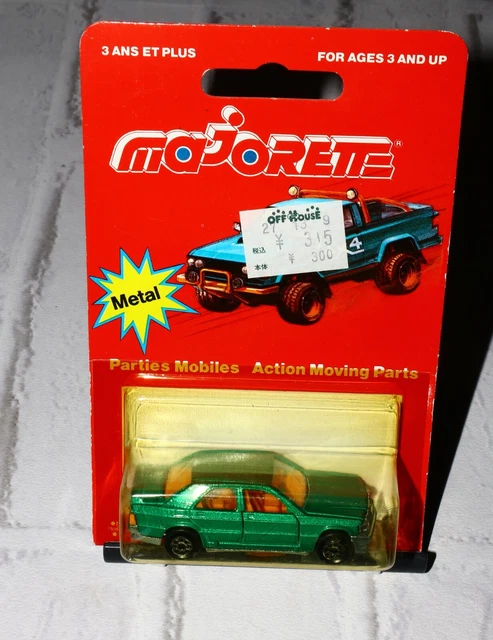
Yes, but it is becoming increasingly rare in 2026. Look for "Old New Stock" (ONS) from toy stores that closed down or from dedicated collectors' estates. The "blister" cards with the orange and red Majorette logo are the classic French-era packaging.
Final Recommendations for Collectors
For those looking to begin or expand a collection of "Made in France" Majorette vehicles in 2026, the best course of action is to focus on a specific niche—either a certain era (e.g., the 1970s "Metal Base" era) or a specific car manufacturer. Attending toy fairs in France or Germany often yields better results than global online platforms, as local European markets still have a higher density of these vintage items. Always prioritize the structural integrity of the suspension and the clarity of the baseplate markings to ensure you are acquiring a genuine piece of French toy history.
Image Gallery