5 Milestones in The Crow Movie (2024) Journey: From Development Hell to Theatrical Release
The 2024 cinematic reimagining of The Crow, directed by Rupert Sanders and starring Bill Skarsgård, reached movie theaters following an arduous 16-year development cycle. Its journey was defined by five major milestones: overcoming chr...
The 2024 cinematic reimagining of The Crow, directed by Rupert Sanders and starring Bill Skarsgård, reached movie theaters following an arduous 16-year development cycle. Its journey was defined by five major milestones: overcoming chronic production gridlock, assembling a modern creative team, completing principal photography in Prague, securing distribution through Lionsgate, and executing its August 2024 theatrical launch.
Contents
Understanding the Legacy of The Crow
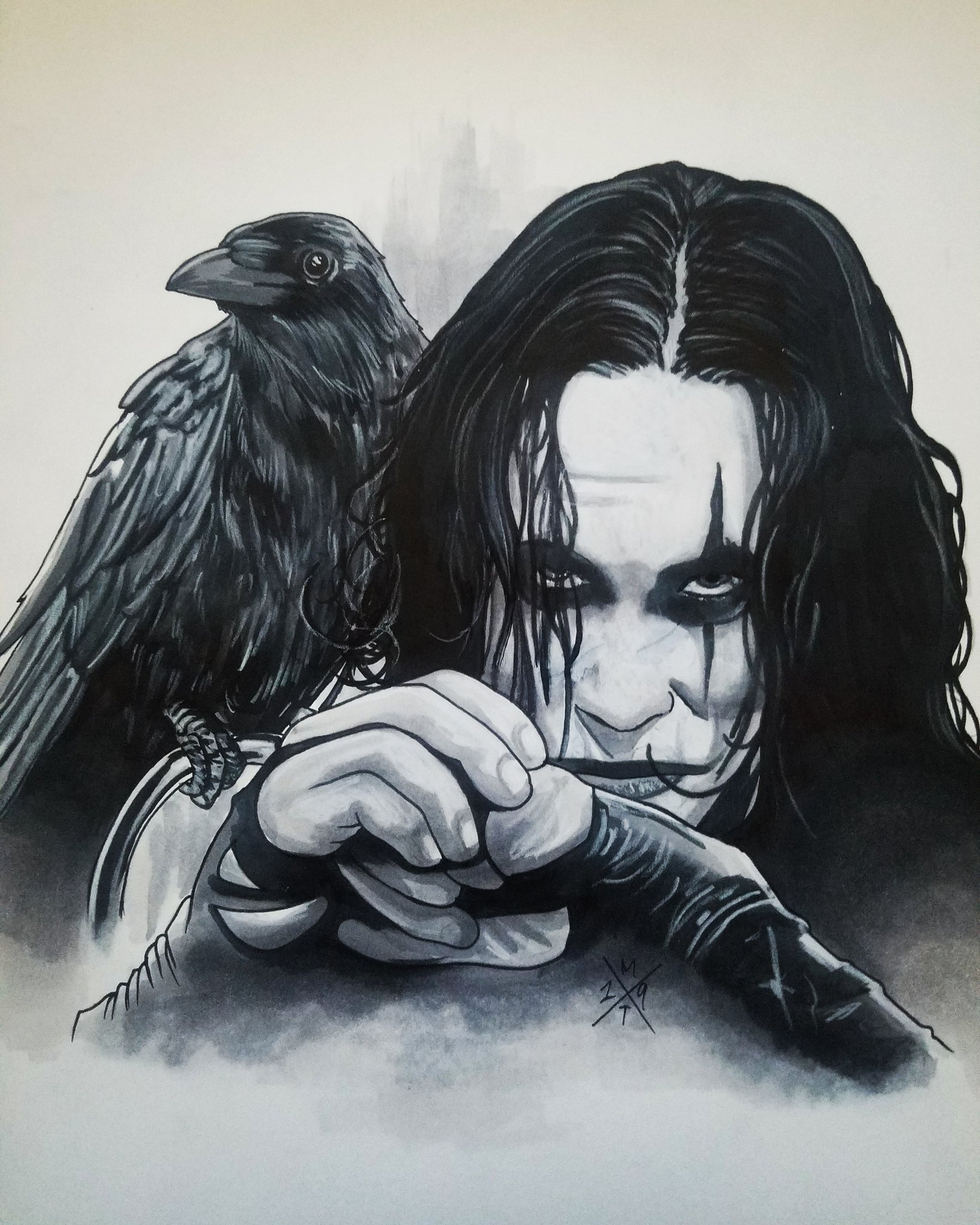
James O'Barr created The Crow in 1989 as a deeply personal graphic novel driven by grief, romantic loss, and violent redemption. The narrative gained monumental cinematic status in 1994 with Alex Proyas' film adaptation starring Brandon Lee. Tragically, Brandon Lee died during production due to an onset accidental shooting incident, casting a profound historical and emotional shadow over the franchise. While three film sequels (The Crow: City of Angels, The Crow: Salvation, and The Crow: Wicked Prayer) and a television series followed, none captured the cultural impact of the original.
For over two decades, rights holders sought to modernize the property for a new generation of filmgoers. However, attempts to reboot the IP faced unprecedented friction, creative differences, financial volatility, and hesitation from fans protective of Brandon Lee's legacy. Re-adapting O'Barr's original graphic novel required navigating both technical film packaging challenges and delicate artistic expectations.
Milestone 1: Overcoming a Decade of Development Hell (2008–2021)
The effort to produce a modern reimagining of The Crow officially began in 2008 when filmmaker Stephen Norrington announced plans to write and direct a "reinvention" of the original comic book. Unlike the 1994 film, Norrington aimed for a grounded, realistic aesthetic. However, by 2011, creative shifts led to Norrington's departure, initiating one of Hollywood's most notorious development cycles.
- 2008: Norrington Project Announced
- 2011-2015: Relativity Media Rights & Bankruptcy
- 2016-2018: Hardy/Momoa Attachment
- 2022: Sanders Greenlight
Over the next decade, an array of high-profile directors and lead actors rotated through the project:
- 2011–2012: Director Juan Carlos Fresnadillo attached, with actors such as Bradley Cooper and Mark Wahlberg considered for the lead role of Eric Draven.
- 2013–2015: Director F. Javier Gutiérrez and actor Luke Evans took over the project, intending to closely follow James O'Barr's comic text. Production stalled when production house Relativity Media filed for Chapter 11 bankruptcy in 2015, freezing corporate assets and project licensing.
- 2016–2018: Director Corin Hardy signed on alongside Jason Momoa to star in a project titled The Crow Reborn. Pre-production advanced significantly in Hungary, but financial and creative friction between rights-holder Samuel Hadida's Davis Films and distributor Sony Pictures led to Hardy and Momoa formally exiting the project in mid-2018.
This prolonged period of instability highlighted the core challenge facing the film: reconciling diverse artistic visions with complex international licensing rights while attempting to honor the source material without alienating long-standing fans.
Milestone 2: Packaging the Modern Creative Team (Early 2022)
The project's definitive turning point occurred in early 2022, when a fresh creative package came together under new producer alignment. Director Rupert Sanders, recognized for his visual styling in Snow White and the Huntsman (2012) and Ghost in the Shell (2017), signed on to helm the feature. Screenwriters Zach Baylin (an Academy Award nominee for King Richard) and William Josef Schneider were tasked with drafting a screenplay that re-centered the narrative around a modern romantic tragedy.
- Rupert Sanders (Director) + Zach Baylin (Writer)
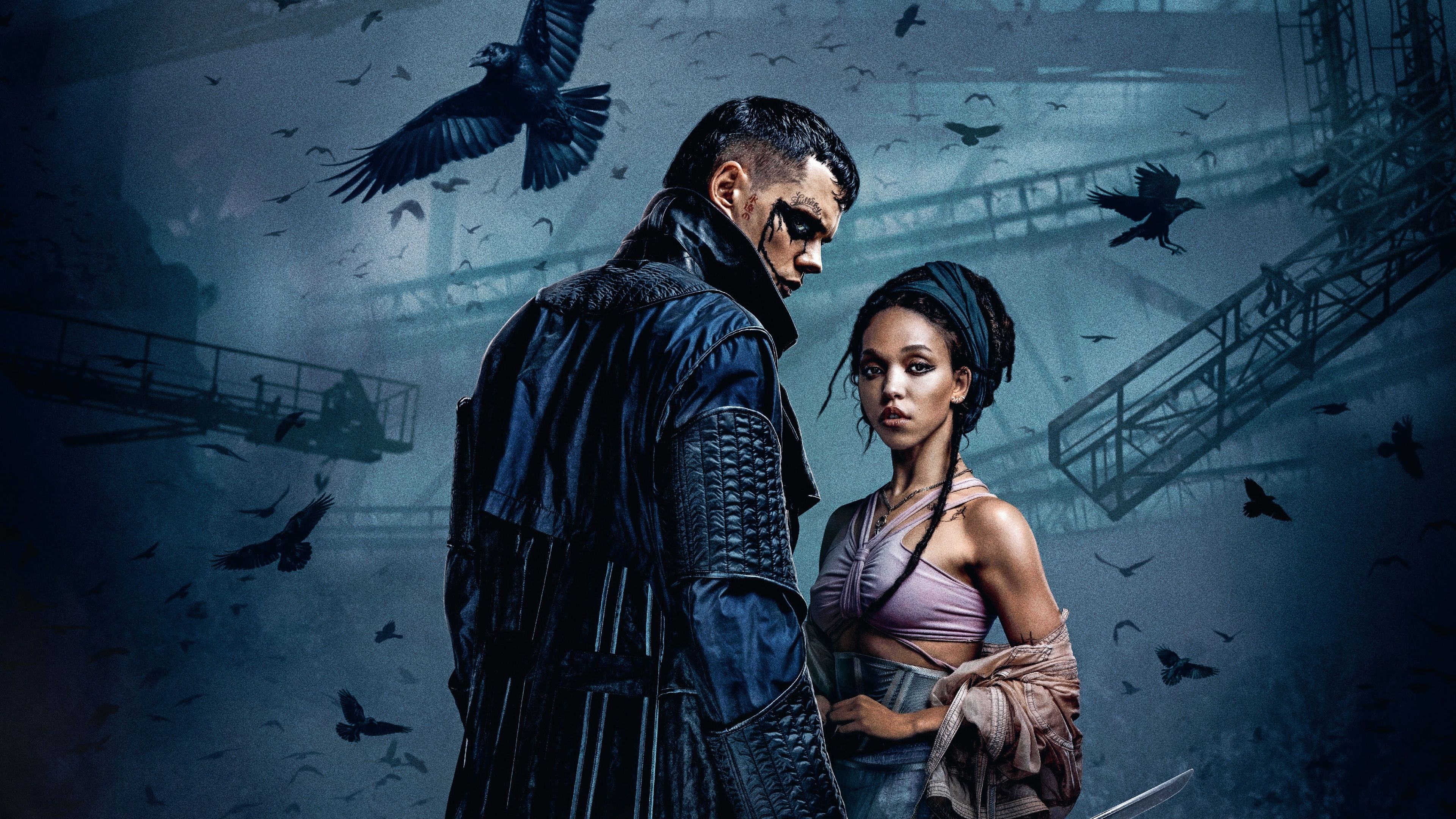
- Bill Skarsgård (Eric Draven) & FKA Twigs (Shelly Webster)
- FilmNation International Sales Packaging (Cannes 2022)
- Bill Skarsgård (Eric Draven) & FKA Twigs (Shelly Webster)
In April 2022, Swedish actor Bill Skarsgård—widely acclaimed for his portrayal of Pennywise in Stephen King's It—was cast in the lead role of Eric Draven. To reinvent the female lead of Shelly Webster from a brief device into an active co-protagonist, the production cast musician and actor FKA Twigs (Tahliah Debrett Barnett).
In May 2022, FilmNation Entertainment presented the project at the Cannes Film Market to secure international distribution pre-sales. With a reported budget in the $50 million range financed by Edward R. Pressman Film, Davis Films, and Hassell Free Productions, the film established solid commercial backing, officially exiting development hell.
Milestone 3: Principal Photography in Prague (Summer 2022)
With financing locked and talent secured, principal photography began in July 2022. Production was centered in Prague, Czech Republic, utilizing both historic urban locations and stage facilities at P3 Prague Horní Počernice film studios. Additional soundstage work and secondary filming took place in Munich, Germany.
- July 2022: Filming Starts in Prague
- Czech Tax Incentive Utilization
- September 2022: Production Wrap
- 2023: VFX & Sound Post-Production
Choosing Prague provided distinct advantages for the production team:
- Visual Aesthetic: Central European architecture supplied a gritty, timeless urban backdrop that complimented the film's dark visual tone.
- Financial Incentives: The Czech Republic's production rebate program allowed the production to maximize its budget across complex action choreography and visual effects.
- Production Scale: The team constructed detailed set builds for dark underworld clubs, industrial settings, and an ornate opera house sequence that serves as the film's climactic centerpiece.
Director of photography Steve Annis worked alongside Rupert Sanders to establish a modern aesthetic distinct from the high-contrast, black-and-white gothic frames of the 1994 original. Instead, the 2024 film introduced post-punk and modern streetwear visual influences, high-intensity color palettes in specific sequences, and realistic, tactile combat choreography. Filming wrapped officially in September 2022, transitioning into an extended post-production phase throughout 2023.
Milestone 4: Domestic Distribution Acquisition by Lionsgate (September 2023)
Securing a major North American theatrical distributor represented the fourth major hurdle. In September 2023, Lionsgate acquired the domestic distribution rights to The Crow for an estimated $25 million during a competitive bidding environment.
- September 2023: Lionsgate Domestic Acquisition ($25M)
- Early 2024: Marketing Campaign Launch
- Schedule Adjustment to August 23, 2024
Lionsgate saw the title as a strong addition to its genre slate, targeting an R-rated theatrical window. The distributor initially slated the film for release in June 2024 before strategically shifting the theatrical debut to August 23, 2024, to optimize screen availability and premium format placements.
The marketing campaign launched in March 2024 with the debut of the official trailer and promotional stills. The reveal sparked intense online debate. Critics and original film devotees discussed Eric Draven’s updated character design—featuring modern face tattoos and a mullet hairstyle—while director Rupert Sanders defended the artistic direction as an homage to modern music icons like Post Malone and Lil Peep rather than a copy of the 1990s goth subculture.
Milestone 5: The August 2024 Theatrical Release and Modern Legacy
The culmination of the project occurred on August 23, 2024, when The Crow premiered in theaters across North America and internationally. Arriving 30 years after Alex Proyas' 1994 original, the film represented a rare case of a project surviving nearly two decades of production reboots to reach moviegoers worldwide.
- August 23, 2024: Wide North American Release
- Critical & Box Office Evaluation
- Digital VOD Window
- Historical IP Context
Upon release, the movie delivered a distinctly different narrative pacing than its predecessor. The first half of the 2024 film focused heavily on establishing the romance between Eric and Shelly in a rehab facility before their tragic murders, dedicating the second half to brutal, supernatural vengeance.
Commercial performance during its initial theatrical run was soft, opening to $4.6 million domestically against strong competition. Critical commentary praised Bill Skarsgård’s physical commitment, the opera house action sequence, and the musical score by Volker Bertelmann, though critics remained divided on the deliberate pacing and tonal shifts from the source comic. Shortly after its theatrical window, the film transitioned to digital premium video-on-demand (PVOD) channels, cementing its place as a unique piece of modern comic book film history.
Key Milestones Summary of The Crow (2024) Production Timeline
| Milestone Phase | Year / Period | Key Creative & Industry Figures Involved | Core Objective & Achievement | Industry Significance |
|---|---|---|---|---|
| 1. Development Hell Navigation | 2008–2021 | Stephen Norrington, Corin Hardy, Luke Evans, Jason Momoa, Relativity Media | Resolving legal, financial, and studio bankruptcies across rotating talent packages | Demonstrated the difficulty of updating sensitive kult IP amidst corporate restructuring |
| 2. Talent Packaging & Cannes Sales | Early 2022 | Rupert Sanders, Bill Skarsgård, FKA Twigs, Zach Baylin, FilmNation | Locking in core cast/crew and securing international pre-sales backing | Established a clear budget (~$50M) and unified artistic focus around modern romance |
| 3. Principal Photography | Summer 2022 | Rupert Sanders, Steve Annis, Czech Film Commission | Completing physical shooting across Prague and Munich locations | Utilized European tax incentives and real architecture to craft a modern visual tone |
| 4. Distribution Rights Sale | September 2023 | Lionsgate Motion Picture Group, Edward R. Pressman Film | Lionsgate buying domestic rights for ~$25M and setting release strategy | Guaranteed wide theatrical distribution and global marketing positioning |
| 5. Global Theatrical Debut | August 23, 2024 | Lionsgate, Bill Skarsgård, Rupert Sanders | Reaching worldwide theaters 16 years after initial project announcement | Completed the long production lifecycle and introduced the IP to contemporary audiences |
Critical Factors That Defined the 2024 Reboot's Creative Direction
Understanding the 2024 release requires examining how director Rupert Sanders and his team deliberately diverged from earlier iterations of the franchise:
1. Expanded Narrative Structure
In the 1994 film, Eric Draven returns from the dead within the opening minutes, with his relationship with Shelly revealed through brief memories and flashbacks. The 2024 film inverted this structure, spending approximately forty minutes exploring Eric and Shelly’s shared trauma, escape from a rehab facility, and deepening romantic connection before their deaths occurred. This choice aimed to give Eric's subsequent vengeance deeper emotional weight.
2. Redefining the Visual Identity
Rather than retaining the 1990s industrial goth aesthetic—defined by trench coats, leather pants, and face paint modeled after Alice Cooper or the Baushaus movement—the 2024 production adopted a post-punk, contemporary aesthetic. Skarsgård’s Eric features delicate ink tattoos across his face and torso, reflecting modern alternative youth culture, modern street fashion, and contemporary underground music scenes.
3. Hyper-Violent Choreography
The action sequences in the 2024 film embraced a high-intensity R rating. The centerpiece of the movie—a battle through a Vienna opera house set to classic classical arrangements—showcased practical stunt work combined with extreme visceral violence, contrasting elegant staging with graphic combat.
Frequently Asked Questions
Why did it take 16 years for The Crow (2024) to be made?
The movie spent years in development hell due to recurring studio bankruptcies (notably Relativity Media in 2015), legal rights disputes, director departures, and lead actors leaving due to scheduling conflicts or creative differences. Reinterpreting a property connected to the legacy of Brandon Lee added extra caution for incoming filmmakers.
Who played Eric Draven in The Crow 2024 movie?
Swedish actor Bill Skarsgård played Eric Draven. Skarsgård is best known for his performance as Pennywise the Dancing Clown in It (2017) and It Chapter Two (2019), as well as key roles in John Wick: Chapter 4 and Barbarian.
Is The Crow (2024) a remake of the 1994 movie?
No. Director Rupert Sanders stated that the 2024 film is a new adaptation of James O'Barr’s original 1989 graphic novel rather than a direct remake of Alex Proyas’ 1994 cinematic adaptation. While it shares core plot elements, it reimagines the characters, romantic relationship, and modern visual setting.
Where was The Crow (2024) filmed?
Principal photography took place primarily in Prague, Czech Republic, using city locations alongside soundstage facilities at P3 Prague Horní Počernice studio. Secondary filming and post-production work were conducted in Munich, Germany.
Who directed the 2024 version of The Crow?
The movie was directed by British filmmaker Rupert Sanders, whose previous feature directorial credits include the fantasy adventure Snow White and the Huntsman (2012) and the live-action cyber-punk adaptation Ghost in the Shell (2017).
Viewing Guidance and Final Takeaway
For viewers evaluating The Crow (2024), approaching the film with an understanding of its history provides key context. Rather than treating the project as a substitute for Brandon Lee's classic 1994 film, viewers should evaluate it as a distinct interpretation of James O'Barr's tragic romance themes, shaped by modern filmmaking techniques and contemporary aesthetic trends.
Film enthusiasts interested in cinema history, production packaging, and adapted screenplays can study the 16-year timeline of The Crow as a clear case study in how intellectual property navigates changing studio landscape, financing markets, and creative directions over decades.
Image Gallery