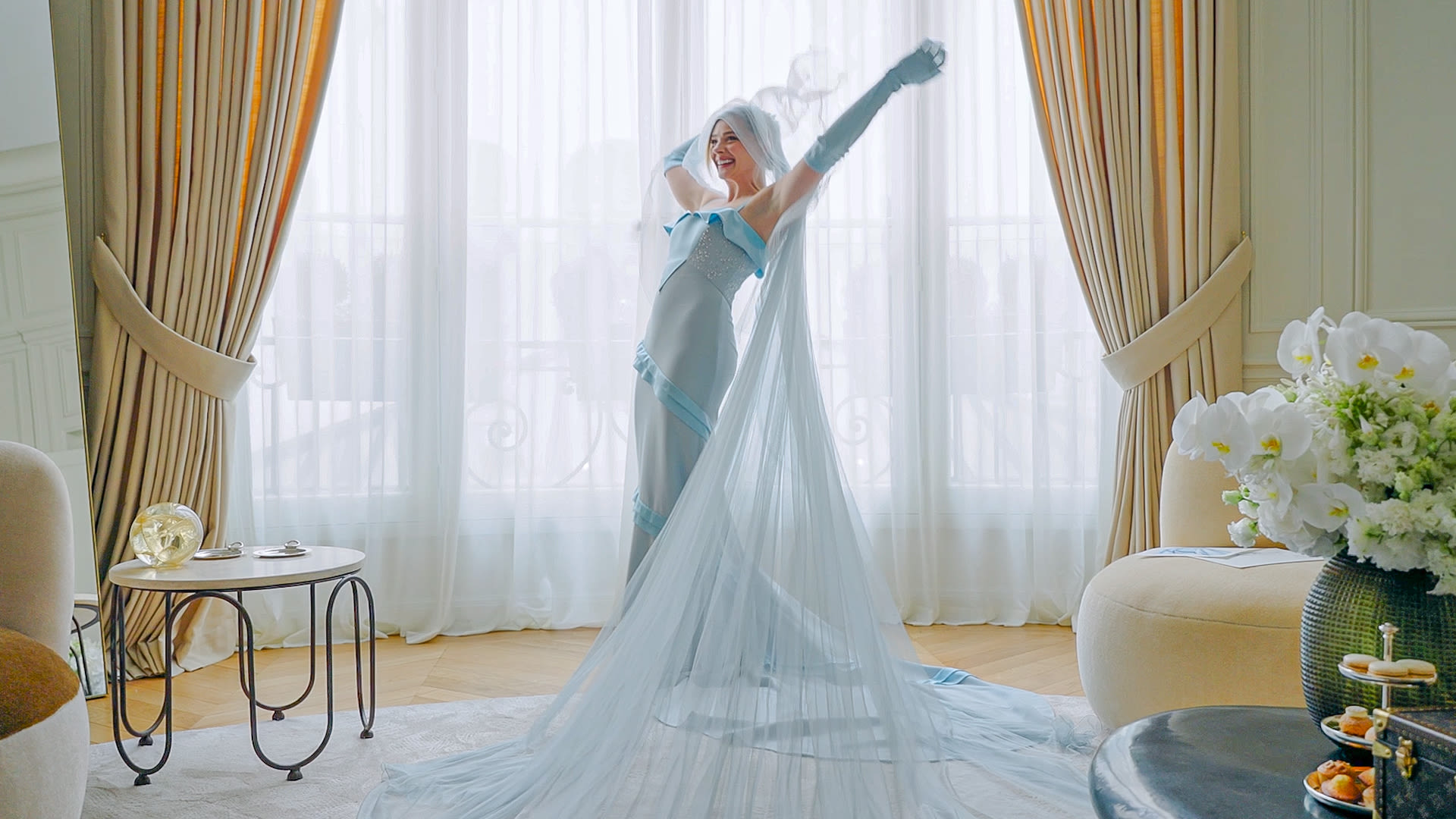
Decoding the Media Narrative: Inside the Chloe Grace Moretz See Through Dress Moment
The "Chloe Grace Moretz see-through dress moment" refers to a specific instance in 2016 during the Paris Fashion Week, where the actress attended the Chanel Spring/Summer 2017 show wearing a lace-detailed ensemble. This event garnered...
The "Chloe Grace Moretz see-through dress moment" refers to a specific instance in 2016 during the Paris Fashion Week, where the actress attended the Chanel Spring/Summer 2017 show wearing a lace-detailed ensemble. This event garnered significant media attention due to the garment's transparency, sparking widespread public discourse regarding celebrity fashion choices, red carpet scrutiny, and the evolution of personal branding in the digital era.
Contents
Contextualizing the 2016 Chanel Event
The incident occurred during Paris Fashion Week in October 2016. Chloe Grace Moretz, then 19 years old, was a prominent fixture in the fashion and film circuit, having transitioned from a child star to a major industry player. As a guest of the luxury house Chanel, Moretz appeared at the Grand Palais to view the collection. The outfit in question was a delicate, black lace piece that featured sheer paneling, which captured the cameras of international press photographers immediately upon her arrival.
In the mid-2010s, high-fashion houses were increasingly pivoting toward "sheer" aesthetics—using lace, organza, and tulle to create sophisticated, yet revealing silhouettes. While this design choice was common among runway models, it often elicited a different, more scrutinized reaction when worn by young actresses. The discourse surrounding the dress was characterized by the tension between artistic fashion-forwardness and the traditional expectations placed upon young women in the public eye.
The Dynamics of Fashion Scrutiny
The intensity of the reaction to the dress can be attributed to the intersection of celebrity culture and social media commentary. By 2016, platforms like Instagram and Twitter had become primary vehicles for fashion critique. When high-resolution images of the event reached the public, they were rapidly analyzed by fashion blogs, tabloids, and social media influencers.
This moment serves as a case study in how celebrity wardrobes are often subjected to moralistic framing. Critics often focus on the appropriateness of "nude" or "sheer" looks, whereas fashion experts tend to view these choices through the lens of styling, construction, and the specific vision of the creative director. For Chanel, the use of lace and transparency was an homage to the brand's heritage, updated for a modern, younger demographic. Understanding this requires distinguishing between the artistic intent of a global fashion brand and the social lens through which the public processes celebrity style.
Comparative Analysis: Celebrity Fashion and Public Perception
To understand why this specific moment resonated, it is helpful to look at how fashion trends have been received across different celebrity profiles.
| Era/Category | Focus of Critique | Public Response Pattern |
|---|---|---|
| Traditional Red Carpet | Silhouette and Tailoring | Focus on fit and color palette |
| High-Fashion Runway | Concept and Avant-Garde | Focus on artistic vision and innovation |
| Youth-Oriented Celebrity | "Appropriateness" and Age | Focus on societal standards of conduct |
| Digital Era Influencers | Brand Association | Focus on endorsement and trends |
The discourse surrounding Moretz’s 2016 ensemble often fell into the "Youth-Oriented" category, where the conversation was diverted away from the craftsmanship of the dress and toward subjective opinions regarding the wearer's age and professional trajectory.
The Role of Styling in Haute Couture
When an actress wears a piece from a luxury house like Chanel, the process is rarely left to chance. Stylists typically coordinate with the design house to curate a look that aligns with the actress's brand and the event's atmosphere. In this case, the see-through nature of the fabric was a deliberate design feature, intended to evoke a light, airy, and contemporary gothic aesthetic.
Technical aspects of such garments include:
- Fabric Composition: The use of high-grade lace and fine netting to achieve structural integrity while maintaining transparency.
- Layering Technique: The deliberate placement of opacity to manage the level of exposure, which is a standard technique in garment construction for red carpet events.
- Event Alignment: Matching the aesthetic of the outfit to the specific environment of a fashion show at the Grand Palais, which typically demands a higher degree of experimental styling than, for example, an award ceremony.
Addressing the Intersection of Celebrity and Privacy
The "see-through" narrative is frequently a point of contention because it highlights the lack of control celebrities have over their public images. Once an outfit is captured by professional photographers, it enters the public domain, where it can be cropped, zoomed, and edited to serve various narratives.
For many performers in the public eye, managing this requires a robust understanding of the "brand-person" dichotomy. The professional need to align with prestigious fashion houses often conflicts with the desire for personal privacy or the avoidance of unnecessary public judgment. The 2016 moment involving Chloe Grace Moretz represents a pivot point in her career where she had to balance high-fashion representation with the evolving, and often invasive, nature of digital celebrity commentary.
Frequently Asked Questions
Why did this specific dress cause so much media attention? The attention was largely driven by the juxtaposition of a young, rising actress wearing a garment from a classic, conservative-leaning brand like Chanel. The combination of high-fashion transparency and the public's tendency to scrutinize young celebrities created a "viral" environment.
Is wearing sheer clothing considered standard practice in haute couture? Yes. Sheer panels, lace, and cut-outs are foundational elements in modern haute couture. They are used to test the boundaries of silhouette and textile technology, often featuring heavily in spring and summer collections to reflect lighter seasonal aesthetics.
How do celebrities manage their image after such media moments? Most celebrities manage these situations by maintaining a consistent professional presence, focusing on their body of work, and continuing to collaborate with major fashion houses. By treating fashion as an artistic choice rather than a personal statement, they typically mitigate the longevity of the controversy.
Does the styling of such garments involve protective measures? Yes. In professional fashion contexts, stylists utilize various garment tapes, undergarments, and strategic lining to ensure the clothing stays in place and matches the intended look of the designer, while also providing the wearer with necessary comfort and security.
What was the professional impact on Chloe Grace Moretz following this event? The event had little to no negative impact on her professional career. Moretz continued to star in major film projects and maintain high-profile brand partnerships, demonstrating that short-term social media discourse rarely impacts long-term professional status in Hollywood.
Strategic Considerations for Celebrity Branding
For those observing celebrity image management, the key takeaway from the 2016 moment is the importance of "brand immunity." When a public figure maintains a strong, clear career trajectory, temporary controversies regarding wardrobe choices or media speculation generally fail to gain permanent traction. The lesson for rising talent is that personal style is an extension of their professional identity, and navigating high-fashion environments requires a clear understanding of the difference between industry perception and general social commentary.
Moving forward, celebrities continue to leverage high-fashion partnerships to solidify their status as industry icons. Whether it is a sheer lace dress or a structured couture gown, the objective remains the same: to command attention and represent the artistic vision of the house they represent. Those who successfully navigate these moments often do so by remaining steadfast in their stylistic choices, thereby controlling the narrative through confidence and professional focus.
Image Gallery