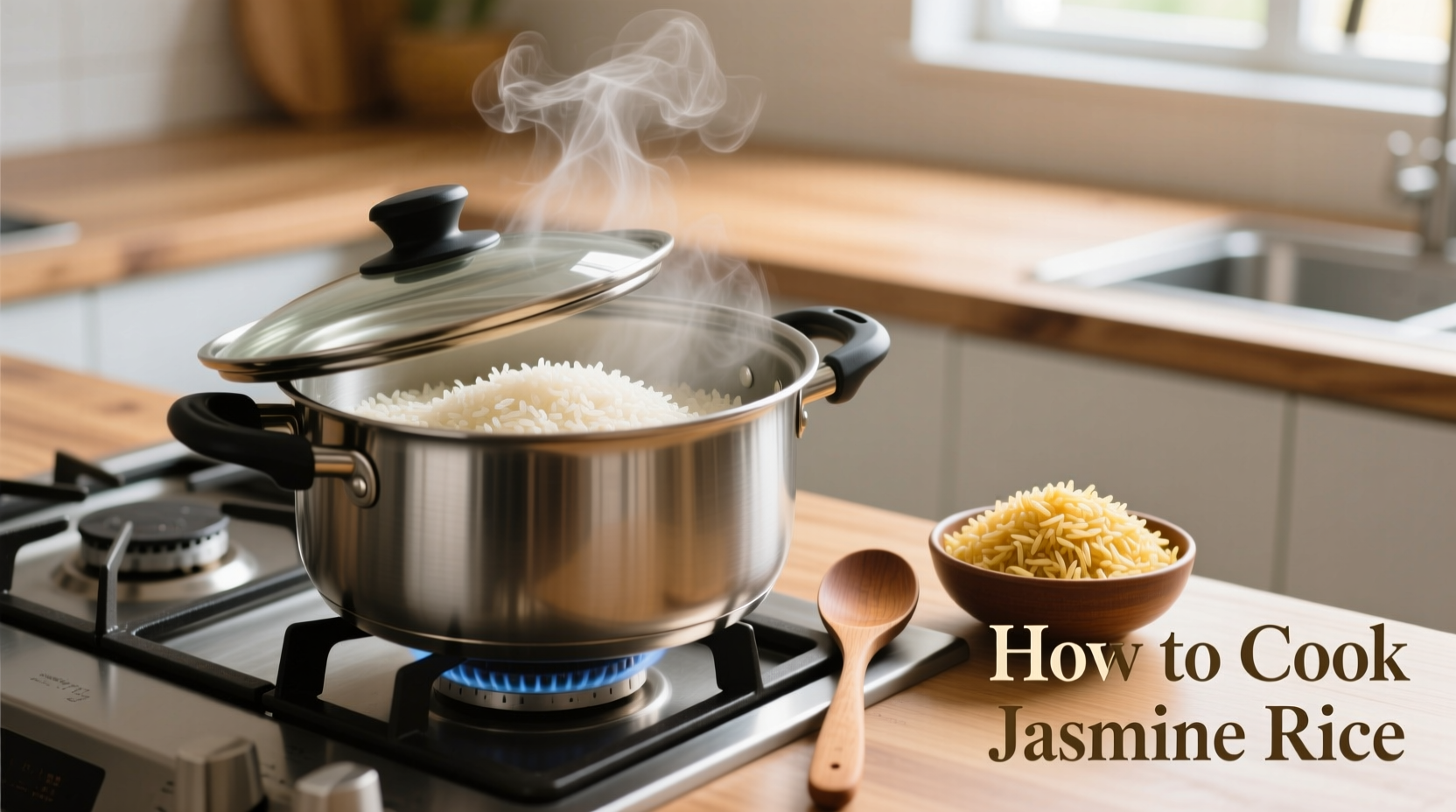
How to Perfectly Cook Jasmine Rice in the Microwave
Cooking jasmine rice in the microwave is a reliable, time-saving method that yields fluffy, fragrant grains without the need for a dedicated rice cooker or constant stovetop monitoring. By using the correct ratio of water to rice—typic...
Cooking jasmine rice in the microwave is a reliable, time-saving method that yields fluffy, fragrant grains without the need for a dedicated rice cooker or constant stovetop monitoring. By using the correct ratio of water to rice—typically 1.5 cups of water for every cup of rice—and employing a large, microwave-safe container to allow for expansion, you can achieve consistent, tender results that rival traditional cooking methods.
Contents
Understanding the Mechanics of Microwave Rice Cooking
The microwave oven functions by using electromagnetic waves to excite water molecules within food, generating heat through friction. When cooking jasmine rice, this process is particularly efficient because the rice absorbs the heated water directly. Unlike stovetop cooking, where heat is applied from the bottom and distributed via convection, the microwave heats the entire vessel and its contents simultaneously.
Jasmine rice, a long-grain aromatic variety, contains higher levels of amylopectin than other long-grain varieties, which contributes to its slightly sticky, soft texture when cooked. The goal of microwave preparation is to provide enough hydration for the starch to gelatinize without causing the rice to become gummy or over-cooked. Because microwave power levels vary significantly between models, understanding that most modern units operate at roughly 1000–1200 watts is essential for standardizing your cook times.
Prerequisites and Equipment
Before beginning the process, ensure you have the appropriate tools to prevent mess and ensure even cooking. Using a vessel that is too small often results in the starch-heavy water boiling over, creating a difficult cleanup task.
- Microwave-Safe Container: Use a glass or ceramic bowl that is at least three times the volume of the raw rice. A wide-mouthed bowl is superior to a narrow pitcher, as it promotes more even heat distribution.
- A Cover: A microwave-safe lid that is slightly ajar, or a microwave-safe plate, is necessary to trap steam. If you lack these, you can use parchment paper to create a loose tent.
- Measuring Cup: Accuracy is vital for grain-to-water ratios.
- The Jasmine Rice: Ensure the rice is rinsed thoroughly. Rinsing removes excess surface starch, which prevents the grains from clumping together too aggressively.
Step-by-Step Preparation Guide
Follow these steps to ensure your rice is cooked through without scorching or drying out.
- Rinse the Grains: Place one cup of jasmine rice in a fine-mesh strainer. Run cold water over the rice, gently agitating it with your fingers until the water runs clear. This step is non-negotiable for achieving the light, separate grain structure characteristic of high-quality jasmine rice.
- Combine Rice and Water: Transfer the rinsed rice to your large, microwave-safe bowl. Add 1.5 cups of water. If you prefer softer rice, you may add an additional two tablespoons of water. Add a pinch of salt if desired, though this is optional.
- Initial High-Power Burst: Microwave the uncovered bowl on high (100% power) for approximately 3 to 5 minutes. This brings the water to a rapid boil.
- Simmering Cycle: Cover the bowl (leaving a small gap for steam to escape) and reduce the microwave power to 50% (medium). Cook for an additional 12 to 15 minutes.
- Resting Period: This is the most critical step. Once the microwave finishes, do not open the door immediately. Allow the rice to sit for 5 to 10 minutes. During this time, the remaining moisture is absorbed into the center of the grains, ensuring a uniform texture.
- Fluffing: Use a fork to gently stir the rice. Do not use a spoon, as it can crush the softened grains.
Comparison of Rice Cooking Methods
Understanding how microwave cooking compares to other common techniques helps in managing expectations regarding texture and utility.
| Method | Texture | Time Requirement | Convenience |
|---|---|---|---|
| Microwave | Soft, slightly moist | 15–20 minutes | High (No monitoring) |
| Stovetop | Firm, fluffy | 20–25 minutes | Moderate (Needs monitoring) |
| Rice Cooker | Consistent, ideal | 30–45 minutes | High (Set and forget) |
Troubleshooting Common Issues
Even with a precise process, environmental variables can affect your outcome. If your rice does not turn out as expected, consider these common adjustments.
- Rice is Too Hard/Chewy: This usually indicates the rice did not absorb enough water or the microwave power was too high, causing evaporation rather than absorption. Next time, add an extra 1/4 cup of water or reduce the power to 40% for the second cycle.
- Rice is Mushy/Gummy: This is often a result of over-stirring or using too much water. Ensure you measure your water exactly and avoid handling the rice while it is in the resting phase.
- Boil-Over: Your bowl is likely too small or your microwave power is set too high. Use a larger vessel to accommodate the expansion of the grains and the bubbling water.
- Uneven Cooking: The grains at the top of the bowl may appear undercooked compared to the bottom. A longer rest period (up to 15 minutes) usually solves this, as the trapped steam finishes the cooking process gently.
Dietary Considerations and Food Safety
When preparing rice, it is important to remember that uncooked rice can contain spores of Bacillus cereus, a bacterium that can survive the cooking process. While cooking kills the bacteria, the spores can survive. If you are preparing rice for later consumption, move the cooked rice into shallow containers and refrigerate it within one hour of cooking. Do not leave cooked rice at room temperature for an extended period, as this creates a prime environment for bacterial growth.
If you are incorporating jasmine rice into a specific diet, note that jasmine rice is a white, refined carbohydrate with a relatively high glycemic index. While excellent for quick energy, portion control is recommended for individuals managing blood glucose levels.
Frequently Asked Questions
Does the wattage of my microwave affect the cooking time? Yes. If your microwave is rated below 900 watts, you may need to increase the secondary cooking time by 2 to 3 minutes. Conversely, if you have a powerful, modern microwave (1200+ watts), monitor the rice closely during the first few minutes to prevent boiling over.
Can I cook brown jasmine rice using this method? No. Brown jasmine rice has a tough bran layer that requires significantly more water and a much longer cooking time. Attempting to use this microwave method for brown rice will result in undercooked, unpalatable grains.
Should I add oil or butter to the water? Adding a small teaspoon of neutral oil or butter can help prevent the rice from clumping and can also help reduce the foam that contributes to boil-overs. It also adds a subtle richness that complements the natural aroma of the jasmine variety.
How do I know if the rice is perfectly cooked? Perfectly cooked jasmine rice should be tender all the way through, with no hard "bite" in the center of the grain. It should look plump and translucent white rather than opaque or chalky.
Final Recommendation
To master microwave jasmine rice, start by strictly adhering to the 1:1.5 rice-to-water ratio and using a larger bowl than you think you need. The most important action is the resting phase; removing the bowl immediately often results in uneven texture. Once you have determined the optimal cooking time for your specific microwave, record it, as it will remain consistent for all future batches.
Image Gallery