Tummy Tuck in VA: Navigating Choices, Recovery, and Regional Options
A tummy tuck, medically known as an abdominoplasty, is a significant surgical procedure designed to remove excess skin and fat from the abdomen while repairing weakened or separated abdominal muscles. Residents of Virginia considering...
A tummy tuck, medically known as an abdominoplasty, is a significant surgical procedure designed to remove excess skin and fat from the abdomen while repairing weakened or separated abdominal muscles. Residents of Virginia considering this surgery must weigh various clinical choices, regional provider availability, and the specific demands of the recovery process to ensure optimal safety and results.
Contents
Understanding the Procedure and Clinical Choices
An abdominoplasty is not a weight-loss tool but rather a body-contouring procedure intended for individuals who are at or near their goal weight but struggle with loose skin or muscle laxity caused by significant weight loss, pregnancy, or aging. In Virginia, patients can choose between several types of tummy tucks based on their anatomical needs.
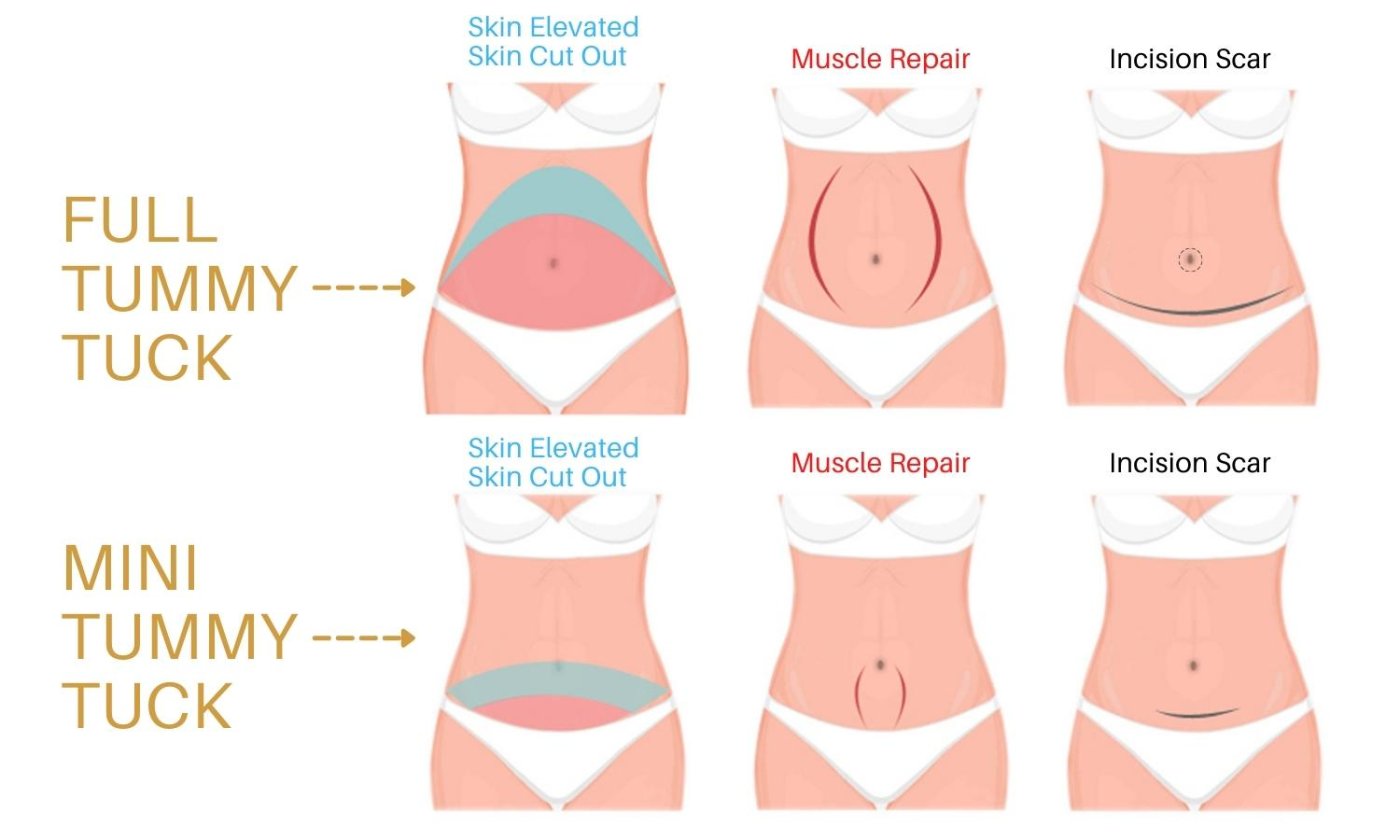
The "full" tummy tuck involves a horizontal incision from hip to hip, allowing the surgeon to tighten the entire abdominal wall and relocate the belly button. A "mini" tummy tuck is more limited, focusing on the area below the navel, and requires a shorter incision. For patients seeking a more comprehensive approach, extended abdominoplasty or fleur-de-lis techniques may be recommended, though these involve more extensive scarring.
Choosing the right surgeon in Virginia is the most critical decision in the process. Board-certified plastic surgeons—typically certified by the American Board of Plastic Surgery—are the only professionals recognized for having the specific residency and examination requirements necessary to perform these surgeries safely. When consulting with potential providers, patients should request to see before-and-after photos of patients with similar body types and ask about the surgeon's complication rates and specific facility credentials.
Regional Options in Virginia
Virginia offers a diverse landscape for elective cosmetic surgery, with primary concentrations of board-certified plastic surgeons in the Northern Virginia (NOVA) corridor, Richmond, and the Hampton Roads area.
- Northern Virginia: Given its proximity to the D.C. metropolitan area, this region hosts a high density of private surgical centers. Patients here often benefit from a large selection of practices, though demand is high, which can impact consultation wait times and surgical costs.
- Richmond and Central Virginia: This region serves as a hub for both private practice and university-affiliated surgeons. Accessing care in the capital often provides a balance between specialized, high-volume surgical centers and slightly more manageable regional pricing compared to the D.C. suburbs.
- Hampton Roads and Coastal Virginia: Surgeons in the Tidewater area frequently serve a wide catchment area. Patients in this region should verify the specific hospital privileges of their surgeon, as many procedures are performed in accredited outpatient surgical suites rather than large hospitals.
Factors Influencing Costs in 2026
In 2026, the cost of an abdominoplasty in Virginia is influenced by the surgeon’s professional fee, the anesthesia provider's fee, and the operating facility’s overhead. It is standard for these costs to be bundled into a single quote, but patients must clarify what is included—specifically regarding post-operative garments, medications, and follow-up care.
| Cost Component | Description | Estimated Variability |
|---|---|---|
| Surgeon Fee | Professional labor for the procedure | Varies by experience and location |
| Anesthesia Fee | Certified Anesthesiologist or CRNA | Dependent on surgery duration |
| Facility Fee | Operating room and nursing staff | Higher in hospital-based settings |
| Pre/Post-Op Care | Compression garments, labs, meds | Often a separate out-of-pocket cost |
Patients should be wary of "all-inclusive" deals that appear significantly lower than the regional average, as these may indicate the use of non-accredited facilities or under-qualified staff. Financing options are available through various third-party medical credit providers, though interest rates should be scrutinized carefully.
Navigating the Recovery Process
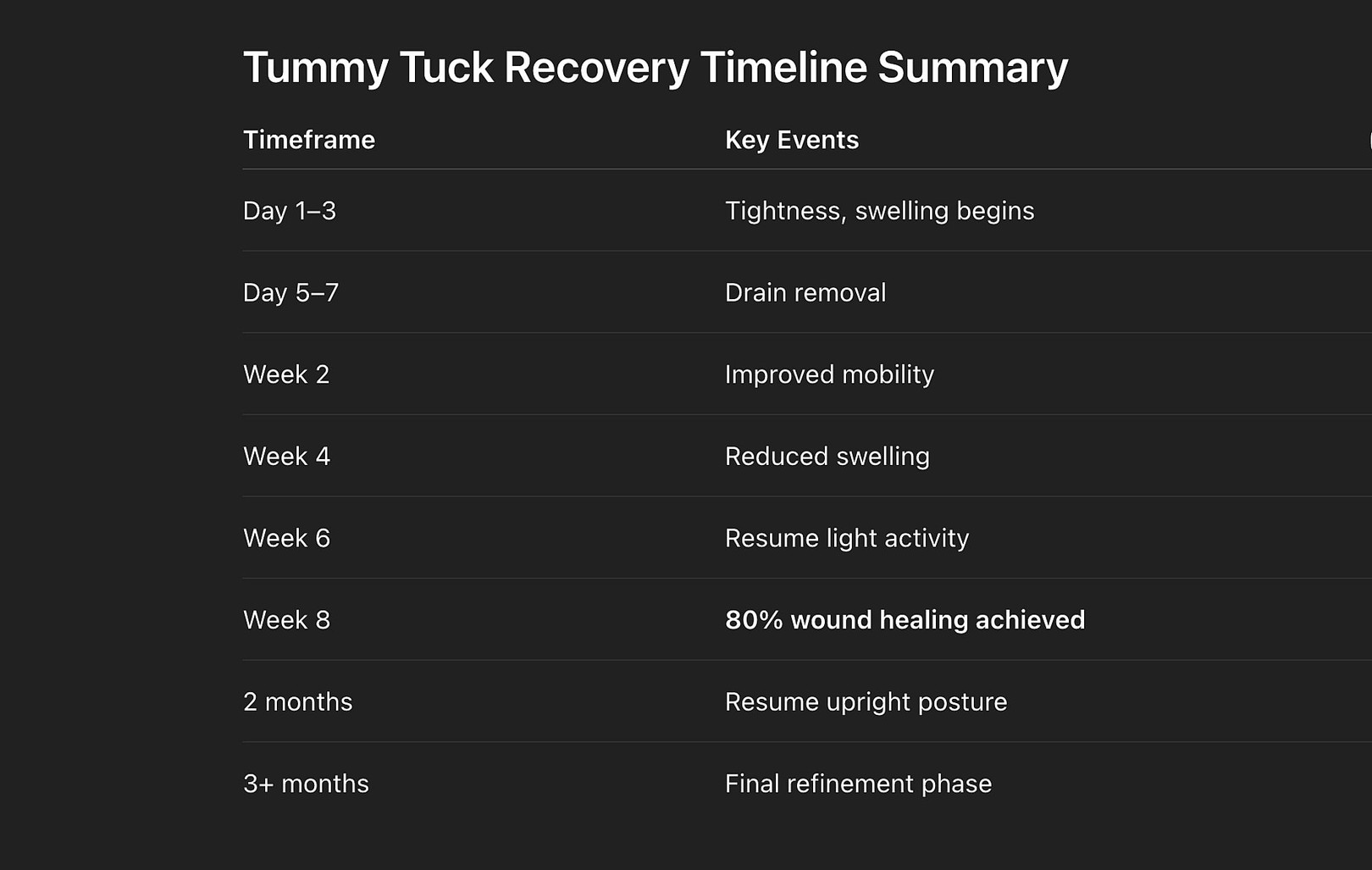
Recovery from a tummy tuck is a multi-stage process that requires significant commitment. Most patients in Virginia can expect to take two to four weeks off work, depending on the physical nature of their employment.
- Phase One (Days 1–7): The immediate post-operative period is characterized by mobility restrictions. Patients should arrange for a primary caregiver, as bending, lifting, and strenuous activity are strictly prohibited to protect the internal sutures. Drains are often utilized to prevent fluid buildup, requiring daily maintenance and documentation of output.
- Phase Two (Weeks 2–6): During this time, the focus shifts to reducing swelling and supporting the healing tissue through the use of medical-grade compression garments. Walking is encouraged to prevent blood clots, but heavy lifting (usually anything over 10 pounds) remains restricted.
- Phase Three (Months 3–12): Scars continue to mature, and residual swelling fades. Most surgeons provide specific instructions regarding scar management, such as the use of silicone sheets or topical creams, to optimize the final aesthetic outcome.
Safety and Regulatory Considerations
Safety is the paramount concern for any surgery in Virginia. All surgical facilities should be accredited by organizations such as the American Association for Accreditation of Ambulatory Surgery Facilities (AAAASF) or the Accreditation Association for Ambulatory Health Care (AAAHC). These accreditations ensure the facility meets rigorous standards for emergency equipment, sanitation, and staff qualifications.
Patients should also disclose their complete medical history, including smoking status, which is a major contraindication for tummy tuck surgery due to its negative impact on tissue blood supply and wound healing. Surgeons will typically require patients to stop nicotine use entirely for several weeks before and after the procedure.
Frequently Asked Questions
Does insurance cover a tummy tuck in Virginia? Generally, no. An abdominoplasty is considered an elective cosmetic procedure. Insurance may only provide coverage in rare instances where a surgeon can document that the excess skin is causing recurring medical issues, such as severe skin infections or rashes that have failed conservative medical treatment, but this is extremely uncommon.
How do I verify a plastic surgeon's credentials? You should visit the American Board of Plastic Surgery website to verify the certification of your surgeon. Additionally, you can check the Virginia Board of Medicine’s practitioner database to ensure the surgeon holds an active, unrestricted license and has no record of disciplinary actions.
What is the difference between a tummy tuck and liposuction? Liposuction is designed to remove localized fat deposits but does not address loose skin or muscle separation. A tummy tuck is a more extensive surgery that removes excess skin and physically repairs the abdominal wall. Surgeons often combine both, but they are not the same procedure.
Can I have children after a tummy tuck? While it is physically possible, pregnancy after an abdominoplasty is generally discouraged. Future pregnancy will likely stretch the abdominal muscles and skin again, reversing the aesthetic results of the surgery.
How long will the results last? The results of a tummy tuck are considered long-term, provided you maintain a stable weight. Significant weight fluctuations or subsequent pregnancies are the primary factors that cause the abdomen to lose its contoured appearance over time.
Recommendation for Next Steps
To begin the process, compile a list of board-certified plastic surgeons in your immediate area within Virginia. Schedule consultations with at least two or three different providers to compare their surgical approach, their focus on patient safety, and the culture of their practice. During these consultations, be transparent about your medical history and your expectations. A reputable surgeon will be honest about the limitations of the procedure and will prioritize your health over the potential for surgery.
Image Gallery