The Grammy Awards: How Music's Biggest Night Works, Voting Rules, and Category Structure
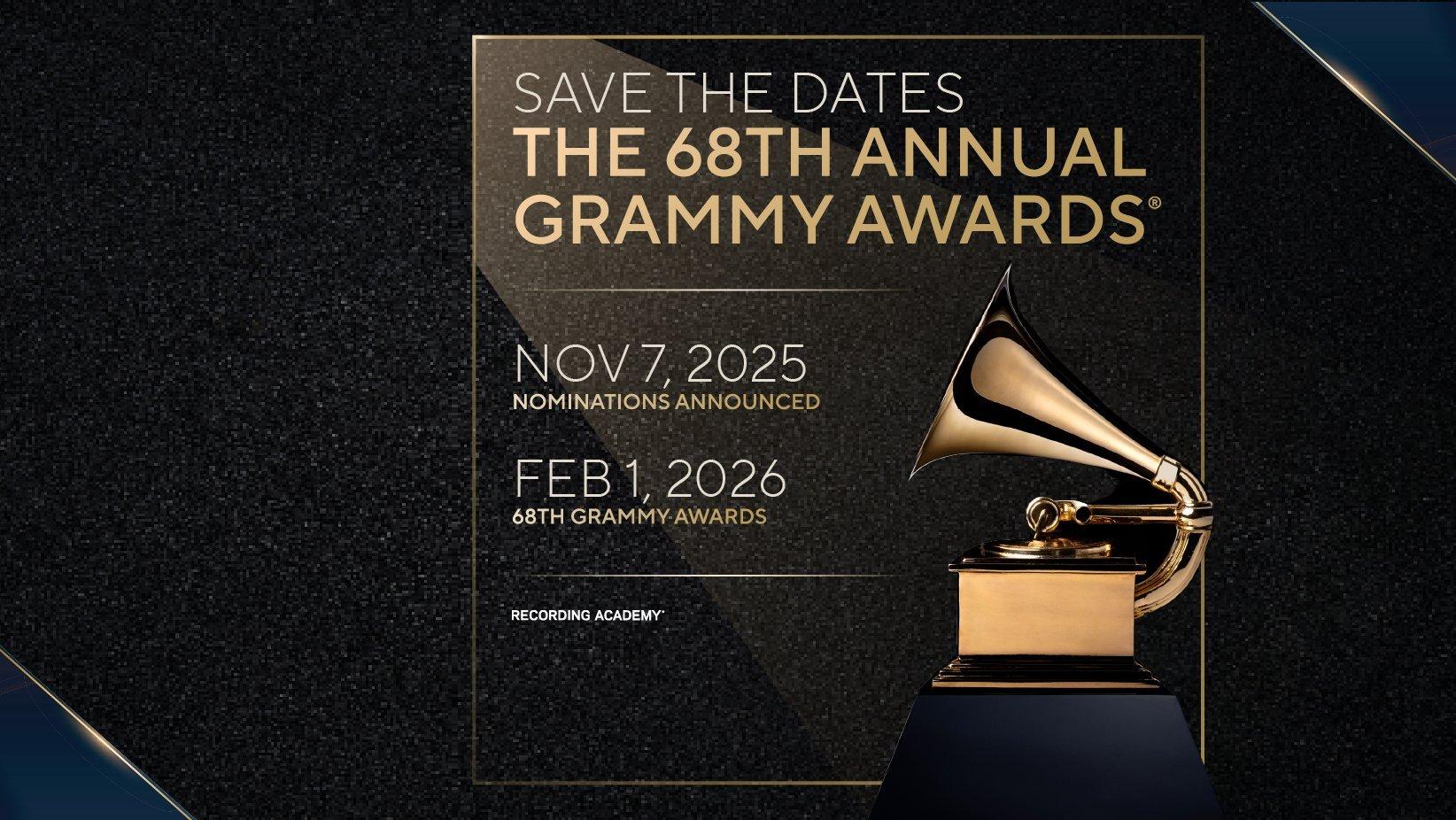
The Grammy Awards, presented annually by The Recording Academy, represent the premier peer-recognized honors in the global music industry. Designed to celebrate artistic accuracy, technical proficiency, and creative excellence without...
The Grammy Awards, presented annually by The Recording Academy, represent the premier peer-recognized honors in the global music industry. Designed to celebrate artistic accuracy, technical proficiency, and creative excellence without regard to album sales or chart position, the awards cover more than 90 categories across general and genre-specific fields.
Contents
Understanding The Recording Academy and the Grammy Framework
The Grammy Awards are administered by The Recording Academy (officially the National Academy of Recording Arts and Sciences), a non-profit organization of musicians, producers, sound engineers, and recording professionals. Unlike commercial music awards determined by consumer purchases, radio airplay, or public streaming figures—such as the Billboard Music Awards or American Music Awards—the Grammys operate strictly on a peer-voting model.
(Note: Ensure no backticks are used in output) ``` Wait, ensure ZERO backticks are used in the generated response! I must check that I do NOT put backticks anywhere in the article. To maintain integrity across thousands of annual submissions, the Academy strictly enforces eligibility periods, membership qualifications, and category definitions. ### Eligibility Windows and Submission Standards For an audio recording to be considered for a Grammy Award, it must satisfy specific release requirements within a defined eligibility year. For the current award cycle, a project must be commercially released in the United States between October 1 and September 30 of the preceding eligibility window. * **Commercial Availability:** Tracks and albums must be distributed via recognized retail platforms, major streaming services, or direct-to-consumer digital outlets with nationwide accessibility. * **Metadata Integrity:** Works must possess standard international identifier codes (ISRC for individual tracks, UPC for full releases) and complete liner note credits identifying songwriters, producers, mix engineers, and mastering engineers. * **Material Requirements:** Full-length albums must contain at least 75% newly recorded, previously unreleased playing time to qualify for album-level categories, ensuring that reissues and minor edits do not displace new creative works. ### Academy Membership and Voting Qualifications Voting rights within the Recording Academy are reserved exclusively for active creative music professionals. To qualify as a Voting Member, individuals must demonstrate current professional credentials within the music industry. 1. **Craft Credits:** Applicants must possess documented liner note credits on a minimum number of commercially released tracks (typically six tracks on physical or digital releases, or their equivalent in technical fields). 2. **Peer Recommendations:** Candidates must secure sponsorship recommendations from existing Recording Academy voting members or music industry leaders. 3. **Active Standing:** Members must pay annual dues and periodically re-verify their active participation in music creation to retain voting privileges. --- ## Distinguishing "The Big Four" General Field Categories While the Grammy Awards honor technical and stylistic excellence across dozens of specific genres, public attention centers heavily on the General Field, often referred to as "The Big Four." These categories are open to entries from any musical genre and represent the top accolades of the ceremony. | Category Name | Core Focus | Key Eligible Recipients | Critical Eligibility Distinction | | :--- | :--- | :--- | :--- | | **Record of the Year** | Specific recorded track execution | Performing artist, producers, recording/mix engineers, mastering engineers | Evaluates technical sound, performance quality, and production of a single track. | | **Song of the Year** | Songwriting and composition | Songwriters and lyricists only | Evaluates the underlying melodic and lyrical composition, regardless of performance. | | **Album of the Year** | Comprehensive body of work | Featured artists, guest artists, songwriters, producers, engineers | Requires minimum 20% playing time credit for featured artists/producers to receive a statuette. | | **Best New Artist** | Career breakthrough and impact | Performing artist or group | Granted based on reaching public awareness during the eligibility year, not first-time releases. | ### Record of the Year vs. Song of the Year A common point of confusion for industry observers is the distinction between Record of the Year and Song of the Year. **Record of the Year** honors the physical or digital recording itself. It recognizes the collective achievement of the performing artist, record producers, recording engineers, mixing engineers, and mastering engineers. The evaluation focuses on vocal delivery, instrumental performance, sonic engineering, arrangement, and final audio polish. **Song of the Year** is strictly an author's award. It honors the songwriters and composers who authored the lyrics and melodies of a track. The performing artist receives a statuette only if they hold a credited songwriting contribution on the piece. Instrumental tracks or cover songs are judged purely on composition rather than vocal delivery or studio craft. --- ## The Four-Step Grammy Nomination and Voting Process The journey from initial recording release to holding a Gramophone statuette involves a structured four-stage peer review system designed to evaluate thousands of submissions fairly.
No backticks or ASCII diagrams allowed. Use numbered list.
1. **Online Entry and Screening** Recording Academy members and registered record labels submit eligible recordings online during the submission portal window. Once submitted, over 350 industry experts perform physical and digital screening to verify metadata, credit accuracy, release dates, and proper genre classification. This stage does not involve voting; its sole purpose is ensuring correct field placement. 2. **First-Round Voting** Ballots are distributed to all active Voting Members. To prevent uninformed voting, members are restricted in the number of categories they can vote in. A voter may cast ballots in up to ten genre categories across no more than three specified genre fields, in addition to the four General Field categories. This ensures members only evaluate genres within their direct expertise. 3. **Nominations Review Committees and Finalist Selection** In specialized or craft-heavy fields—such as album notes, historical recordings, classical composition, and certain production categories—specialized Nominations Review Committees assess the top voted entries to establish the final list of five to ten official nominees. Deloitte, an independent accounting firm, tabulates all votes in strict secrecy. 4. **Final Voting and Tabulation** Once official nominations are announced, final ballots are sent to Voting Members. Members cast votes under the same genre and category limits as the first round. The ballots are returned directly to Deloitte for confidential counting, with winners remaining undisclosed until the live envelope opening during the Grammy Awards ceremony. --- ## Modern Guidelines: AI Policy and Category Evolution As music production technology evolves and global listening habits shift, the Recording Academy regularly updates its governing rules to preserve artistic merit while adapting to contemporary industry shifts. > **Artificial Intelligence Governance** > The Recording Academy permits entries featuring elements of artificial intelligence (AI), provided the work contains a meaningful, human-authored creative component. Purely AI-generated music without human authorship is strictly ineligible. A human creator must meet the minimum credit threshold for the specific category in which the work is entered. For example, to qualify for a songwriting award, the human contributor must author the primary lyrical or musical content. ### Recent Category Additions and Structural Adjustments To provide equitable representation for global genres and emerging production techniques, the Academy periodically updates its list of award categories. Recent adjustments include: * **Best African Music Performance:** Established to highlight regional African musical traditions, including Afrobeat, Amapiano, Highlife, and traditional folk rhythms. * **Best Alternative Jazz Album:** Designed for releases bridging traditional jazz structures with contemporary electronic, experimental, or indie influences. * **Best Pop Dance Recording:** Created to distinguish high-tempo, electronic-driven pop productions from traditional dance/electronic club records. * **Voting Category Reductions:** To increase vote concentration and accuracy, voters are limited to casting ballots in a maximum of ten genre categories, preventing dynamic "ballot stacking" across unfamiliar fields. --- ## Comprehensive Overview of Major Grammy Fields The table below details key parameters, eligible roles, and primary criteria across major Grammy Award fields. | Genre / Field | Primary Categories | Core Assessment Criteria | Main Recipient Roles | | :--- | :--- | :--- | :--- | | **Pop & Dance / Electronic** | Best Pop Solo Performance, Best Dance/Electronic Album | Vocal accuracy, hook delivery, synth production, electronic arrangement | Performing artists, producers, mixing engineers | | **Rock, Metal, & Alternative** | Best Rock Performance, Best Metal Performance, Best Alternative Album | Instrumental proficiency, energetic delivery, arrangement, tone choices | Bands, solo performers, primary producers | | **R&B, Rap, & Country** | Best Melodic Rap Performance, Best R&B Song, Best Country Album | Narrative lyricism, vocal arrangement, acoustic/electric instrumentation | Vocalists, rappers, lyricists, sound designers | | **Latin, Global, & Reggae** | Best Latin Pop Album, Best Global Music Album, Best Reggae Album | Cultural authenticity, rhythmic execution, traditional and fusion composition | Lead artists, guest contributors, folk traditionalists | | **Craft & Production** | Producer of the Year (Non-Classical), Best Engineered Album | Studio technique, dynamic range, spatial balance, artistic direction | Studio producers, lead engineers, mastering engineers | --- ## Commercial Impact, Industry Critiques, and Viewing Access Winning or receiving a nomination for a Grammy Award creates a measurable impact on an artist's career, commonly referred to in the industry as the "Grammy Bounce." ### The Economic and Career Value of a Grammy * **Streaming and Sales Volume:** Nominated and winning tracks routinely experience immediate surges in streaming play counts and digital track sales following the live broadcast. * **Touring and Performance Fees:** Artists earning major nominations frequently see substantial increases in live performance booking rates, festival billing positions, and venue capacities. * **Publishing and Catalog Value:** Winning Song of the Year or Album of the Year elevates the long-term license valuation of an artist's publishing catalog for film, television, and commercial synchronization. ### Common Industry Critiques Despite its prestige, the Grammy system faces ongoing debate within the music community regarding representation and transparency: * **Genre Misclassification:** Artists operating across hybrid styles occasionally find their projects placed in genre categories that do not accurately reflect their primary musical direction. * **Commercial Visibility vs. Niche Excellence:** Critics argue that despite peer-voting guidelines prioritizing artistic merit, widely recognizable commercial releases often hold an inherent advantage in first-round voting due to voter name recognition. * **Historical Representation:** Ongoing adjustments to voting committee structures and membership demographic initiatives seek to ensure equitable evaluation for historic and emerging marginalized genres. ### How to Access the Live Broadcast The annual Grammy Awards broadcast is produced by CBS and streamed live on Paramount+. The ceremony is split into two distinct events: 1. **The Grammy Awards Premiere Ceremony:** Held during the afternoon prior to the main telecast, this event presents approximately 80 to 85 craft, technical, classical, and specialized genre awards. It is streamed globally via the official Recording Academy digital platforms. 2. **The Main Grammy Awards Telecast:** Broadcast live during primetime, this production features high-profile live musical performances and the presentation of major categories, including the General Field awards. --- ## Frequently Asked Questions ### What is the primary difference between Record of the Year and Song of the Year? Record of the Year honors the technical performance and studio production of a specific track, awarding the artist, producers, and audio engineers. Song of the Year strictly honors the lyricists and composers who wrote the underlying song, regardless of who performed or recorded it. ### Can an AI-generated song win a Grammy Award? No, fully AI-generated tracks without human creative input are ineligible. However, music created with the assistance of AI tools can qualify if a human creator contributes meaningful, verifiable work that meets the minimum credit threshold for that specific category. ### Who is eligible to vote for the Grammy Awards? Voting is restricted to active Voting Members of The Recording Academy. These members must be working music professionals—such as performers, songwriters, producers, and engineers—with documented, commercially released credits and professional peer endorsements. ### How many categories can a Recording Academy member vote in? To ensure voters remain knowledgeable about the entries they evaluate, members may vote in up to ten individual genre categories across no more than three genre fields, in addition to the four main General Field categories. ### Do album sales or streaming numbers dictate who wins a Grammy? No, chart positions, radio spins, and streaming totals do not determine Grammy winners. The awards are judged on peer evaluation of artistic accuracy, composition, and production quality, rather than commercial performance. --- ## Navigating Industry Recognition Understanding the structure of the Grammy Awards provides valuable insight into how artistic merit, technical execution, and peer evaluation operate within the modern music ecosystem. For artists, sound engineers, and producers seeking industry recognition, maintaining accurate liner note credits, registering standardized ISRC/UPC metadata, and actively participating in professional peer organizations represent foundational steps toward eligibility. By adhering to rigorous production standards and staying informed about changing Academy guidelines, creators ensure their work is accurately categorized, credited, and recognized on music's biggest night. **
Image Gallery