The Complete Guide to the Sally Forth Cartoon: History, Themes, and Cultural Impact
Sally Forth is a long-running American comic strip that has chronicled the humorous and realistic struggles of a modern working mother, her family, and her career since its debut in 1982. Created by Greg Howard and later written and il...
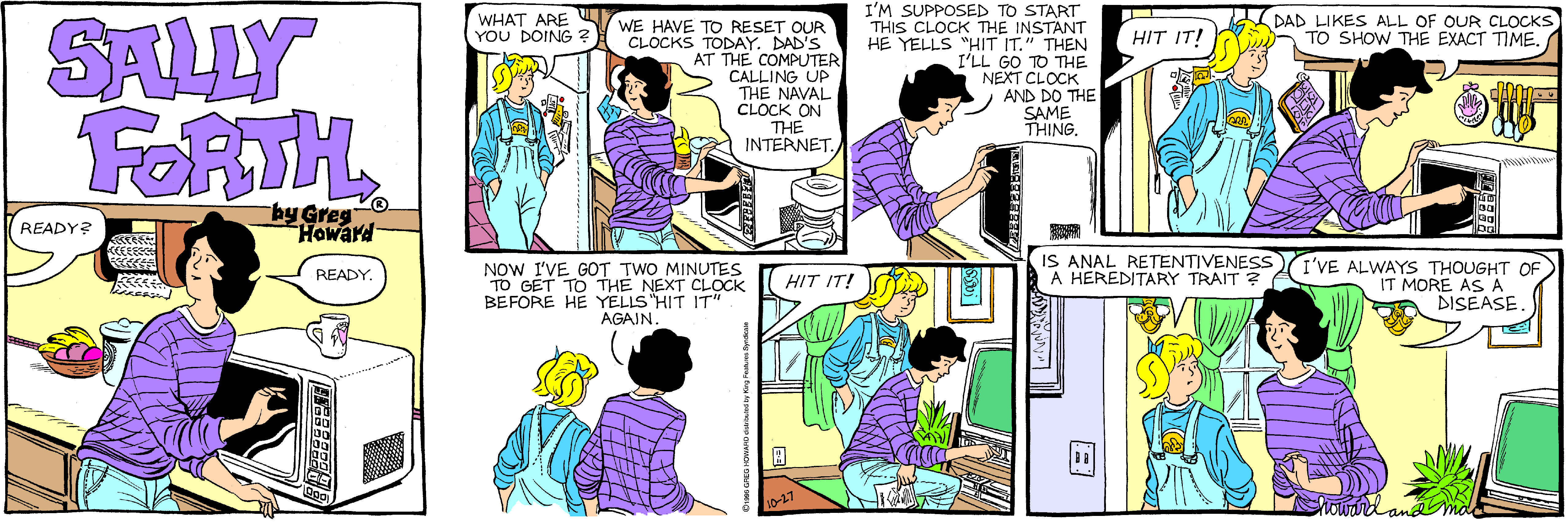
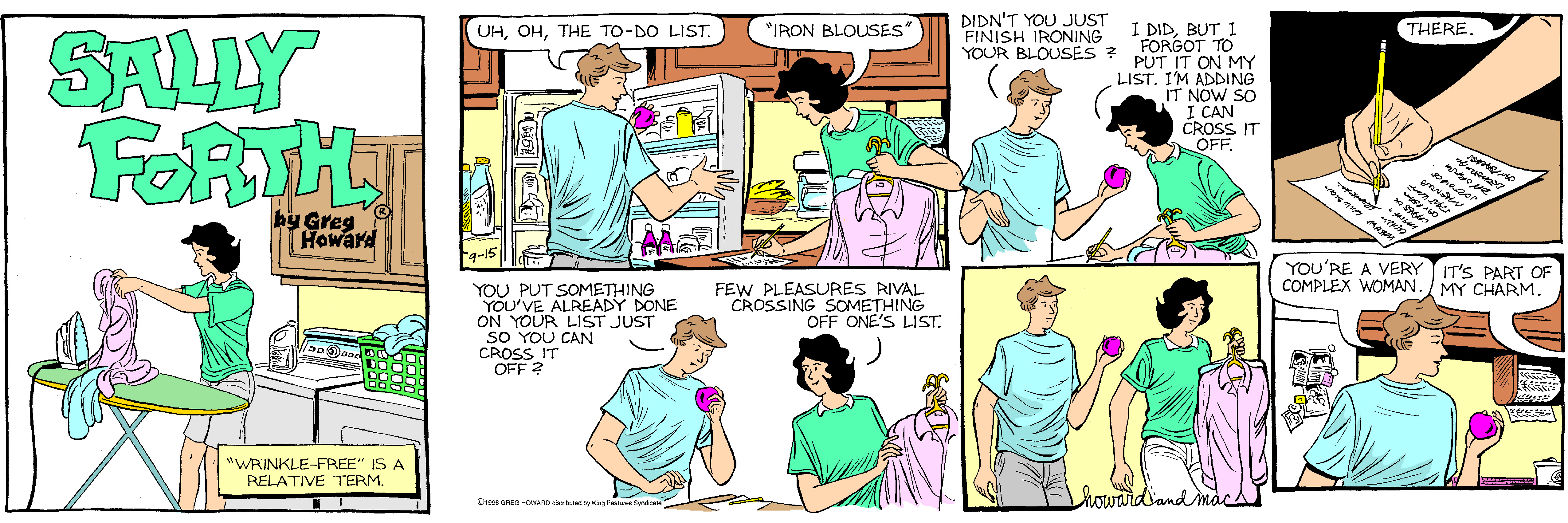
Sally Forth is a long-running American comic strip that has chronicled the humorous and realistic struggles of a modern working mother, her family, and her career since its debut in 1982. Created by Greg Howard and later written and illustrated by Francesco Marciuliano and Jim Keefe, the strip holds a unique place in contemporary newspaper syndication for its honest portrayal of domestic dynamics, evolving gender roles, and the daily balancing act of professional life and parenthood.
Contents
Origins and Evolution of the Strip
The conceptual foundation of the Sally Forth cartoon was built on a desire to reflect the changing American household of the early 1980s. As more women entered the traditional workforce while still shouldering a significant portion of domestic responsibilities, comic strips needed to adapt to these shifting societal norms. Greg Howard launched the strip on September 27, 1982, syndicated by Creators Syndicate.
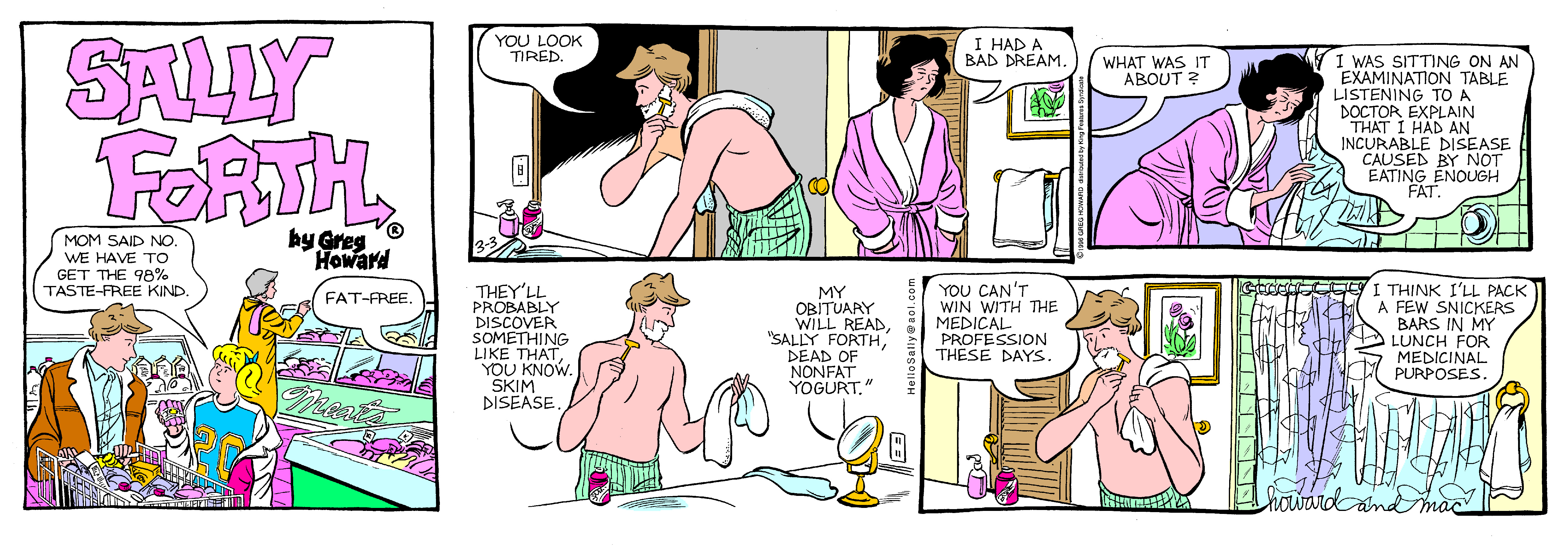
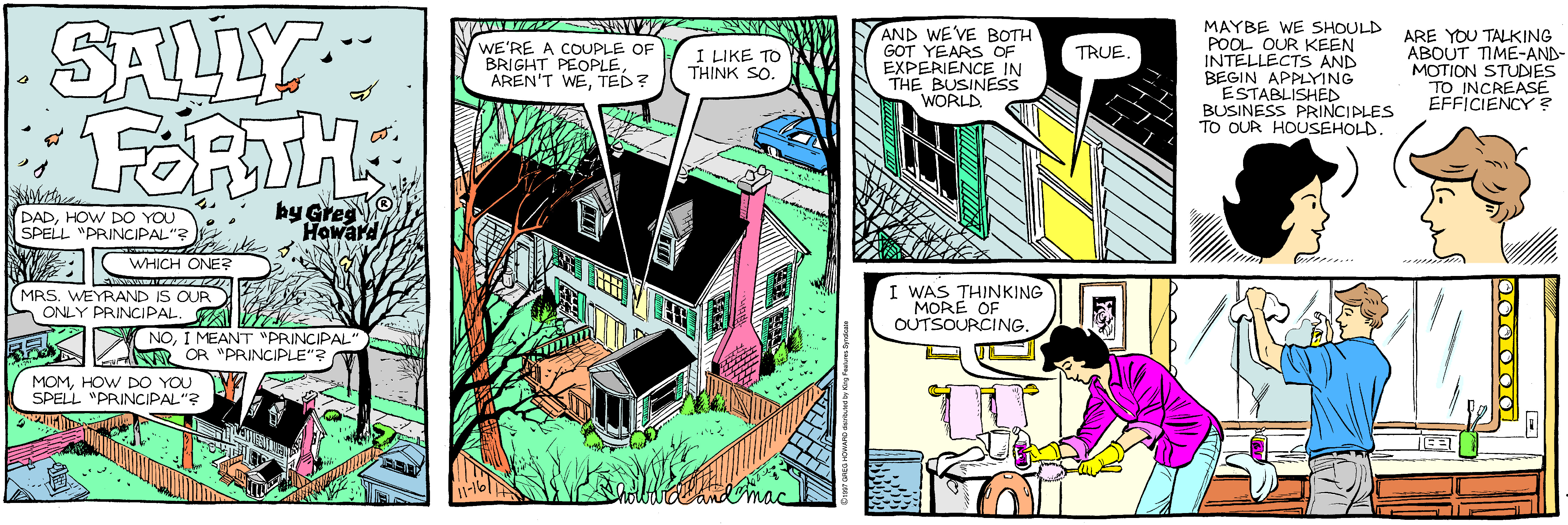
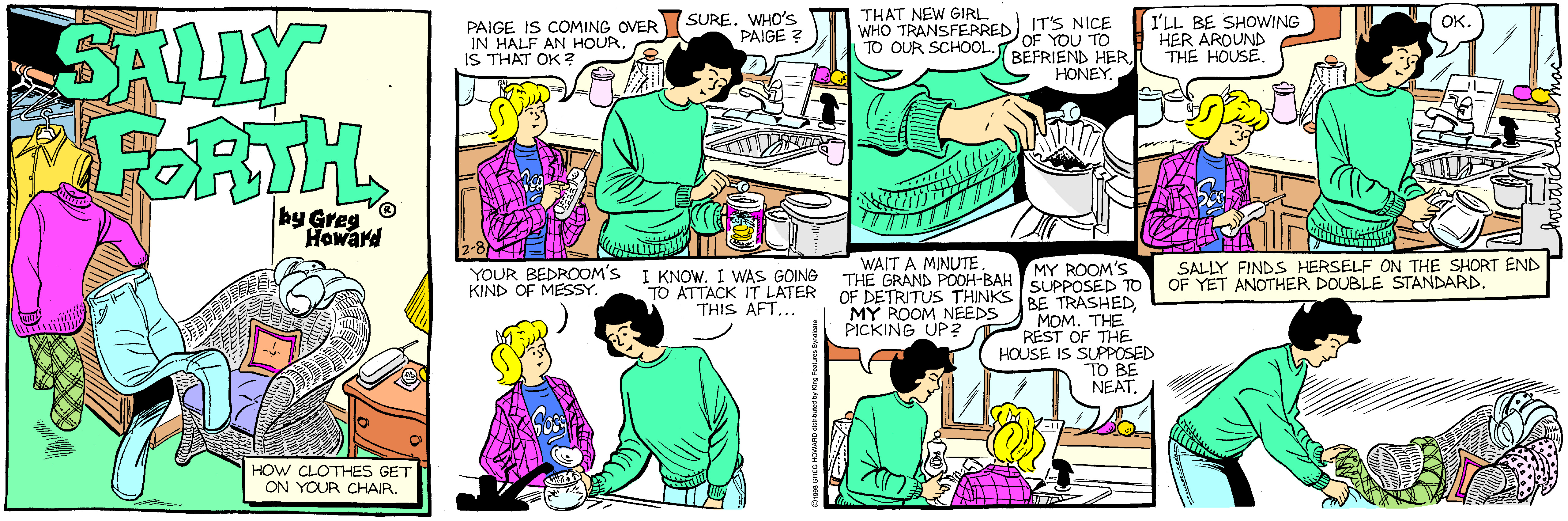
Unlike many classic comic strips that relied on fantasy, slapstick, or unchanging domestic archetypes, Sally Forth grounded its humor in situational realism. The title character, Sally Forth, is an intelligent, witty, and occasionally overwhelmed woman juggling a corporate job, a supportive husband, a growing daughter, and the universal absurdities of modern life. Over the decades, the strip has experienced notable creative handoffs while maintaining its core identity. Francesco Marciuliano took over writing duties in 1997, injecting a sharp, contemporary, and occasionally meta-humor into the dialogue, while Jim Keefe joined as the illustrator in 2010, bringing a clean, expressive art style that keeps the characters visually vibrant.
Core Characters and Family Dynamics
The longevity of the Sally Forth cartoon relies heavily on its tightly knit cast of characters. Each individual represents specific facets of modern family life, offering contrasting viewpoints that drive the strip's comedic narrative.
- Sally Forth: The protagonist and anchor of the strip. She is a dedicated working professional who balances corporate meetings with school pickups, household budgeting, and maintaining her sanity.
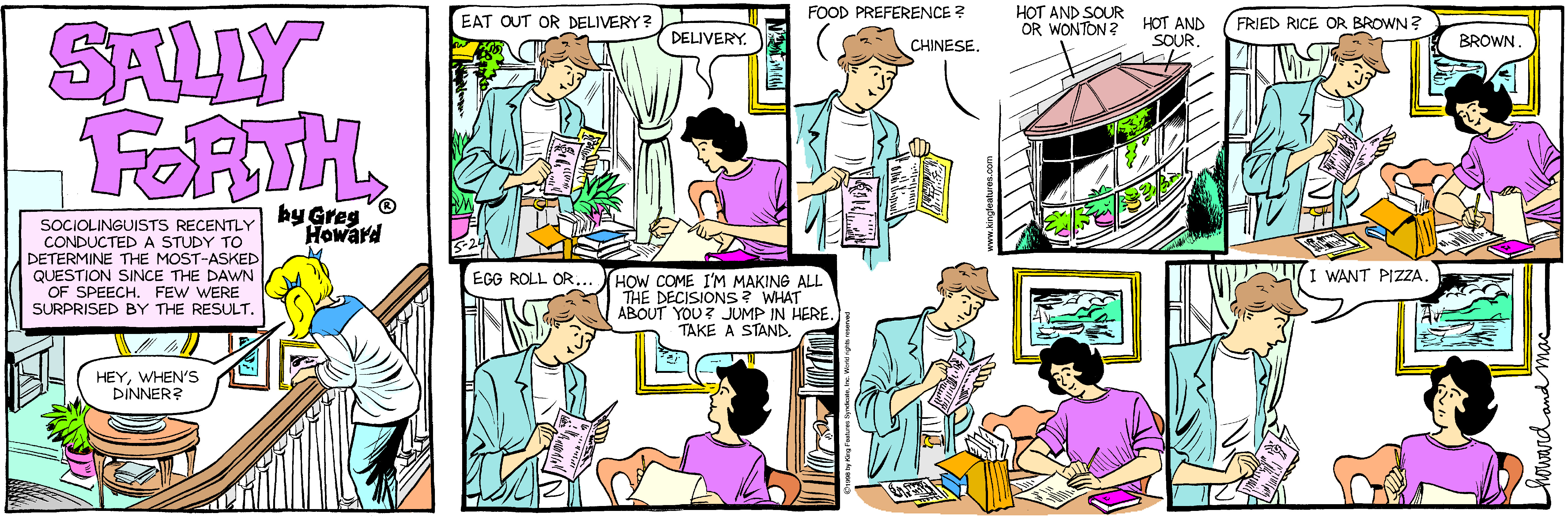
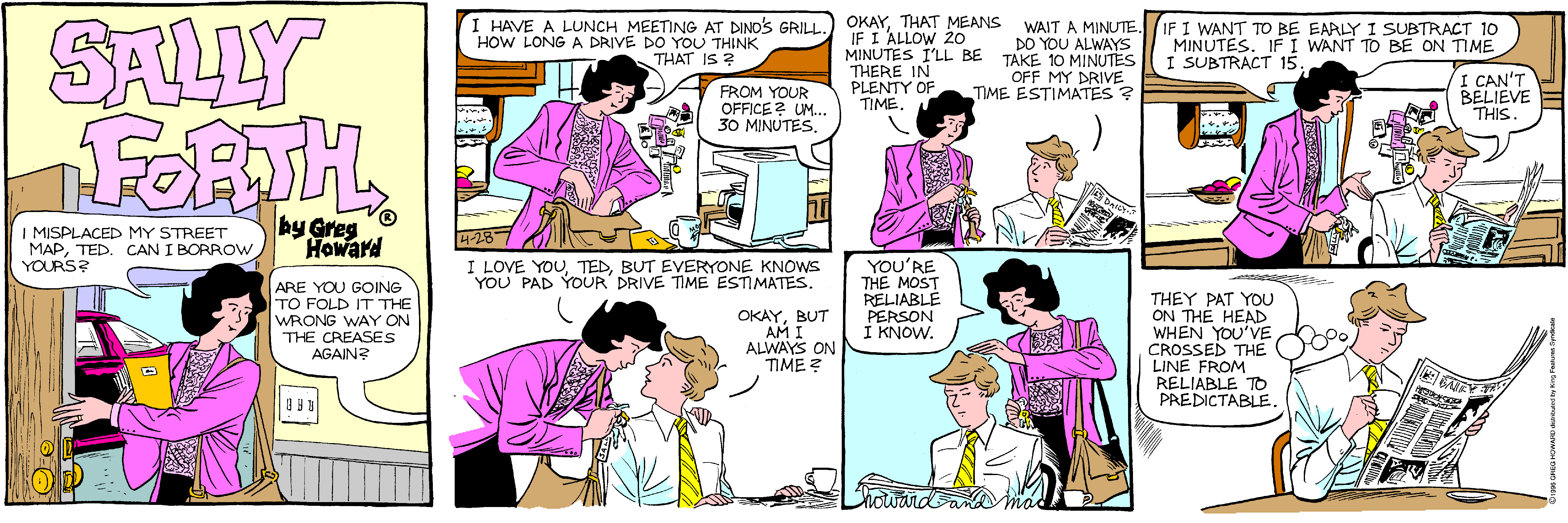
- Ted Forth: Sally's husband. Initially depicted as a somewhat bewildered stay-at-home or part-time working spouse in earlier iterations, Ted has evolved into a deeply devoted, quirky, and well-meaning partner who shares domestic duties and engages in playful banter with Sally.
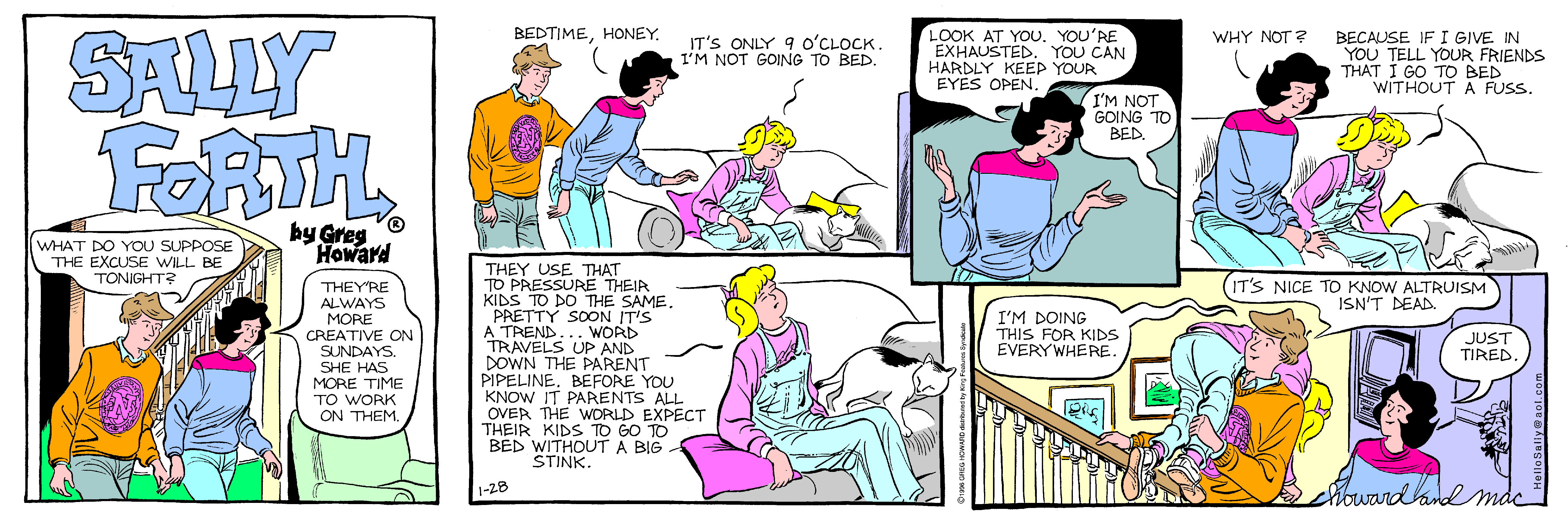
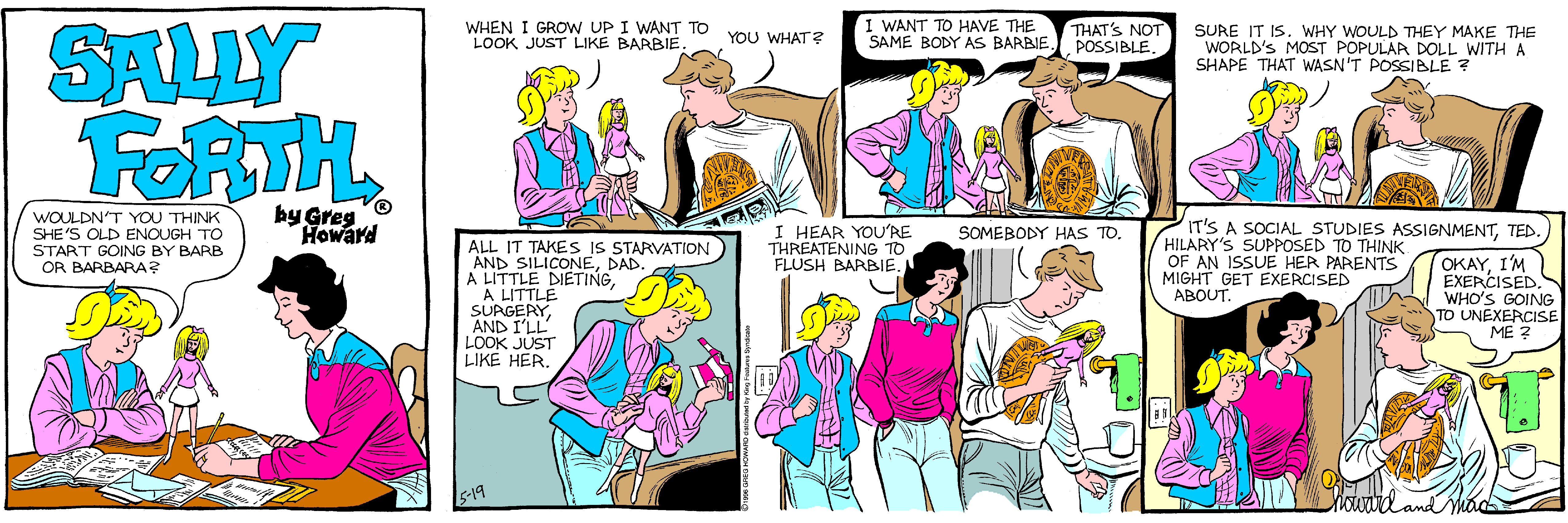
- Hilary Forth: The daughter, who has famously aged in real-time throughout the strip's run. Introduced as a baby in 1982, Hilary grew into a toddler, a pre-teen, a teenager navigating high school, and eventually an independent young adult in college and the workforce, allowing the strip to tackle changing parenting milestones.
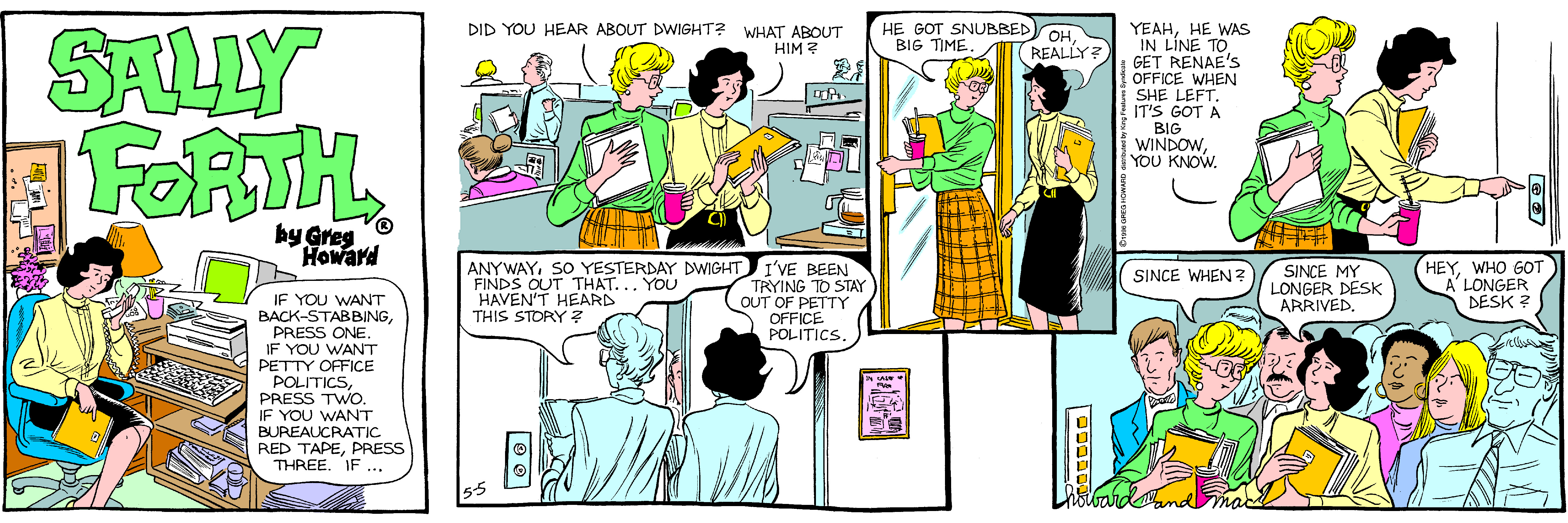
- Extended Family and Coworkers: Recurring characters, including Sally's mother Laura and various office colleagues, provide additional comedic friction and commentary on generational differences and workplace politics.
Major Themes Explored in the Strip
The enduring appeal of the Sally Forth cartoon stems from its willingness to address relatable, everyday anxieties without resorting to cynicism. The writing balances lighthearted family antics with genuine emotional intelligence.
Work-Life Balance Realities The strip consistently highlights the invisible labor and mental load carried by working parents. Sally's internal monologues during mundane tasks like grocery shopping, conference calls, or meal planning capture the universal feeling of modern fatigue with warmth and self-deprecating humor.
Aging in Real Time Unlike classic strips where characters remain frozen at a specific age, Hilary's physical and psychological aging allowed the strip to naturally shift its narrative focus. Readers watched Sally and Ted transition from panicked new parents to seasoned veterans dealing with teenage rebellion, college applications, and empty-nest anxieties.
Pop Culture and Meta Commentary Under Francesco Marciuliano's writing tenure, the strip frequently incorporates sharp observations about technology, social media, comic strip tropes, and modern pop culture, giving it a distinct voice that resonates with digitally native generations.
Comparing Sally Forth with Other Domestic Comics
To understand where the Sally Forth cartoon fits within the broader landscape of syndicated newspaper comics, it helps to compare its narrative style with other notable family-centric strips.
| Comic Strip | Creator / Year Started | Primary Focus | Narrative Style |
|---|---|---|---|
| Sally Forth | Greg Howard (1982) | Working motherhood, modern marriage, real-time aging | Grounded, verbally witty, contemporary, and meta-aware |
| Blondie | Chic Young (1930) | Traditional suburban family and small business life | Slapstick-adjacent, classic domestic routines, static timeline |
| For Better or For Worse | Lynn Johnston (1979) | Canadian family life, real-time aging | Deeply dramatic, emotionally earnest, progressive aging |
| Baby Blues | Rick Kirkman and Jerry Scott (1990) | Chaos of early parenting and multiple children | Fast-paced, hyper-focused on infant and toddler chaos |
Impact on Syndication and Modern Web Culture
While newspaper syndication has faced economic shifts in the 21st century, the Sally Forth cartoon successfully transitioned into digital formats, reaching global audiences via platforms like GoComics and social media channels. The strip's ability to adapt its humor to online meme culture without losing its wholesome core has secured its place as a bridge between traditional print media and modern digital fandom. Educators, sociologists, and cultural historians frequently reference the strip as a primary text for studying how popular media has documented the evolution of American family structures over the last four decades.
Frequently Asked Questions
Does Hilary Forth age in real-time?
Yes, Hilary Forth is one of the few comic strip characters who has aged in real-time since the strip's launch in 1982. Readers have watched her grow from an infant into a working adult, allowing the strip to explore different phases of parenthood.
Who writes and illustrates the Sally Forth cartoon today?
The strip is currently written by Francesco Marciuliano and illustrated by Jim Keefe, who took over the creative duties to maintain the strip's sharp writing and clean visual aesthetic.
Where can I read daily Sally Forth strips?
Daily and archival strips can be read officially on platforms like GoComics, as well as through various newspaper syndication websites and official creator portfolios.
When did Sally Forth first debut in newspapers?
The comic strip officially debuted on September 27, 1982, created by Greg Howard under Creators Syndicate.
Is Sally Forth considered a continuity strip?
While it features daily gag strips, Sally Forth incorporates long-term narrative continuity, particularly regarding family milestones, career developments, and the aging process of its main characters.
Exploring the Strip Further
For longtime fans and new readers alike, diving into the archives of the Sally Forth cartoon offers a humorous and comforting look at the evolution of modern family life. Whether examining the early 1980s corporate struggles or the contemporary digital-age parenting dilemmas, the strip remains a masterclass in relatable character-driven comedy. Explore official comic archives or check your local newspaper's daily syndication page to follow Sally, Ted, and Hilary's latest everyday adventures.
Image Gallery