Understanding the 12 Ounce Cup of Coffee: Brewing, Caffeine, and Standards
A standard 12-ounce cup of coffee, often referred to as a "Tall" in commercial settings, contains approximately 355 milliliters of liquid. It serves as the bridge between a small morning pick-me-up and a large caffeine dose, typically...
A standard 12-ounce cup of coffee, often referred to as a "Tall" in commercial settings, contains approximately 355 milliliters of liquid. It serves as the bridge between a small morning pick-me-up and a large caffeine dose, typically providing 120 to 180 milligrams of caffeine depending on the bean type and brewing method.
Contents
The Standard Definition of a 12 Ounce Cup
When discussing coffee, "ounces" can be a source of significant confusion. In the United States, a standard fluid ounce is a measure of volume, and a 12-ounce cup refers to 12 fluid ounces of liquid. However, it is vital to distinguish this from the "cup" measurement found on the side of most automatic drip coffee makers. In the world of appliance manufacturing, a "cup" is often calibrated as only 5 or 6 ounces. Therefore, if you are using a standard 12-cup carafe to brew 12 ounces of coffee, you are actually only filling the carafe to roughly the "2-cup" or "2.5-cup" line.
As of 2026, the 12-ounce serving remains the most popular "medium" or "standard" size in specialty coffee shops across North America and Europe. It provides enough volume to allow for a complex flavor profile to develop as the beverage cools, without the rapid heat loss associated with smaller 8-ounce servings or the excessive caffeine intake found in 16-ounce or 20-ounce containers.
The SCA Standard and Fluid Volume
The Specialty Coffee Association (SCA) defines a standard cup for cupping and professional evaluation, but for the average consumer, the 12-ounce (355ml) unit is the functional benchmark for a single-serving beverage. Understanding this volume is the first step toward mastering the "Golden Ratio" of coffee-to-water, which ensures your brew is neither too weak nor unpleasantly bitter.
The Science of Brewing 12 Ounces: Ratios and Measurements
To achieve a cafe-quality 12-ounce cup of coffee at home, you must move beyond "scoops" and transition to weight-based measurements. The density of coffee beans varies wildly based on their origin and roast level; a scoop of dark roast beans weighs significantly less than a scoop of light roast beans because the roasting process expands the bean and removes moisture.
The Golden Ratio for 12 Ounces
The generally accepted "Golden Ratio" for specialty coffee is 1:15 to 1:18. This means for every 1 gram of coffee, you use 15 to 18 grams of water. Since 12 fluid ounces of water weighs approximately 355 grams, we can calculate the necessary dry coffee weight:
- For a Stronger Brew (1:15 Ratio): Use 23.6 grams of coffee.
- For a Standard Brew (1:16.6 Ratio): Use 21.3 grams of coffee.
- For a Milder Brew (1:18 Ratio): Use 19.7 grams of coffee.
If you do not have a digital scale in 2026, the rough equivalent for a 12-ounce cup is approximately 3 level tablespoons of ground coffee. However, for consistent results, a scale is the most recommended tool for any enthusiast.
Water Temperature and Quality
Water makes up 98% of your 12-ounce cup. If your tap water contains high levels of chlorine or minerals (hard water), it will mute the bright acidity and delicate floral notes of the coffee. Use filtered water heated to between 195°F and 205°F (90.5°C to 96°C). In 2026, modern kettles with PID controllers make maintaining this specific temperature range effortless, preventing the "burnt" taste associated with boiling water.
Caffeine Content in a 12 Ounce Serving
Caffeine content is the primary reason many consumers reach for a 12-ounce cup. However, the amount of caffeine is not fixed. It is influenced by the species of the bean, the roast profile, and the extraction time.
Arabica vs. Robusta
Most specialty coffee uses Arabica beans, which contain roughly 1.2% to 1.5% caffeine by weight. Robusta beans, often used in espresso blends or lower-cost commercial tins, contain nearly double that amount (2.2% to 2.7%). A 12-ounce cup of 100% Robusta coffee can provide upwards of 250mg of caffeine, which is more than half of the FDA-recommended daily limit of 400mg.
Roast Level Myths
There is a common misconception that dark roast coffee has more caffeine because it tastes "stronger." In reality, light roast coffee is denser. If you measure your coffee by the scoop, a 12-ounce cup of light roast will actually have slightly more caffeine because there is more physical bean mass in the scoop. If you measure by weight (grams), the caffeine content is nearly identical across roast levels, though the flavor profiles differ drastically.
| Coffee Type (12 oz) | Average Caffeine (mg) | Typical Calorie Count (Black) |
|---|---|---|
| Drip Filtered Coffee | 140 - 180 mg | 2 - 5 kcal |
| Pour Over (V60/Chemex) | 120 - 160 mg | 2 - 5 kcal |
| French Press | 150 - 200 mg | 5 - 10 kcal |
| Cold Brew (Diluted) | 150 - 220 mg | 3 - 7 kcal |
| Americano (Double Shot) | 120 - 150 mg | 5 - 15 kcal |
Nutritional Profile and Health Considerations
A plain 12-ounce cup of black coffee is a nutritionally dense beverage with virtually no calories. It is rich in antioxidants, specifically polyphenols and hydrocinnamic acids, which help neutralize free radicals in the body. According to the Harvard T.H. Chan School of Public Health, moderate coffee consumption is associated with a reduced risk of several chronic diseases.
The Impact of Additives
The health profile of a 12-ounce cup changes the moment you add cream or sugar.
- Whole Milk: Adding 2 ounces of whole milk adds approximately 37 calories and 2 grams of fat.
- Sugar: One tablespoon of sugar adds 48 calories and 12 grams of carbohydrates.
- Modern Alternatives (2026): By 2026, oat and almond milks have become the standard in many regions. A 12-ounce latte made with oat milk contains roughly 120-150 calories, significantly higher than a black coffee but offering a creamier texture and plant-based protein.
Acidity and Digestion
A 12-ounce cup has a pH level of approximately 5.0. For individuals with acid reflux or sensitive stomachs, the volume of a 12-ounce cup can sometimes trigger discomfort. To mitigate this, choosing low-acid beans from regions like Brazil or Sumatra, or opting for a cold-brew preparation (which reduces acid extraction by up to 60%), is recommended.
Industry Standards: What "12 Ounces" Means at Your Favorite Shop
While a fluid ounce is a fixed unit, the way coffee shops market the 12-ounce cup varies.
- Starbucks: The "Tall" size is exactly 12 ounces. It is their entry-level hot beverage size.
- Dunkin': Their "Small" hot coffee is 10 ounces, while the "Medium" jumps to 14 ounces. Here, the 12-ounce preference usually requires a specific request or a compromise in size.
- Specialty Third-Wave Shops: Most independent cafes use 12-ounce cups as their "standard" or "large" for milk-based drinks like lattes and cappuccinos to maintain a proper espresso-to-milk ratio.
The "Oversized" Problem
Many modern ceramic mugs sold for home use are actually 14 or 16 ounces, even if they look standard. If you brew 12 ounces of coffee into a 16-ounce mug, the extra headspace allows for faster cooling and can make the coffee feel "watery" psychologically. For the best experience, match your beverage volume to the vessel size to preserve the thermal mass and aroma.
Hardware and Materials: The Best 12 Ounce Vessels
The material of your 12-ounce cup significantly impacts the flavor and temperature stability.
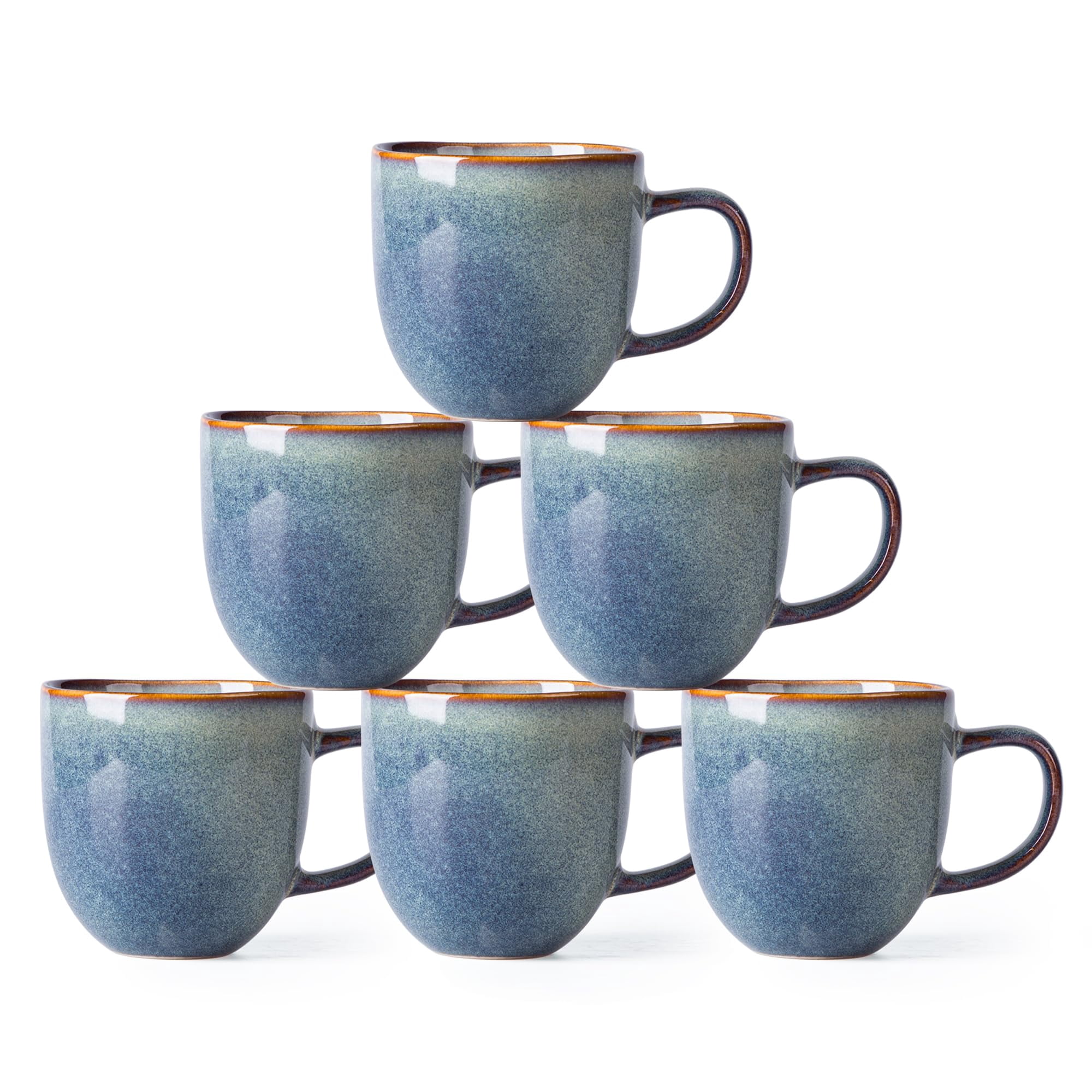
- Ceramic: The classic choice. Ceramic is chemically inert, meaning it won't impart any metallic or plastic flavors to your coffee. However, ceramic has high thermal conductivity; unless the mug is pre-heated with hot water, your 12-ounce brew will lose 10-15 degrees within the first three minutes.
- Double-Walled Glass: These are excellent for 12-ounce servings because the vacuum layer provides insulation, keeping the coffee hot while the exterior remains cool to the touch. They also allow you to see the clarity and color of the brew.
- Stainless Steel (Vacuum Insulated): This is the gold standard for commuters in 2026. A high-quality 12-ounce travel tumbler can keep coffee at an ideal drinking temperature (above 140°F) for up to six hours.
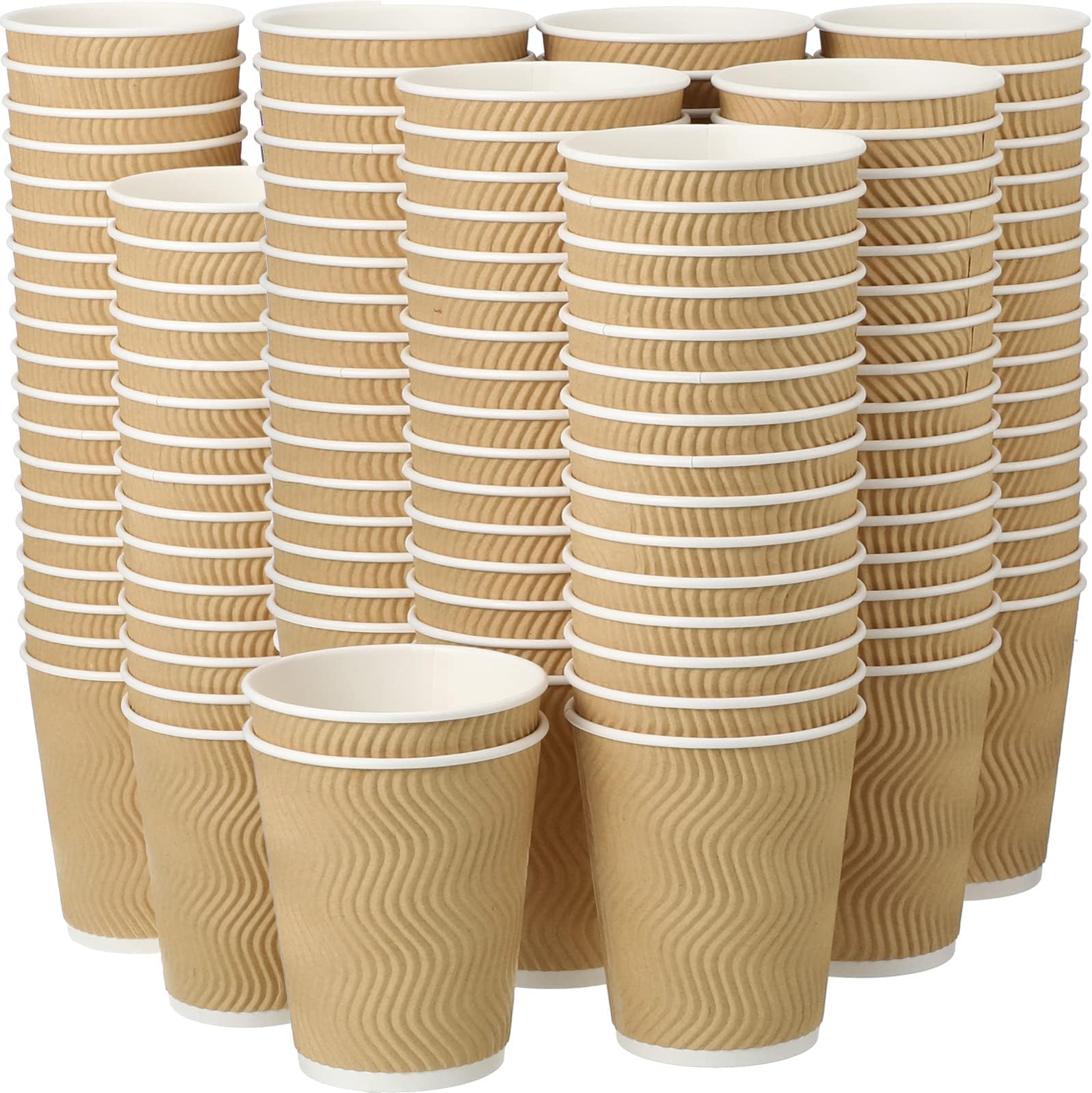
- Paper/Disposable: Even with improved sustainability standards in 2026, paper cups with plastic liners can affect the taste. The "papery" note is often detectable in lighter roasts.
Common Mistakes When Making a 12 Ounce Cup
- Eyeballing the Water: Many people fill their 12-ounce mug with water, pour it into the machine, and then add grounds. This ignores the fact that coffee grounds absorb approximately twice their weight in water. To get 12 ounces of liquid in your mug, you need to start with roughly 13.5 ounces of water.
- Incorrect Grind Size: For a 12-ounce drip or pour-over, use a medium grind (resembling kosher salt). If the grind is too fine, the water will take too long to pass through, resulting in over-extraction and bitterness. If it's too coarse, the water rushes through, leaving the coffee sour and thin.
- Reheating in the Microwave: Microwaving a 12-ounce cup of coffee breaks down the delicate aromatic oils and increases the perceived acidity. It is always better to keep coffee in a thermal carafe or brew smaller amounts more frequently.
Frequently Asked Questions
How many grams of coffee do I need for a 12 oz cup?
For a standard specialty brew, you need between 20 and 23 grams of coffee. This follows the 1:15 to 1:18 ratio, which is the industry standard for balanced extraction. Using a scale is the only way to ensure this remains consistent every morning.
Is 12 oz of coffee a lot of caffeine?
A 12 oz cup typically contains 120-180mg of caffeine. For most healthy adults, the FDA suggests a limit of 400mg per day. Therefore, one 12 oz cup is well within the safe range, but having three or four such cups in a day may lead to jitteriness or sleep disruption.
Is a 12 oz cup considered a "Small" or "Medium"?
In most commercial coffee chains like Starbucks, 12 oz is a "Tall," which is their small size for hot drinks. However, in traditional diners or older coffee makers, a "cup" was 5-6 oz, making a 12 oz serving effectively a "double" or "large."
Does the roast level change the caffeine in a 12 oz cup?
Technically, no—if you measure by weight. A gram of light roast and a gram of dark roast have nearly identical caffeine levels. However, because light roast beans are denser, a 12 oz cup brewed using "scoops" of light roast will have slightly more caffeine than a cup brewed with "scoops" of dark roast.
How many milliliters are in a 12 oz cup?
There are exactly 354.88 milliliters in 12 US fluid ounces. In the coffee industry, this is almost always rounded to 355ml.
Final Recommendation
To enjoy the perfect 12-ounce cup of coffee, prioritize the 1:17 brewing ratio. Weigh out 21 grams of freshly ground medium-roast Arabica beans and brew with 355 grams of filtered water at 200°F. This specific combination maximizes sweetness and clarity while providing a manageable caffeine kick that fits perfectly into a productive morning routine.
Image Gallery