Does Fidelity Life Insurance Require a Physical Exam?
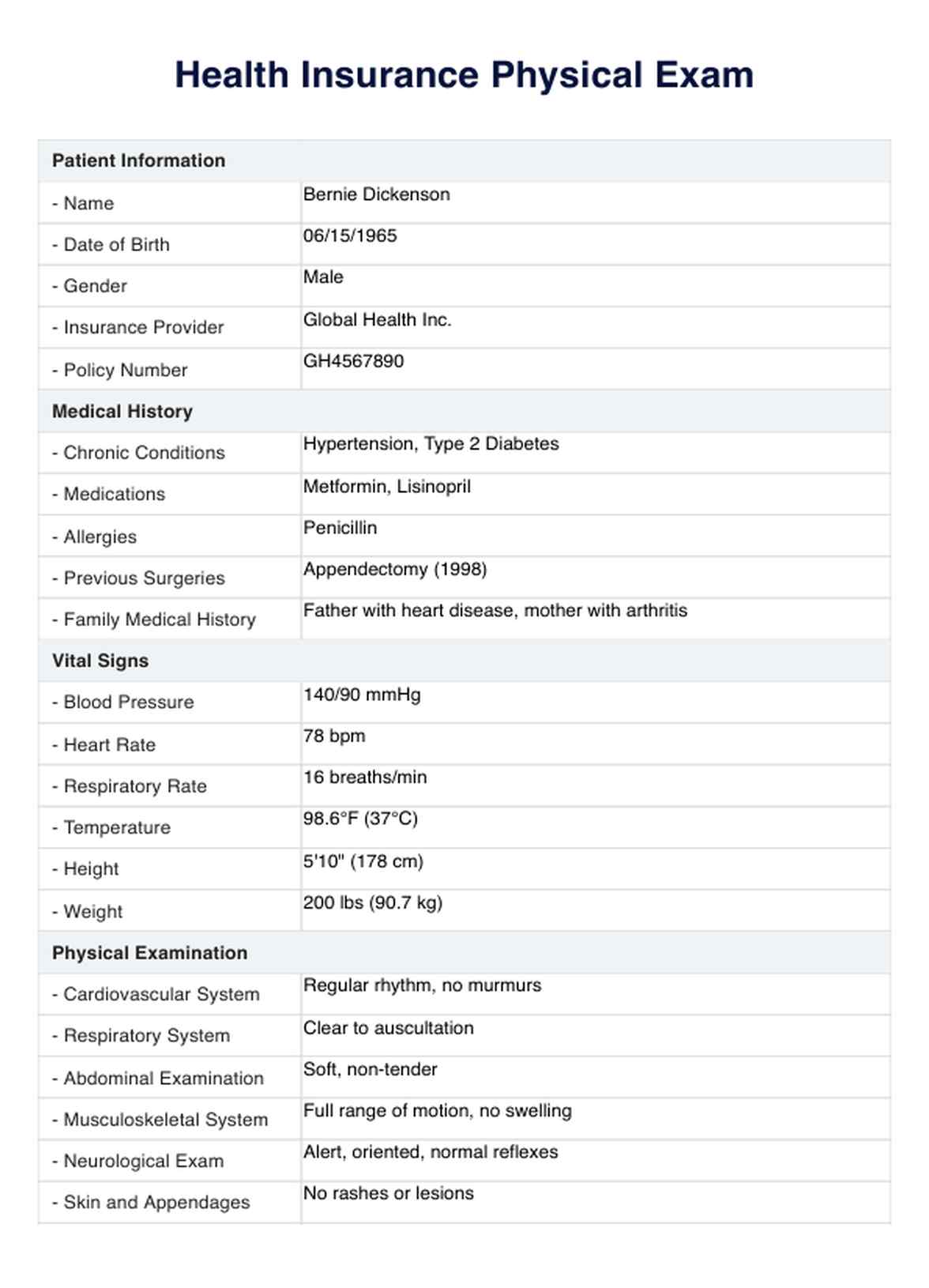
Fidelity Life offers a variety of life insurance products that do not require a physical exam, primarily through their "hybrid" underwriting and simplified issue models. While traditional policies often mandate a paramedical exam invol...
Fidelity Life offers a variety of life insurance products that do not require a physical exam, primarily through their "hybrid" underwriting and simplified issue models. While traditional policies often mandate a paramedical exam involving blood draws and physical measurements, Fidelity Life specializes in "no-exam" paths for many applicants, allowing for faster approval and immediate coverage based on digital health data and questionnaire responses.
Contents
Fidelity Life Association, established in 1896, has positioned itself as a leader in the middle-market insurance space by streamlining the application process. In 2026, the demand for "no-exam" or "accelerated underwriting" policies has become the industry standard for healthy individuals and those seeking smaller death benefits. However, whether you specifically will need an exam depends on the policy type, your age, your self-reported health history, and the amount of coverage you are requesting.
The Hybrid Underwriting Model: How Fidelity Life Minimizes Exams
Fidelity Life is well-known for its proprietary RAPIDecision® technology. This is a hybrid underwriting system designed to bridge the gap between traditional fully underwritten policies (which are slow but cheap) and simplified issue policies (which are fast but expensive).
Under the hybrid model, the company uses automated systems to scan public and private databases in real-time. Instead of waiting for a nurse to visit your home for a blood draw, the system checks your Medical Information Bureau (MIB) report, your prescription drug history, and your motor vehicle records. If these data points align with your application answers, Fidelity Life may grant you coverage immediately without a physical exam.
A unique feature of Fidelity Life’s hybrid approach is the "post-issue" window. In some cases, they will provide you with coverage immediately but give you a window of time (often six months) to complete a physical exam if you want to qualify for a lower premium or a higher coverage tier. If you choose not to take the exam, or if the data already satisfies their requirements, the "no-exam" status remains permanent for that policy.
Types of Fidelity Life Policies That Do Not Require an Exam
To understand if you can skip the physical, you must look at the specific product lines Fidelity Life offers. Each is designed for a different risk profile and coverage need.
1. RAPIDecision® Life (Term Life)
This is the most popular product for those looking to avoid a medical exam. It is a term life policy that offers coverage amounts typically ranging from $50,000 to $1,000,000. For many applicants under the age of 50 who are in good health, the physical exam is completely waived. The application involves a series of detailed health questions, and the "no-exam" approval can happen within minutes.
2. RAPIDecision® Senior Life (Term and Whole Life)
Designed for applicants aged 50 to 85, these policies focus on simplified underwriting. Because the death benefits are generally lower—often topping out around $150,000 for term or $50,000 for whole life—Fidelity Life typically relies on a health questionnaire rather than a physical exam. This is particularly helpful for seniors who may have manageable chronic conditions that would make a traditional physical exam more difficult to "pass" at a preferred rate.
3. RAPIDecision® Final Expense
Final expense insurance is intended to cover end-of-life costs like funerals and small debts. Fidelity Life’s final expense products are almost exclusively "no-exam." They fall into two categories:
- Simplified Issue: You answer a few health questions. No exam is required.
- Guaranteed Issue: No health questions and no exam are required. You cannot be turned down, though these policies often have a "graded death benefit," meaning the full payout is only available after the policy has been active for two or three years.
4. RAPIDecision® Accidental Death
This is not "life insurance" in the traditional sense, as it only pays out if the cause of death is an accident (not illness or natural causes). Because the insurer is not concerned with your health status, there is never a physical exam or even health questions for accidental death coverage.
What Replaces the Physical Exam?
When you opt for a no-exam policy, Fidelity Life does not simply take your word for it. In 2026, the "digital physical" is powered by extensive data integration. Here are the primary tools underwriters use to verify your health without a needle:
- MIB Group Inc. (Medical Information Bureau): This is a member-owned database where insurers share coded information about previous insurance applications. If you told another insurer two years ago that you had high blood pressure, Fidelity Life will see that record.
- Prescription History Reports: Third-party services like Milliman IntelliScript provide a history of every medication you have been prescribed over the last several years. This is a highly accurate proxy for your actual health status. For example, a prescription for insulin is a definitive indicator of diabetes, regardless of what is written on the application.
- Motor Vehicle Records (MVR): Your driving history provides insight into your lifestyle risk. Multiple DUIs or a history of reckless driving can trigger a requirement for a physical exam or a denial of coverage.
- FCRA-Compliant Consumer Data: This may include public records or credit-based insurance scores (where permitted by state law) to assess overall stability and risk.
Comparing Fidelity Life Policy Requirements
The following table outlines the general requirements for Fidelity Life’s primary products. Note that requirements can change based on the specific state of residence and the 2026 actuarial adjustments.
| Policy Type | Typical Coverage Limit | Physical Exam Required? | Approval Time | Best For |
|---|---|---|---|---|
| RAPIDecision® Life | Up to $1M+ | Often Waived (Hybrid) | Same Day to Days | Healthy adults seeking high coverage fast |
| Senior Life (Term) | Up to $150,000 | Rarely | 24–48 Hours | Seniors 50-70 needing temporary protection |
| Final Expense | Up to $40,000 | No | Instant to 24 Hours | Covering burial and funeral costs |
| Guaranteed Issue | Up to $25,000 | No (No Questions) | Instant | Those with serious pre-existing conditions |
| Accidental Death | Up to $500,000 | Never | Instant | High-risk occupations or supplemental coverage |
When a Physical Exam Might Still Be Necessary
Even if you apply for a "no-exam" policy, there are certain "red flags" or conditions that might trigger a request for a medical professional to visit you. Fidelity Life reserves the right to request an exam if:
- Inconsistent Data: If your application states you do not smoke, but your prescription history shows you are taking a smoking cessation medication, an exam (including a urine test for nicotine) will likely be required.
- High Coverage Amounts: While Fidelity Life has pushed the boundaries of no-exam limits, applications exceeding $1 million or $2 million (depending on current 2026 limits) often require a full medical workup to satisfy reinsurance requirements.
- Age Thresholds: As applicants enter their 60s and 70s, the threshold for waiving an exam drops. A 30-year-old might get $500,000 without an exam, whereas a 70-year-old might be required to take one for the same amount.
- Complex Medical History: If you have a history of cancer, heart disease, or multiple chronic conditions, the automated system may be unable to calculate your risk accurately. A physical exam allows the underwriter to see the current severity of these conditions.
The Pros and Cons of Skipping the Exam
Choosing a no-exam path with Fidelity Life offers significant convenience, but it is important to weigh the trade-offs.
Advantages
- Speed: You can often secure a policy in the time it takes to drink a cup of coffee.
- Convenience: No need to schedule a nurse visit, fast for 12 hours, or provide blood and urine samples.
- Immediate Peace of Mind: For those who need coverage to satisfy a court order, a loan requirement, or a sudden life change, the speed of "Rapid App" is invaluable.
Disadvantages
- Cost: Generally, if you are in excellent health, a fully underwritten policy (with an exam) will be slightly cheaper because the insurer has more certainty about your health.
- Lower Coverage Ceilings: Most "pure" no-exam policies (Simplified Issue) have lower maximum payouts than those that allow for a physical.
- Strict Honesty Requirement: Because there is no exam to "catch" errors, any unintentional misrepresentation on the questionnaire can lead to a denied claim later during the contestability period.
Frequently Asked Questions
Does Fidelity Life offer "Instant Issue" policies?
Yes. Many of Fidelity Life’s products, particularly the RAPIDecision® series, use an "Instant Issue" process. This means that if your electronic records (MIB, Rx, MVR) match your application and fall within their "standard" or "preferred" risk categories, you can be approved and have your policy issued within minutes of submitting the online application.
Can I get life insurance from Fidelity Life if I have a pre-existing condition?
Yes. Fidelity Life is known for being accessible to those with pre-existing conditions. For moderate conditions, you might qualify for a Simplified Issue policy (no exam, just questions). For more severe conditions, their Guaranteed Issue product requires no exam and no health questions, though it usually comes with a lower death benefit and higher premiums per dollar of coverage.
Will skipping the exam make my premiums more expensive?
In many cases, yes. When an insurance company skips the physical exam, they are taking on more "unknown" risk. To compensate for that risk, they may charge a higher premium than they would for a policy where they have a complete blood panel and medical report. However, for many people, the difference in cost is negligible compared to the convenience of avoiding a medical exam.
How does the "Post-Issue" exam work with Fidelity Life?
With some RAPIDecision® products, Fidelity Life grants you coverage immediately but allows you a specific timeframe (usually 6 months) to undergo a medical exam. If the results of that exam show you are healthier than the initial automated assessment suggested, your premiums could be lowered. If the results are poor, or if you choose not to take the exam at all, your initial coverage and rate typically remain as they were issued.
Is a phone interview required instead of a physical exam?
Sometimes. While a physical exam may be waived, Fidelity Life occasionally uses a "tele-underwriting" interview. A representative will call you to clarify your answers on the health questionnaire. This is common for senior policies or when a specific health condition is mentioned that requires more detail than a "yes/no" checkbox provides.
Practical Recommendation: How to Apply
If you are looking to avoid a physical exam with Fidelity Life, your best course of action is to apply for the RAPIDecision® Life or RAPIDecision® Senior Life products. Before you begin, gather your medical history, including the names and dosages of any medications you have taken in the last five years.
Be prepared for the possibility of a "hybrid" result: you may get immediate coverage but be asked to complete a physical later to "lock in" the best possible rate. If your primary goal is speed and you are willing to pay a small premium for convenience, Fidelity Life remains one of the strongest options in the 2026 insurance market for bypassing the traditional medical exam.
For more information on life insurance regulations and consumer protections, you can visit the National Association of Insurance Commissioners (NAIC) or check your specific health records at MIB Group.
Image Gallery