Understanding the Cheap Auto Liability Insurance Market in 2026
The cheap auto liability insurance market is a specialized segment of the insurance industry focused on providing the minimum legally required coverage at the lowest possible price point. It primarily serves budget-conscious drivers, t...
The cheap auto liability insurance market is a specialized segment of the insurance industry focused on providing the minimum legally required coverage at the lowest possible price point. It primarily serves budget-conscious drivers, those with older vehicles, or individuals seeking to satisfy state financial responsibility laws without the added cost of comprehensive or collision protections.
Contents
In 2026, the landscape of affordable auto liability insurance has been reshaped by advanced underwriting algorithms, the ubiquity of telematics, and shifting regulatory frameworks. Liability insurance remains the fundamental building block of any auto policy, designed specifically to cover costs associated with injuries or property damage you cause to others in an at-fault accident. Navigating this market requires an understanding of how carriers price risk and which mechanisms—such as usage-based insurance—offer the most significant paths to premium reduction.
The Core Components of Liability Insurance
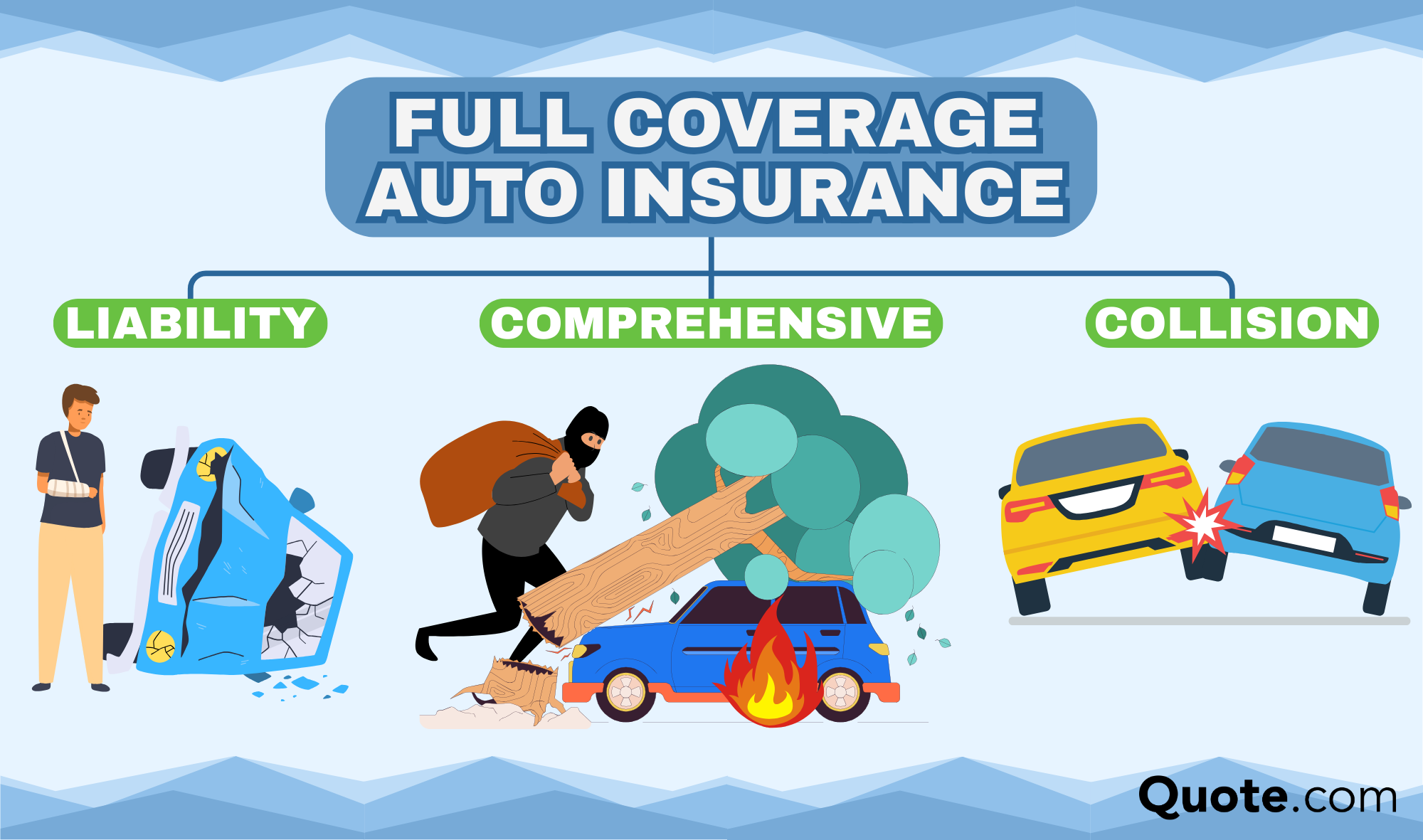
To effectively shop the "cheap" end of the market, one must first understand what liability insurance actually covers. Liability is generally split into two distinct categories: Bodily Injury (BI) and Property Damage (PD). In 2026, most states continue to mandate specific minimum limits for both, often expressed in a shorthand like 25/50/25 (representing $25,000 per person for BI, $50,000 per accident for BI, and $25,000 for PD).
Bodily Injury Liability (BI)
This component covers the medical expenses, lost wages, and legal fees of the other party if you are found at fault in a collision. In a high-inflation environment like 2026, medical costs have risen significantly, making even "minimum" BI limits potentially risky if an accident results in serious injuries. Cheap liability providers often cap these limits at the absolute state minimum to keep premiums low.
Property Damage Liability (PD)
Property damage covers the repair or replacement of the other driver’s vehicle, as well as damage to stationary objects like fences, poles, or buildings. With the 2026 average vehicle cost rising due to integrated electronics and sensor arrays, even minor fender benders can exceed a $10,000 or $15,000 limit. The cheapest policies focus on these lower-tier limits, which are ideal for drivers with few assets to protect but can be a liability for those with higher net worths.
Current Market Drivers in 2026
The price of liability-only insurance is dictated by several macro-economic and technological factors that have stabilized or evolved over the past few years. As of 2026, the following elements are the primary drivers of cost in the affordable insurance segment:
- Telematics and AI Underwriting: Insurance companies have moved away from broad demographic buckets. Instead, they use real-time data from smartphones or vehicle-embedded systems to track braking, acceleration, and speed. For safe drivers, this has made "cheap" insurance even cheaper, as they are no longer subsidizing high-risk drivers in the same pool.
- Social Inflation: This refers to the rising costs of insurance claims resulting from increased litigation and higher jury awards. Even for basic liability policies, carriers have had to adjust premiums upward to account for the increasing likelihood of lawsuits following minor accidents.
- Vehicle Repair Complexity: Even a basic liability policy is affected by the cost of repairing the other person's car. In 2026, the proliferation of Advanced Driver Assistance Systems (ADAS) means that a bumper replacement on a modern sedan often involves recalibrating multiple sensors, driving up the average property damage claim.
Comparing Standard vs. Non-Standard Carriers
When searching for the most affordable rates, it is essential to distinguish between standard insurance carriers and "non-standard" providers.
Standard Carriers (e.g., State Farm, Geico, Progressive) often provide the lowest rates for "preferred" drivers—those with clean records, high credit scores, and stable insurance histories. They use sophisticated tiered pricing that rewards loyalty and multi-policy bundles.
Non-Standard Carriers (e.g., The General, Bristol West, National General) specialize in the high-risk or budget-focused market. These companies are often the most "cheap" for drivers who have had a lapse in coverage, an SR-22 requirement, or multiple moving violations. While their customer service interfaces may be more streamlined, they are highly efficient at underwriting risks that standard carriers might decline.
| Feature | Standard Carriers | Non-Standard (Budget) Carriers |
|---|---|---|
| Target Audience | Drivers with good credit and clean records | High-risk drivers or those seeking state minimums |
| Pricing Structure | Discounts for bundling and long-term loyalty | Low entry-level premiums with fee-based structures |
| Policy Flexibility | Wide range of optional riders and high limits | Focused on basic liability and state compliance |
| Tech Integration | Advanced mobile apps and claims tracking | Simplified portals, often focused on payment ease |
| Credit Sensitivity | High; credit score heavily impacts rate | Moderate; more focus on driving history |
Strategies for Reducing Liability Costs
In 2026, "shopping around" remains the most effective way to find a cheap policy, but the method has changed. Modern consumers use automated comparison engines that pull real-time data via APIs to provide instant quotes. Beyond simple comparisons, there are technical steps to lowering a liability premium.
Opt for Usage-Based Insurance (UBI)
For drivers who do not cover many miles or who drive primarily during daylight hours, UBI is the fastest route to a low-cost policy. By 2026, most budget carriers offer a "pay-per-mile" or "pay-how-you-drive" option. If you are a low-risk driver, your liability premium can be reduced by as much as 30% to 40% compared to a traditional flat-rate policy.
Adjusting Your Limits and Deductibles
While liability insurance itself doesn't have a deductible (that applies to collision and comprehensive), you can influence the price by choosing the lowest possible limits. However, there is a "price floor." In many cases, increasing your liability from the state minimum (e.g., 25/50/25) to a slightly higher bracket (e.g., 50/100/50) costs only a few dollars more per month because the statistical likelihood of a "total limit" claim is lower.
Improving Your Insurance Score
In most states, insurance companies use a version of your credit report known as an "insurance score." In the 2026 market, this score is a major determinant of your liability rate. By reducing credit card utilization and ensuring on-time payments, you can migrate from a high-premium "standard" tier to a low-premium "preferred" tier within six to twelve months.
State Requirements and Legal Compliance
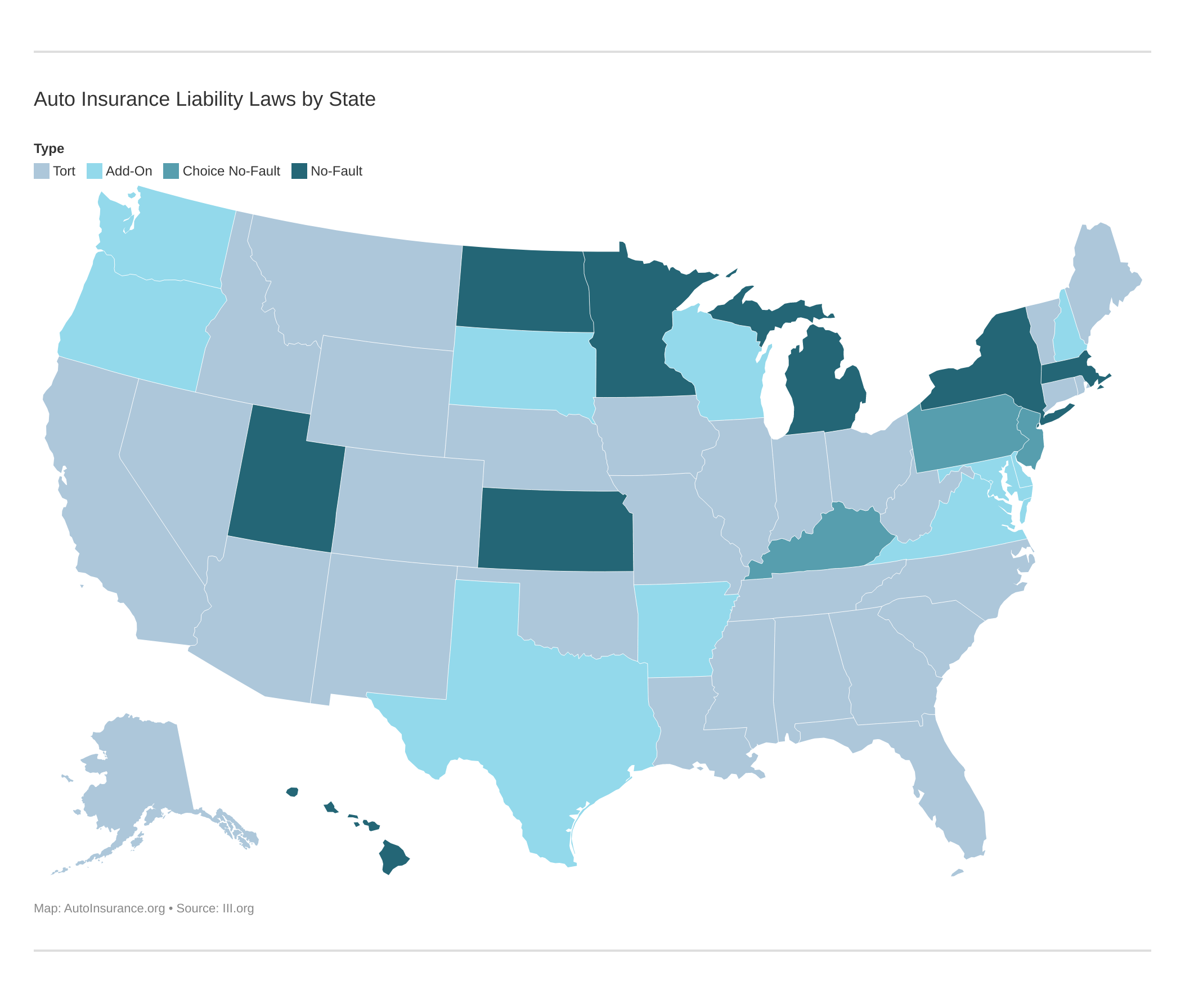
Every state in the U.S. (except for specific provisions in New Hampshire and Virginia) requires drivers to carry a minimum amount of liability insurance. Failure to maintain this coverage can lead to license suspension, heavy fines, and the requirement of an SR-22 filing, which significantly increases insurance costs for several years.
Drivers should consult the National Association of Insurance Commissioners (NAIC) to verify the specific minimums in their jurisdiction. As of 2026, several states have updated their minimum requirements to keep pace with inflation. For example, a state that previously required $15,000 in property damage may have moved to $25,000. It is the driver’s responsibility to ensure their "cheap" policy remains compliant with these shifting legal standards.
Common Mistakes When Seeking the Cheapest Rates
The pursuit of the lowest possible premium often leads drivers into traps that cost more in the long run.
- Ignoring Lapses in Coverage: Even a two-day lapse in liability coverage can cause your future premiums to spike by 15% or more. Cheap insurance providers prioritize "continuous coverage" as a sign of responsibility.
- Misreporting Annual Mileage: While it is tempting to underestimate mileage to get a lower rate, insurers in 2026 use third-party data (like Odometer readings from service centers) to verify mileage. Misrepresentation can lead to a denied claim or policy cancellation.
- Overlooking Local Mutuals: Sometimes the cheapest liability insurance isn't from a national brand but from a local mutual insurance company that only operates in one or two states. These smaller entities often have lower overhead and deeper knowledge of local risk factors.
Frequently Asked Questions
What is the absolute cheapest way to get auto liability insurance?
The most affordable method is typically a "State Minimum Liability" policy paired with a telematics (usage-based) program. By allowing the insurer to track your driving habits and staying within state-mandated minimum limits, you minimize the carrier's risk and your premium.
Does "cheap" insurance mean the company won't pay claims?
No. All insurance companies must follow state regulations and maintain specific capital reserves to pay claims. However, cheaper carriers may have more stringent claims investigation processes or use non-OEM (Original Equipment Manufacturer) parts for third-party repairs to keep their own costs down.
Will my liability rates go down in 2026 if I turn 25?
Statistically, yes. Age remains a major factor in the 2026 insurance market. Once a driver exits the high-risk "under 25" demographic, liability rates typically drop by 15% to 25%, assuming a clean driving record and no lapses in coverage.
Can I get liability insurance for a car I don't own?
Yes, this is known as a Non-Owner Auto Insurance policy. It is often the cheapest way for people who frequently rent cars or use car-sharing services to maintain liability coverage and a continuous insurance history, which prevents future rate hikes.
Is liability-only insurance enough for an older vehicle?
Generally, if the annual cost of comprehensive and collision coverage exceeds 10% of the vehicle’s total book value, switching to liability-only is a common strategy to save money. In 2026, for vehicles older than 10-12 years, liability-only is often the most financially sound choice.
Final Recommendation for 2026 Drivers
To secure the most competitive rate in the current market, start by obtaining a baseline quote for state-minimum liability from a major direct-to-consumer carrier. Once you have that figure, compare it against a non-standard carrier that offers a telematics-based discount. Always verify that the policy meets the current 2026 state mandates for your specific location. If you have a clean record, opting for a usage-based policy remains the single most effective way to drive down costs without sacrificing the legal protections required to stay on the road.
Image Gallery