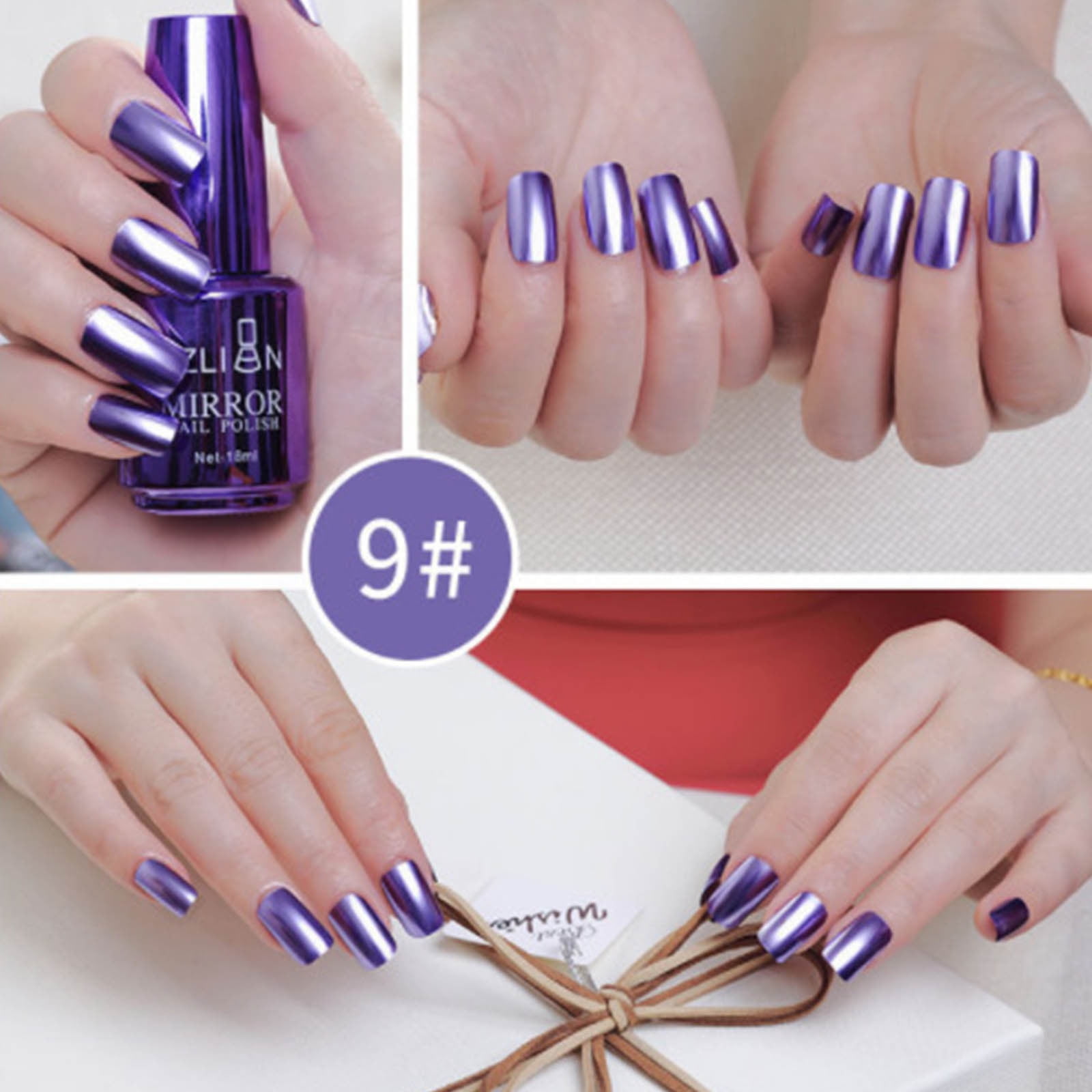
How to Choose Mirror Chrome Gel Nail Polish: A Complete Guide for a Flawless Finish
To choose the best mirror chrome gel nail polish, you must prioritize formulas with micron-sized pigments for a true reflective finish and ensure compatibility with no-wipe top coats. Decide between liquid chrome gels for ease of appli...
To choose the best mirror chrome gel nail polish, you must prioritize formulas with micron-sized pigments for a true reflective finish and ensure compatibility with no-wipe top coats. Decide between liquid chrome gels for ease of application or professional-grade powders for maximum reflectivity, while verifying HEMA-free status to minimize the risk of skin sensitivities.
Contents
The quest for the perfect "mirror" finish—that elusive, liquid-metal look that reflects the world around it—has evolved significantly by 2026. While traditional metallic polishes often left behind visible brushstrokes, modern chrome gel technology relies on advanced pigment suspension and light-refraction physics. Choosing the right product requires more than just picking a pretty color; it involves understanding the relationship between the pigment, the curing process, and the chemical composition of the gel layers.
Understanding the Two Main Categories of Chrome "Polishes"
When searching for "mirror chrome gel nail polish," you will encounter two distinct product types. Understanding which one suits your skill level and desired outcome is the first step in making an informed purchase.
1. Liquid Chrome Gels (The All-in-One Solution)
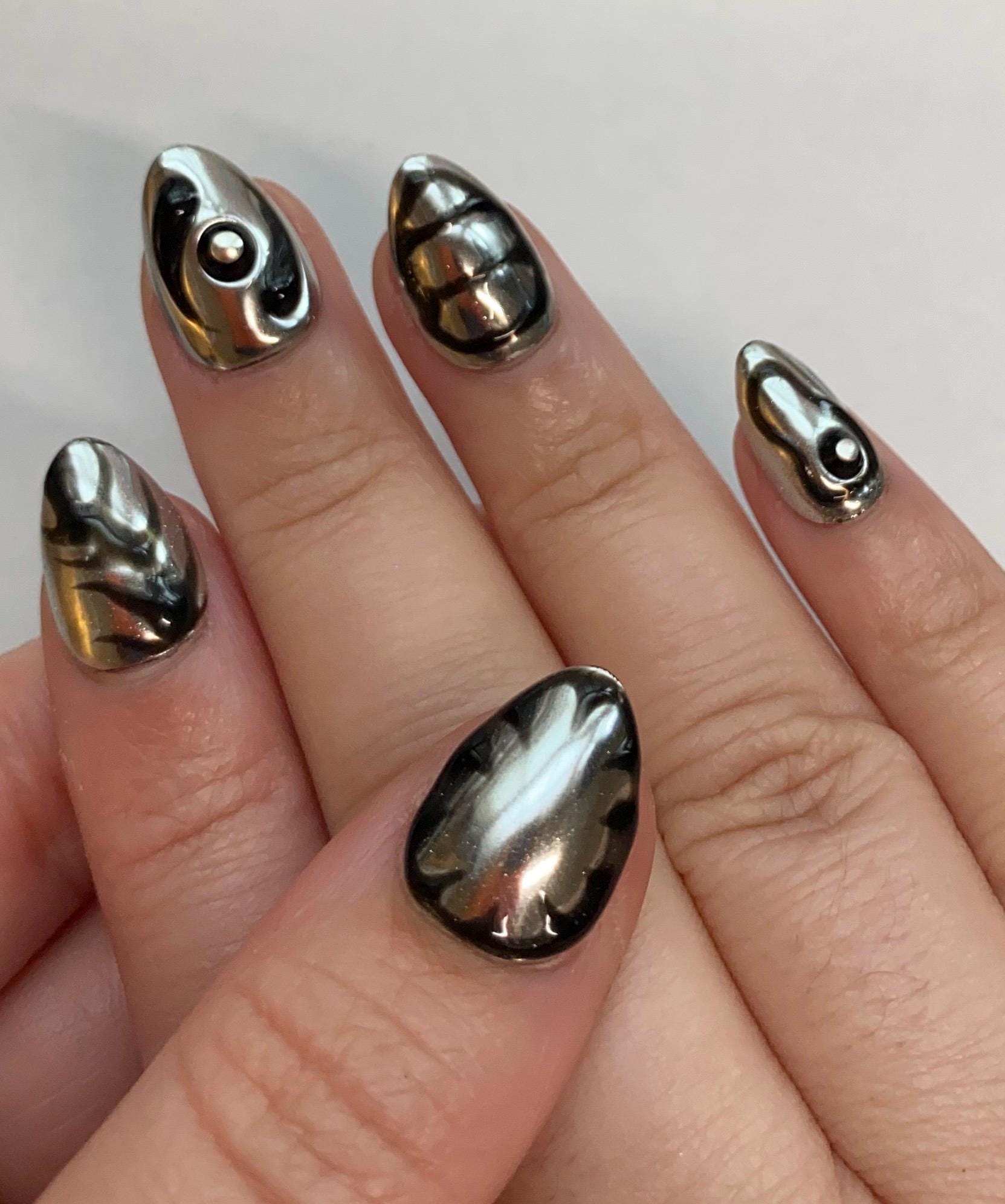
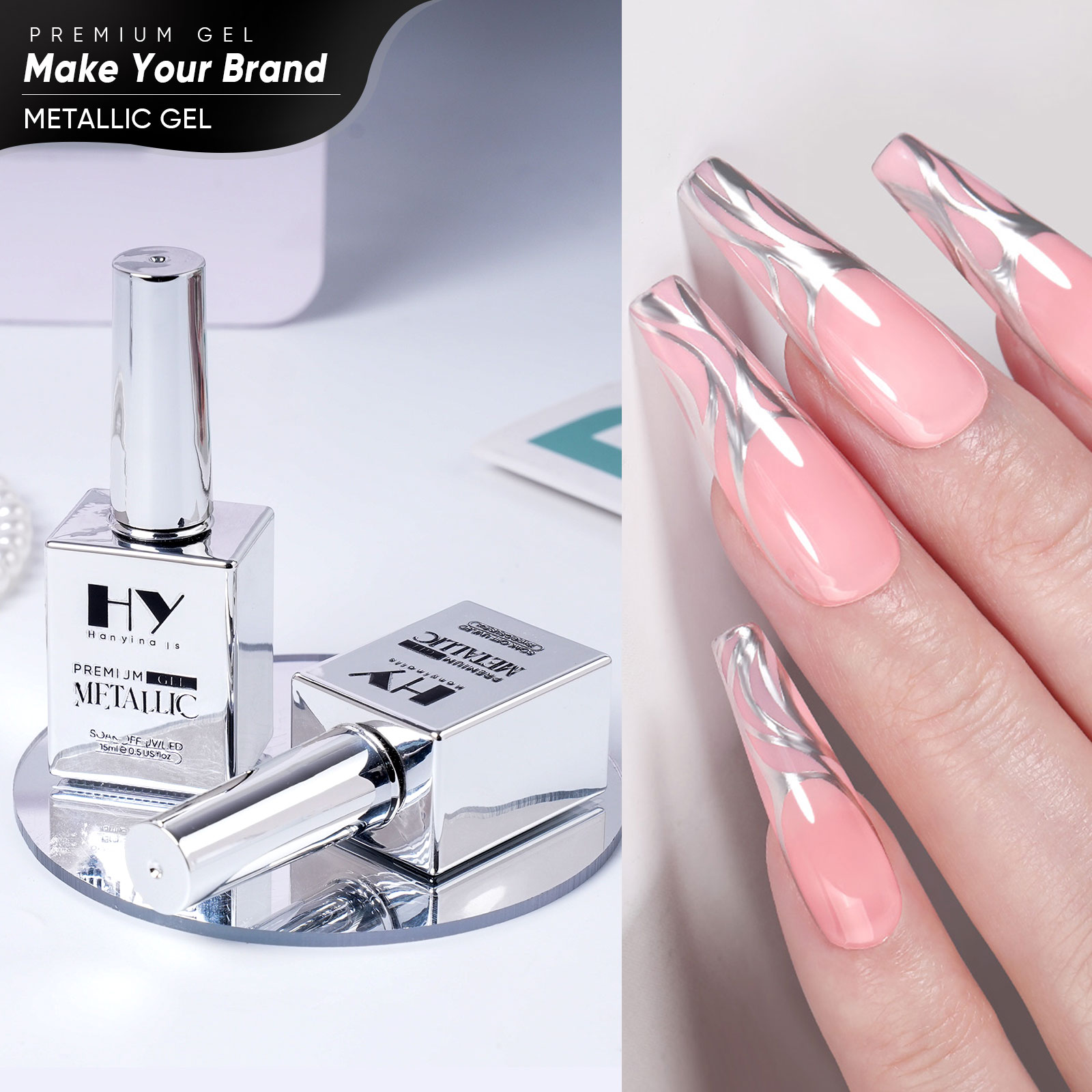
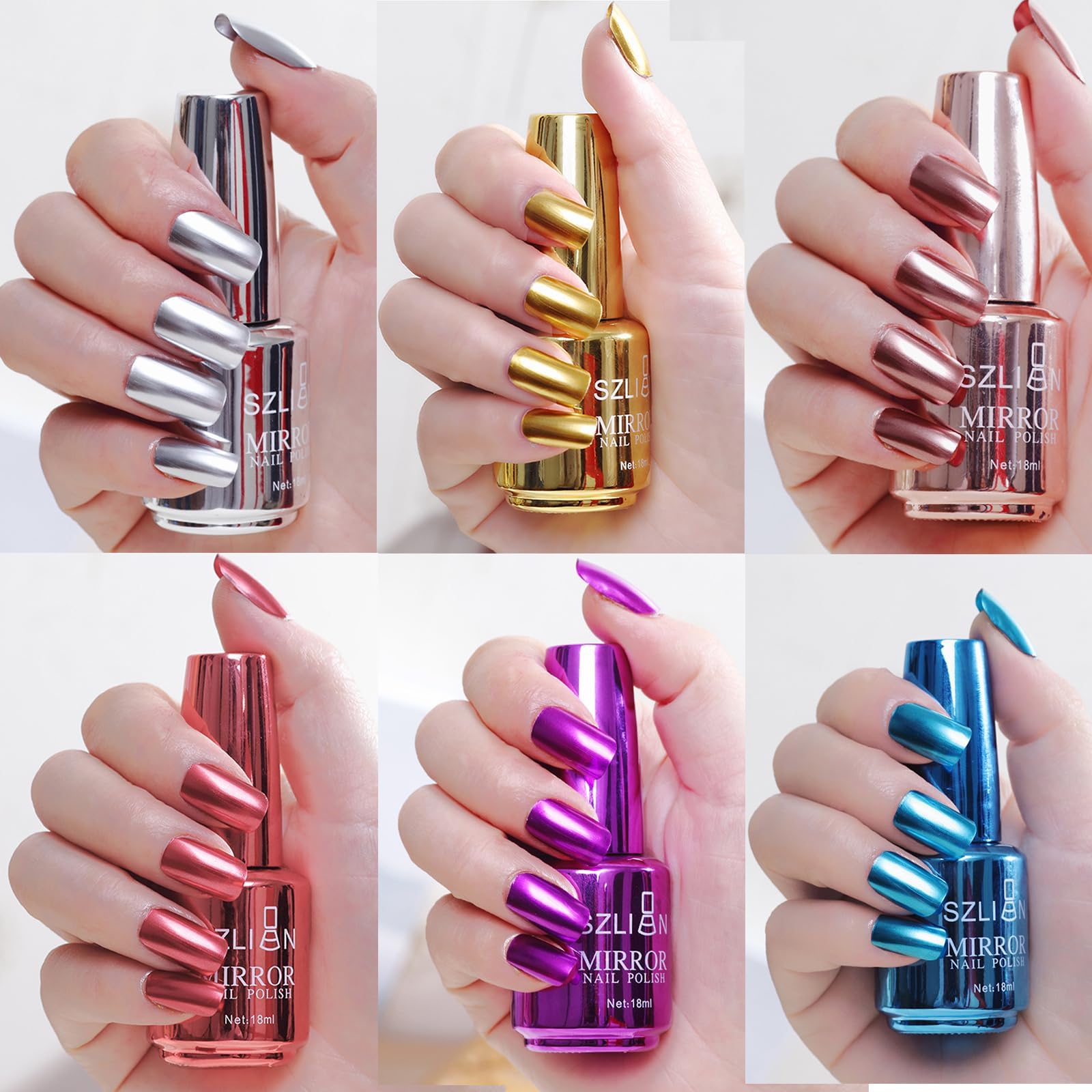
In 2026, liquid chrome gels have become the industry standard for efficiency. These are bottled gels that contain ultra-fine metallic pigments suspended in a specialized resin. Unlike older metallic polishes, these are designed to "level out" during the curing process, eliminating brushstrokes.
Pros:
- Speed: No need to rub in powders or deal with messy dust.
- Consistency: The pigment-to-resin ratio is factory-calibrated for an even finish.
- Longevity: Because the pigment is integrated into the gel, it is less likely to "rub off" or peel compared to poorly applied powders.
Cons:
- Slightly Diminished Reflectivity: While very shiny, they occasionally lack the "funhouse mirror" sharpness of a high-grade burnished powder.
2. The Chrome Powder and No-Wipe Gel System
This is the "traditional" method used by professionals. It involves a base color gel, a specific type of "no-wipe" top coat, and a jar of highly concentrated chrome pigment powder that is buffed into the surface.
Pros:
- Maximum Mirror Effect: Rubbing the pigment onto a cured, non-tacky surface creates the flattest possible layer of metal, resulting in the highest reflectivity.
- Versatility: You can change the "mood" of the chrome by changing the base color (e.g., silver chrome over black looks like steel; silver over white looks like a pearl).
Cons:
- Complexity: Requires precise timing during the curing process.
- Mess: Fine chrome dust can get everywhere if not handled carefully.
Evaluating Pigment Quality and Micron Size
The "mirror" in mirror chrome is determined by the size and shape of the pigment particles. When choosing a product, look for technical specifications regarding micronization.
In high-end 2026 formulations, pigments are often milled to a size of 5 to 15 microns. Larger particles result in a "glittery" or "shimmer" finish rather than a mirror finish. When the particles are small enough, they lay perfectly flat against the nail plate, creating a continuous surface that reflects light uniformly—a phenomenon known as specular reflection.
If you are buying online, look for high-resolution videos of the product. If you can see individual "dots" of sparkle in the reflection, the micron size is too large for a true mirror effect. A high-quality chrome should look like a solid sheet of poured mercury.
The Science of Compatibility: No-Wipe Top Coats and Curing
The success of a mirror chrome finish is 90% dependent on the gel it is applied to. If you are choosing a chrome system, you must ensure you have a compatible No-Wipe (Tack-Free) Top Coat.
Traditional gel polishes leave behind an "inhibition layer"—a sticky residue of uncured monomers. If you apply chrome to this sticky layer, the pigment will clump, and you will end up with a dull, textured finish. A no-wipe top coat cures completely smooth.
However, by 2026, "over-curing" has become a common issue. If you cure your no-wipe top coat for too long (e.g., 60 seconds when the formula only needs 30), the surface becomes too hard and "slick," and the chrome pigment will not adhere at all. When choosing a chrome gel brand, check if they provide specific curing windows for their top coats. The best brands specify the exact wattage and time (e.g., "30 seconds in a 48W LED lamp") required to reach the "sweet spot" for chrome adhesion.
Chemical Safety: HEMA and TPO Considerations
As nail technology has advanced, so has our understanding of ingredient safety. When choosing a mirror chrome gel, the chemical profile is just as important as the shine.
- HEMA-Free Formulas: Hydroxyethyl methacrylate (HEMA) is a common allergen in gel polishes. Because chrome applications often involve "scrubbing" or fine dust, the risk of skin contact is higher. Choosing HEMA-free chrome gels reduces the risk of developing a lifelong allergy to acrylates.
- TPO Awareness: Many older photoinitiators (like TPO) have been phased out or restricted in various jurisdictions by 2026 due to health concerns. Ensure the product you choose complies with modern safety standards (FDA or EU Cosmetics Regulation 1223/2009).
Choosing Based on Base Color Synergy
A common mistake is assuming the chrome gel does all the work. In reality, the base color underneath acts as the "anchor" for the light.
- Black Base: The gold standard for silver or gold chrome. The black absorbs all non-reflected light, making the metallic reflection "pop" with high contrast.
- White Base: Best for "aurora" or "pearl" chromes. It keeps the look bright and ethereal.
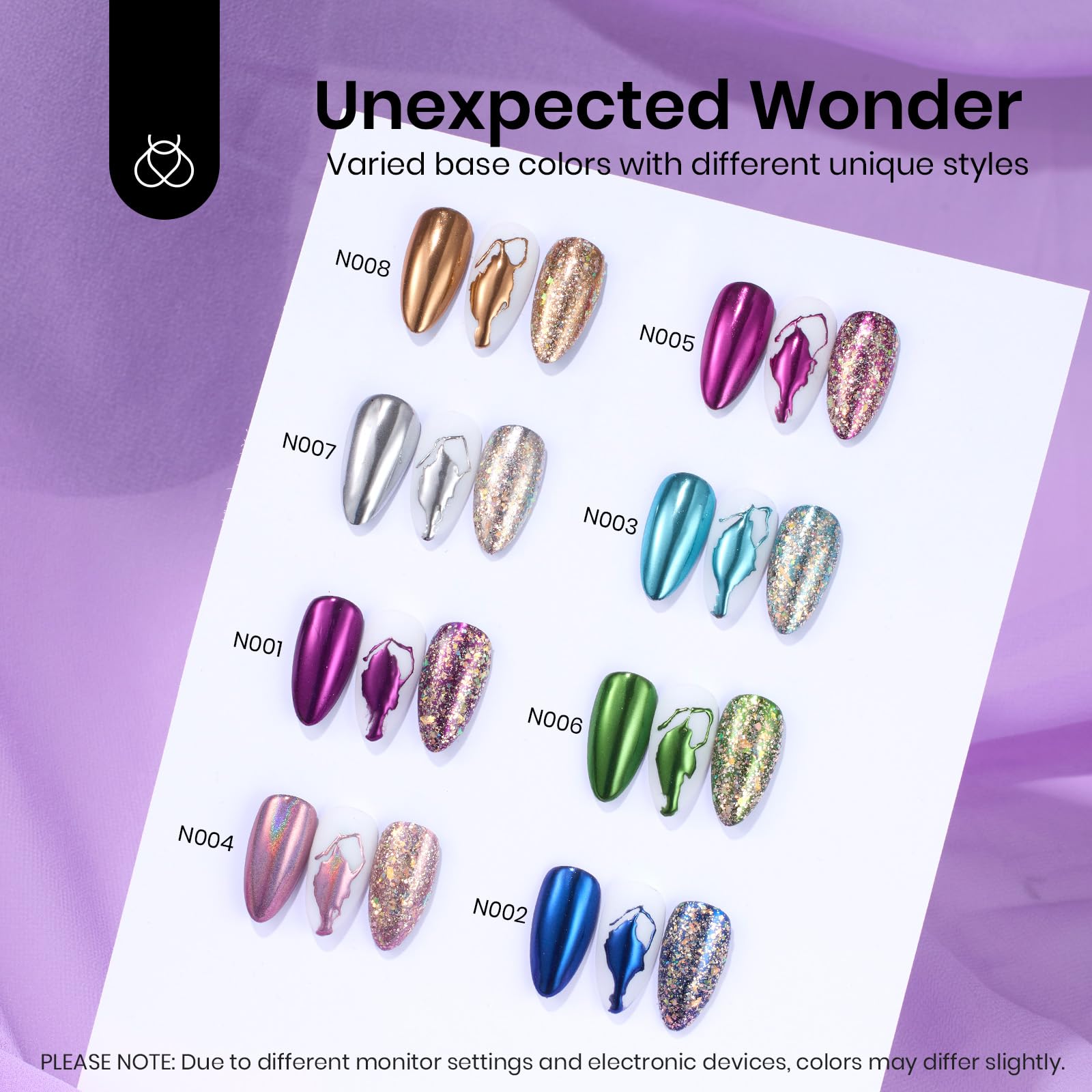
- Color-Matched Base: If you are using a blue chrome, using a blue gel base will ensure that if the chrome layer is slightly thin, no "bald spots" are visible.
When purchasing, check if the chrome is opaque or translucent. Translucent chromes (often called "iridescent" or "opal") require a base color to function, whereas true mirror "liquid" gels are often opaque enough to stand alone.
Comparison of Mirror Chrome Application Methods
| Feature | Liquid Chrome Gel | Burnished Powder System | Metallic Effect Polish (Standard Gel) |
|---|---|---|---|
| Reflectivity Level | High (8/10) | Maximum (10/10) | Moderate (5/10) |
| Application Time | 5–10 Minutes | 15–20 Minutes | 5 Minutes |
| Skill Level | Intermediate | Advanced | Beginner |
| Mess Factor | Low | High (Dust) | Low |
| Primary Use Case | Professional Salons (Speed) | Editorial/Competition | DIY Home Use |
| Durability | Excellent | Prone to edge-chipping | Good |
Troubleshooting Common Choice Errors
Even with a high-quality product, the "mirror" can fail. Here is how to diagnose if you chose the wrong product or the wrong technique:
- The Finish is Cloudy: This usually means the chrome pigment was of a lower grade (large micron size) or the top coat used underneath was not a true "no-wipe" formula.
- The Chrome Peels Off: This is a sign of "system incompatibility." The chrome layer is essentially a thin plate of metal sitting between two layers of plastic (gel). If the chrome is applied too thickly, or if the top coat doesn't "grip" the chrome, it will delaminate. Look for "interlayer adhesion" specialized top coats.
- Dark Spots in the Mirror: This occurs when the base gel was not leveled properly. Any tiny bump or "pitting" in the base layer will be magnified 10x by the chrome. Choose a self-leveling base gel to accompany your chrome.
Frequently Asked Questions
Can I use mirror chrome gel without a UV/LED lamp?
No. Mirror chrome "gel" requires a photoinitiator reaction to harden and secure the pigment. While there are "air-dry" metallic polishes, they cannot achieve the same level of durability or the distinct "liquid metal" reflection of a cured gel system.
Why does my chrome turn grey when I put the final top coat on?
This is known as "dulling." It happens because the solvents in some top coats react with the ultra-thin metallic particles, causing them to shift or oxidize. To prevent this, choose a water-based top coat or a top coat specifically labeled as "Chrome-Safe." Alternatively, many pros use a thin layer of "strenthening gel" or "builder gel" before the final top coat to protect the mirror finish.
How long should mirror chrome gel nails last?
With a high-quality product and proper "capping" of the free edge, a chrome manicure should last 14 to 21 days. If you experience chipping within 3 days, it usually indicates that the chrome pigment was applied too close to the nail edge, preventing the top and bottom gel layers from "sandwiching" the chrome shut.
Is liquid chrome better than powder chrome?
"Better" depends on your priority. For a professional who needs to do 10 clients a day, liquid chrome gel is better because it saves time and reduces cleanup. For a nail artist creating a masterpiece for a photoshoot, a high-grade burnished powder is better because it offers a sharper, more realistic reflection.
Can I apply chrome over regular nail polish?
Generally, no. Chrome pigments require the specific surface tension of a cured no-wipe gel to lay flat. Regular polish dries by evaporation, which creates a micro-textured surface that makes chrome look like dull glitter rather than a mirror.
Final Recommendations for Buyers
When you are ready to purchase, do not simply buy the cheapest "chrome" kit available. For a professional-grade result in 2026, follow these three steps:
- Verify the System: Buy the chrome and the no-wipe top coat from the same manufacturer to ensure chemical compatibility.
- Check for "Liquid" Options: If you are a beginner, start with a liquid chrome suspension gel. It removes the "rubbing" variable and provides a consistent result.
- Invest in a Strong Lamp: Ensure your LED lamp is at least 36W–48W. Chrome finishes depend on a "crisp" cure; weak batteries or old bulbs will result in a dull, hazy finish.
By focusing on pigment micronization, chemical safety (HEMA-free), and the specific requirements of the no-wipe curing cycle, you can achieve a flawless, salon-quality mirror finish that lasts for weeks.
Image Gallery