5 Key Elements of a Best Hotel Review: A Guide to Impactful Feedback
A high-quality hotel review provides deep value through five essential components: specific granular details, authentic visual evidence, traveler context, a balanced pros-and-cons perspective, and a focus on service interactions. These...
A high-quality hotel review provides deep value through five essential components: specific granular details, authentic visual evidence, traveler context, a balanced pros-and-cons perspective, and a focus on service interactions. These elements transform a basic opinion into an actionable resource that helps fellow travelers make informed decisions and assists hotel management in improving service standards.
Contents
In 2026, the travel landscape has become increasingly saturated with AI-generated summaries and automated feedback. Consequently, the value of a high-quality, human-centric hotel review has never been higher. A "best" review is not merely a collection of superlatives; it is a structured, objective, and detailed account of a guest’s experience. Whether you are a frequent business traveler or a vacationer, understanding these five elements ensures your feedback carries weight and credibility.
1. Specificity and Granular Detail
The most significant difference between a mediocre review and an exceptional one lies in the level of detail. Vague statements like "the room was nice" or "the food was bad" provide almost no utility to a prospective guest. A high-quality review breaks down the experience into specific, measurable components.
The Room Environment
Instead of generalized comments, focus on the functional aspects of the stay. Mention the room number or floor, as this helps future guests understand potential noise levels or views. Discuss the quality of sleep, which is often the most critical part of a hotel stay. This includes mattress firmness, the quality of linens, and the effectiveness of blackout curtains. In 2026, technical specifications such as the number of USB-C charging ports, the reliability of the high-speed Wi-Fi (mentioning Mbps if possible), and the ergonomics of the workspace are essential for modern travelers.
Functional Amenities
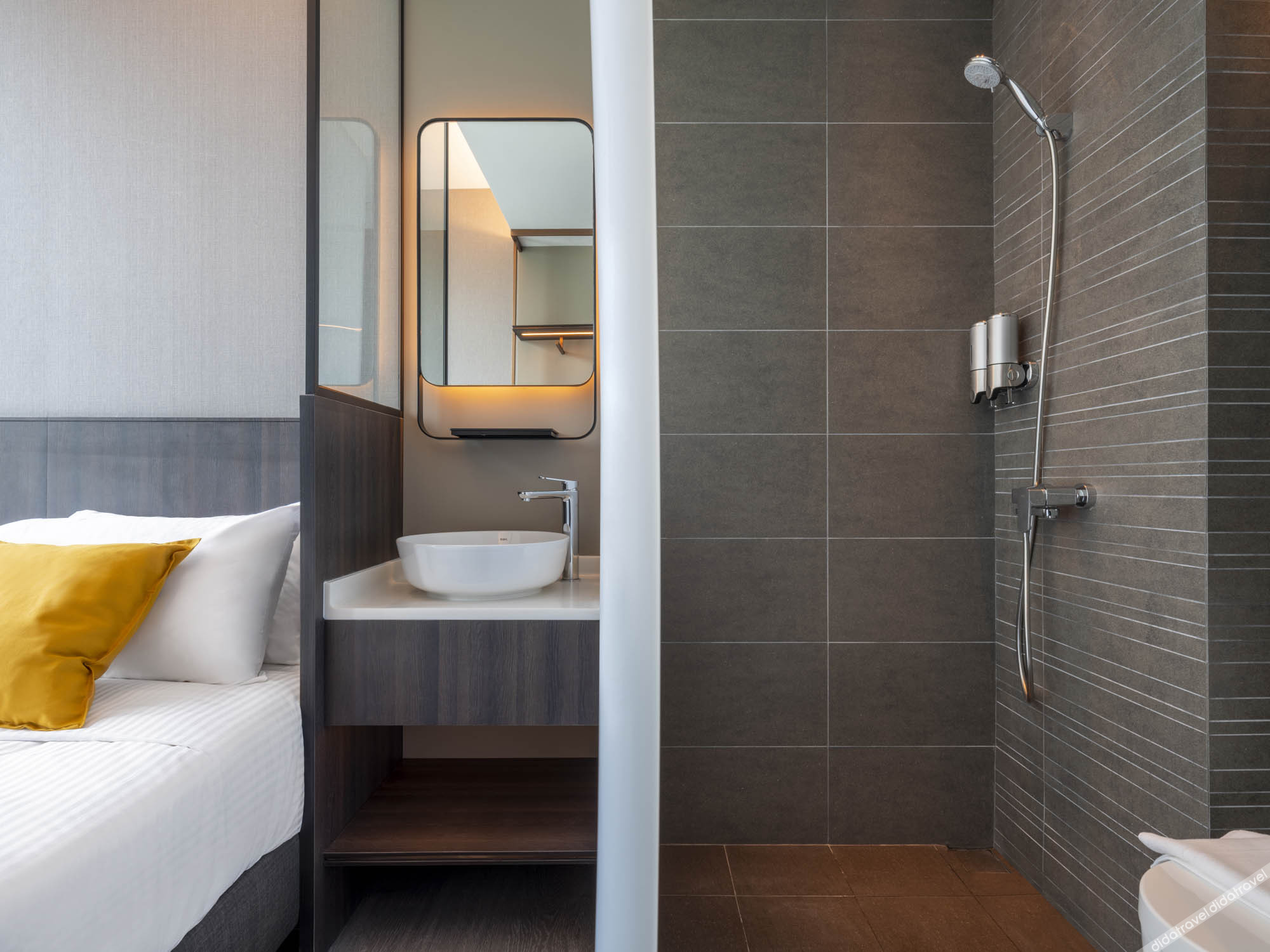
A detailed review examines the bathroom facilities with precision. Was the water pressure consistent? Did the temperature control respond quickly? Mentioning specific brands of toiletries or the presence of a rain showerhead adds a layer of authenticity that stock descriptions lack. If the hotel claims to have a "state-of-the-art" gym, describe the specific equipment available—such as Peloton bikes, rowing machines, or free weight ranges—rather than just stating the gym was "good."
2. Authentic Visual Evidence
With the rise of sophisticated marketing photography, travelers often find that "Instagram vs. Reality" gaps are wider than ever. The best hotel reviews in 2026 include unedited, high-resolution photographs or short video walkthroughs that show the property in its natural state.
Transparency Through Imagery
Visuals should focus on areas often omitted by official hotel galleries. These include the interior of closets, the condition of carpets in high-traffic areas, and the layout of the bathroom. Authentic photos provide a sense of scale that professional wide-angle lenses often distort. For instance, a photo of a laptop on the provided desk gives a clear indication of the workspace size.
Documenting "Hidden" Details
A truly helpful reviewer captures the view from the window (to verify if "city view" actually means "brick wall") and the cleanliness of less obvious areas, such as the corners of the shower or the air conditioning vents. In 2026, many reviewers also include a screenshot of a speed test to verify the hotel’s internet claims, which has become a standard metric for the modern workforce.
3. Comprehensive Traveler Context
Context is the lens through which a review is interpreted. A five-star review from a solo backpacker might translate to a two-star experience for a family of four. To be truly effective, a review must explicitly state the "who, why, and when."
Defining the Persona
Early in the review, identify your traveler profile. Were you there for a high-stakes business conference, a romantic anniversary, or a budget-conscious family trip? This allows readers with similar needs to weigh your opinions more heavily. For example, a business traveler’s frustration with a slow breakfast service is highly relevant to someone with an 8:00 AM meeting, but less so to a vacationer who plans to sleep in.
The Timing of the Visit
Seasonality significantly impacts hotel operations. A review of a Mediterranean resort in July will differ wildly from one in November. Mentioning the specific month of your stay helps readers account for weather-related issues, peak-season crowds, or off-season maintenance projects. Additionally, noting the length of stay provides a sense of the review’s depth; a guest who stayed for a week has a more comprehensive view than one who stayed for a single night.
4. Balanced Objectivity (The Pros and Cons)
The most trusted reviews are those that acknowledge nothing is perfect. Even a luxury five-star stay will have areas for improvement, and even a budget motel can have surprising highlights. Achieving this balance builds immense credibility with the reader.
The Power of "Even Though"
The "best" reviews use a balanced structure. For instance: "Even though the lobby decor felt slightly dated, the room itself was impeccably clean and modernized." This shows the reviewer is being objective rather than emotional. It prevents the review from sounding like a biased rant or a paid advertisement.
Constructive Criticism
When highlighting a negative aspect, offer context or a potential solution. Instead of saying "The staff was rude," specify the interaction: "The check-in process took 40 minutes because only one desk agent was working during peak hours." This allows the hotel to address the specific operational failure—staffing levels—rather than a vague personality issue.
5. Service Interactions and Human Elements
In an era of automated kiosks and digital keys, the human element remains the soul of hospitality. A top-tier review evaluates the "service recovery" process—how the hotel handles mistakes.
Naming Exceptional Staff
Recognizing specific staff members by name not only rewards good service but also provides a "trail of excellence" for the hotel management to follow. It proves that the reviewer engaged with the property on a deeper level. Whether it was a concierge who secured a difficult reservation or a housekeeper who noticed a preference for extra water, these anecdotes humanize the review.
Assessing Responsiveness
Evaluate the hotel’s responsiveness to requests. If you requested extra towels via the hotel app or called the front desk for a pillow menu, how long did it take for the request to be fulfilled? In 2026, many hotels use AI chatbots for initial requests; a great review mentions whether these digital tools actually solved problems or just added another layer of frustration.
Comparison of Review Quality Tiers
The following table distinguishes between a standard review and what constitutes the "best" hotel review based on the elements discussed.
| Feature | Basic Review | Exceptional "Best" Review |
|---|---|---|
| Description | General and subjective ("Great stay!") | Specific and objective ("Quiet room on 12th floor with 50Mbps Wi-Fi"). |
| Context | Missing or vague. | Explicitly states traveler type, purpose, and dates. |
| Visuals | None or stock-style photos. | Unedited, high-res photos of functional areas/bathrooms. |
| Tone | Heavily biased (all good or all bad). | Balanced, providing both highlights and minor drawbacks. |
| Service | Mentions "the staff." | Names specific employees and describes service recovery incidents. |
| Utility | Low; only confirms a general feeling. | High; helps a specific demographic make a purchase decision. |
Practical Template for Writing the Best Hotel Review
To ensure your review includes all five elements, you can follow this simple structure:
- Headline: Summarize the core experience (e.g., "Perfect for Business Travelers but Loud on Weekends").
- The Context: State who you traveled with, the duration, and the purpose of the trip.
- The Highlights (Pros): Use bullet points for readability. Mention specific room features, staff members, or amenities.
- The Drawbacks (Cons): Be fair. Mention anything that didn't meet expectations and how the hotel responded.
- Technical Stats: Mention Wi-Fi speed, parking costs, or proximity to public transit.
- Closing Verdict: Who would you recommend this hotel to specifically?
Frequently Asked Questions
Why is mentioning the room number important in a review?
Mentioning the room number provides vital information regarding the hotel's internal geography. Rooms near elevators or ice machines often suffer from noise pollution, while rooms at the end of a hallway might have better privacy but weaker Wi-Fi signals. This level of detail allows future guests to request specific locations and helps management identify if a particular room has recurring maintenance issues.
Should I write a review if my experience was just "average"?
Yes, average reviews are arguably the most important for maintaining the integrity of review platforms. They provide a realistic baseline for what most guests can expect. By applying the five elements—such as specifying why it was average (e.g., "The room was clean but the breakfast was overpriced")—you prevent the "extreme bias" where only the very angry or very happy guests post feedback.
How do I handle a truly terrible experience without sounding like a "hater"?
Stick strictly to the facts and the timeline of events. Instead of using adjectives like "disgusting" or "horrible," describe the condition: "There were visible stains on the carpet and the bathroom sink was clogged upon arrival." Then, describe the management's reaction. A factual account of a failure is much more damaging and credible than an emotional outburst.
Is it still necessary to mention Wi-Fi speeds in 2026?
Absolutely. While most hotels in 2026 offer high-speed internet, the "quality" of that connection varies wildly depending on the room's distance from routers and the hotel’s bandwidth throttling policies. For remote workers and business travelers, knowing that a hotel offers a stable 100Mbps connection versus a fluctuating 10Mbps connection is often the deciding factor in a booking.
What is the ideal length for a comprehensive hotel review?
While there is no strict word count, a high-quality review usually falls between 200 and 500 words. This allows enough space to cover the five key elements without becoming a rambling narrative. Use bullet points for the pros and cons to keep the information digestible for readers who are scanning for quick answers.
Recommended Action for Travelers
Next time you check into a hotel, take 3-4 photos of the room before you unpack. Note the Wi-Fi speed and the name of the person who checks you in. By gathering these small pieces of data during your stay, you can write a "best" review in less than ten minutes upon checkout—providing a lasting resource for the global travel community.
Image Gallery