Understanding Final Consumers: Definitions, Behaviors, and Economic Significance
Final consumers are individuals or entities that purchase and use products or services for their own personal, family, or household needs rather than for resale, manufacturing, or professional business operations. Often referred to as...
Final consumers are individuals or entities that purchase and use products or services for their own personal, family, or household needs rather than for resale, manufacturing, or professional business operations. Often referred to as "end users," these actors represent the terminal point in a supply chain, where the economic utility of a good or service is realized through consumption, marking the completion of the production and distribution cycle.
Contents
In economic theory and supply chain management, distinguishing final consumers from industrial or commercial buyers is essential for market analysis, taxation, and legal compliance. While a business-to-business (B2B) transaction involves the exchange of goods that will be transformed, repackaged, or resold to generate further profit, the final consumer utilizes the product as it exists. By focusing on this group, companies can refine their value propositions, optimize distribution channels, and ensure regulatory adherence regarding consumer protection laws.
The Economic Definition of a Final Consumer
At its core, the status of a "final consumer" is determined by the intent of the purchase rather than the nature of the product itself. The same item—a laptop, for instance—can be categorized differently based on the buyer. If a professional graphic design firm buys a laptop to produce client work, that firm is an industrial or commercial consumer. If a student buys that same laptop to manage their personal finances and entertainment, they are a final consumer.
This distinction is vital for understanding economic indicators like Gross Domestic Product (GDP). Economists track "Personal Consumption Expenditures" (PCE) specifically to measure the spending of these individuals. When goods move from producers to final consumers, they are removed from the cycle of commerce, signifying that the "value added" process has reached its intended target.
Distinguishing Between Consumer Types
To understand the market landscape, one must differentiate between the various actors involved in a value chain. The table below outlines the primary differences between those who purchase for end-use and those who purchase for commercial or industrial gain.
| Characteristic | Final Consumer | Commercial/Industrial Buyer |
|---|---|---|
| Primary Intent | Personal use, family, or household consumption | Resale, manufacturing, or business operations |
| Decision Drivers | Price, brand sentiment, personal utility, lifestyle | ROI, volume discounts, technical specs, durability |
| Tax Implications | Generally subject to Sales/VAT at the point of sale | Often exempt (resale certificate/input tax credit) |
| Quantity Purchased | Small, discrete units | Large volumes or recurring wholesale contracts |
| Decision Making | Emotional or personal preference | Rational, data-driven procurement processes |
The Legal Framework and Protections
Final consumers are uniquely positioned within the legal system because they are frequently granted specific protections that businesses are not. Because the power dynamic between a massive corporation and an individual is inherently asymmetrical, laws like the Consumer Rights Act (in various jurisdictions) and local consumer protection statutes exist to balance the playing field.
These legal frameworks often cover:
- Product Safety: Requirements that goods are not inherently dangerous when used as intended.
- Truth in Advertising: Mandates that descriptions of products, including their components and origin, must be accurate.
- Right to Cancellation: "Cooling-off" periods for purchases made online or away from commercial premises.
- Warranty Enforcement: Standards for implied quality, ensuring the product is "fit for purpose."
In 2026, as digital marketplaces continue to dominate, regulators are placing increased scrutiny on the data privacy of these consumers, often enforcing stricter standards when the "final consumer" is an individual rather than a legal business entity.
Consumer Behavior: How Final Consumers Make Decisions
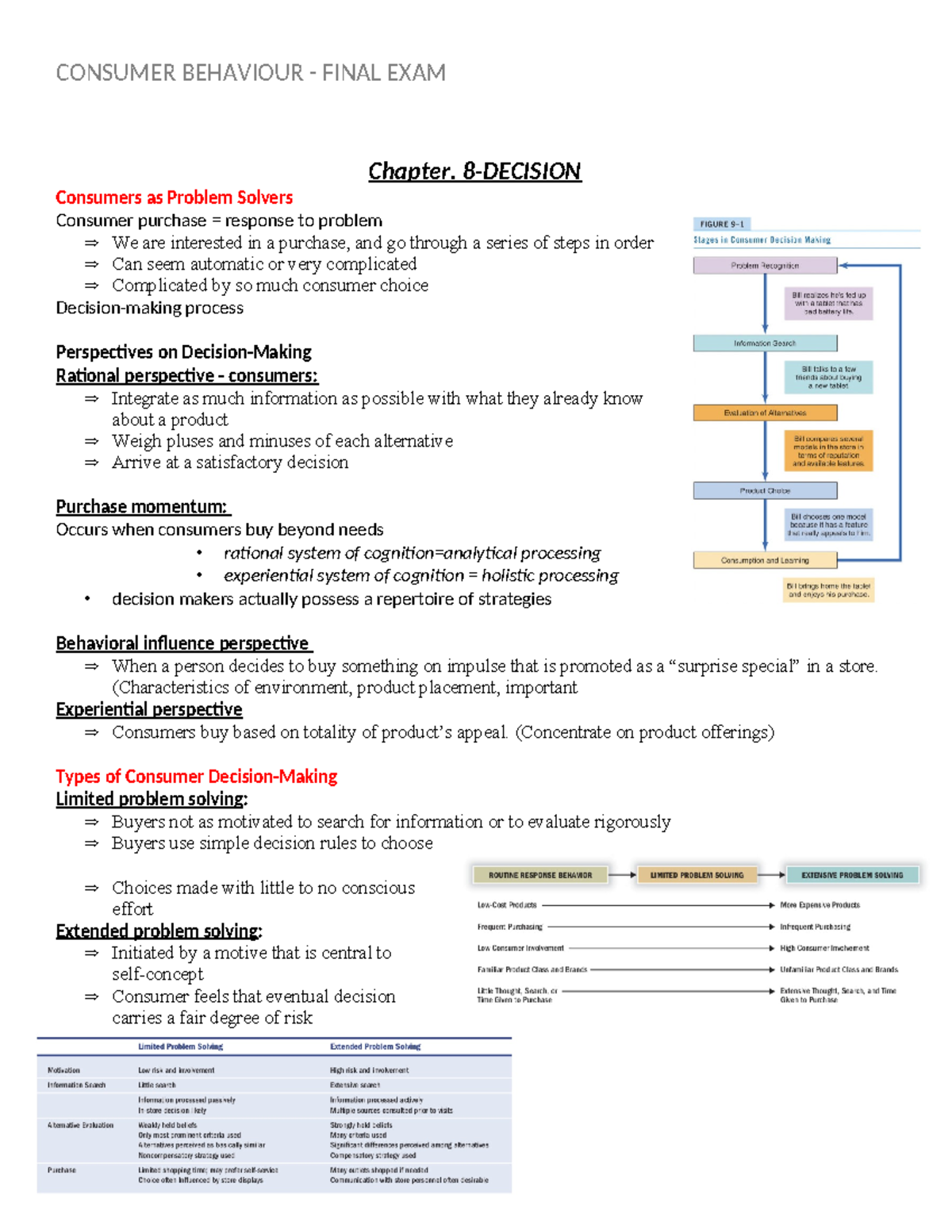
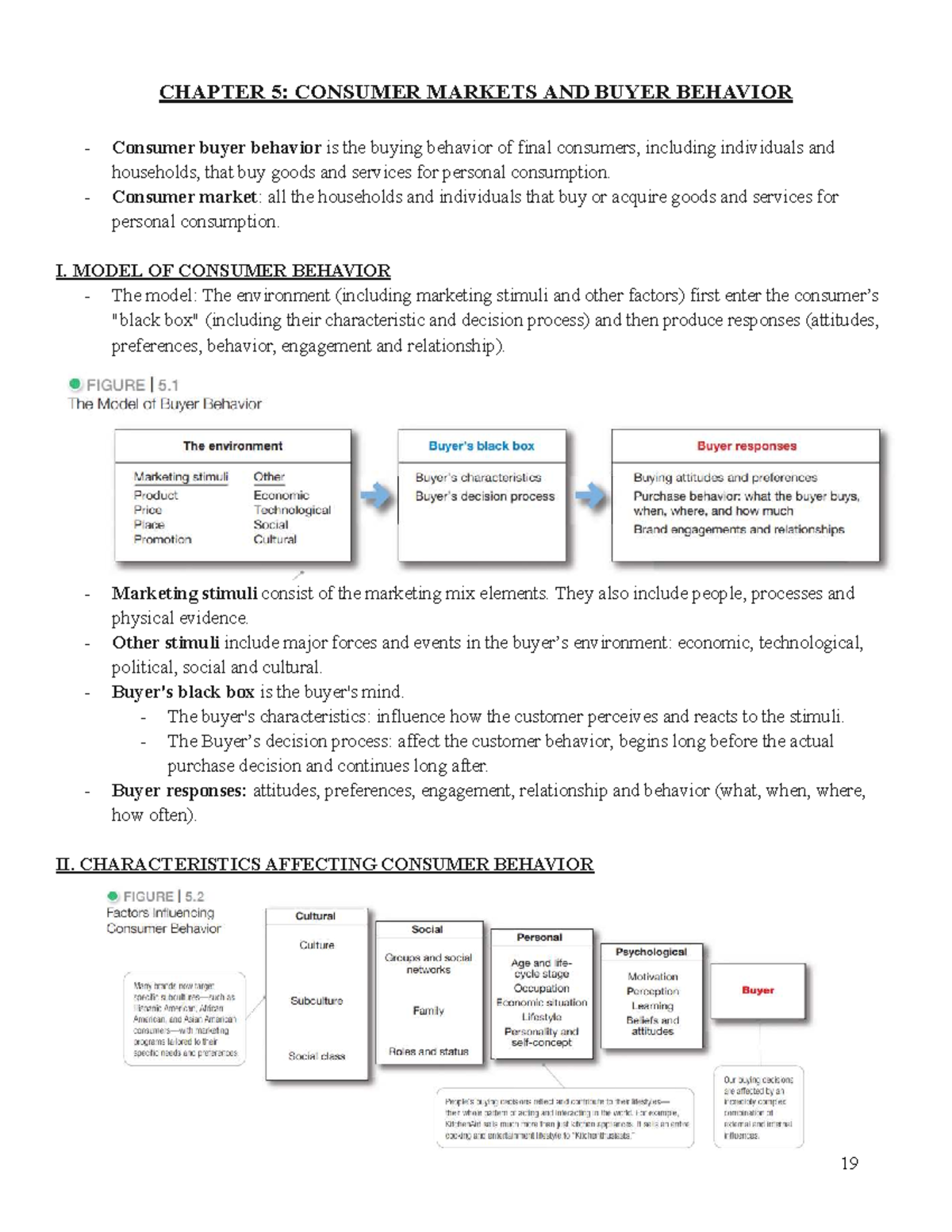
Understanding the final consumer requires a dive into behavioral economics. Unlike business procurement, which is often dictated by strict budgets, KPIs, and procurement policy manuals, the final consumer is influenced by a blend of psychological and socioeconomic factors.
The Decision-Making Funnel
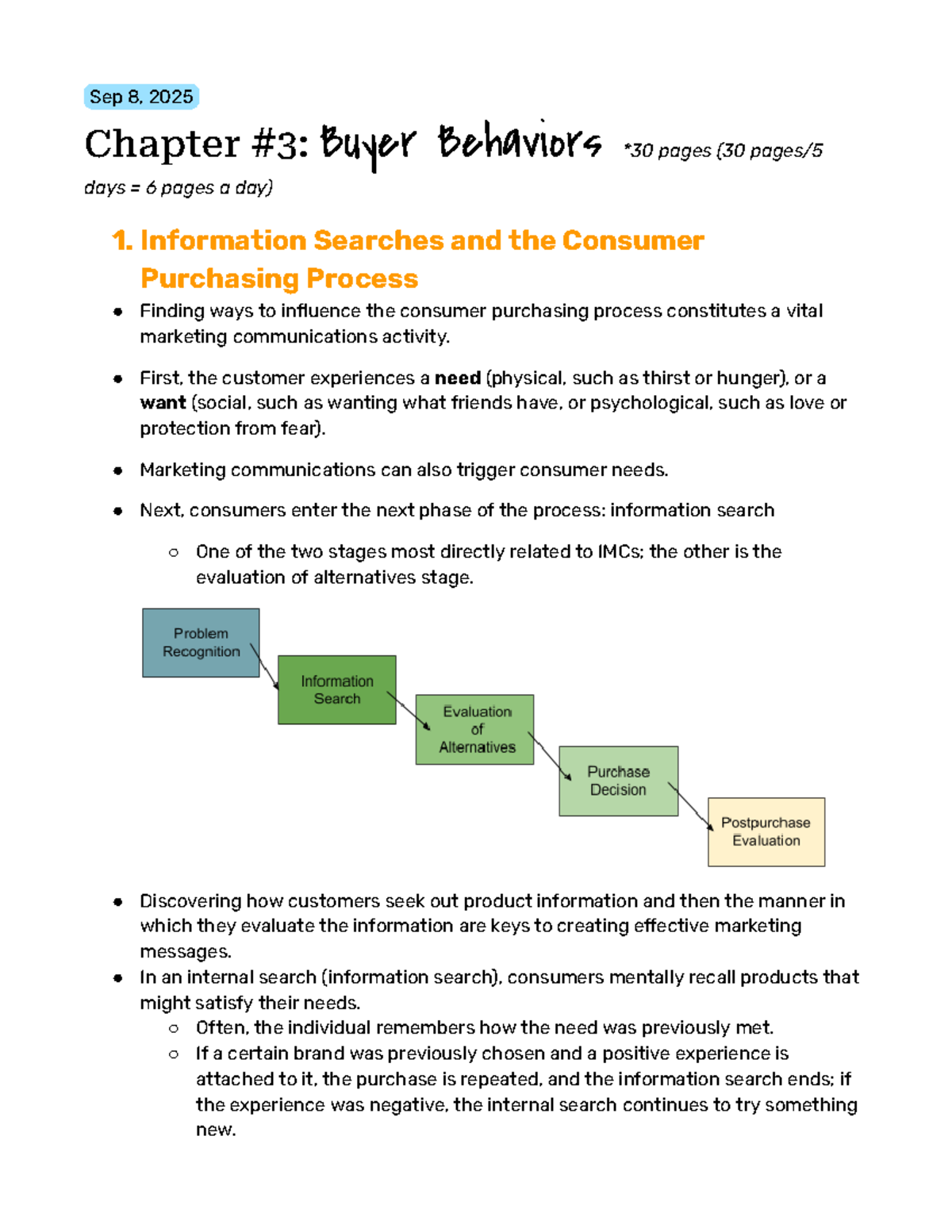
- Problem Recognition: The consumer realizes a gap between their current state and a desired state (e.g., "I need a new phone because mine no longer holds a charge").
- Information Search: The consumer looks for solutions via social proof, reviews, and product comparison tools.
- Evaluation of Alternatives: Comparing specs, price points, and emotional resonance (brand loyalty).
- Purchase Decision: The transaction phase, heavily influenced by ease of payment, shipping costs, and return policies.
- Post-Purchase Behavior: This is where the "finality" of the consumer is tested. Satisfaction leads to loyalty; dissatisfaction leads to returns or, in the worst cases, legal disputes or negative reputation management.
Practical Challenges in Identifying Final Consumers
For businesses, identifying the final consumer can sometimes be difficult, particularly in multi-tier distribution networks. If a company sells to a distributor, who then sells to a retailer, who finally sells to an individual, the original manufacturer is often disconnected from the "final consumer."
To bridge this gap, many modern organizations employ:
- Direct-to-Consumer (DTC) Channels: Allowing companies to bypass intermediaries to capture data directly from the end user.
- Loyalty Programs: Incentivizing the registration of the end user, which provides the manufacturer with valuable demographic and usage data.
- Warranty Registration: A standard method for capturing the contact information of the final consumer shortly after the sale.
The Role of Taxation and "Finality"
One of the most practical applications of the term is in the field of taxation, particularly concerning Value Added Tax (VAT) or Sales Tax. These taxes are generally designed to be "consumption taxes," meaning they are intended to be paid by the final consumer.
Businesses within the supply chain act as collection agents for the government. They pay tax on their inputs but can usually claim those amounts back as "input tax credits." The chain continues until the product reaches the final consumer, who, being unable to reclaim the tax, pays the full amount. This ensures that the tax burden is borne by the party that actually consumes the good, avoiding the "cascading" effect where tax is applied to the same value multiple times throughout the production process.
Frequently Asked Questions
Is a business ever considered a final consumer?
Yes, but only when it purchases a product for its own use rather than for resale or transformation. For example, a restaurant that buys office chairs for its administrative staff is the "final consumer" of those chairs, even if it is a business. However, if it buys ingredients for the meals it sells, those ingredients are "inputs," and the restaurant is an intermediary.
Why do manufacturers care who the final consumer is?
Understanding the final consumer allows manufacturers to create better products. If they only know the distributor, they lose the feedback loop necessary for innovation. By focusing on the end user, companies can optimize design, marketing, and customer support to improve long-term retention.
How do consumer protection laws differ for B2B vs. final consumers?
Legal protections for final consumers are often mandatory and cannot be waived. B2B contracts are generally considered "arm's length" transactions between sophisticated parties. Therefore, commercial law usually relies on the terms of the contract (the "four corners" of the document), whereas consumer law provides a floor of rights that companies must respect regardless of the fine print.
What is the difference between an end user and a final consumer?
In many contexts, they are interchangeable. However, "final consumer" is a broader term often used in economic and tax contexts, while "end user" is a common term in technology and software licensing to distinguish between the person using the software and the IT administrator or reseller who purchased the license.
Can a final consumer be a reseller?
Generally, no. If the intent is to resell, the entity is a retailer or distributor. If an individual buys a product to resell for profit, they have stepped out of the role of a "final consumer" and into the role of a "trader" or "business," which changes their legal and tax obligations significantly.
Moving Forward: Next Steps for Businesses and Consumers
For organizations, the primary objective is to build a robust database that tracks the "final consumer" journey. By implementing CRM (Customer Relationship Management) systems, you can move away from anonymous sales to identified, long-term relationships. This allows for personalized communication and a better understanding of how your products are actually used in the real world.
For individuals, understanding your status as a final consumer empowers you to exercise your rights. When you purchase goods, verify that your warranty is registered, keep your receipts for tax or insurance purposes, and do not hesitate to contact manufacturers directly if you encounter issues with product safety or quality. As we navigate the marketplace of 2026, the relationship between the provider and the final consumer remains the most critical link in the global economy.
Image Gallery