St. Kitts vs. St. Lucia: Which Caribbean Island Is Right for You in 2026?
Choosing between St. Kitts and St. Lucia depends on whether you prioritize dramatic, mountainous scenery and high-end romance or a blend of authentic Caribbean history and laid-back island hopping. St. Lucia is the definitive choice fo...
Choosing between St. Kitts and St. Lucia depends on whether you prioritize dramatic, mountainous scenery and high-end romance or a blend of authentic Caribbean history and laid-back island hopping. St. Lucia is the definitive choice for iconic landscapes and honeymoon luxury, while St. Kitts offers superior historical sites and a quieter, more traditional atmosphere.
Contents
Both islands belong to the volcanic chain of the Lesser Antilles, meaning they share lush, mountainous interiors and fertile soil. However, the travel experience on each is distinct. As of 2026, both nations have seen significant infrastructure upgrades, yet they have maintained the specific charms that differentiate them from the flatter, coral-based islands of the northern Caribbean.
Geographic Landscapes: The Pitons vs. Mount Liamuiga
The most immediate difference between these two destinations is their visual profile. St. Lucia is often cited as the most beautiful island in the Caribbean due to the Pitons—Gros Piton and Petit Piton. These two volcanic spires rise abruptly from the sea near the town of Soufrière and are a UNESCO World Heritage site. The terrain in St. Lucia is exceptionally rugged, characterized by steep emerald ridges and deep valleys.
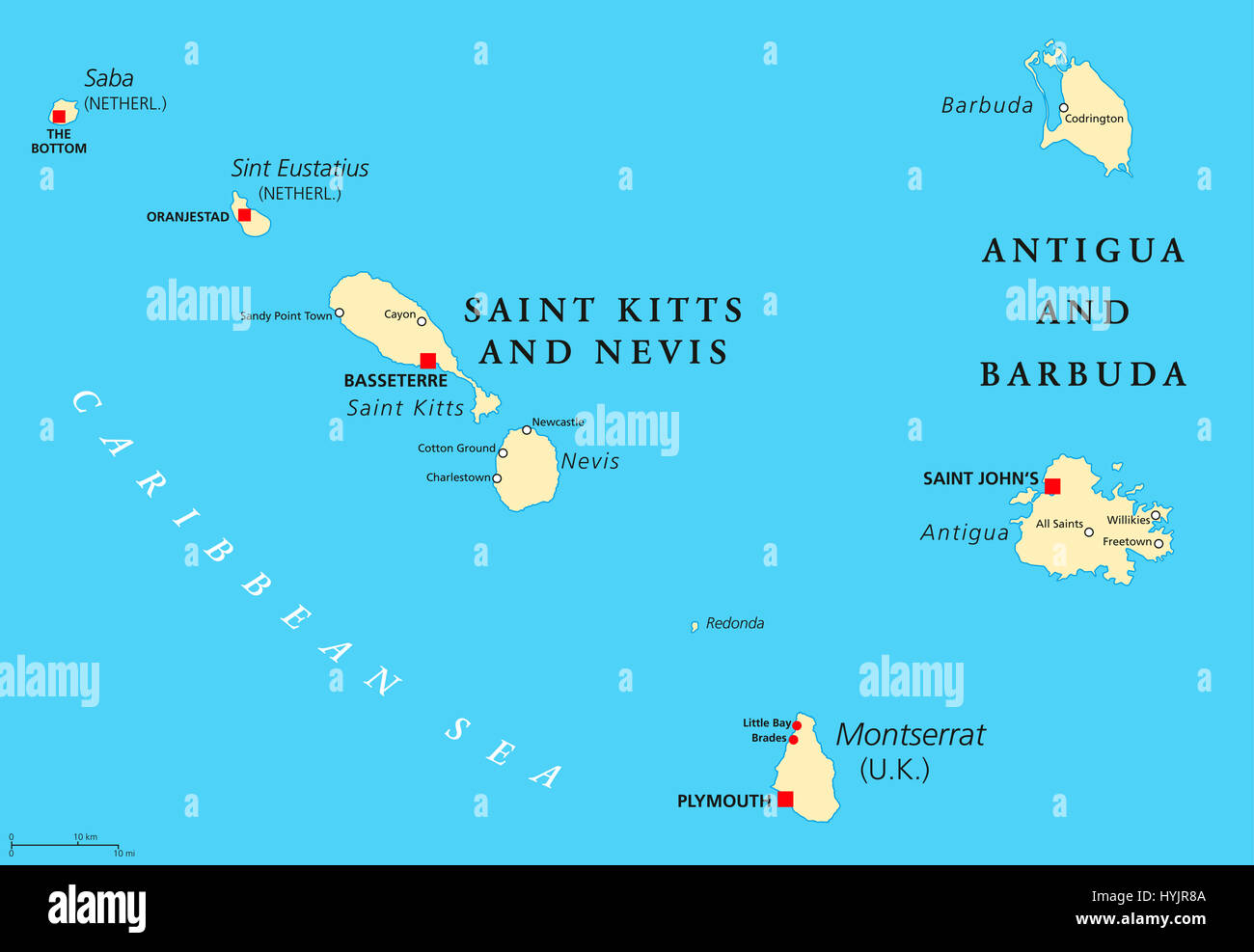
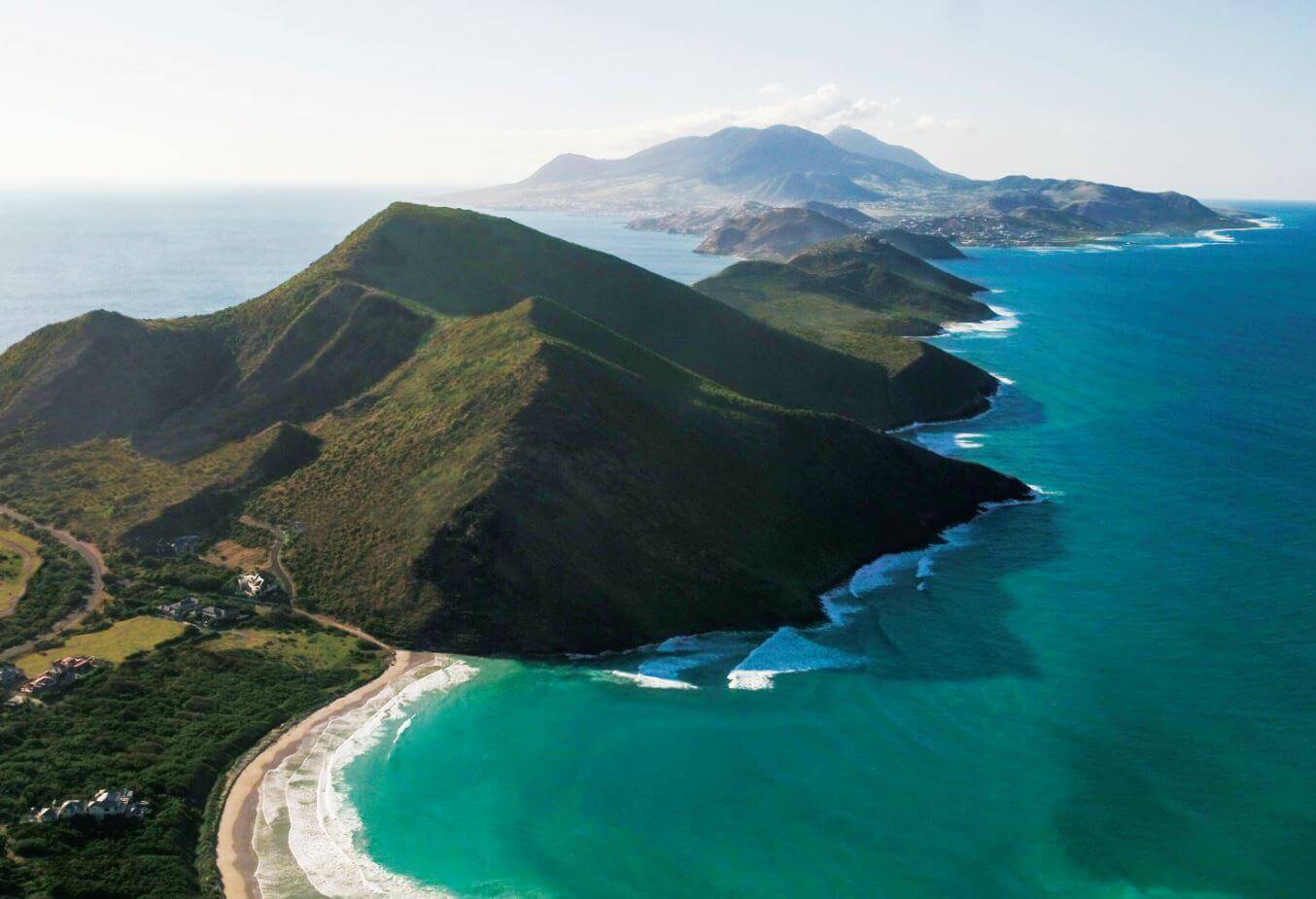
St. Kitts is also volcanic, dominated by the dormant Mount Liamuiga, which rises to 3,792 feet. While St. Kitts lacks the singular "twin peak" silhouette of St. Lucia, its landscape feels more open. The island is shaped like a drumstick, with the "handle" being a long, narrow peninsula that offers views of both the Atlantic Ocean and the Caribbean Sea simultaneously. This peninsula is home to some of the island's most accessible hiking and scenic overlooks, such as Timothy Hill.
Crucially, St. Kitts is part of a federation with its sister island, Nevis. This adds a horizontal dimension to the geography; a 20-minute ferry ride transports you to a nearly circular island dominated by Nevis Peak. This "two-for-one" geographic advantage is a major draw for travelers who enjoy exploring multiple distinct locations during a single trip.
Beaches and Coastal Experiences: Comparing the Shores
Because both islands are volcanic, travelers should not expect the endless miles of powdery white sand found in the Turks and Caicos or the Bahamas. Instead, both St. Kitts and St. Lucia offer a mix of golden, "salt and pepper," and dark volcanic sand beaches.
St. Kitts Coastal Highlights
In St. Kitts, the most popular beaches are located on the Southeast Peninsula. Frigate Bay is the hub of activity, split into "North" (Atlantic side, rougher water) and "South" (Caribbean side, calm water). South Frigate Bay is home to "The Strip," a collection of beach bars and restaurants. For those seeking seclusion, Cockleshell Bay offers stunning views across the "Narrows" to Nevis. The water here is generally calmer, making it better for swimming and paddleboarding.
St. Lucia Coastal Highlights
St. Lucia’s beaches are often tucked into dramatic coves. Sugar Beach (Anse des Pitons) is perhaps the most famous, nestled directly between the two Pitons. While the sand here is largely imported to maintain its white appearance, the setting is unparalleled. Reduit Beach in the north, near Rodney Bay, is the island's longest stretch of sand and the center for water sports and social life. If you are looking for world-class snorkeling from the shore, Anse Chastanet offers a protected marine reserve just yards from the beach.
Activities and Attractions: History vs. Adventure
The "best" island often depends on how you prefer to spend your time away from the sand. Both islands cater to active travelers but emphasize different types of heritage.
The Historical Appeal of St. Kitts
St. Kitts is a haven for history enthusiasts. Its centerpiece is the Brimstone Hill Fortress National Park, known as the "Gibraltar of the West Indies." This massive masonry fortification was designed by the British and built by enslaved Africans over the course of a century. It is one of the best-preserved historical fortifications in the Americas.
Another unique Kittitian experience is the St. Kitts Scenic Railway. Originally built to transport sugar cane from the fields to the factory in Basseterre, it is now the last remaining scenic railway in the Caribbean. The three-hour tour circles the island, providing a unique vantage point of old estates and rugged coastline that are inaccessible by car.
The Natural Wonders of St. Lucia
St. Lucia leans heavily into eco-adventure and wellness. It famously hosts the world's only "drive-in volcano" at Sulphur Springs. Visitors can drive into the heart of a dormant caldera to view bubbling mud pools and steam vents, followed by a soak in therapeutic mineral mud baths.
The island is also a premier hiking destination. While climbing Gros Piton is a strenuous four-hour round trip, it is a bucket-list item for many. For those seeking something less vertical, the Tet Paul Nature Trail offers "stairway to heaven" views of the Pitons with much less physical exertion.
Accommodations and Luxury Resorts
In 2026, the luxury market on both islands is more competitive than ever, but the style of luxury differs significantly.
| Feature | St. Kitts & Nevis | St. Lucia |
|---|---|---|
| Resort Style | Mix of modern luxury and historic plantations. | Dramatic "open-wall" architecture and eco-luxe. |
| Key Luxury Hub | Christophe Harbour & Nevis Plantations. | Soufrière (South) and Rodney Bay (North). |
| Boutique Options | High (Belle Mont Farm, Montpelier). | High (Jade Mountain, Ladera). |
| All-Inclusive Presence | Moderate (mostly concentrated in Frigate Bay). | High (Sandals, Royalton, BodyHoliday). |
| Vibe | Sophisticated, quiet, and understated. | Romantic, lush, and grand. |
St. Lucia is world-renowned for its architectural innovation, specifically resorts like Jade Mountain and Ladera, which feature a "missing fourth wall." These rooms are open to the elements, providing unobstructed views of the Pitons directly from your private infinity pool. This makes St. Lucia a perennial leader in the honeymoon market.
St. Kitts and Nevis offer a more grounded form of luxury. Belle Mont Farm on St. Kitts focuses on "edible landscapes" and sustainable luxury, while Nevis is famous for its converted sugar plantations, such as Montpelier Plantation & Beach, which offer a deep sense of history and privacy. The St. Kitts Tourism Authority has focused heavily on preserving this "boutique" feel rather than pursuing massive all-inclusive developments.
Dining, Nightlife, and Local Culture
St. Lucia has a slightly more "touristy" infrastructure, particularly in the north around Rodney Bay Marina. This area is packed with international restaurants, casinos, and shopping malls. The weekly Gros Islet Street Party (Friday Night Jump Up) is a legendary island-wide event featuring street food, loud music, and a mix of locals and tourists.
St. Kitts offers a more intimate social scene. Basseterre, the capital, is a bustling Caribbean port with colonial charm. The nightlife is centered around The Strip on South Frigate Bay, where a row of rustic beach shacks provides a more authentic, "toes-in-the-sand" experience compared to the polished bars of St. Lucia. Kittitian cuisine is famous for "Goat Water" (a spicy stew) and fresh spiny lobster, often served at local roadside grills.
Accessibility and Logistics: Getting There and Around
Both islands are well-connected to major hubs in North America and Europe. St. Kitts is served by Robert L. Bradshaw International Airport (SKB), while St. Lucia has two airports: Hewanorra International (UVF) in the south for international flights and George F. L. Charles (SLU) in the north for regional hops.
Transportation Challenges
In St. Lucia, the drive from the international airport (UVF) to the popular northern resorts can take 90 minutes to two hours on winding, mountainous roads. Many high-end travelers opt for helicopter transfers to avoid the nauseating drive. St. Kitts is much easier to navigate; the airport is just 10–15 minutes from the main resort areas of Frigate Bay, and the roads are generally flatter and better maintained.
Cost Analysis: Budgeting for 2026
Neither island is considered a "budget" destination, but St. Kitts can be more cost-effective for independent travelers. Because St. Lucia is so heavily geared toward the honeymoon and all-inclusive market, the "mid-range" segment is smaller.
- Dining: Expect to pay $40–$70 USD for a mid-range dinner for two in St. Kitts. In St. Lucia’s resort areas (Soufrière), prices can easily exceed $100 USD due to the captive audience of the luxury hotels.
- Transportation: Taxis are regulated on both islands, but they are expensive. A rental car in St. Kitts is highly recommended and easy to drive. In St. Lucia, unless you are comfortable with steep hair-pin turns and narrow roads, you may prefer to rely on expensive hotel transfers.
- Activities: Entrance fees for Brimstone Hill (St. Kitts) or the Sulphur Springs (St. Lucia) are comparable, usually ranging from $15 to $25 USD per person.
FAQ: Common Travel Questions
Is St. Kitts or St. Lucia better for snorkeling?
St. Lucia is generally better for snorkeling, particularly at Anse Chastanet and Sugar Beach. The volcanic reefs are closer to the shore and more vibrant. St. Kitts has good snorkeling at Shitten Bay, but it typically requires a boat excursion to reach the best spots.
Which island is safer for tourists?
Both islands are relatively safe for tourists, but standard precautions apply. St. Kitts has a very "small town" feel where locals and visitors mix freely. St. Lucia's tourist areas are more segregated, and while the north is very safe, visitors are advised to be more cautious in certain parts of Castries at night.
Can I visit both islands in one trip?
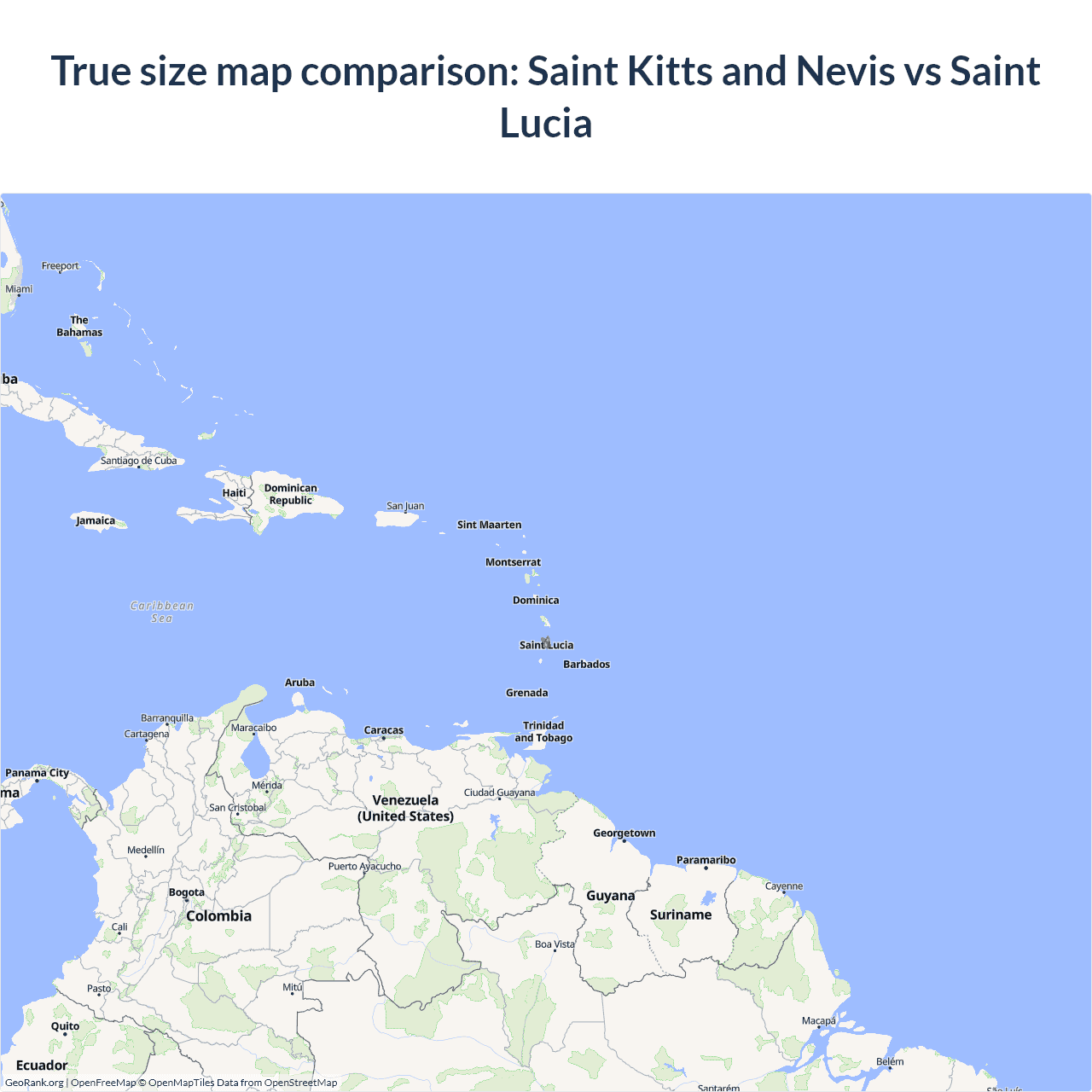
Yes, but there are no direct ferries between St. Kitts and St. Lucia as they are over 200 miles apart. You would need to take a regional flight via interCaribbean Airways or Caribbean Airlines, often connecting through Antigua or Barbados.
Which island is better for families?
St. Kitts is often better for families due to the shorter drive times, the Scenic Railway, and the calm waters of South Frigate Bay. St. Lucia’s steep terrain and long transfer times can be challenging for those traveling with small children.
Does St. Lucia have more rain than St. Kitts?
Yes. Because St. Lucia has higher mountains and more dense rainforest, it receives significantly more rainfall than St. Kitts. This is why St. Lucia is noticeably greener and "lusher," but it also means a higher chance of a tropical downpour during your stay.
Practical Recommendation
If you are planning a honeymoon or a high-end romantic getaway where the view from your room is the most important factor, choose St. Lucia. The sheer majesty of the Pitons and the world-class romantic resorts are unmatched in the Caribbean.
If you prefer exploring at your own pace, have an interest in colonial history, and want a quieter experience with the option to hop over to a second island (Nevis), choose St. Kitts. It offers a more authentic glimpse into Caribbean life with less "resort-wall" insulation and easier logistics for the independent traveler.
Image Gallery