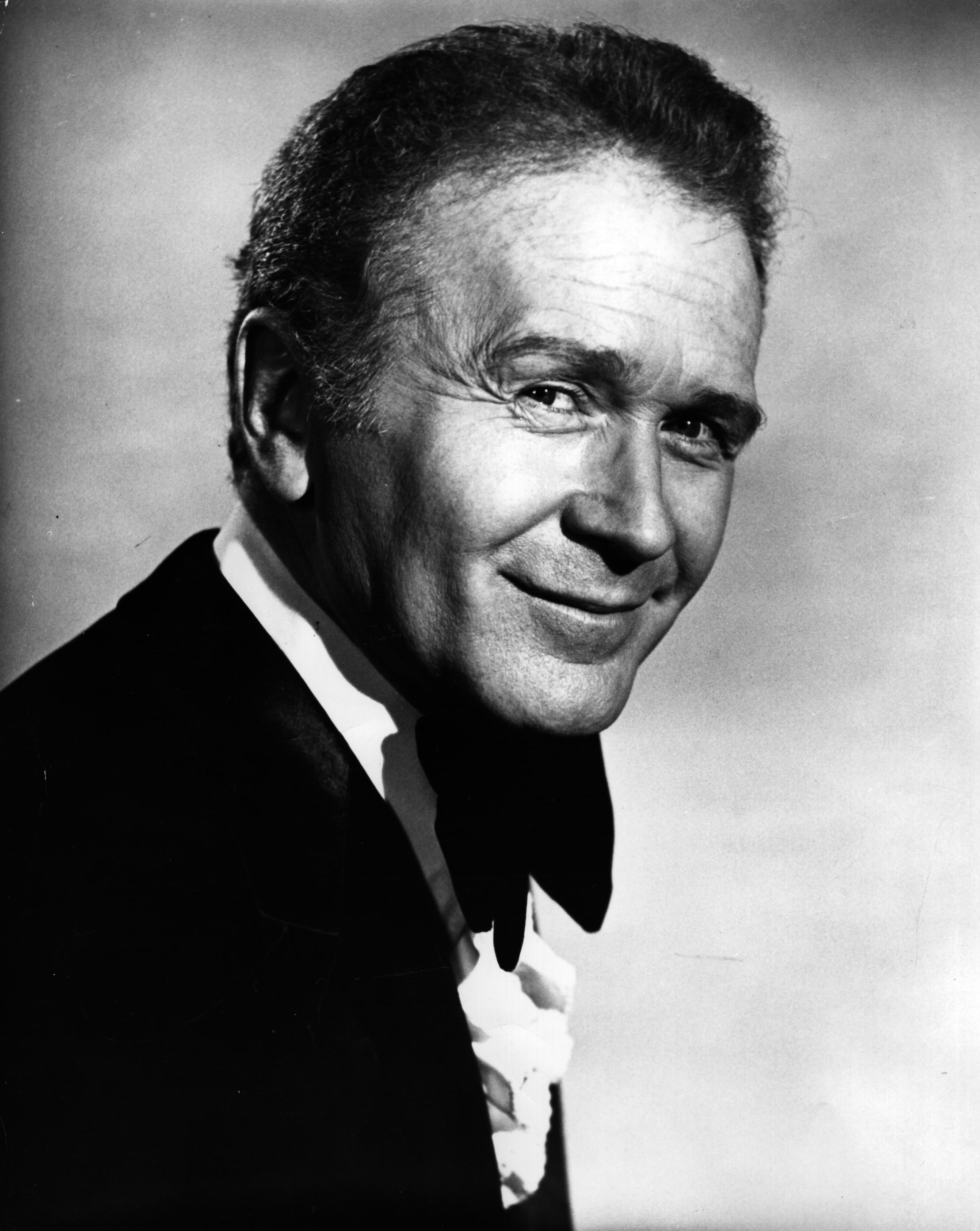
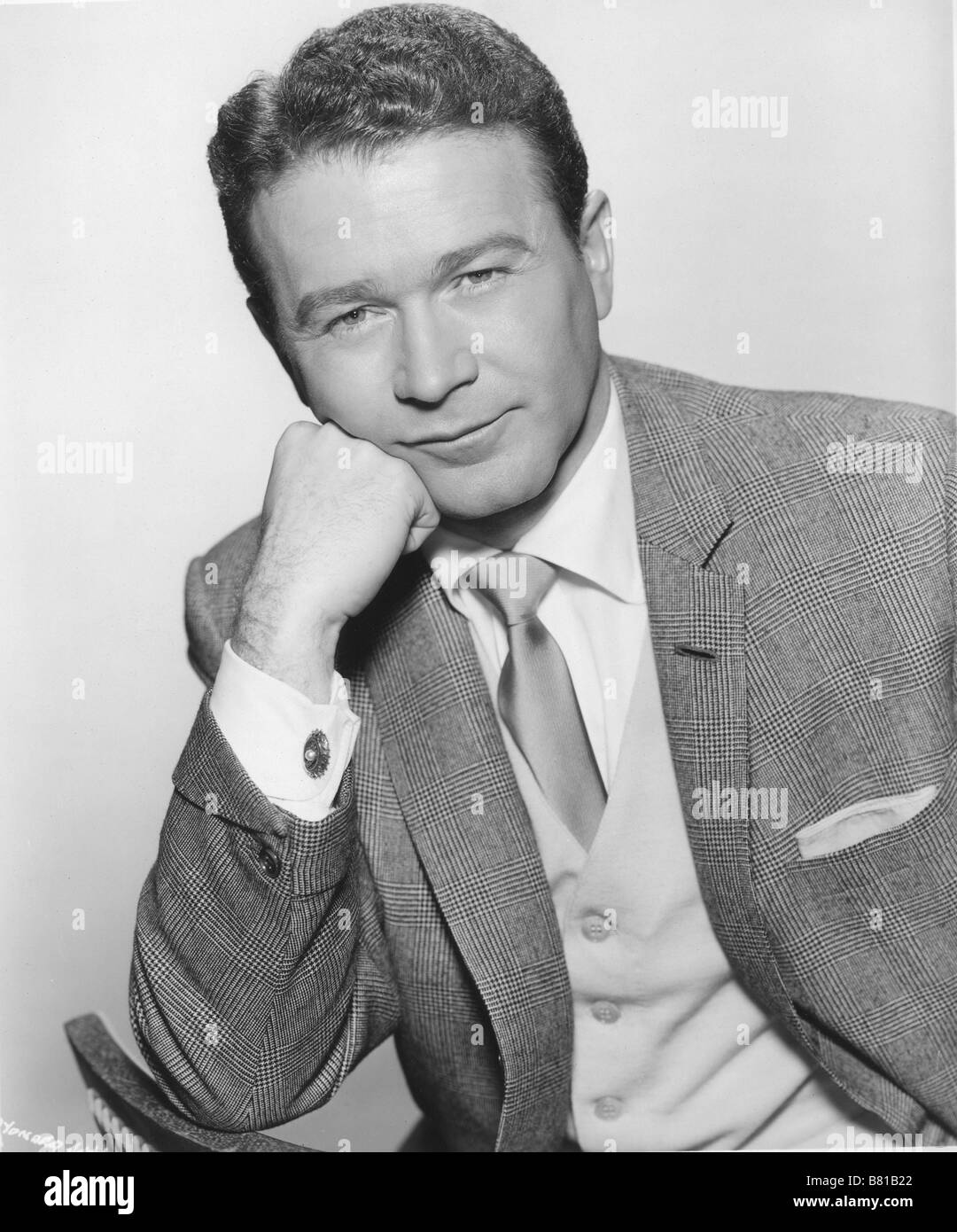
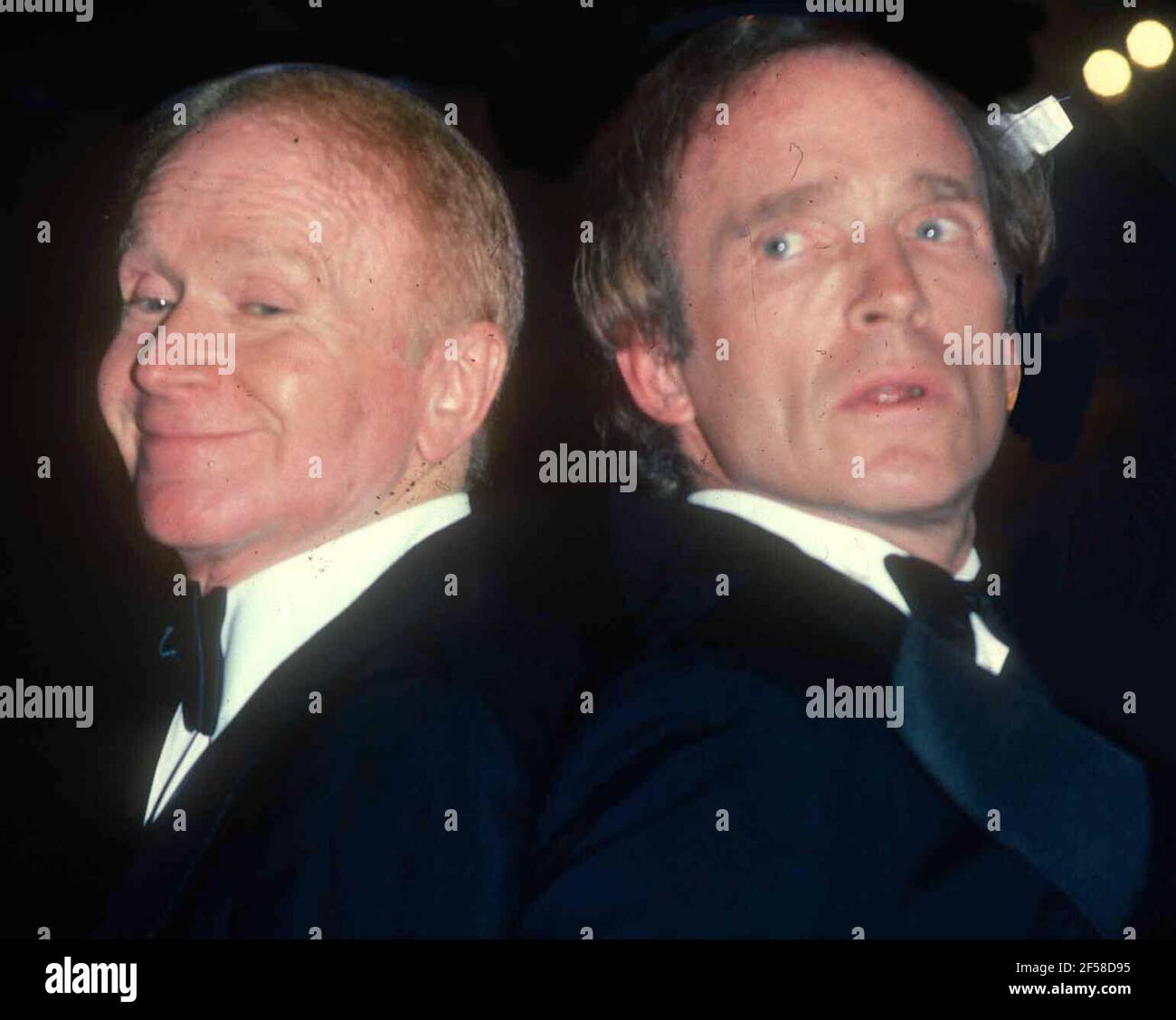
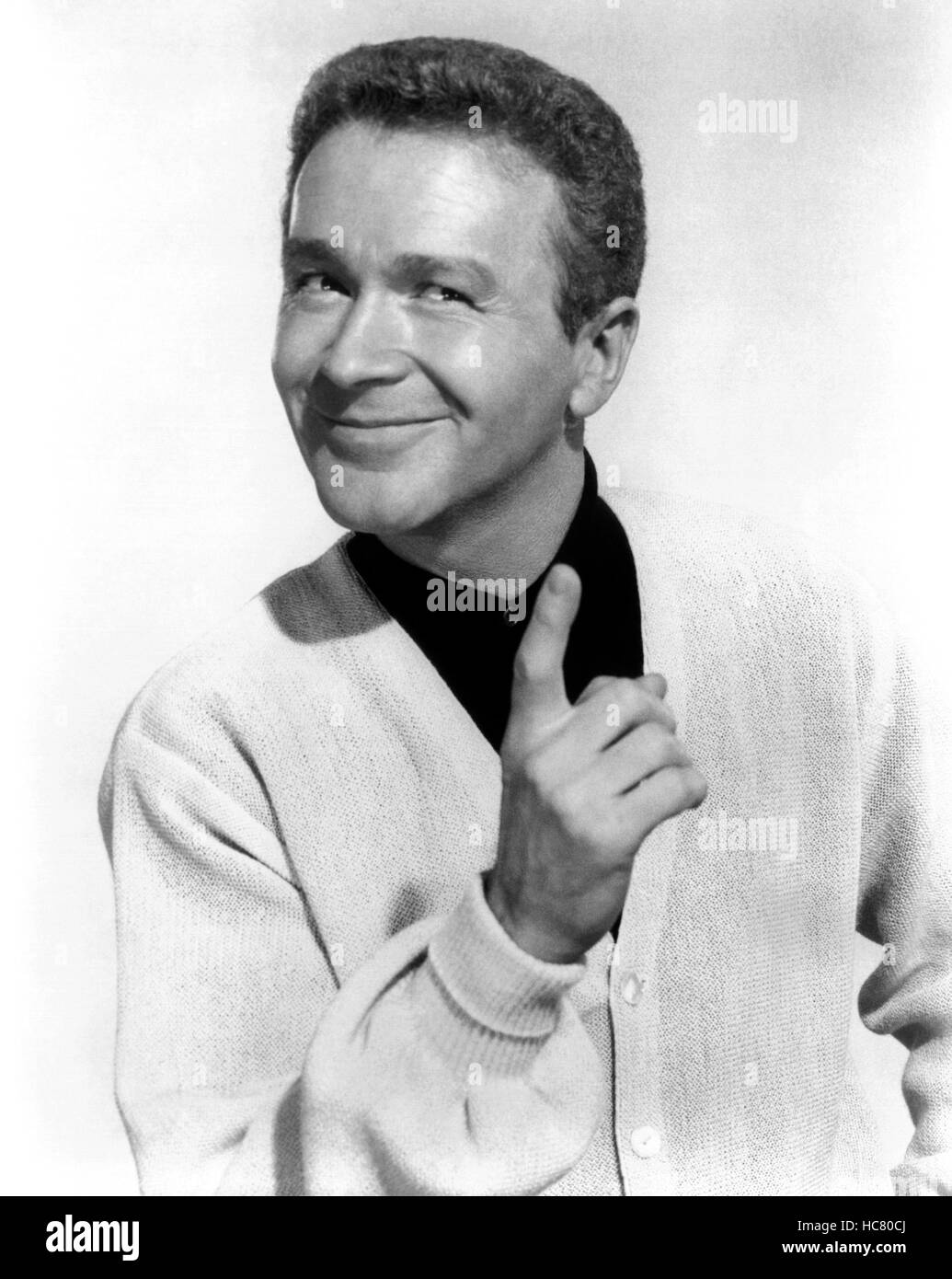
Understanding the Financial Legacy and Net Worth of Red Buttons at Death
At the time of his passing in 2006, the celebrated American comedian and actor Red Buttons left behind an estimated net worth of approximately $5 million. This valuation encompassed his lifelong career in entertainment, spanning radio,...
At the time of his passing in 2006, the celebrated American comedian and actor Red Buttons left behind an estimated net worth of approximately $5 million. This valuation encompassed his lifelong career in entertainment, spanning radio, vaudeville, television, and film, as well as his personal investments and real estate holdings accrued throughout his decades in the spotlight.
Contents
The Career Arc of Red Buttons
Born Aaron Chwatt in 1919, the performer who would become known to millions as Red Buttons navigated a diverse and arduous career path. His trajectory from the Borscht Belt circuit in the Catskills to the pinnacle of Hollywood success provides the context for his lifetime earnings. Unlike modern entertainment stars who often rely on singular massive film contracts, Buttons built his financial foundation through consistent, high-volume work across multiple mediums.
His professional life began in earnest during the 1930s, working as a singing waiter and later as a comedian in the vaudeville tradition. This era established his reputation for rapid-fire delivery and a unique stage persona. During World War II, his service with the United States Army Air Forces led to his involvement in the musical Winged Victory, which transitioned him into the broader American cultural consciousness.
Television Stardom and Earnings
The 1950s served as the most significant period of growth for Red Buttons' professional income. The Red Buttons Show, which premiered on CBS in 1952, was an immediate commercial success. In an era where television broadcasting was transitioning from experimental to central to the American household, such programs commanded immense advertising revenue and sponsorship fees. While the specific residuals of 1950s variety television are distinct from current digital streaming contracts, the upfront salary for a top-tier variety show host during that decade provided Buttons with the capital necessary to establish long-term financial security.
Although the show faced ratings volatility toward its conclusion, the prestige associated with hosting a prime-time national program opened doors to high-paying guest appearances, nightclub residencies in Las Vegas, and lucrative theater tours. His ability to adapt to changing comedic tastes allowed him to maintain a steady stream of income throughout the subsequent decades.
The Academy Award Shift
A pivotal moment in both his career and financial valuation occurred in 1957 when he was cast in the dramatic film Sayonara. His performance as Airman Joe Kelly, for which he won the Academy Award for Best Supporting Actor, successfully pivoted his career from a pure comedian to a respected character actor.
This transition was economically significant because it allowed him to command higher fees for dramatic roles. Throughout the 1960s and 1970s, Buttons became a fixture in major motion pictures and television series. Working as a prolific character actor provided a different, yet often more stable, financial structure than the "star" model. By consistently appearing in projects like Hatari!, The Longest Day, and later, television staples like The Love Boat or ER, he ensured a continuous flow of high-earning work that bypassed the typical feast-or-famine cycles of celebrity life.
Assets and Estate Management
When analyzing the net worth of public figures from the mid-20th century, it is necessary to consider how assets were held. For Red Buttons, his wealth was largely concentrated in traditional investments. Throughout his life in Southern California, he maintained a residence that, over the course of decades, significantly appreciated in value.
Financial planners note that for performers of his generation, personal wealth was frequently tied to:
- Real Estate Holdings: Primary residences in affluent areas of Los Angeles, which acted as significant storehouses of capital.
- Pension and Union Benefits: As a lifelong member of the Screen Actors Guild (SAG) and the American Federation of Television and Radio Artists (AFTRA), Buttons benefited from the robust pension and residual structures that protected veteran actors.
- Diversified Portfolios: Conservative, long-term stock and bond market investments were the standard for wealthy entertainers of the post-war era, providing a hedge against the inevitable decline of manual labor roles as an actor aged.
Comparative Financial Context in Hollywood
To understand the significance of a $5 million estate in 2006, one must look at the purchasing power and industry trends of that period.
| Career Phase | Revenue Source | Financial Impact |
|---|---|---|
| Vaudeville/Radio | Nightly performances | Provided initial liquidity and industry reputation. |
| TV Variety (1950s) | Prime-time salary/sponsorships | Created the primary base of capital for investment. |
| Film Character Work | Per-film salary / residuals | Sustained income level through mid-career. |
| Guest Star/Legacy | Appearances / union residuals | Ensured steady cash flow in later years. |
The $5 million figure represents a stable, prudently managed accumulation of wealth. It is important to distinguish this from the "net worth" of modern-day billionaires or mega-stars whose wealth is often tied to intellectual property rights, equity stakes in production companies, or global brand endorsements. Buttons' net worth was indicative of a "working elite" Hollywood performer—a testament to a work ethic that remained consistent from the vaudeville stage into the digital era of television.
Challenges to Wealth Maintenance for Entertainers
Maintaining a multi-million dollar estate over a career spanning seven decades is not simple. Performers of Buttons' era frequently faced significant challenges that could deplete wealth, including:
- High Marginal Tax Rates: The mid-20th century saw significantly higher top-tier tax rates in the United States, which limited the speed at which entertainers could accrue massive liquid wealth.
- Economic Cycles: Navigating the various recessions of the late 20th century required a level of financial discipline that not all performers possessed.
- Professional Shifts: The industry moved from studio-controlled contracts to independent production models. Actors who could not transition their identity from "variety host" to "character actor" often lost their standing and their income.
Buttons’ ability to maintain his status suggests an astute management team and personal financial discipline. His longevity in the industry was not merely a result of talent, but of strategic career choices that prioritized steady engagement over transient fame.
Frequently Asked Questions
Did Red Buttons have a large business empire? No. Unlike some modern celebrities who launch fashion lines, tech companies, or production firms, Red Buttons focused primarily on his work as a performer. His wealth was the result of professional wages, union residuals, and prudent long-term investment strategies rather than entrepreneurship.
How much did he earn for his Oscar-winning role? While the specific contract for his role in Sayonara is not public, winning an Academy Award fundamentally shifted his career tier. It allowed him to move into a higher pay bracket for dramatic character roles, which were significantly more stable and lucrative than the variety circuit work he performed in the early 1950s.
Are his television shows still generating revenue? As a member of the Screen Actors Guild, Buttons was entitled to residuals for his television and film work. Given his prolific filmography, his estate continues to receive payments from the syndication and streaming of projects he participated in, though these residuals represent a declining portion of his total wealth compared to his active earnings during his lifetime.
How did his real estate affect his net worth at death? Real estate was a major component of his financial stability. By living in California for decades, his property increased in value significantly, providing a substantial portion of his liquidity upon his passing.
Was his net worth affected by the 2006 market? By 2006, his wealth was largely settled in conservative, low-risk assets. While the broader stock market experienced fluctuations during the early 2000s, his estate was structured to preserve capital rather than chase speculative growth.
Final Perspective on Financial Legacy
Red Buttons’ net worth at death serves as a case study for the success of a long-term, working professional in the entertainment industry. Rather than relying on a singular windfall, his financial position was built on the foundation of consistent labor, adaptation to new media, and the security provided by industry unions. For those researching the financial history of mid-20th-century entertainers, Buttons represents the model of a mid-to-high-tier Hollywood actor who leveraged a lengthy, productive career into enduring financial stability.
Image Gallery