Why the Mahershala Ali Netflix Movie Leave the World Behind Matters
Mahershala Ali’s lead role in the Netflix original film Leave the World Behind represents a landmark shift in the apocalyptic thriller genre. By blending high-concept cyber-warfare scenarios with nuanced social commentary, the film ser...
Mahershala Ali’s lead role in the Netflix original film Leave the World Behind represents a landmark shift in the apocalyptic thriller genre. By blending high-concept cyber-warfare scenarios with nuanced social commentary, the film serves as a sobering examination of modern technological dependency, institutional fragility, and the evolving landscape of prestige streaming cinema in 2026.
Contents
As we look back from the vantage point of 2026, Leave the World Behind (2023) has transitioned from a viral streaming hit into a cultural case study. Directed by Sam Esmail and starring Mahershala Ali alongside Julia Roberts and Ethan Hawke, the movie’s significance extends far beyond its plot. It matters because it redefined the "disaster movie" for a digital-first generation, leveraged the unique production insights of the Obama family’s Higher Ground Productions, and solidified Mahershala Ali as the definitive "sophisticated lead" of the streaming era.
The Production Pedigree: Higher Ground and the Obama Influence
One of the primary reasons this specific Netflix project carries such weight is its production origin. Leave the World Behind was the first fictional feature film produced by Higher Ground Productions, the company founded by Barack and Michelle Obama.
The involvement of a former U.S. President in a film about national collapse and cyber-terrorism added a layer of chilling authenticity that few other films in the genre can claim. During the film's initial press cycle and subsequent academic analysis, it was revealed that Barack Obama provided extensive notes on the script. His input wasn't merely aesthetic; he offered insights into how the government would actually react to a coordinated national blackout and communication failure.
In 2026, this collaboration is viewed as a blueprint for how "prestige" production houses can use fictional narratives to communicate real-world anxieties. The film doesn't rely on zombies or aliens; it relies on the terrifyingly plausible dismantling of the internet, GPS, and the electrical grid—events that government officials have warned about for years.
Mahershala Ali and the Subversion of the "Outsider" Archetype
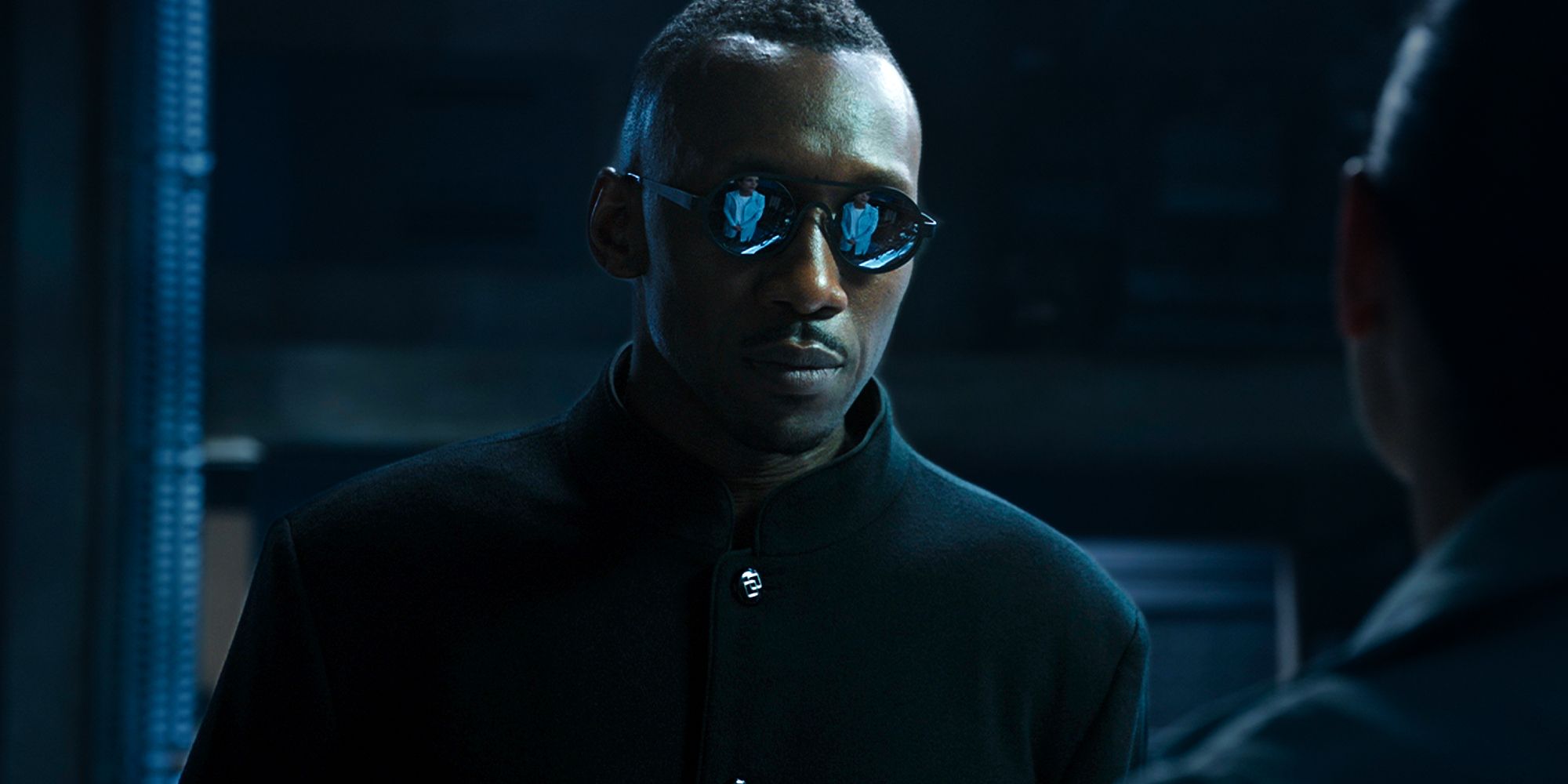
The character of G.H. Scott, played by Mahershala Ali, is central to why the movie matters from a narrative and social perspective. Traditionally, in American cinema, the "intruder" in a home-invasion or survival scenario is often viewed with immediate hostility or represents a specific class or racial threat.
Ali’s performance subverts these tropes through several layers:
- Intellectual Superiority vs. Social Suspicion: G.H. Scott is more prepared, more knowledgeable, and more affluent than the white family (the Sandfords) renting his home. This creates a friction that isn't just about survival, but about the discomfort of broken social hierarchies.
- The Moral Anchor: Amidst the panic of Ethan Hawke’s Clay and the cynicism of Julia Roberts’ Amanda, Ali provides a grounded, Stoic presence. He represents the "insider" who knows exactly how fragile the system is because he has worked within the echelons of high finance and seen the "invisible hands" of the world.
- Representation of the Black Intellectual: Ali continues his career-long trend of playing characters who possess immense dignity and quiet power. In the context of an apocalypse, his character's struggle to prove his ownership of his own home reflects ongoing real-world tensions regarding race and property in America.
The Technological "Three-Stage" Collapse
The film’s depiction of a national emergency is what makes it technically and culturally relevant. G.H. Scott explains a three-stage maneuver designed to topple a country from within without a single shot being fired. This sequence has become a frequent point of reference in discussions about national security and cyber-vulnerability.
- Stage 1: Isolation. Shutting down the internet and telecommunications. This forces the population into a state of information vacuum, where rumors replace facts.
- Stage 2: Synchronized Chaos. Using misinformation and physical disruptions (like the self-driving car pile-ups seen in the film) to create a sense of surrounding danger.
- Stage 3: Coup d'état/Civil War. Allowing the population to turn on itself. Without a common enemy to point to, the film suggests that a fractured society will eventually consume its own members.
By 2026, as global concerns regarding AI-driven misinformation and infrastructure hacking have intensified, the film's "manual" for societal collapse feels less like fiction and more like a warning.
Technical Specifications and Cinematic Language
Sam Esmail’s direction provides a technical depth that separates this movie from standard Netflix fare. The use of unsettling camera movements—including 360-degree rotations and extreme overhead shots—mimics the feeling of a world tilting off its axis.
| Feature | Technical Implementation | Narrative Purpose |
|---|---|---|
| Aspect Ratio | 2.39:1 Anamorphic | Creates a sense of cinematic grandiosity and isolation. |
| Color Palette | Cool blues and stark whites | Emphasizes the clinical, detached nature of the digital collapse. |
| Sound Design | High-frequency "noise" bursts | Used to simulate the physical toll of psychological warfare (the "noise" scene). |
| Visual Effects | CGI Animals (Deer/Flamingos) | Represents nature's reaction to the disruption of human frequencies. |
The film’s reliance on practical locations supplemented by eerie, high-contrast VFX creates a "liminal space" feeling. It forces the viewer to focus on the domestic environment while knowing the world outside is disintegrating.
The "Friends" Ending: A Critique of Escapism
One of the most discussed aspects of Leave the World Behind is its ending, involving the daughter, Rose, and her obsession with the TV show Friends. While some audiences found the ending abrupt, critics and film historians in 2026 cite it as a brilliant critique of digital escapism.
In the middle of a literal apocalypse, the youngest character’s primary goal is to see the series finale of a 90s sitcom. This matters because it highlights a fundamental truth about modern life: our reliance on media as a coping mechanism. The film suggests that even as the physical world burns, we are more concerned with finding "closure" in our fictional digital loops than we are with the reality of our survival.
Comparison with Other Modern Apocalyptic Dramas
To understand why this Mahershala Ali vehicle stands out, it is helpful to compare it to other major releases of the same era that dealt with similar themes of societal breakdown.
| Movie Title | Primary Threat | Tone | Focus |
|---|---|---|---|
| Leave the World Behind | Cyber-Warfare/Internal Collapse | Cold, Intellectual, Tense | Societal fragility and racial/class distrust. |
| Don't Look Up | Comet/Climate Change | Satirical, Loud, Frantic | Political incompetence and media obsession. |
| A Quiet Place | Alien Invasion | Survivalist, Emotional | Family bonding and physical silence. |
| Bird Box | Supernatural/Sight | Thriller, Action-Oriented | Parental instinct and sensory deprivation. |
Unlike its contemporaries, Leave the World Behind refuses to provide a clear antagonist. There are no monsters to shoot and no clear villains to blame. The "enemy" is the system itself—a system we all participated in building.
The Long-Term Impact on Netflix’s Content Strategy
This movie matters for the business of Hollywood as much as for its narrative. It marked a shift in Netflix’s "A-List" strategy. By 2026, the streamer has moved away from high-volume, low-budget content toward "Event Cinema" that pairs Oscar-winning talent like Ali with directors who have a distinct visual style (Esmail).
The film's success proved that "slow-burn" adult dramas could generate high engagement numbers, provided they tapped into current cultural anxieties. It paved the way for more intellectual sci-fi on the platform, moving the needle away from traditional action-heavy blockbusters.
Frequently Asked Questions
Is Leave the World Behind based on a true story?
No, it is based on the 2020 novel by Rumaan Alam. However, the themes of cyber-warfare and infrastructure vulnerability are based on real-world national security concerns and "SolarWinds" style hacking events that have occurred in recent years.
Why did the deer appear in the movie?
The deer serve as a metaphor for nature’s disruption. In the film, the characters hypothesize that the environmental and electronic disruptions caused by the cyber-attack have skewed the animals' migratory patterns and behaviors, making them act as "harbingers" of the coming collapse.
Did Barack Obama actually write the script?
No, he did not write the script, but as a producer under the Higher Ground banner, he provided "editorial notes." According to director Sam Esmail, Obama's notes helped ground the film in reality, particularly regarding how the government would fail to communicate during a crisis.
Does the movie have a sequel?
As of 2026, there is no official sequel. The film's ending was intentionally designed to be ambiguous, reflecting the book's conclusion. The "unresolved" nature of the plot is meant to leave the audience in the same state of uncertainty as the characters.
What was the "loud noise" in the film?
The piercing noise is interpreted as a form of acoustic weaponry. In the context of the "three-stage" collapse G.H. Scott describes, the noise is used to physically disorient the population and cause physical illness (like the teeth falling out), further accelerating Stage 2: Synchronized Chaos.
Final Recommendation: How to Approach the Film
To fully appreciate why this Mahershala Ali movie matters, viewers should approach it not as a traditional disaster film, but as a psychological thriller. The "action" is found in the dialogue and the shifting power dynamics between the characters rather than in explosions.
If you are looking for a film that explores the fragility of the modern world through the lens of one of the 21st century's most capable actors, Leave the World Behind remains the essential streaming choice for 2026. It is a rare example of a blockbuster that asks difficult questions about our digital addictions and our willingness to trust our neighbors when the lights go out.
Image Gallery