Understanding the Discourse Surrounding Angel Reese and Public Scrutiny
During the 2024 NCAA Women’s Basketball Championship game and throughout her subsequent transition to the WNBA, Angel Reese became the focal point of intense public discourse, often centering on critical, racially charged, and polarizi...
During the 2024 NCAA Women’s Basketball Championship game and throughout her subsequent transition to the WNBA, Angel Reese became the focal point of intense public discourse, often centering on critical, racially charged, and polarizing commentary directed at her both in person and via digital platforms. This phenomenon highlights broader tensions regarding athlete behavior, cultural expression, and the intersection of sports media with social media volatility.
Contents
The question of "what was said to Angel Reese" refers to a convergence of on-court interactions and a sustained wave of vitriolic social media commentary that followed her rise to national prominence. Understanding this requires analyzing the specific incidents that defined her public narrative, the mechanisms of digital harassment, and the resulting impact on the landscape of professional sports culture.
The Catalyst: The 2023 and 2024 NCAA Tournaments
Angel Reese’s public profile underwent a massive transformation during her tenure at Louisiana State University (LSU). The intensity of the rhetoric directed toward her largely traces back to the 2023 NCAA Championship game against the University of Iowa.
Following LSU's victory, Reese celebrated by gesturing toward opponent Caitlin Clark, specifically mimicking the "you can't see me" hand gesture that Clark had utilized earlier in the tournament. This specific action triggered a bifurcated public reaction. Supporters viewed it as a standard display of competitive trash talk common in basketball, while critics characterized it as disrespectful or lacking "sportsmanship."
What was said to her in the aftermath transcended simple sports criticism. Reese reported receiving substantial amounts of racist abuse and personal attacks on social media. The commentary frequently targeted her appearance, her character, and her background, reflecting a level of hostility that is often disproportionately directed at Black female athletes who engage in overt displays of confidence or competitive aggression.
Anatomy of Digital Harassment in Professional Sports
The discourse surrounding Reese serves as a case study for how modern athletes experience public opinion. Unlike eras where scrutiny was limited to traditional sports journalism, contemporary athletes face a persistent feedback loop from social media platforms.
The Role of Social Media Echo Chambers
Social media algorithms frequently amplify polarizing content. When Reese made headlines for on-court actions, the discourse often shifted from the game itself to personal attacks. These comments frequently focused on:
- Perceived "Unsportsmanlike" Conduct: Users frequently conflated competitive passion with a lack of integrity.
- Identity-Based Attacks: A significant portion of the negative commentary relied on racial tropes, questioning her professionalism based on her mannerisms and self-expression.
- The "Villain" Narrative: Media outlets and content creators often framed Reese as the "villain" in narratives centered on "hero" figures, which served to validate and encourage abusive commentary from followers.
Comparison of Public Perception Factors
The following table illustrates the common themes present in the criticisms leveled at Reese during her transition from college to the professional league.
| Category of Criticism | Primary Narrative | Frequency of Occurrence |
|---|---|---|
| On-Court Behavior | Claims of excessive trash talk | Very High |
| Character Attacks | Allegations of arrogance/selfishness | High |
| Racialized Discourse | Implicit and explicit bias in critiques | High |
| Fashion/Style | Commentary on personal aesthetics | Moderate |
The Impact of Public Commentary on Athlete Well-being
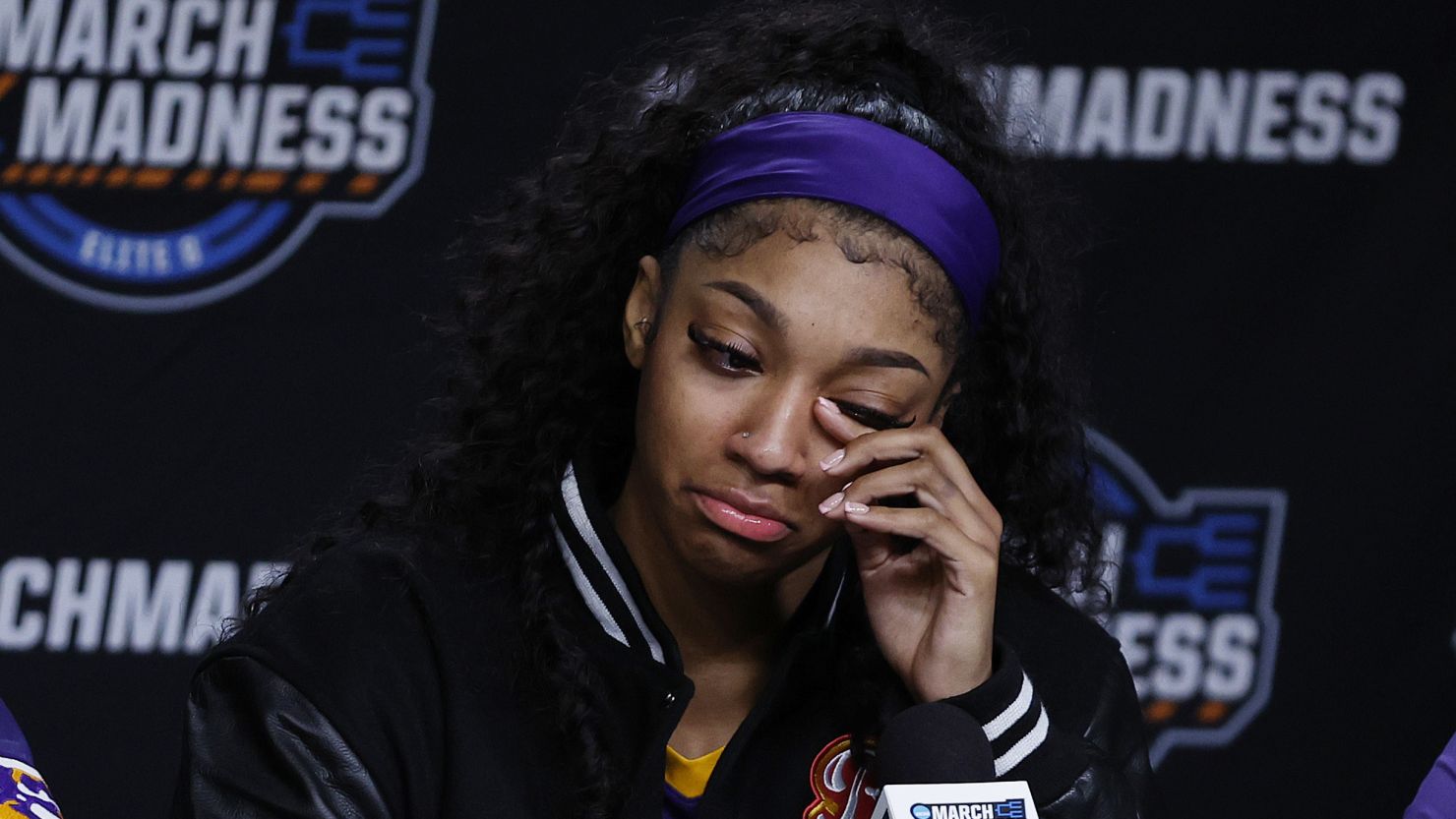
The constant stream of negative feedback, often characterized by public figures as a component of "being in the spotlight," presents tangible challenges to athlete mental health. Reese has been vocal about the mental toll taken by the disproportionate criticism she received.
This environment forces athletes to develop specialized coping mechanisms. For Reese, this included limiting her interaction with social media, relying on a trusted inner circle, and intentionally separating her personal identity from the "Angel Reese" persona constructed by media narratives. The discourse surrounding her highlights a systemic issue where the democratization of criticism through social media often lacks accountability, allowing for harassment to masquerade as valid "sports commentary."
Professionalism and the WNBA Transition
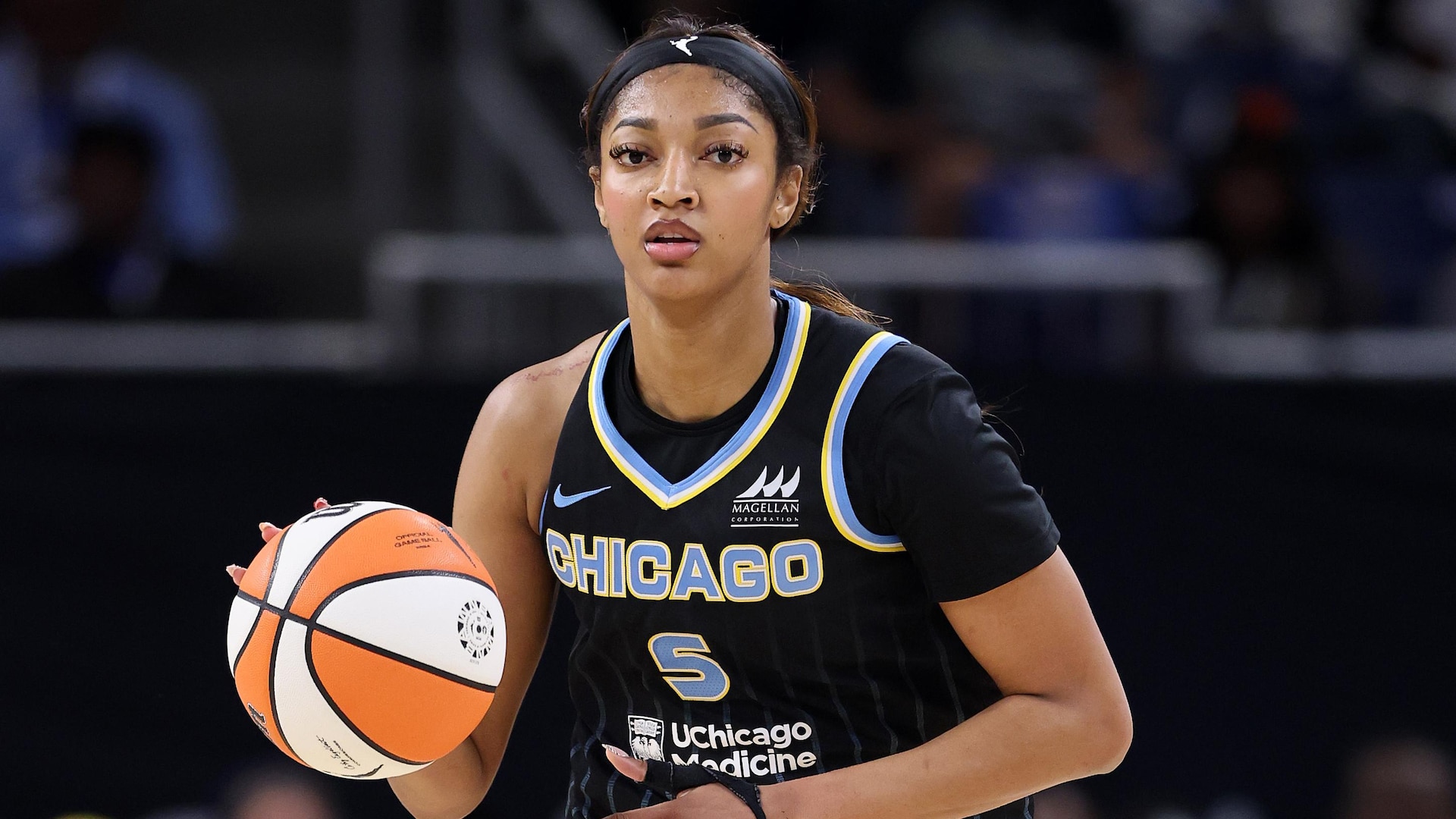
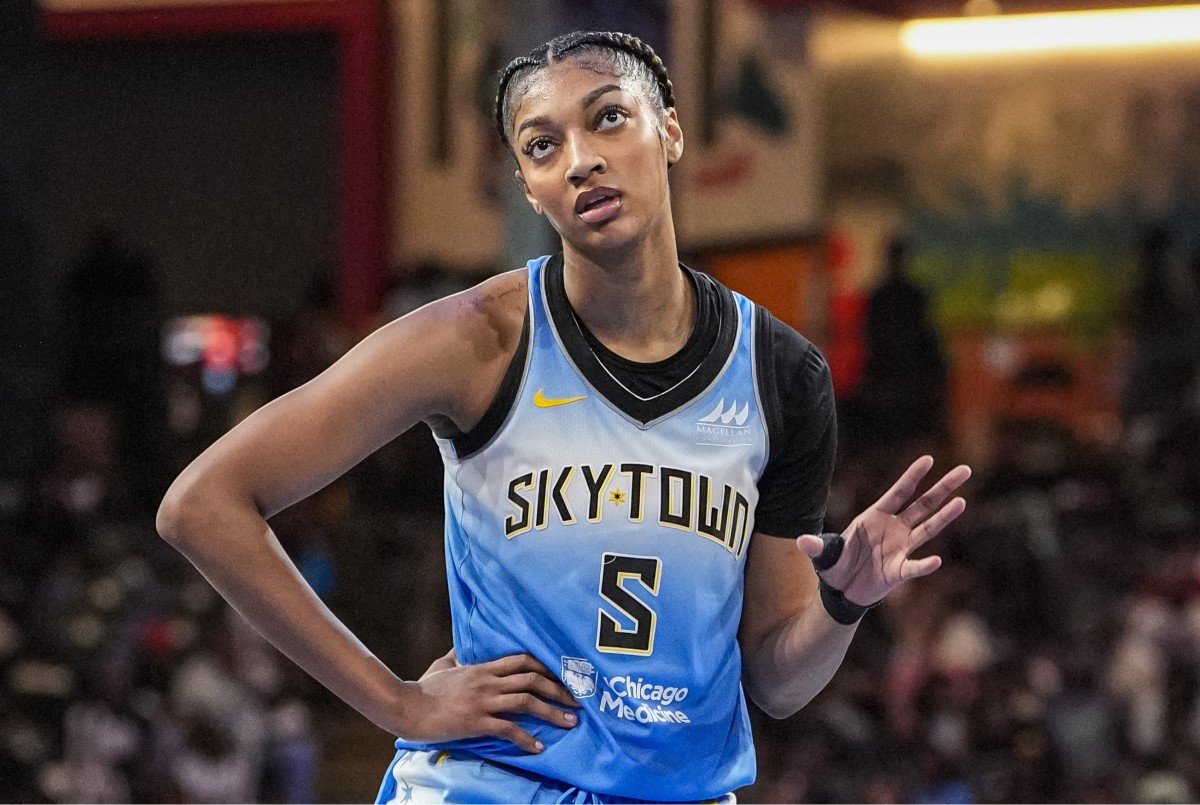
Upon entering the WNBA with the Chicago Sky in 2024, the nature of what was said to Reese shifted slightly, moving from collegiate-style fan rivalry to professional-level scrutiny. However, the themes of "entitlement" and "behavioral issues" remained staples of the negative commentary.
Critics often point to her competitive nature as a detriment to team dynamics, a common critique applied to high-profile rookies. Despite this, the professional environment offered a different set of challenges, including the reality of the league’s physical demands and the increased focus on statistical output rather than cultural impact. The noise surrounding her arrival did not subside; rather, it evolved into a critique of her efficiency and playing style, though often layered with the same intense scrutiny of her personality that began in college.
Frequently Asked Questions
What was the main source of the criticism against Angel Reese?
The primary source was the polarizing reaction to her celebration during the 2023 NCAA Championship game. This initial event acted as a catalyst for a sustained, long-term narrative that scrutinized her competitive behavior and, in many instances, descended into personal and racialized harassment.
How did Angel Reese respond to the negative comments?
Reese generally utilized a strategy of resilience and public dismissal. She often spoke about the double standards inherent in the criticism she faced, noting that other athletes—particularly white athletes—rarely faced the same level of vitriol for similar displays of competitive confidence.
Did the criticism affect her performance or career?
While the public discourse was intense, it did not inhibit her professional trajectory. Reese continued to be a statistical leader in rebounds and a central figure in the WNBA's commercial growth. Her brand expanded significantly during this period, suggesting that while the criticism was loud, it did not alienate her from broader commercial success.
Is the scrutiny directed at her considered standard for athletes?
While all high-profile athletes face criticism, experts and commentators have noted that the intensity and nature of the attacks on Reese were disproportionate. The intersection of race and gender, often referred to as "misogynoir," is frequently cited by sociologists and sports analysts as a driving factor in the severity of the backlash she encountered.
Navigating the Public Spotlight
For emerging athletes, the experience of Angel Reese serves as a cautionary tale regarding the digital age of sports. The "noise" surrounding an athlete is often a reflection of larger cultural wars rather than an objective evaluation of athletic talent. Moving forward, the industry is increasingly focused on providing better mental health support and digital moderation to protect athletes from the toxic elements of fan engagement.
The recommendation for those observing or participating in these discussions is to maintain a focus on objective performance metrics and to acknowledge the human element of professional competition. The commentary directed at Reese, while revealing about the state of digital culture, should not overshadow the technical proficiency and historical milestones she achieved during her collegiate and early professional career.
Image Gallery