10 Tips to Fix a P0171 Code on Your Toyota RAV4
To fix a P0171 code on a Toyota RAV4, you must address a "System Too Lean" condition, meaning the engine has too much air or too little fuel. The most effective solutions include cleaning the Mass Air Flow (MAF) sensor, inspecting for...
To fix a P0171 code on a Toyota RAV4, you must address a "System Too Lean" condition, meaning the engine has too much air or too little fuel. The most effective solutions include cleaning the Mass Air Flow (MAF) sensor, inspecting for vacuum leaks in the intake boots, and replacing the upstream Air-Fuel Ratio sensor.
Contents
The P0171 diagnostic trouble code (DTC) is one of the most common issues reported by Toyota RAV4 owners across multiple generations, from the early 2000s models to the more recent 2019–2024 iterations. While the code indicates that the Engine Control Unit (ECU) has detected an lean air-fuel mixture in Bank 1, the root cause can range from a simple dirty sensor to a failing fuel pump. In 2026, as many fifth-generation RAV4s transition out of their powertrain warranties and older models remain on the road, understanding how to methodically diagnose this code can save you hundreds of dollars in "parts cannon" repairs.
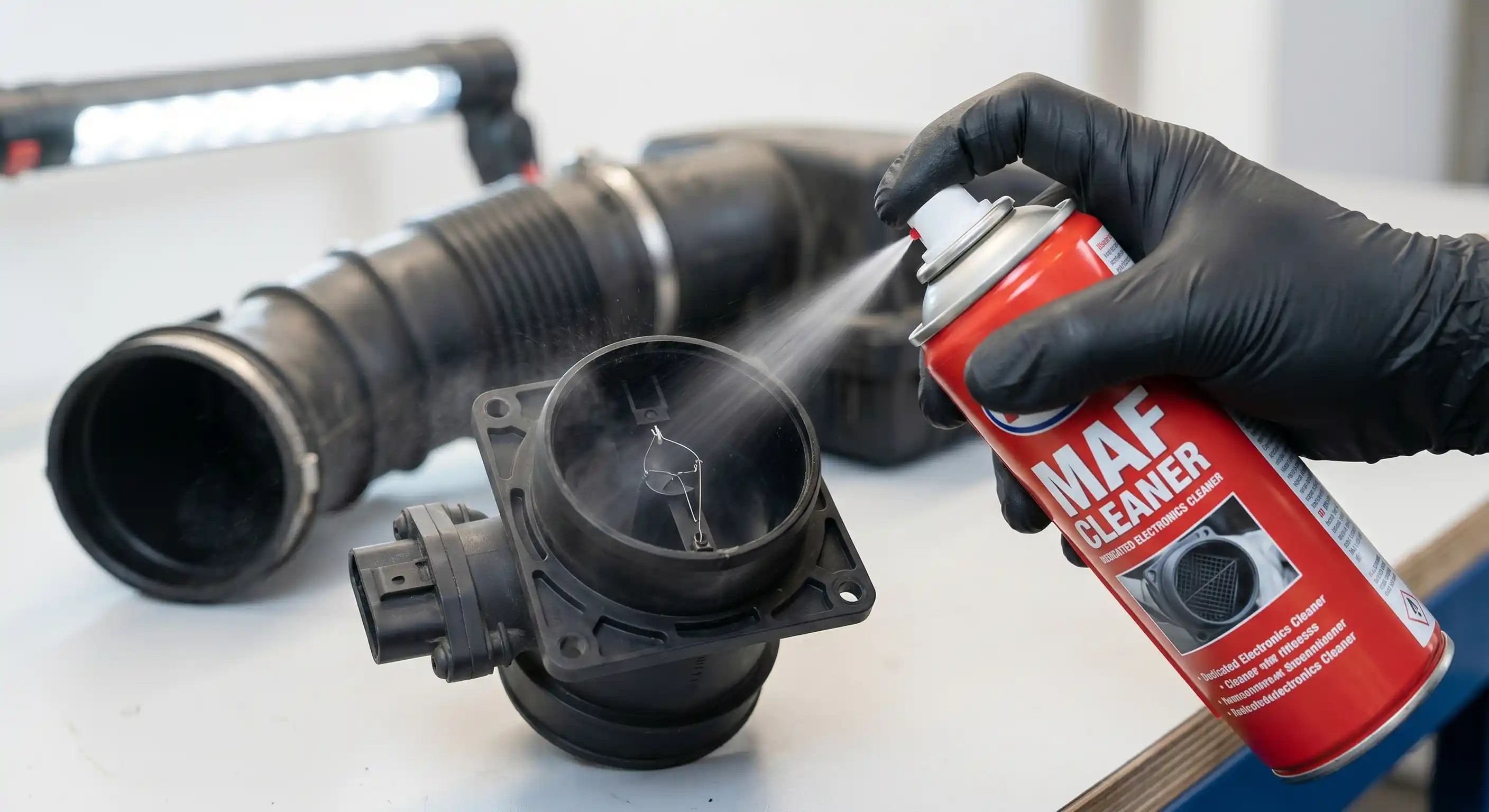
1. Clean the Mass Air Flow (MAF) Sensor
The Mass Air Flow sensor is the primary suspect when a RAV4 throws a P0171 code. This sensor measures the volume and density of air entering the engine. Over time, microscopic dust particles, oil from aftermarket "wet" air filters, and carbon buildup coat the sensor’s delicate platinum hot wires. This leads to under-reporting air intake, causing the ECU to provide insufficient fuel.
To fix this, use a dedicated MAF sensor cleaner. Do not use brake cleaner or carb cleaner, as these can damage the sensor's protective coating. Remove the two screws holding the sensor into the air intake box, spray the internal wires thoroughly without touching them, and let the sensor air-dry completely before reinstalling. In many cases, this five-minute procedure resolves the P0171 code instantly.
2. Inspect the Intake Boot for Cracks
Toyota RAV4s, particularly those over seven years old, are prone to dry-rotting in the rubber intake bellows (the accordion-style tube between the air filter box and the throttle body). If the rubber cracks, "unmetered" air enters the engine behind the MAF sensor. Because the ECU doesn't know this extra air exists, it doesn't add the necessary fuel, resulting in a lean condition.
Carefully inspect the folds of the intake boot. Flex the rubber with your hands while the engine is off to reveal hidden cracks. Even a hairline fracture can let in enough air to trigger a P0171. If you find a crack, the only permanent fix is replacement; temporary tape fixes rarely last due to engine heat and vibration.
3. Check for Vacuum Leakage via the Smoke Test
Beyond the main intake boot, the RAV4 engine relies on various small vacuum hoses for systems like the Power Brake Booster and the EVAP system. A leak in any of these lines will cause a P0171.
A professional-grade diagnostic method is the "smoke test." By injecting pressurized smoke into the intake manifold, you can visually identify where smoke escapes. If you are a DIYer without a smoke machine, you can carefully spray small amounts of soapy water or specialized leak-detection spray around vacuum junctions while the engine is idling. A change in engine RPM or the sight of bubbles will pinpoint the leak.
4. Replace the Intake Manifold Gasket
On older Toyota RAV4 models, particularly those manufactured between 2004 and 2015, the intake manifold gasket was a known weak point. These gaskets were often made of a material that would shrink in cold temperatures. When the engine was cold, air would leak past the gasket, causing a P0171 and potentially a rough idle. As the engine warmed up and the plastic manifold expanded, the leak would often seal itself.
If your P0171 code is intermittent and usually appears on cold mornings, the intake manifold gasket is a high-probability culprit. Toyota eventually released an updated orange silicone gasket that is much more resistant to temperature-related shrinkage.
5. Verify the Air-Fuel Ratio (AFR) Sensor Integrity
While many people call them Oxygen (O2) sensors, modern RAV4s use more sophisticated Air-Fuel Ratio sensors in the upstream position (before the catalytic converter). These sensors tell the ECU exactly how much oxygen is in the exhaust. If the sensor is "lazy" or biased, it may report a lean condition that doesn't actually exist.
To diagnose this, use an OBD-II scanner to monitor the "Short Term Fuel Trim" (STFT) and "Long Term Fuel Trim" (LTFT). If your LTFT is consistently above +10% or +15%, the car is actively trying to add fuel. If the sensor readings don't change when you artificially create a rich condition (by spraying a tiny bit of starting fluid into the intake), the sensor is likely faulty. Always use OEM-equivalent sensors, such as Denso, as Toyotas are notoriously finicky with universal aftermarket sensors.
6. Inspect the PCV Valve and Hose
The Positive Crankcase Ventilation (PCV) system recirculates crankcase gases back into the intake. If the PCV valve gets stuck open, it creates a constant vacuum leak. If the hose connecting the PCV valve to the manifold cracks—a common occurrence in the 2026 landscape for aging 2016-2018 RAV4s—it introduces unmetered air.
A quick test is to pinch the PCV hose while the engine is idling. You should hear a clicking sound from the valve. If the hose is brittle or collapses under vacuum, replace both the hose and the valve. This is a low-cost maintenance item that is often overlooked.
7. Evaluate Fuel Pump Pressure and Delivery
A P0171 isn't always about "too much air"; it can literally be "too little fuel." If your fuel pump is wearing out or the fuel filter is clogged, the injectors cannot deliver the volume of fuel requested by the ECU.
While most modern RAV4s do not have a dedicated fuel pressure test port on the rail, you can monitor the fuel pressure data stream using a high-end scan tool. If the pressure drops significantly under load (such as when accelerating uphill), the fuel pump or the integrated pressure regulator in the fuel tank assembly is likely failing.
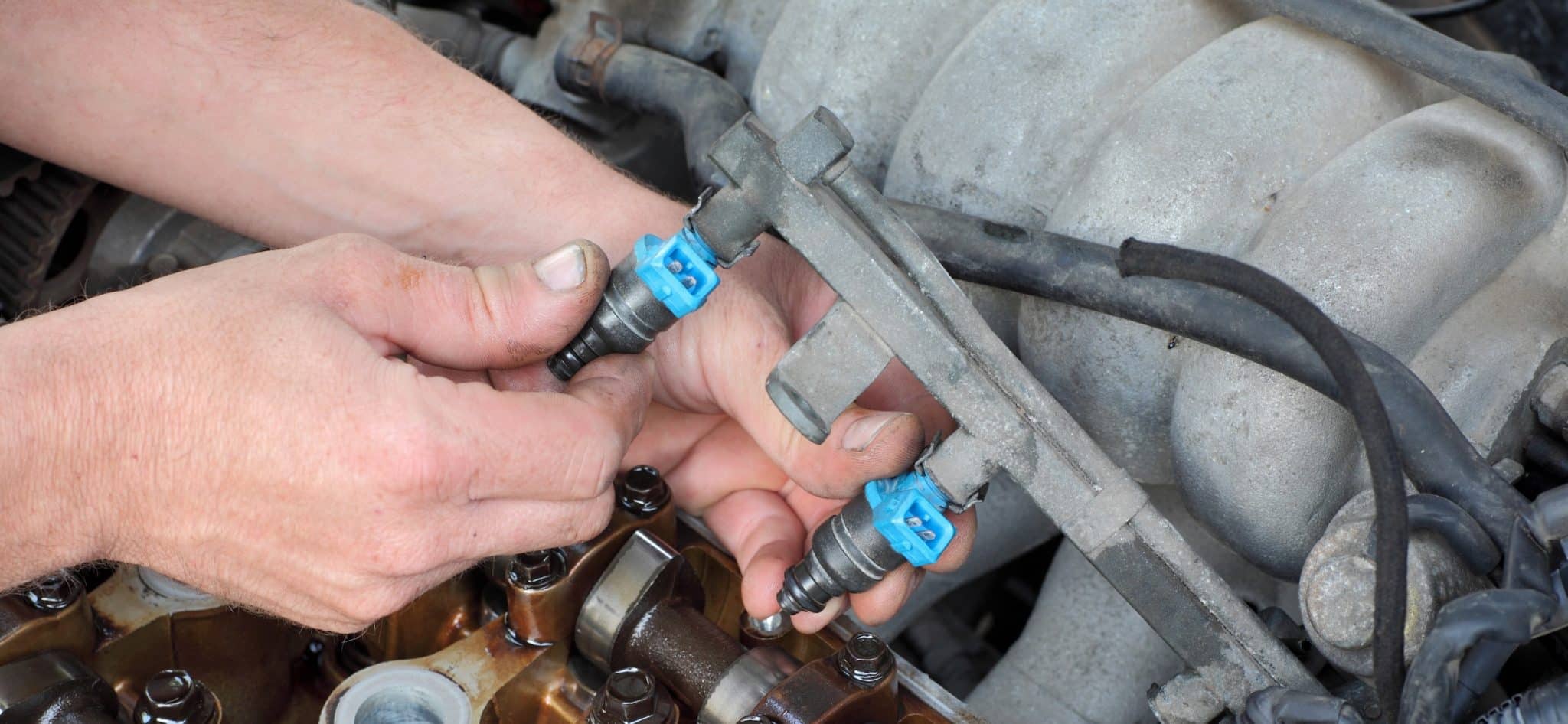
8. Clean Clogged Fuel Injectors
Over tens of thousands of miles, fuel injectors can develop carbon deposits on their tips, affecting the spray pattern and the total volume of fuel delivered. If one or more injectors are restricted, the overall mixture for Bank 1 will lean out.
Before replacing expensive injectors, try a high-quality fuel system cleaner containing PEA (Polyetheramine). If the P0171 persists, a professional injector flush or ultrasonic cleaning may be necessary. In 2026, with the prevalence of high-ethanol fuel blends, injector fouling remains a relevant issue for high-mileage RAV4s.
9. Check for Exhaust Leaks Before the Sensor
An often-misunderstood cause of a P0171 code is an exhaust leak located between the engine block and the upstream AFR sensor. If there is a hole in the exhaust manifold or a failed gasket, the pulsing of the exhaust gases can actually suck outside air into the exhaust stream.
The AFR sensor detects this extra oxygen and concludes the engine is running lean. The ECU then pumps in extra fuel to compensate, even though the engine’s internal combustion was actually fine. Listen for a "ticking" sound during acceleration, which usually indicates an exhaust leak that is fooling your sensors.
10. Perform an ECU Reset and Drive Cycle
After performing any of the repairs mentioned above, you must clear the code and reset the ECU's "learned" fuel trims. If you don't reset the trims, the car may continue to run poorly or throw a "system too rich" code because it is still trying to compensate for the old leak.
Disconnect the battery for ten minutes or use a scan tool to clear the DTCs. Afterward, perform a standard Toyota drive cycle: let the engine idle for several minutes, drive at a steady 40–50 mph for several miles, and allow for a mix of stop-and-go city driving. This allows the ECU to recalibrate its fuel maps to the now-sealed and clean system.
| Potential Cause | Repair Complexity | Estimated Part Cost (USD) | Probability (RAV4) |
|---|---|---|---|
| Dirty MAF Sensor | Low | $10 (Cleaner) | Very High |
| Vacuum Leak | Low/Medium | $5 - $50 | High |
| Cracked Intake Boot | Low | $40 - $120 | High |
| AFR/O2 Sensor | Medium | $150 - $250 | Moderate |
| Intake Gasket | High | $15 - $30 | Moderate (Older Models) |
| Fuel Pump | High | $200 - $500 | Low |
| Exhaust Leak | Medium/High | $20 - $300 | Low |
Frequently Asked Questions
Can I drive my RAV4 with a P0171 code?
While the car is usually drivable, you should not ignore a P0171 code for long. A lean condition causes higher combustion temperatures, which can eventually damage your spark plugs, exhaust valves, and the expensive catalytic converter. Furthermore, your fuel economy will drop significantly as the ECU enters a "limp" or "fail-safe" mode to protect the engine.
Why does my P0171 code only come on during the winter?
This is a classic symptom of a failing intake manifold gasket or a vacuum leak in a rubber hose. In cold weather, rubber and plastic components shrink. This shrinkage opens up small gaps that allow unmetered air to enter. Once the engine warms up, the components expand and the leak may seal itself, causing the code to be intermittent.
Is P0171 the same as P0174?
No, though they are related. P0171 refers to Bank 1. Since almost all Toyota RAV4s use inline 4-cylinder engines, they only have one "bank," so you will almost always see P0171. If you have a rare V6 RAV4 (2006–2012 models), P0171 refers to the rear bank of cylinders, while P0174 would refer to the front bank.
Will a bad gas cap cause a P0171 code?
Generally, no. A loose or failing gas cap usually triggers an EVAP system code, such as P0440, P0442, or P0455. While the EVAP system is connected to the intake, a gas cap leak is rarely large enough to cause a lean engine code unless there is also a failure in the purge valve.
Does a dirty air filter cause P0171?
Usually, a dirty air filter causes a "rich" condition (P0172) because it restricts air, not a lean condition. However, if the air filter is so old that it has collapsed or allowed debris to hit the MAF sensor, it can indirectly cause a P0171 by fouling the sensor.
Final Recommendation
When facing a P0171 on your Toyota RAV4, start with the MAF sensor. Statistically, cleaning or replacing the MAF sensor and checking the intake rubber boots resolves over 70% of these cases. Only after verifying the intake is airtight and the MAF is clean should you move on to more expensive components like the Air-Fuel Ratio sensors or the fuel pump. If the problem persists after checking the air and fuel delivery, a professional smoke test is the most cost-effective way to find elusive vacuum leaks.
Image Gallery