Accessing and Understanding US Cellular Phone Records: 2026 Comprehensive Guide
Accessing US Cellular phone records requires navigating account ownership policies, online portal dashboards, and formal legal or subpoena processes. To view detailed call logs, text message histories, and data usage metrics for an act...
Accessing US Cellular phone records requires navigating account ownership policies, online portal dashboards, and formal legal or subpoena processes. To view detailed call logs, text message histories, and data usage metrics for an active account, the account holder must typically log into the official online carrier portal or submit a written request in compliance with federal telecommunications privacy laws.
Contents
Understanding US Cellular Phone Records and Carrier Policies
Telecommunications data privacy is governed strictly by federal regulations, specifically the Federal Communications Commission (FCC) Customer Proprietary Network Information (CPNI) rules. These regulations dictate how carriers like UScellular handle subscriber details, call logs, and billing histories. Understanding what data is collected, how long it is stored, and who has the legal right to access it is essential for anyone attempting to retrieve these records.
UScellular retains different types of records for varying durations. While billing summaries are typically available for extended periods, granular real-time tracking data or detailed content of text messages is generally not stored indefinitely due to privacy mandates and storage limitations. Account security safeguards protect these logs against unauthorized retrieval, preventing identity theft and pretexting—the practice of falsely posing as an account holder to obtain private data.
Types of Data Available in Mobile Phone Documentation
Mobile phone records are broken down into several distinct categories. Each category contains different levels of detail regarding voice, messaging, and data connections.
- Billing Statements: Summarize monthly charges, voice minute totals, text counts, data volume, and itemized toll calls. These are available historically for up to 18 to 24 months through online self-service portals.
- Call Detail Records (CDRs): Document outgoing and incoming calls, timestamps, call durations, and originating or terminating phone numbers. They do not include audio recordings of the conversations.
- Text Message Metadata: Track the date, time, and phone numbers involved in SMS and MMS exchanges. Carriers typically do not store the actual body text of messages for extended periods.
- Data Usage Logs: Outline the volume of cellular data consumed during specific sessions, along with network connection timestamps, though specific URLs or application usage payloads are rarely detailed.
Methods for Retrieving US Cellular Records
Retrieving phone records depends on whether you are the primary account holder, an authorized user, or an outside party requiring records for legal purposes. The table below outlines the primary methods, eligibility requirements, and data availability timelines for each approach.
| Retrieval Method | Eligible Parties | Data Accessibility | Timeframe to Receive |
|---|---|---|---|
| Online Account Portal | Primary Account Holder, Authorized Users | Past 18-24 months of billing statements and call logs | Instant (Real-time access) |
| Customer Support Request | Account Holder (with identity verification) | Historical billing and specific itemized logs | 3 to 10 business days |
| Written Subpoena / Court Order | Law Enforcement, Legal Counsel, Subpoena Recipients | Certified historical records and subscriber details | Dependent on legal processing times |
| Third-Party Data Recovery | Device Owner | Deleted local files, cached logs on physical hardware | Dependent on forensic tools used |
Step-by-Step Guide to Accessing Your Online Account Records
For active account holders seeking standard billing summaries and call logs, the online management portal remains the fastest and most efficient option.
- Navigate to the Official Portal: Open a secure web browser and visit the official UScellular website. Log in using your primary administrator credentials (account owner ID and secure password).
- Access the Billing Section: Locate the billing or usage tab in the main account dashboard. This area compiles all historical statements generated for the account lifecycle.
- Select Statement Period: Choose the specific billing cycle month you wish to examine. You can view summaries or expand the view to see itemized call and text logs for that specific timeframe.
- Download and Export: Save the records as a PDF or export tabular data to a spreadsheet format for personal archiving, expense reporting, or record-keeping.
Legal Subpoenas and Formal Information Requests
When records are required for legal proceedings, divorces, or criminal investigations, standard customer service channels will not release the information due to CPNI privacy protections. Attorneys, law enforcement agencies, and courts must follow strict compliance procedures.
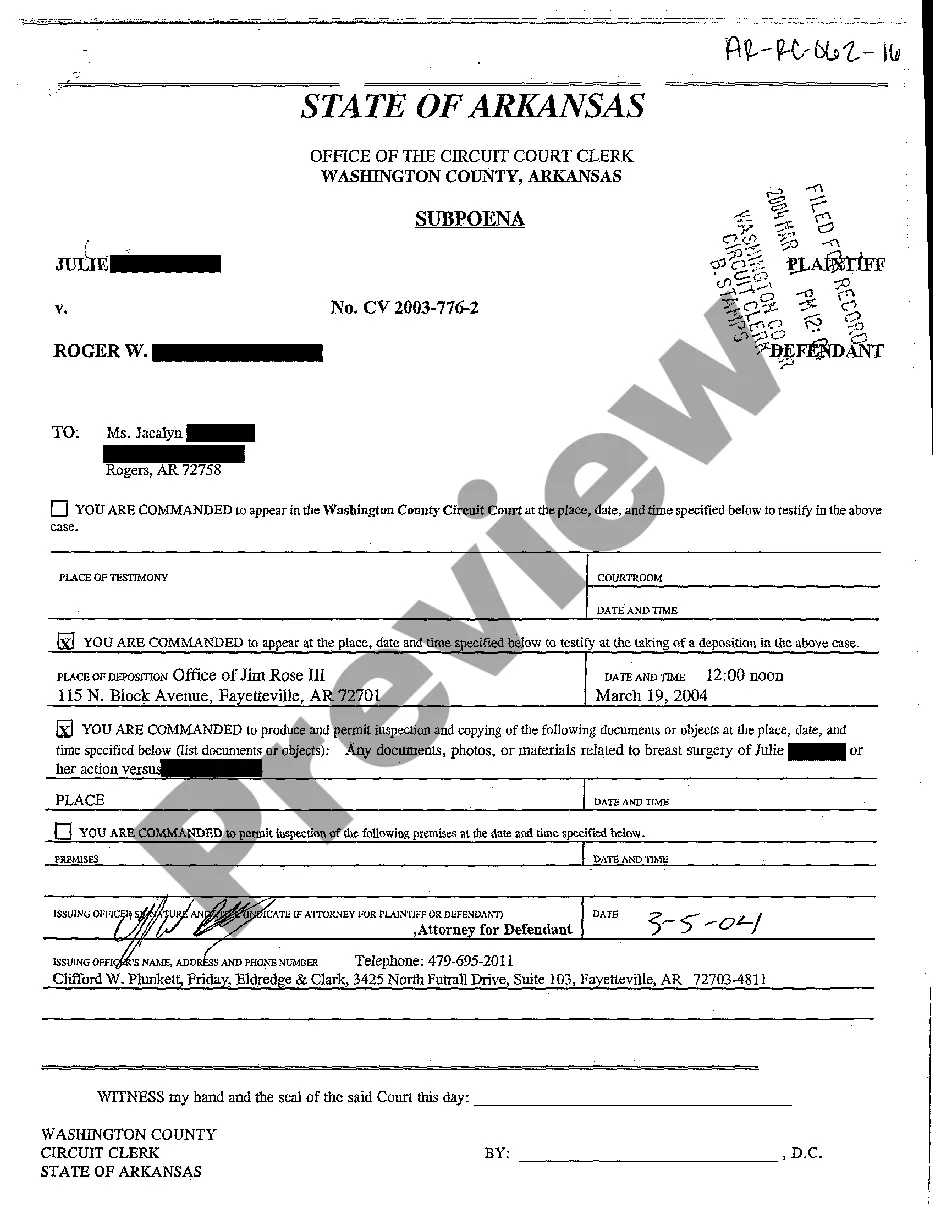
- Formal Subpoena Requirements: Requests must be served to UScellular's designated legal compliance or custodian of records department. The subpoena must specify the exact telephone number, date ranges, and type of records requested.
- Subscriber Verification: Legal requests must include sufficient identifying information to establish jurisdiction and ensure the targeted number belongs to the entity under scrutiny.
- Carrier Processing: The carrier's legal department reviews the subpoena for validity, compliance with the Stored Communications Act (SCA), and proper service before compiling and certifying the records for court.
Distinguishing Between Carrier Records and Device Recovery
A common point of confusion involves the difference between carrier-held records and data stored directly on a mobile device.
Carrier records exist on UScellular's network infrastructure and encompass billing details, connection metadata, and broad call logs. Conversely, physical smartphone hardware retains localized data, such as cached app logs, deleted photos, actual message conversation histories, and contact lists. If an individual needs the actual text of messages sent months prior, carrier logs will prove insufficient, as carriers do not archive message content. In such cases, specialized digital forensics on the physical handset via authorized extraction software is required, provided the data has not been overwritten.
Data Privacy Notice: Attempting to access another adult's cellular records without explicit legal authorization or account-holder consent violates federal privacy laws and telecommunications regulations. Always ensure full compliance with local and federal guidelines before initiating record requests.
Frequently Asked Questions
Can I view the actual content of text messages through my UScellular account?
No, UScellular does not store the content or body text of SMS and MMS messages on its servers. Online records and billing statements only display metadata, such as the timestamp and phone numbers involved in the message exchange.
How far back do UScellular phone records go?
Standard online account portals typically provide access to billing statements and itemized call logs for the past 18 to 24 months. Requests for older records require formal legal processes or archival retrieval, which may not be guaranteed if retention periods have expired.
Can an authorized user on a family plan see call logs?
Yes, account managers and authorized users listed on the multi-line account permissions profile can view general billing summaries and shared call logs through the online portal, subject to account tier permissions set by the primary owner.
What should I do if my online account is locked during record retrieval?
If multiple failed login attempts lock your account, use the self-service password reset tool using the verified email address on file. Alternatively, contact UScellular customer service directly with your account PIN and security answers to verify identity and restore access.
Are call records available for prepaid accounts?
Prepaid accounts have limited data retention compared to postpaid contracts. Detailed historical call logs and itemized billing statements are generally not accessible online for prepaid plans once the billing cycle or active period concludes.
Conclusion
Obtaining UScellular phone records requires a clear understanding of account permissions, data retention windows, and federal privacy laws. Whether logging into the self-service portal for personal billing history or executing a formal subpoena for legal proceedings, identifying the correct pathway ensures a secure and compliant retrieval process. Always utilize official channels and respect carrier privacy protocols to maintain data integrity and account security.
Image Gallery