Understanding Family Asset Net Worth: A Comprehensive Guide for 2026
Family asset net worth is the total financial value of all assets owned by a household minus all outstanding liabilities. It serves as a definitive snapshot of a family’s financial health, representing the "bottom line" after all debts...
Family asset net worth is the total financial value of all assets owned by a household minus all outstanding liabilities. It serves as a definitive snapshot of a family’s financial health, representing the "bottom line" after all debts are settled. Calculating this figure helps families track progress toward long-term goals like retirement or estate planning.
Contents
What is Family Asset Net Worth?
At its core, family asset net worth is a calculation used to determine the wealth of a household unit. Unlike individual net worth, which focuses on a single person’s holdings, family net worth aggregates the accounts, property, and debts of spouses or domestic partners, and sometimes includes assets held in trust for children. In the financial landscape of 2026, understanding this figure is more critical than ever as families navigate complex investment environments, fluctuating real estate markets, and the integration of digital assets into traditional portfolios.
To understand net worth, one must view it as a balance sheet. On one side, you have everything of value that can be converted into cash or provides utility (assets). On the other side, you have every financial obligation owed to third parties (liabilities). The difference between these two sums is the net worth. It is a dynamic number that fluctuates with market conditions, spending habits, and debt repayment schedules.
Categorizing Family Assets
Assets are not a monolithic block; they are categorized based on their liquidity and their ability to appreciate or depreciate over time. For a comprehensive family net worth statement, you must look beyond the balance in a checking account.
Liquid Assets and Cash Equivalents
Liquid assets are those that can be converted into cash quickly with minimal loss in value. In 2026, this category includes:
- Checking and Savings Accounts: The most accessible forms of capital.
- Certificates of Deposit (CDs) and Money Market Accounts: These offer slightly higher returns than standard savings but remain highly liquid.
- Emergency Funds: Specifically earmarked cash reserves that act as a buffer against unforeseen expenses.
Invested Assets (Appreciating Assets)
These are holdings intended to grow in value over time or provide a recurring income stream.
- Brokerage Accounts: Taxable accounts containing stocks, bonds, and Exchange-Traded Funds (ETFs).
- Retirement Accounts: 401(k)s, IRAs, and Roth IRAs. When calculating net worth, it is important to remember that traditional (pre-tax) accounts carry a latent tax liability, whereas Roth accounts represent "true" net value.
- Digital Assets: In 2026, many families include verified cryptocurrency holdings or tokenized assets. These should be valued at their current market price at the time of calculation.
Use Assets (Tangible Assets)
Use assets are items the family owns and uses in daily life. While they contribute to net worth, they often depreciate.
- Real Estate: This includes the primary residence, vacation homes, and investment properties. Valuation should be based on current Fair Market Value (FMV), not the original purchase price.
- Vehicles: Cars, boats, and motorcycles. These should be valued using current resale data (e.g., Kelley Blue Book).
- Personal Property: High-value items such as jewelry, fine art, collectibles, and high-end electronics.
Identifying Family Liabilities
Liabilities are the debts that "eat" into your assets. To get an accurate net worth, you must be exhaustive in listing what you owe.
Secured Debt
Secured debts are backed by collateral. If the debt isn't paid, the lender can seize the asset.
- Mortgages: The remaining principal balance on home loans.
- Auto Loans: The outstanding balance on vehicle financing.
- HELOCs: Home Equity Lines of Credit that have been drawn upon.
Unsecured Debt
Unsecured debts are not backed by collateral and often carry higher interest rates.
- Credit Card Balances: The total current balance, not just the monthly minimum.
- Student Loans: Both federal and private loans held by family members.
- Medical Debt: Any outstanding bills for healthcare services.
- Personal Loans: Unsecured loans from banks or private lenders.
The Formula: Step-by-Step Calculation
Calculating family net worth is a straightforward process, but it requires diligent record-keeping. The formula is: Total Assets − Total Liabilities = Net Worth
- List every asset: Use a spreadsheet or a dedicated financial app to list every account and physical asset. Be realistic about the value of physical goods; many people overstate the value of their furniture or used electronics.
- Determine current values: For stocks and real estate, use the "spot" price or a recent appraisal. For 2026, online valuation tools provide real-time updates for most asset classes.
- Sum the assets: This is your "Gross Wealth."
- List every liability: Check credit reports and bank statements to ensure no small debts are overlooked.
- Sum the liabilities: This is your total debt burden.
- Subtract: Subtract the sum in step 5 from the sum in step 3.
| Asset Category | Example Items | Valuation Method |
|---|---|---|
| Cash & Cash Equivalents | Savings, CDs, Cash under mattress | Current Balance |
| Retirement Accounts | 401(k), IRA, Pension Value | Current Statement Value |
| Real Estate | Primary Home, Rental Property | Current Fair Market Value |
| Investment Portfolio | Stocks, Bonds, Crypto | Current Market Price |
| Personal Property | Vehicles, Jewelry, Art | Resale Value (Depreciated) |
| Short-term Debt | Credit Cards, Store Credit | Current Balance Owed |
| Long-term Debt | Mortgages, Student Loans | Principal Balance Remaining |
Why Knowing Your Net Worth Matters in 2026
In an era of economic volatility and complex tax codes, the net worth figure serves as a "north star" for financial planning. It is far more descriptive than income alone. A family earning $300,000 a year but carrying $400,000 in high-interest debt and owning no property may have a lower net worth than a family earning $80,000 with a paid-off mortgage and a modest retirement fund.
1. Assessing Retirement Readiness
Your net worth helps determine if you have enough "critical mass" to sustain your lifestyle without a paycheck. Financial advisors often use net worth to calculate withdrawal rates for retirement.
2. Loan Eligibility and Interest Rates
Lenders often look at the debt-to-income ratio, but for significant commercial or jumbo residential loans, a strong net worth provides "reserve" security that can lead to better interest rates and terms.
3. Estate and Legacy Planning
For families looking to pass wealth to the next generation, knowing the net worth is the first step in understanding potential estate tax exposures. In 2026, staying under specific tax thresholds is vital for efficient wealth transfer.
Common Mistakes in Calculating Family Net Worth
Avoid these common pitfalls to ensure your financial picture is accurate:
- Including Future Income: Net worth is a "now" measurement. Never include projected bonuses, expected inheritances, or future salary increases.
- Overvaluing Personal Items: A used car or a sofa is rarely worth what you paid for it. Always use the current "garage sale" or resale value.
- Forgetting "Invisible" Debts: Taxes owed to the IRS or private personal loans from family members are still liabilities and must be subtracted.
- Ignoring the Impact of Taxes: As mentioned, $100,000 in a traditional 401(k) is not the same as $100,000 in a savings account because the 401(k) will be taxed upon withdrawal. Advanced trackers often "haircut" pre-tax accounts by 20-25% to account for this.
Strategies to Increase Family Net Worth
To move the needle on your family’s net worth, you must focus on two fronts: increasing assets and decreasing liabilities.
- Aggressive Debt Paydown: Start with the highest interest debt (usually credit cards). Every dollar of debt removed is a direct one-to-one increase in net worth.
- Automated Investing: Treat your investment contributions as a non-negotiable "bill." This ensures your asset column grows consistently regardless of market sentiment.
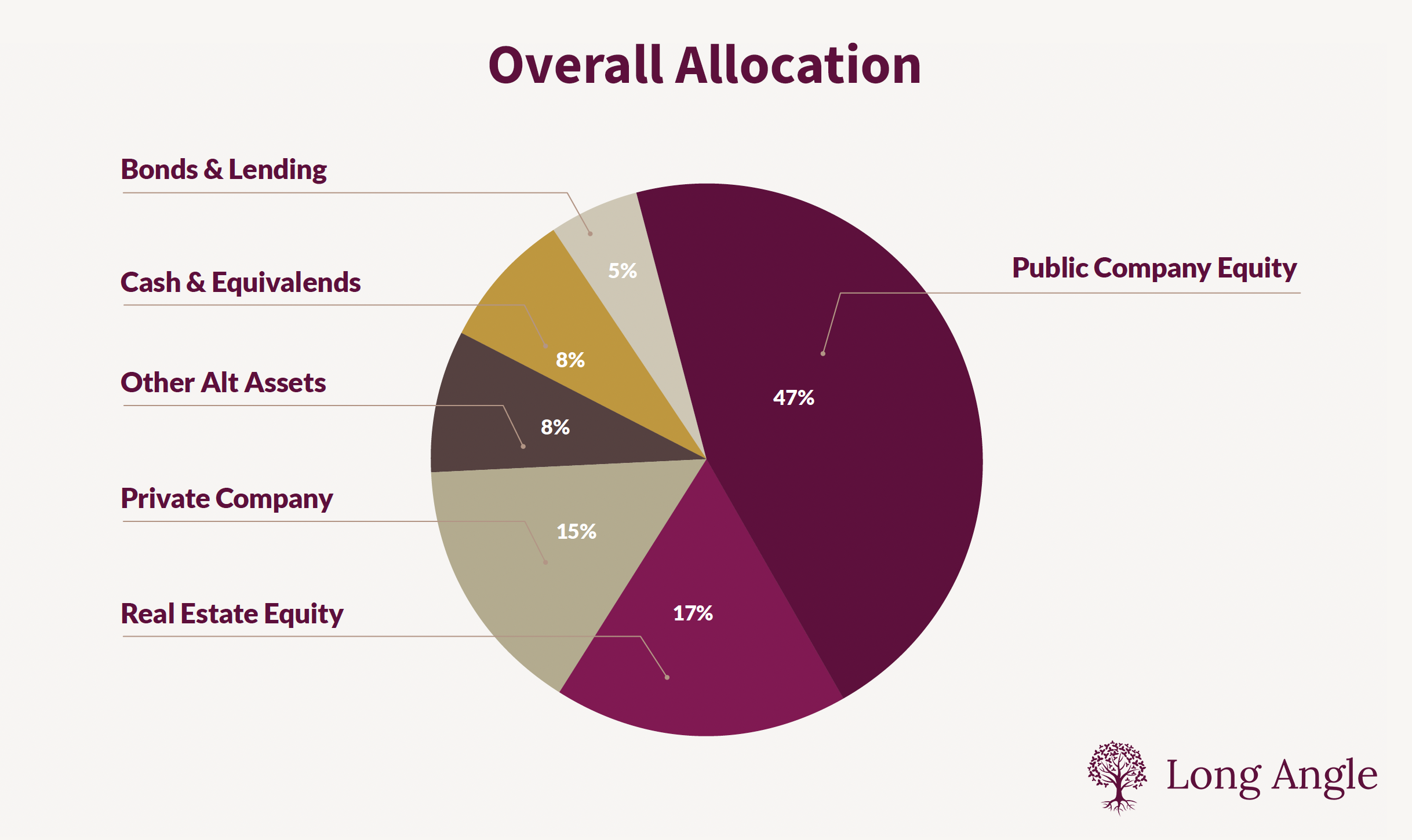
- Asset Allocation: Ensure your portfolio is diversified. In 2026, a mix of low-cost index funds, real estate, and fixed income remains the standard for steady growth.
- Limiting Lifestyle Creep: As income increases, keep expenses stable. The surplus should be funneled into assets rather than depreciating luxury goods.
Frequently Asked Questions
How often should a family calculate their net worth? Most financial experts recommend calculating net worth once or twice a year. Doing it too often (e.g., daily) can cause unnecessary stress due to market fluctuations, while doing it too rarely makes it difficult to adjust your financial strategy.
Does a primary residence count toward net worth? Yes, your home is an asset. However, many financial planners also track "investable net worth," which excludes the primary home. This is because you always need a place to live, so you cannot easily "spend" the equity in your home without selling it or taking on new debt.
What is a "good" net worth for my age? A "good" net worth is subjective and depends on your cost of living and goals. A common benchmark is the formula: (Age × Pre-tax Annual Income) / 10. However, this is just a guideline and doesn't account for varying life circumstances or late-start careers.
Should I include my term life insurance policy in my net worth? No. Term life insurance has no cash value and only pays out upon death. However, "Whole Life" or "Universal Life" policies that have a "cash surrender value" can be included in your asset list at that specific surrender value.
What if my family net worth is negative? A negative net worth is common for young families with high student loan debt or new homeowners. The goal is not to panic but to create a plan to increase your asset-to-debt ratio over time by prioritizing high-interest debt repayment and consistent saving.
Practical Recommendation
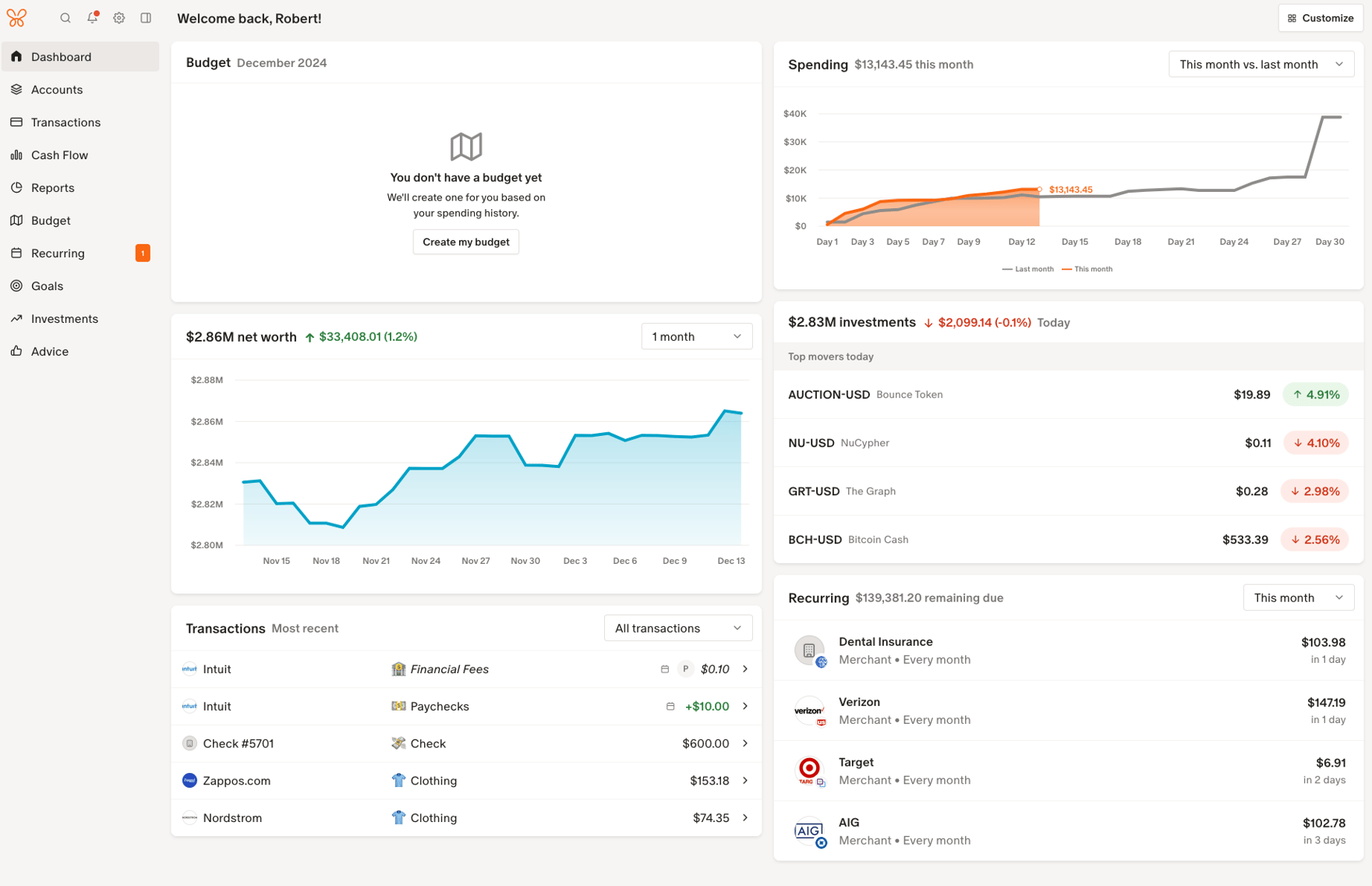
To effectively manage your family asset net worth in 2026, start by creating a "Living Balance Sheet." Use a secure financial aggregation tool or a simple encrypted spreadsheet to track your accounts in one place. Update the values every six months on a specific date (e.g., January 1st and July 1st). By visualizing your progress, you can make informed decisions about whether to pay down a mortgage early, increase your 401(k) contributions, or adjust your discretionary spending to ensure your family's long-term financial security.
Image Gallery