Chefs Canada and the Culinary Federation: The National Chefs Organization
Chefs Canada and the Culinary Federation represent the unified voice of professional cooks and pastry chefs across the country, serving as the official national body for culinary excellence. These organizations provide professional cer...
Chefs Canada and the Culinary Federation represent the unified voice of professional cooks and pastry chefs across the country, serving as the official national body for culinary excellence. These organizations provide professional certification, manage national competition teams for the Bocuse d'Or and Culinary Olympics, and offer a structured network for mentorship, industry advocacy, and career advancement within the Canadian hospitality sector.
Contents
The Dual Identity of Canada's National Chefs Organization
To understand the professional landscape for chefs in Canada, one must distinguish between the Culinary Federation (CF) and Chefs Canada. While they often work in tandem, they serve distinct primary functions within the industry ecosystem. As of 2026, this partnership remains the cornerstone of professional standards from coast to coast.
The Culinary Federation, founded in 1963 as the Canadian Federation of Chefs and Cooks (CFCC), is the member-based professional association. It is organized into local branches across Canada, providing a grassroots structure for chefs to connect, share knowledge, and pursue professional designations. It is the governing body that sets the ethical and professional benchmarks for the trade.
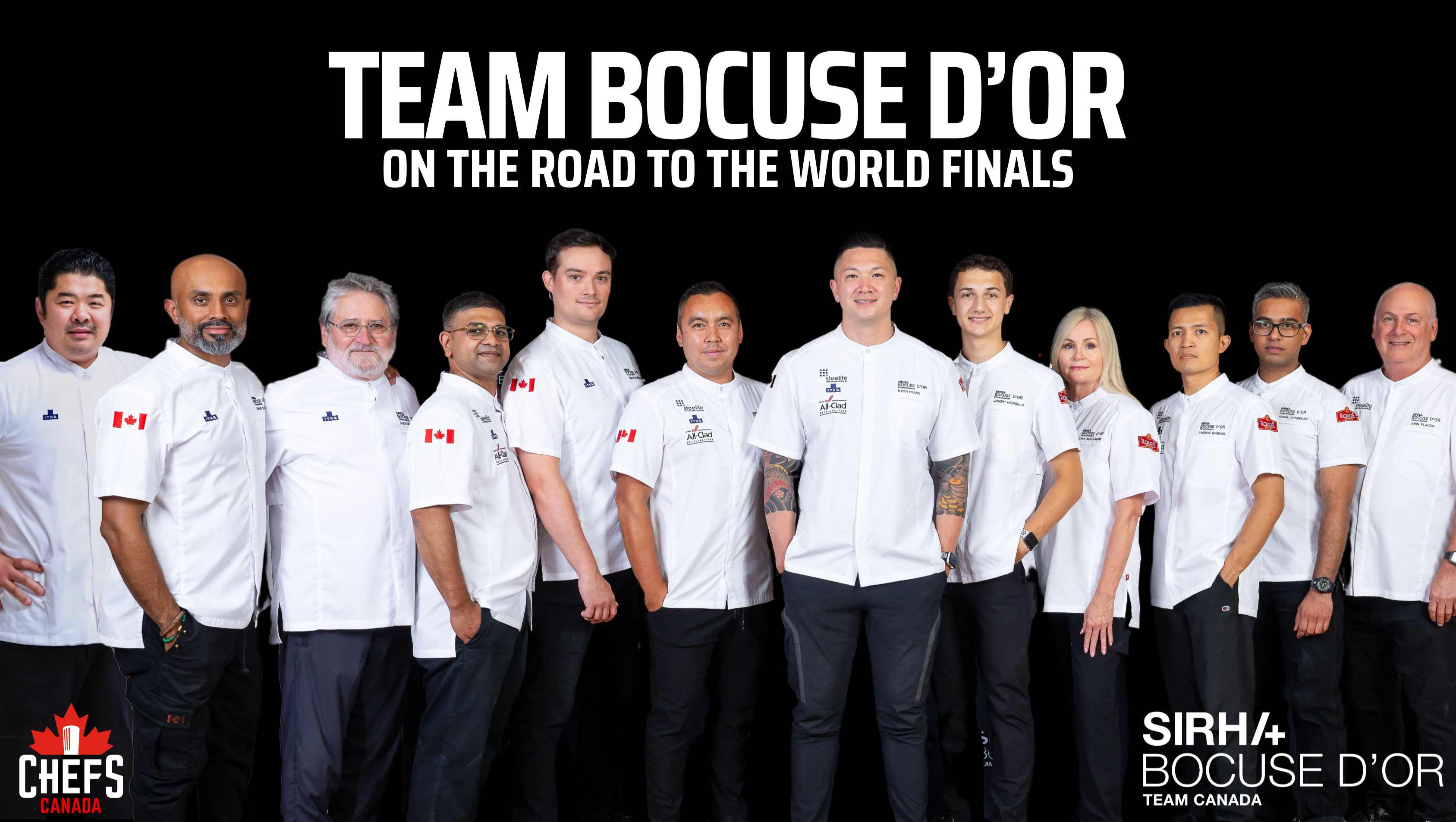
Chefs Canada, on the other hand, often acts as the high-performance "national team" brand. It is the entity responsible for selecting, managing, and promoting the Canadian national culinary teams on the world stage. When you see a chef representing Canada at the Bocuse d'Or or the WorldChefs Congress, they are operating under the umbrella of Chefs Canada. Together, these entities ensure that Canadian culinary talent is nurtured locally and recognized globally.
Professional Certification: The CCC Designation
The most significant contribution of the national organization to a chef's career is the administration of the Certified Chef de Cuisine (CCC) designation. In 2026, the CCC remains the highest professional culinary certification achievable in Canada, recognized as a mark of elite management and technical skill.
The CCC program is not a basic cooking course; it is a rigorous certification for experienced chefs who have already achieved their Red Seal (Journeyperson) status. The national organization manages the curriculum and examinations in partnership with various post-secondary institutions. The certification focuses on five core pillars:
- Advanced Culinary Skills: Mastery of classical and contemporary techniques.
- Management and Leadership: Human resources, team building, and conflict resolution.
- Financial Accountability: Food costing, labor analysis, and P&L management.
- Nutrition and Food Safety: Advanced dietary planning and rigorous sanitation protocols.
- Menu Planning: Strategic development of profitable and innovative culinary offerings.
For a chef in 2026, holding the CCC designation serves as a "masters degree" in the kitchen, often leading to higher-tier executive roles in hotels, resorts, and large-scale corporate dining environments.
Membership Tiers and Eligibility
The national organization is inclusive of the entire career lifespan, from culinary students to retired master chefs. Membership is typically managed through the Culinary Federation’s regional branches (such as CF Vancouver, CF Toronto, or CF Montreal).
1. Active Membership
This tier is for professional chefs and cooks who hold a Red Seal or have equivalent industry experience. Active members have voting rights within the federation and can hold office at the local or national level. This tier is essential for those looking to influence industry policy or mentor the next generation.
2. Junior/Student Membership
Designed for those currently enrolled in a recognized culinary program or those under the age of 25 working in the trade. This tier provides access to scholarships, junior culinary competitions, and mentorship programs that are vital for early career development.
3. Associate Membership
This category is reserved for industry partners, such as food suppliers, equipment manufacturers, and service providers. It allows for a collaborative relationship between the chefs who use the products and the companies that create them.
4. Life and Honorary Membership
Awarded to individuals who have made extraordinary contributions to the Canadian culinary arts over several decades. These members often serve as the "elder statespeople" of the organization, providing historical context and high-level guidance.
Competitive Excellence: Bocuse d’Or and the Culinary Olympics
Chefs Canada plays a pivotal role in maintaining Canada’s reputation on the international competition circuit. Participation in these events is more than just "cooking for medals"; it is a research and development exercise that brings international trends and techniques back to Canadian kitchens.
- The Bocuse d’Or: Often described as the "Culinary World Cup," this biennial competition in Lyon, France, is the ultimate test of individual skill. Chefs Canada manages the grueling national selection process and provides the financial and coaching infrastructure needed for the Canadian candidate to compete against the world’s best.
- The Culinary Olympics (IKA): Held every four years in Germany, this is the largest, oldest, and most diverse international culinary arts competition. The national organization assembles a National Team, a Junior National Team, and often supports regional teams to represent the breadth of Canadian ingredients and talent.
By 2026, the training for these events has become highly technical, involving food scientists, designers, and high-performance coaches, all coordinated through the national headquarters.
Comparing Membership Benefits and Professional Impact
Deciding to join the national organization involves weighing the annual dues against the career-long benefits. The following table outlines how the organization supports different career stages as of 2026.
| Feature | Student/Junior Member | Active Professional | Industry Partner (Associate) |
|---|---|---|---|
| Primary Goal | Skill Acquisition & Mentorship | Leadership & Certification | Networking & Market Insight |
| Key Benefit | Scholarship Eligibility | CCC Designation Access | Brand Exposure to Chefs |
| Competition Access | Young Chef Challenges | National Team Selections | Sponsorship Opportunities |
| Networking Scope | Local Branch Meetings | National & WorldChefs Events | B2B Industry Showcases |
| Advocacy Voice | Indirect (via Mentors) | Direct Voting Rights | Advisory Role |
Industry Advocacy and the 2026 Landscape
Beyond competition and certification, the national chefs organization serves as a critical advocate for the profession. In the current 2026 climate, the organization focuses on several pressing issues:
Labor and Retention: The organization works with federal and provincial governments to address labor shortages by promoting the culinary arts as a viable, long-term professional career rather than a "bridge" job. They advocate for fair wages, mental health support, and improved working conditions across the hospitality sector.
Sustainability and Sourcing: There is a heavy emphasis on the "Culinary Diplomacy" program, which encourages chefs to use Canadian-grown products. By partnering with agricultural boards (such as dairy, beef, and produce associations), the organization ensures that chefs are at the forefront of the sustainable food movement.
Global Connectivity: Through its membership in the World Association of Chefs' Societies (WorldChefs), the Canadian organization ensures that its members have a global passport. A member of the Culinary Federation is recognized as a professional peer in over 100 countries, allowing for international stage (internship) opportunities and knowledge exchanges.
How to Join and Get Involved
Joining the national organization is a localized process. Prospective members should identify their nearest Culinary Federation branch. The application process generally requires:
- Verification of Credentials: Providing proof of Red Seal certification or current enrollment in a culinary school.
- Professional References: Some branches require a recommendation from a current member to ensure the integrity of the professional network.
- Annual Dues: Fees vary by branch but typically range from $100 for students to $300+ for active professionals.
- Commitment to the Code of Ethics: All members must adhere to a professional code that emphasizes integrity, mentorship, and the promotion of Canadian culinary culture.
Once accepted, members are encouraged to attend monthly branch meetings. These gatherings are where the "real" work happens—job leads are shared, local produce is showcased, and chefs discuss the unique challenges of their specific regional market.
Frequently Asked Questions
What is the difference between Red Seal and CCC?
The Red Seal is a government-issued journeyperson certification that confirms you have met the national standard for a competent cook. The Certified Chef de Cuisine (CCC) is a professional designation issued by the Culinary Federation for those who have moved beyond the line and into management, requiring years of post-Red Seal experience and additional examinations.
Can home cooks join Chefs Canada or the Culinary Federation?
Generally, no. These are professional organizations dedicated to those working in the trade or in culinary education. However, the organizations often host public events, such as the National Conference dinners, where the public can experience the work of Canada’s top chefs.
How does the organization support diversity and inclusion?
The national organization has established specific committees to ensure that the leadership and the national teams reflect the diverse makeup of Canada’s kitchens. This includes initiatives for Women in Culinary, Indigenous culinary recognition, and mentorship programs for marginalized youth entering the trade.
Does membership include insurance or legal benefits?
Many local branches offer group insurance rates, including health and dental, and some provide access to legal advice regarding employment contracts. These benefits are often cited as a primary reason for independent chefs and consultants to maintain their membership.
How are the national teams funded?
Funding for the national teams (Chefs Canada) comes from a mix of member dues, government grants for international trade promotion, and corporate sponsorships. Companies like Saputo, Garland, and various commodity boards often provide the financial support necessary for the rigorous training required for global competitions.
Final Recommendation for Culinary Professionals
For any serious culinary professional in Canada in 2026, involvement with the Culinary Federation and Chefs Canada is highly recommended. While the initial draw may be the prestige of the CCC designation or the excitement of international competitions, the long-term value lies in the network. The ability to call upon a peer in another province for staffing advice, supplier recommendations, or kitchen troubleshooting is an invaluable asset that far outweighs the cost of annual membership. If you are looking to move from a "cook" to a "chef" in the fullest sense of the word, the national organization provides the roadmap to get there.
Image Gallery