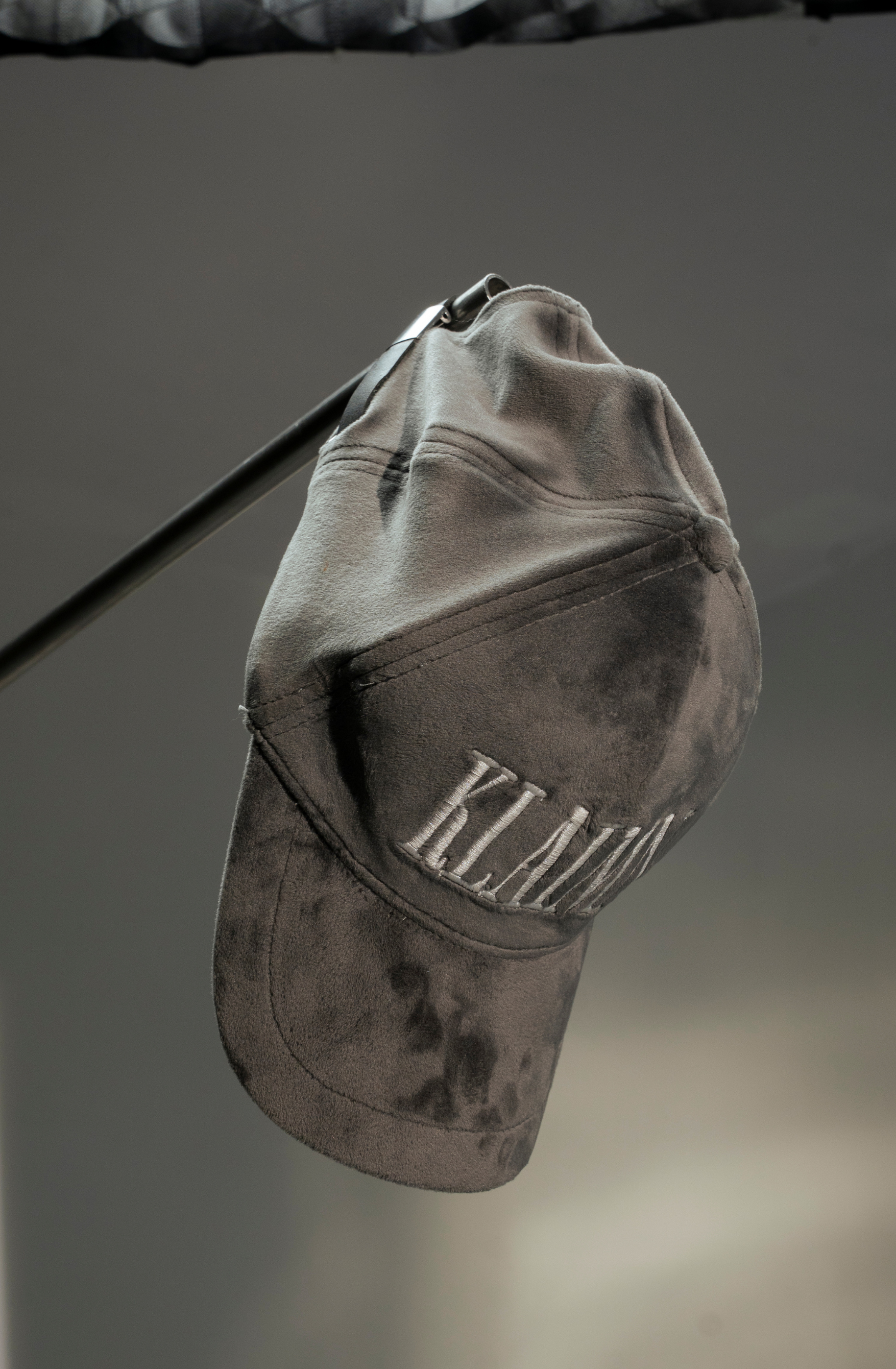
The Origin of Cap in Modern Apparel: Evolution from Function to Fashion
The modern cap originated as a utilitarian necessity—designed for maritime crews, manual laborers, and military personnel to protect against glare, rain, and cold—before transitioning through athletic uniforms into a ubiquitous urban s...
The modern cap originated as a utilitarian necessity—designed for maritime crews, manual laborers, and military personnel to protect against glare, rain, and cold—before transitioning through athletic uniforms into a ubiquitous urban streetwear staple.
Contents
The Utility Roots: 19th-Century Workwear and Maritime Gear
Before the cap became a blank canvas for corporate logos, sports team identities, and luxury streetwear, it was an instrument of survival and occupational utility. In the 19th century, industrialization and maritime trades required headwear that stayed securely on the head during high winds, offered protection from harsh sun and rain, and did not obstruct vision. Wide-brimmed hats, while effective for shade, caught the wind easily and were cumbersome in tight engine rooms, factory floors, and cramped sailing vessels.
This practical challenge gave rise to early precursors like the wool sailor cap, the flat cap, and the pieie cap. These early iterations were constructed from durable, weather-resistant textiles such as heavy wool felt, corduroy, and oiled cotton. They sat close to the head, featured short brims or peaks to shield the eyes without catching the wind, and could be easily folded and tucked into a pocket when not in use. Working-class men across Great Britain, Europe, and North America adopted these designs as standard daily attire. The focus was entirely on durability, warmth, and ease of maintenance, establishing the foundational geometry of the modern cap: a fitted crown joined to a forward-facing visor.
The Athletic Integration: Baseball Caps Take Center Field
The definitive turning point in the history of the cap occurred on the baseball diamond. In the mid-19th century, baseball players wore straw hats or played bareheaded, leaving them vulnerable to blinding stadium sun and foul weather. In 1860, the Brooklyn Excelsiors—an amateur baseball team—introduced a prototype cap featuring a rounded crown and a longer, stiffened visor designed specifically to keep the sun out of players' eyes. This design closely resembles the modern baseball cap architecture we recognize today.
By the early 1900s, baseball caps transitioned from team-specific novelties to standardized athletic equipment. Wool was the primary fabric of choice due to its durability and moisture-management properties, though it retained heat. To combat this, manufacturers introduced embroidered eyelets on the crown panels to improve ventilation during high-intensity play. Teams adopted distinct colors and logos, transforming the cap from a pure sunshade into an emblem of athletic affiliation. The introduction of the adjustable strap in the mid-20th century further democratized the cap, allowing a single size to fit multiple head shapes and accelerating mass consumer adoption outside of professional sports.
| Era | Primary Materials | Dominant Use Case | Key Structural Innovation |
|---|---|---|---|
| Late 19th Century | Wool felt, cotton twill, corduroy | Labor, maritime trades, early baseball | Short structured brims, close-fitting crown panels |
| Mid 20th Century | Wool flannel, buckram lining | Professional baseball, military utility | Stiffened front panels, embroidered eyelets, adjustable straps |
| Late 20th Century | Synthetic mesh, polyester blends | Trucker culture, corporate advertising, streetwear | Plastic snapback closures, foam front panels, high profiles |
| Modern Era | Technical polymers, merino wool, recycled PET | Athletics, luxury fashion, daily lifestyle wear | Moisture-wicking fabrics, laser-cut ventilation, seamless bonding |
The Corporate Billboard and Trucker Cap Evolution
As mass media and television expanded in the mid-20th century, the cap found a new role as a mobile billboard. The birth of the iconic "trucker cap" in the 1970s marked a major shift in materials and distribution. Agricultural supply companies, feed stores, and trucking corporations discovered that inexpensive foam-front caps with mesh backs were cost-effective promotional items to hand out to rural workers and transport drivers.
The mesh back provided superior ventilation in hot working conditions, while the high, rigid foam front panel displayed embroidered or printed company logos with maximum visibility. What began as promotional blue-collar gear soon crossed over into mainstream pop culture. Musicians, skateboarders, and youth subcultures embraced the trucker cap for its unpretentious, anti-establishment aesthetic. This transition proved that the cap could transcend its occupational and athletic origins to become a powerful vehicle for personal style and cultural signaling.
The Streetwear Revolution and High-Fashion Adaptation
In the late 20th and early 21st centuries, the cap shed its working-class and athletic constraints entirely, driven by the explosive growth of hip-hop culture, skatewear, and global streetwear movements. Artists, athletes, and style icons began wearing fitted caps with flat brims left unbent, retaining the original manufacturer stickers as a sign of authenticity and brand loyalty.
This cultural shift caught the attention of luxury fashion houses and high-end designers. Brands that once focused exclusively on tailored suits and silk accessories began collaborating with heritage cap manufacturers to produce limited-edition headwear crafted from premium materials like Italian leather, cashmere, silk, and technical gore-tex. The cap evolved from a functional accessory into a luxury statement piece, featured prominently on international runways and red carpets. Today, the modern cap represents a unique intersection of heritage utility, athletic performance, and high-fashion curation.
Frequently Asked Questions
When was the modern baseball cap invented?
The modern baseball cap prototype traces back to 1860, when the Brooklyn Excelsiors wore an early version featuring a rounded crown and a stiff brim. Standardized team caps became widespread across professional baseball leagues by the early 20th century.
Why do baseball caps have eyelets on top?
The embroidered or metal eyelets on the crown panels are functional ventilation holes designed to release trapped body heat and improve airflow, keeping the wearer cool during physical activity or warm weather.
What is the difference between a trucker cap and a standard baseball cap?
A traditional baseball cap is typically constructed entirely of cotton twill, wool, or performance polyester with closed crown panels. A trucker cap features a foam front panel paired with a breathable plastic mesh back and an adjustable plastic snap closure.
How did the cap become a fashion accessory?
Caps entered mainstream fashion through youth subcultures, skate culture, and hip-hop artists in the late 20th century who integrated athletic and workwear pieces into daily streetwear. This organic adoption eventually led luxury designers to incorporate caps into high-end collections.
Are curved brims or flat brims more traditional?
Curved brims are historically older and derive directly from 19th-century workwear and early baseball caps designed to shield the eyes from the sun. Flat brims gained prominence later through urban streetwear and hip-hop culture, where keeping the brim flat became a signature style choice.
Practical Next Steps for Collectors and Wearers
When selecting a cap for modern daily wear or collection, assess your primary intended use case. For rigorous physical activity, prioritize technical synthetic blends with moisture-wicking sweatbands and laser-cut ventilation. For casual daily wear or streetwear integration, look for structured cotton twill or wool blends with traditional strapback or fitted closures. Always verify material composition labels to ensure durability and proper cleaning compatibility, as machine washing can distort stiffened front buckrams and ruin the shape of structured caps.
Image Gallery