Peer-to-Peer Business Models Explained: A Guide to the Decentralized Economy
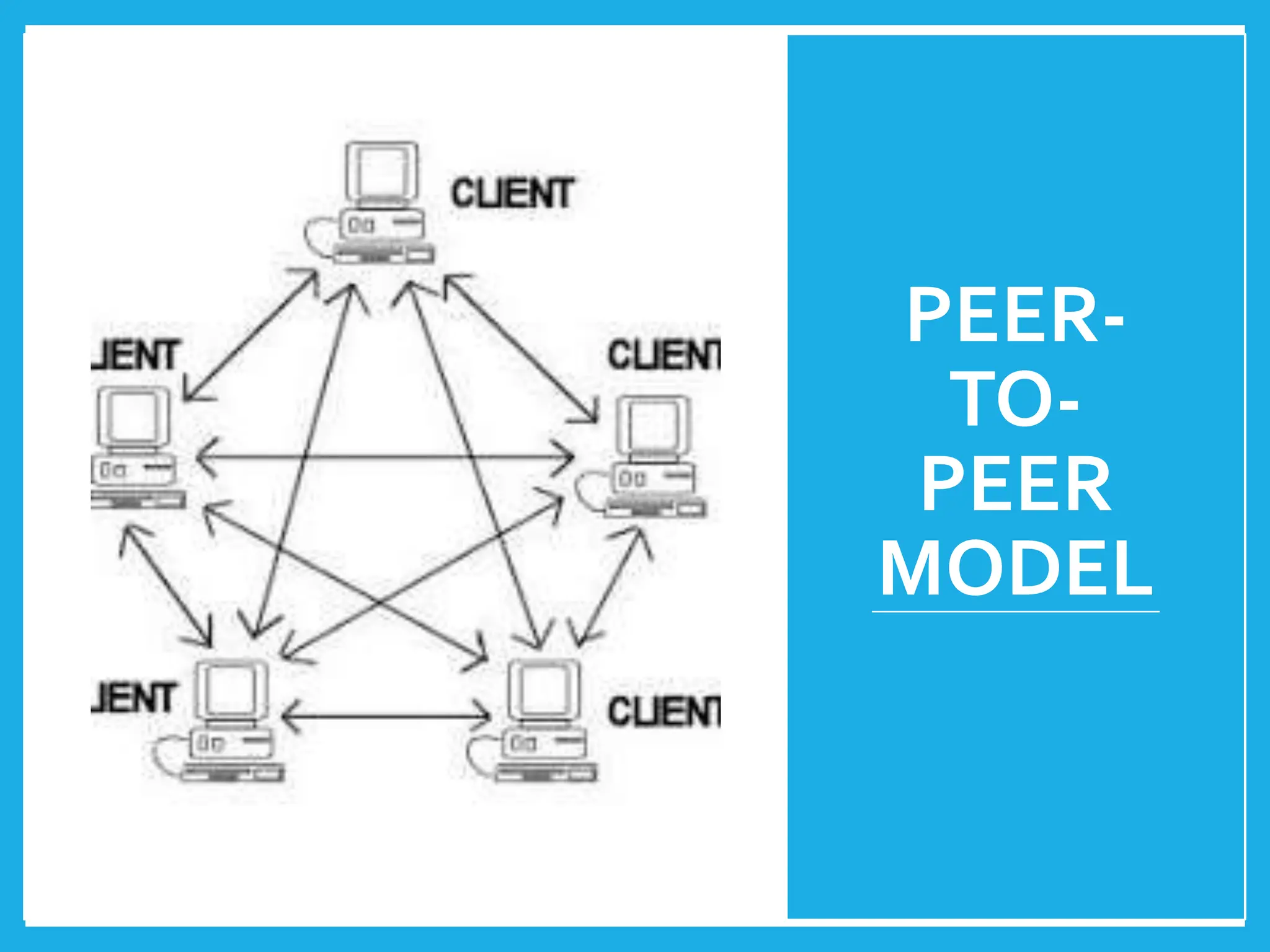
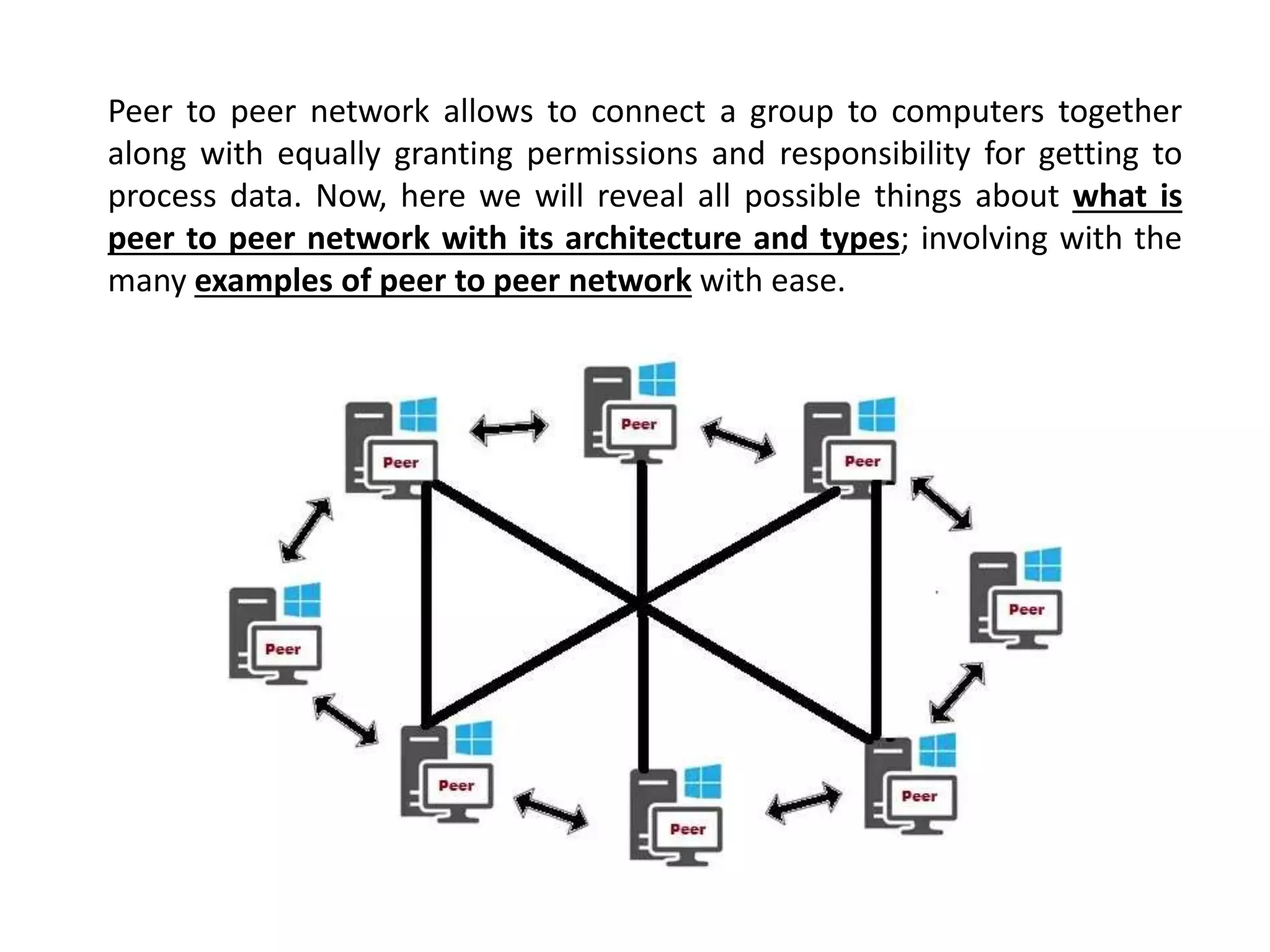
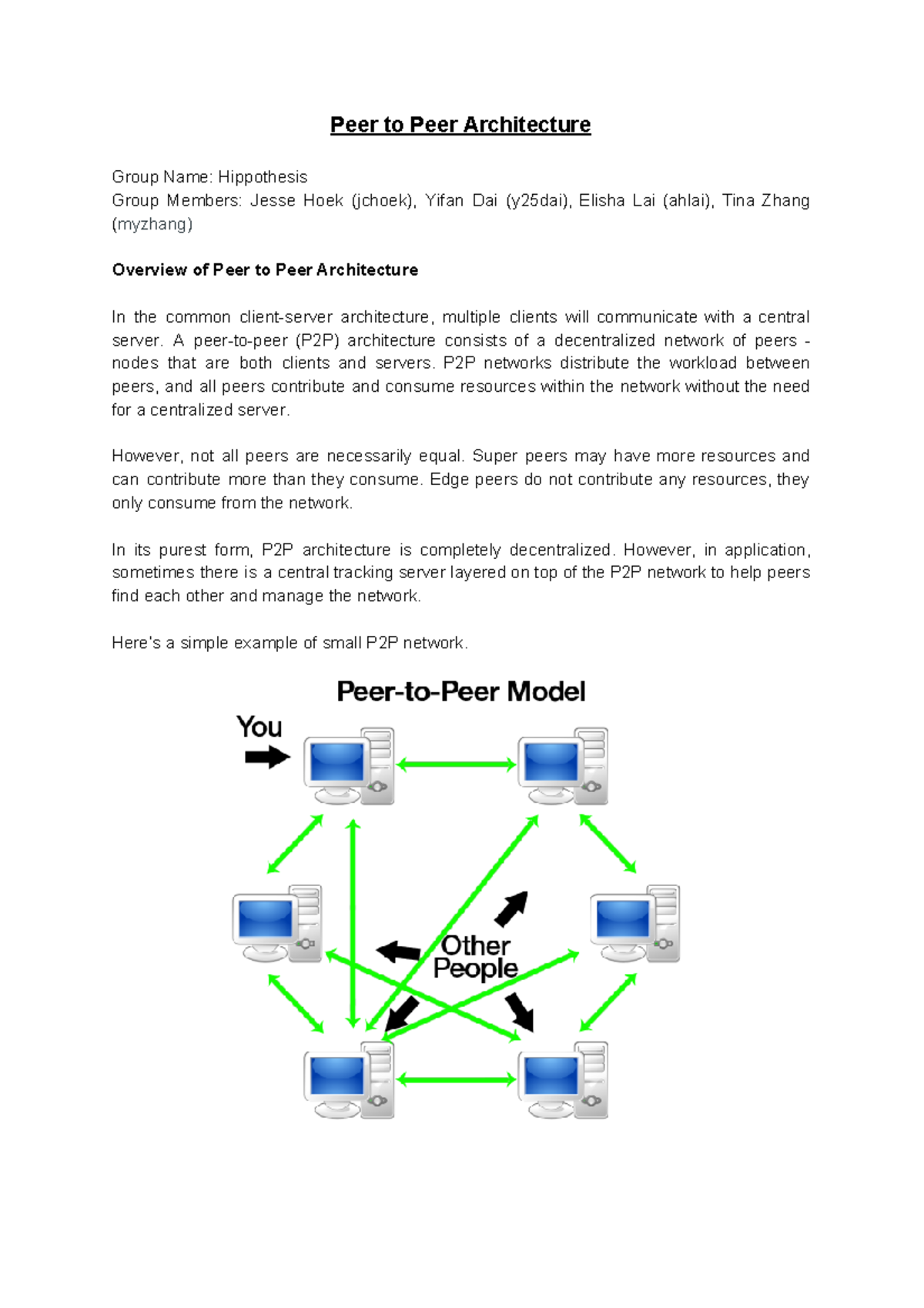
A peer-to-peer (P2P) business model is a decentralized platform where two individuals interact directly to buy, sell, or share goods and services without a traditional intermediary. The company provides the digital infrastructure, trus...
A peer-to-peer (P2P) business model is a decentralized platform where two individuals interact directly to buy, sell, or share goods and services without a traditional intermediary. The company provides the digital infrastructure, trust verification, and payment systems, enabling participants to transact value while the platform takes a fee for facilitating the connection.
Contents
The Architecture of the Peer-to-Peer Model
The peer-to-peer business model functions by shifting the role of a company from a "provider" to a "facilitator." In traditional retail or service models, a company owns inventory or employs staff to deliver value. In a P2P framework, the assets and labor are owned by individual participants. By 2026, this model has matured from simple marketplaces into a complex ecosystem powered by advanced matching algorithms and decentralized verification protocols.
The success of a P2P model relies on a three-sided architecture:
- The Supply Side (Producers): Individuals or small entities who have underutilized assets (cars, spare rooms, tools) or specific skills (coding, graphic design, tutoring).
- The Demand Side (Consumers): Individuals seeking access to goods or services, often at a lower price or with more flexibility than traditional corporate providers offer.
- The Platform (Mediator): The digital interface that manages the discovery, communication, transaction, and dispute resolution processes.
The primary value proposition of a P2P platform is the reduction of transaction costs. By removing the overhead associated with large-scale corporate infrastructure—such as brick-and-mortar stores, massive inventories, and traditional management layers—P2P models offer competitive pricing for consumers and high earning potential for providers.
How Trust is Manufactured in P2P Environments
Because P2P transactions involve strangers interacting directly, the "trust deficit" is the greatest hurdle for these businesses. Successful P2P models solve this through a combination of social proof and technological safeguards.
Reputation Systems and Social Proof
Most platforms utilize bidirectional rating systems. Not only do customers rate providers, but providers also rate customers. This creates a self-regulating community where high-quality participants are rewarded with more visibility, while bad actors are naturally phased out. By 2026, these systems have evolved to include cross-platform reputation scores, where a user's reliability on a ride-sharing app might influence their credibility on a freelance marketplace.
Escrow and Secure Payments
P2P models rarely allow direct cash exchanges between parties. Instead, they utilize escrow services. When a transaction is initiated, the platform holds the consumer's payment. The funds are only released to the provider once the service is confirmed as completed or the product is delivered. This protects both parties from fraud.
Verification and Safety Protocols
Advanced P2P platforms integrate rigorous Know Your Customer (KYC) protocols. This includes government ID verification, background checks (for labor-intensive services), and insurance coverage. For example, modern P2P home-sharing platforms provide comprehensive liability insurance to hosts, mitigating the risk of property damage or injury that a private individual could not afford to cover.
Primary Categories of Peer-to-Peer Business Models
The P2P philosophy has permeated almost every sector of the global economy. While the core mechanics remain the same, the operational requirements vary significantly across industries.
1. The Sharing Economy (Asset Rental)
This is perhaps the most visible application of P2P. Companies like Airbnb and Turo allow individuals to monetize idle assets. The platform handles the booking engine, insurance, and communication, while the asset owner manages the physical delivery. In 2026, this has expanded into niche markets like industrial equipment sharing and private renewable energy grid trading.
2. P2P Lending and Crowdfunding
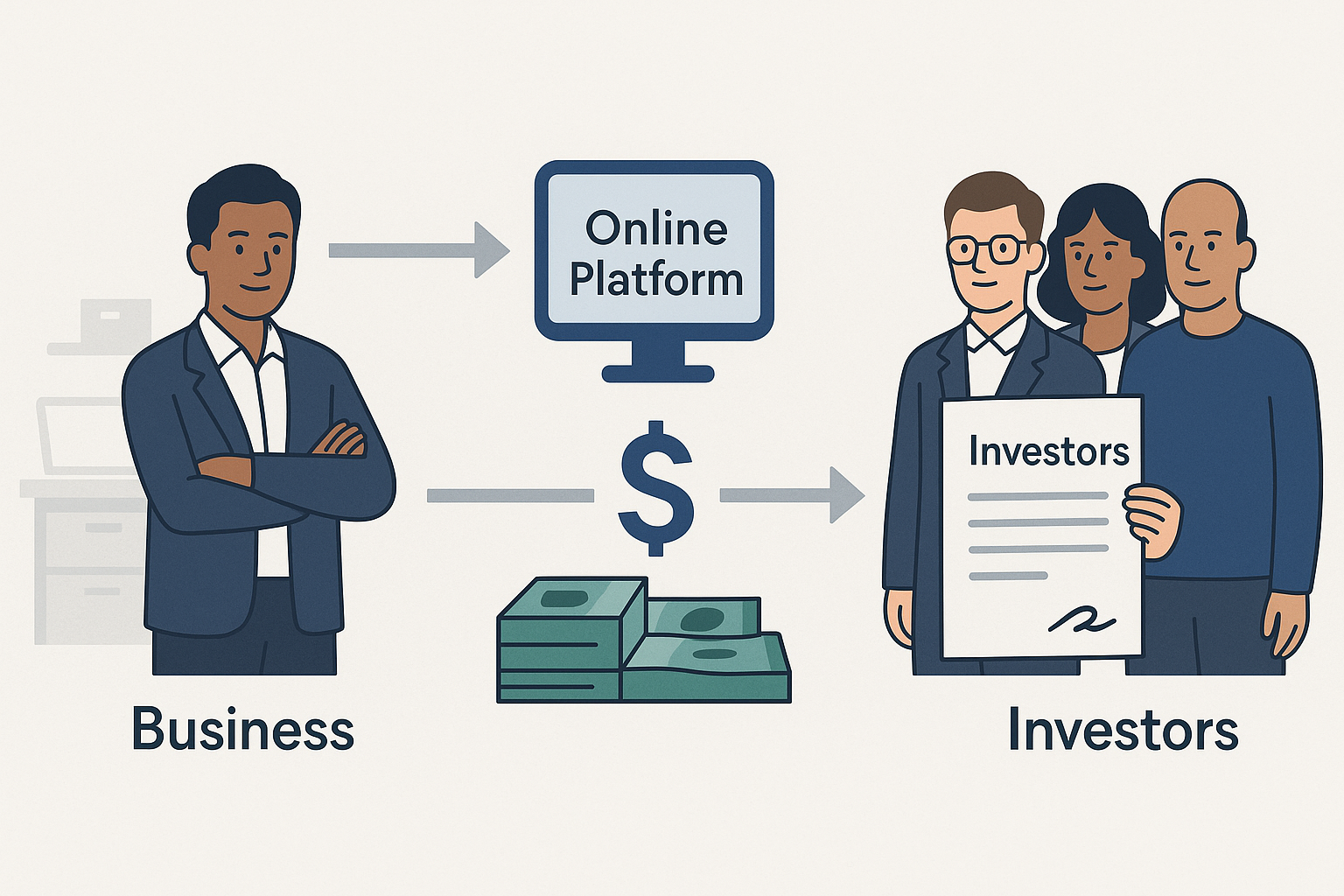
In the financial sector, P2P models bypass traditional banks. Platforms like Prosper or LendingClub connect individual lenders with borrowers. Investors can earn higher interest rates than savings accounts provide, while borrowers can often access capital at lower rates than those offered by credit card companies. Crowdfunding platforms like Kickstarter or Indiegogo are variations of this model, where a "crowd" of peers funds a product or project in exchange for rewards or equity.
3. Freelance and Gig Marketplaces
Marketplaces like Upwork, Fiverr, and TaskRabbit connect independent labor with demand. Unlike traditional employment, the platform does not direct the work; it merely provides the space for negotiation and payment. This model has led to the "gig economy," which offers workers extreme flexibility but also raises questions regarding benefits and long-term financial security.
4. P2P Data and Computing
Beyond physical goods, P2P models facilitate the sharing of digital resources. This includes decentralized cloud storage (where users rent out spare hard drive space) and mesh networks (where users share internet bandwidth). These models often utilize blockchain technology to track micro-transactions and verify data integrity.
Comparison: Traditional vs. Peer-to-Peer Models
To understand why P2P has become so dominant by 2026, it is helpful to compare it directly with the traditional business structures it replaced or augmented.
| Feature | Traditional Business Model | Peer-to-Peer (P2P) Model |
|---|---|---|
| Asset Ownership | Company owns all inventory and equipment. | Participants own assets; platform owns the software. |
| Operational Risk | High; borne entirely by the corporation. | Distributed across individual providers. |
| Scalability | Slow; requires capital for new locations/staff. | Rapid; limited only by user acquisition. |
| Price Control | Set by the company based on costs and margins. | Dynamic; often set by market demand or providers. |
| Relationship | Business-to-Consumer (B2C). | Peer-to-Peer (P2P) facilitated by a platform. |
| Overhead | High (Real estate, inventory, benefits). | Low (Server maintenance, R&D, marketing). |
Revenue Streams for P2P Platforms
Even though the platform does not sell a physical product, it must generate revenue to maintain the infrastructure and reward shareholders. There are four primary ways P2P businesses monetize their ecosystems:
- Transaction Fees: The most common method. The platform takes a percentage (typically 5% to 20%) of every transaction. This aligns the company’s success with the volume of activity on the platform.
- Listing Fees: Some marketplaces charge users a flat fee to list an item or service, regardless of whether it sells. This is common in high-volume environments like eBay or specialized classifieds.
- Premium Memberships: Platforms often offer "freemium" models. While basic use is free, providers can pay a monthly subscription for better search placement, advanced analytics, or lower transaction fees.
- Lead Generation: In service-based models, the platform may charge providers for the right to bid on a specific project or to receive a customer’s contact information.
Regulatory and Ethical Considerations in 2026
As P2P models have scaled, they have faced significant scrutiny from global regulators. The primary tension lies in the classification of "peers." If an individual rents out their car every day, are they a private citizen or a commercial car-rental agency?
Labor Rights: In 2026, many jurisdictions have implemented "third-way" labor laws. These recognize that P2P workers are not traditional employees but deserve protections like minimum wage floors and portable benefit accounts.
Tax Compliance: Governments have increasingly mandated that P2P platforms automatically report earnings to tax authorities. This has ended the "informal economy" advantage that early P2P models enjoyed.
Liability: Who is responsible if a P2P service goes wrong? Platforms are moving away from the "we are just a software company" defense. Courts in 2026 frequently hold platforms liable for safety failures if they did not conduct adequate background checks or maintain robust dispute resolution systems.
The Future: P2P and Decentralized Autonomous Organizations (DAOs)
The logical evolution of the P2P model is the removal of the centralized platform company itself. By 2026, we are seeing the rise of DAOs, where the "platform" is a set of smart contracts on a blockchain. In these models, there is no CEO or corporate office. Decisions are made by token holders, and the fees are distributed directly to the participants or reinvested into the network's code. While still in their early stages for mainstream commerce, these decentralized P2P models represent the next frontier of business efficiency.
Common Mistakes When Building or Using P2P Models
Operating within a P2P framework requires a different mindset than traditional commerce. Both platform owners and participants often fall into specific traps:
- Neglecting Community Moderation: A P2P platform is only as good as its users. If a platform allows toxic behavior or scams to proliferate, legitimate users will migrate to competitors.
- Over-complicating the User Experience: P2P transactions involve high friction (negotiation, scheduling). The platform must make the interface as seamless as possible to compensate.
- Ignoring Local Regulations: Many P2P businesses have been shut down because they failed to account for local zoning, licensing, or insurance laws.
- Underestimating Insurance Needs: Relying on participants' personal insurance is a recipe for disaster. Professional P2P platforms must provide "gap" coverage.
Frequently Asked Questions
What is the difference between P2P and B2C models?
In a Business-to-Consumer (B2C) model, a company sells its own products or services to customers (e.g., Walmart or Netflix). In a P2P model, the company sells the connection between two individuals who trade their own products or services (e.g., eBay or Airbnb).
Are P2P business models safe for consumers?
Generally, yes, provided the platform has robust verification and escrow systems. Consumers should look for platforms that offer "buyer protection" programs and have a high volume of transparent user reviews. However, the risk is inherently higher than buying from a traditional brand because the service delivery is decentralized.
Can a P2P model work for professional services?
Absolutely. By 2026, P2P models have become the standard for legal consulting, medical second opinions, and architectural design. The key is the platform's ability to verify the professional credentials and licenses of the providers.
How do P2P platforms handle disputes?
Most platforms use an internal dispute resolution center. If a buyer and seller cannot agree, a platform moderator reviews the evidence (communication logs, photos, delivery receipts) and makes a binding decision. Some advanced platforms are now using AI or decentralized "jury" systems to resolve these issues.
Is P2P the same as the "Gig Economy"?
The gig economy is a subset of the P2P model. While the gig economy focuses specifically on labor (services), the P2P model also includes the sharing of physical assets (real estate, cars) and financial resources (lending).
Final Recommendation
If you are an entrepreneur looking to launch a P2P platform, prioritize trust infrastructure over feature sets. In the 2026 economy, users have an abundance of choices; they will gravitate toward the platform where they feel safest. For consumers and providers, the best course of action is to diversify your presence across multiple platforms to avoid "platform lock-in" and to ensure you are benefiting from the most competitive fee structures available in the decentralized market.
Image Gallery