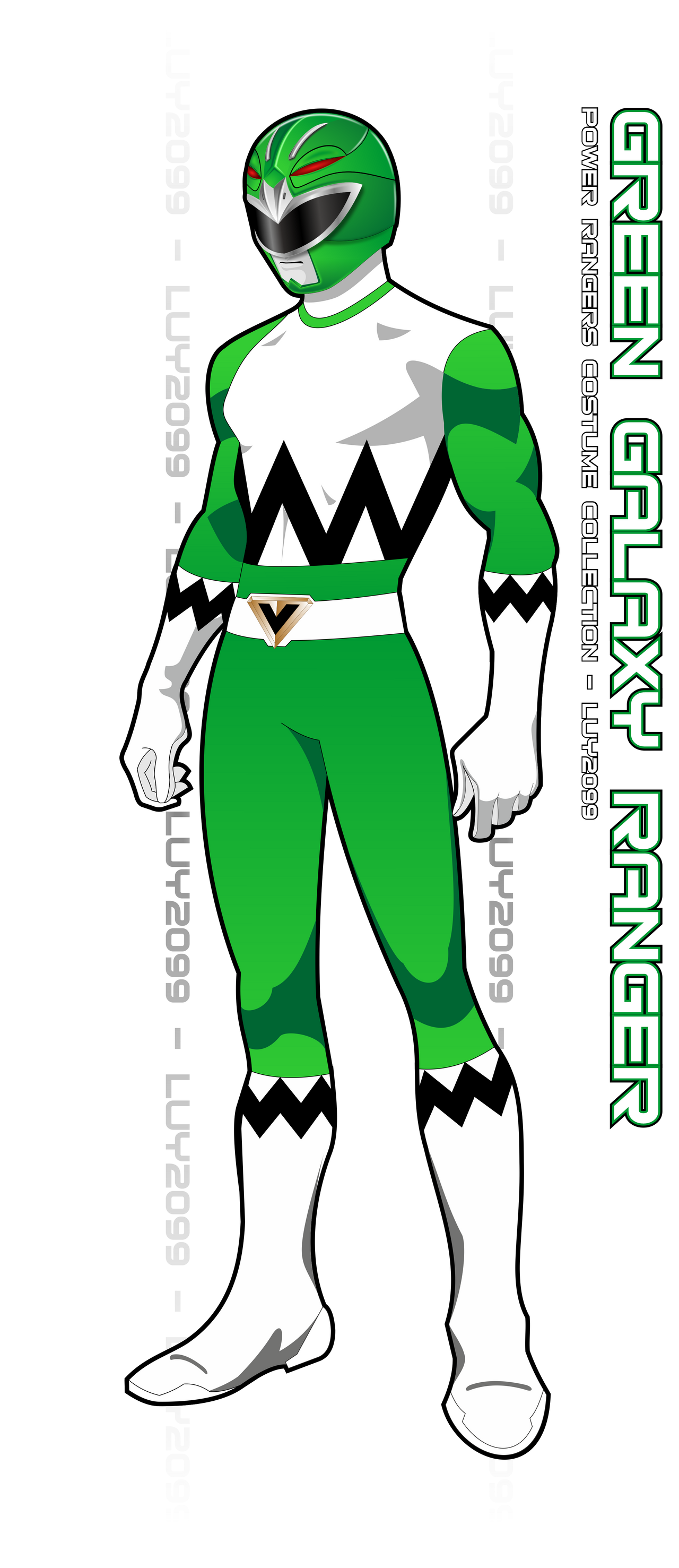
The Narrative and Technical Reasons Why the Green Ranger Lost His Powers
In the original 1993 Mighty Morphin Power Rangers television series, Tommy Oliver—the Green Ranger—lost his powers because the Green Ranger’s Dragon Power Coin was systematically drained of its energy by Rita Repulsa’s sustained magica...
In the original 1993 Mighty Morphin Power Rangers television series, Tommy Oliver—the Green Ranger—lost his powers because the Green Ranger’s Dragon Power Coin was systematically drained of its energy by Rita Repulsa’s sustained magical attacks. As the source of his transformation, the coin’s depletion rendered his connection to the Morphin Grid unstable, eventually resulting in the permanent loss of his combat abilities and the temporary destruction of his Dragonzord.
Contents
The Mechanics of the Morphin Grid and Power Coins
To understand why the Green Ranger lost his powers, one must first look at the established "lore" of the Mighty Morphin Power Rangers universe. In this setting, the Power Rangers derive their superhuman strength, durability, and weaponry from the Morphin Grid—a trans-dimensional energy field. This energy is channeled through physical artifacts known as Power Coins. These coins act as conduits or "keys" that allow human hosts to tap into the grid and manifest their ranger forms.
Tommy Oliver’s status as the Green Ranger was unique. Unlike the other five rangers, whose coins were created by Zordon and Alpha 5 using standard conduits, the Green Ranger’s coin was imbued with dark magic by Rita Repulsa. This created a dual-dependency: while the coin functioned like a standard Power Coin, it was intrinsically linked to the magical influence of its creator. When Rita lost control over Tommy—who had been under an evil spell—she sought to reclaim or destroy the power she had bestowed upon him.
The Erosion of Power: A Systematic Depletion
The loss of the Green Ranger’s powers was not an instantaneous event but a progressive failure caused by external sabotage. Following Tommy’s redemption, Rita Repulsa intensified her efforts to neutralize the threat he posed to her plans.
- Magical Sabotage: Rita utilized various monsters, most notably the Green Candle, to apply targeted magical pressure. In this narrative arc, the Green Candle served as a ritualistic tool that burned away the energy stored within the Dragon Power Coin.
- Environmental Drain: As the candle burned down, Tommy experienced physical fatigue and a noticeable reduction in the potency of his ranger abilities. His strength, reflexes, and the consistency of his Morphin capability fluctuated as the grid connection grew "thin."
- The Final Threshold: Once the candle was fully consumed, the connection between the Dragon Power Coin and the Morphin Grid was severed completely. Because the coin had been physically corrupted by the enchantment of the candle, it could not be "recharged" through conventional means, unlike the other Rangers' coins, which could be restored by Zordon or Alpha 5 if drained by standard enemy attacks.
Historical Context: Behind the Scenes
While the narrative explanation focuses on the Green Candle and Rita’s magic, the real-world production reason for the Green Ranger's temporary depowerment was rooted in the source material used for the show. Mighty Morphin Power Rangers relied heavily on footage from the Japanese Super Sentai series, specifically Kyōryū Sentai Zyuranger.
In Zyuranger, the character equivalent to the Green Ranger (Burai, the DragonRanger) was intended to be a temporary character who eventually died. As the American production team (Saban Entertainment) moved forward, they faced a logistical hurdle: they ran out of high-quality action footage featuring the Green Ranger. To bridge the gap and eventually integrate Tommy as the White Ranger (using footage from Gosei Sentai Dairanger), the writers were forced to write the Green Ranger out of the active lineup. This led to the "Green Candle" arc, which effectively provided an in-universe justification for the lack of new combat footage.
The Impact on Ranger Longevity and Team Dynamics
The loss of the Green Ranger’s powers forced a massive shift in team dynamics. Tommy Oliver was initially the most powerful member of the team, capable of piloting the formidable Dragonzord and engaging enemies independently. His loss left the team vulnerable to larger threats that previously required the Dragonzord’s intervention.
This event also established a trope in the franchise regarding the "sixth ranger" archetype. Often, sixth rangers were introduced with limited power sets or "expiring" energy, creating a sense of urgency and stakes that the core five rangers—whose powers were generally portrayed as more stable—did not always face. The vulnerability of the Green Ranger demonstrated that even the most powerful heroes could be rendered human, provided their specific Power Coin was neutralized.
Comparative Analysis of Power Source Vulnerabilities
| Feature | Core Five Power Coins | Green Ranger Power Coin |
|---|---|---|
| Origin | Created by Zordon/Alpha 5 | Created by Rita Repulsa |
| Recovery | Renewable via Grid recharge | Permanent depletion via Candle |
| Connection | Direct, stable link | Corrupted, unstable link |
| Dependence | Standard energy transfer | Magical tether to Rita |
Frequently Asked Questions
Could the Green Ranger’s powers have been restored after the Green Candle? Under normal circumstances, the Green Ranger's powers were permanently lost because the coin was completely drained and essentially "broken" by the dark magic. However, the franchise established that through advanced technology or Zordon’s intervention—and the use of salvaged energy—Tommy was occasionally able to regain his powers for short durations, though he was never able to sustain them permanently as the Green Ranger again.
Why was the Dragonzord unable to help when the powers were fading? The Dragonzord was linked to the Green Ranger via the Dragon Dagger, which acted as a remote control. As the Green Power Coin lost its charge, the magical feedback loop required to operate the Zord became unsustainable. When the coin’s power hit zero, the Zord essentially entered a dormant, non-responsive state, rendering it unable to engage in combat.
Was the loss of the Green Ranger’s powers intended to be permanent? Yes, from both a narrative and production standpoint, the exit was designed to be permanent to move the character toward the White Ranger transition. The writers needed to retire the Green Ranger identity to justify the costume change necessitated by the reliance on Dairanger footage.
What happened to the Dragon Power Coin after it was drained? After the powers were lost, the Dragon Power Coin remained in Tommy’s possession, though it was dormant. It sat as a reminder of his time as the Green Ranger. In subsequent seasons and crossover events, these relics often surfaced as plot devices, but the original coin never regained its primary utility as an active Morphin tool for consistent team duty.
Strategic Implications for Future Rangers
The lesson learned from the Green Ranger’s experience became a foundational piece of Ranger defense protocol. Later teams prioritized the protection of their power sources above all else. The realization that an external object (the Green Candle) could dictate the fate of a hero served as a critical vulnerability that Zordon and future mentors worked to eliminate from subsequent Zord and Ranger designs.
For those interested in the historical progression of the franchise, the "Green with Evil" and "The Green Candle" story arcs remain the gold standard for how to handle a character’s power evolution. It transitioned Tommy Oliver from a pawn of the antagonist to a hero whose sacrifice solidified his importance to the team, paving the way for his leadership as the White Ranger and beyond.
If you are looking to revisit these events, the early episodes of the 1993 series provide the most accurate look at how these magical constraints functioned. While modern iterations of the franchise have shifted toward more technological or cosmic explanations for Ranger powers, the foundational "magic-infused" limitations of the early nineties remain a unique quirk of the show's lore.
Image Gallery