Understanding the Types of Blizzards at Dairy Queen: A Complete Guide to Flavors and Customization
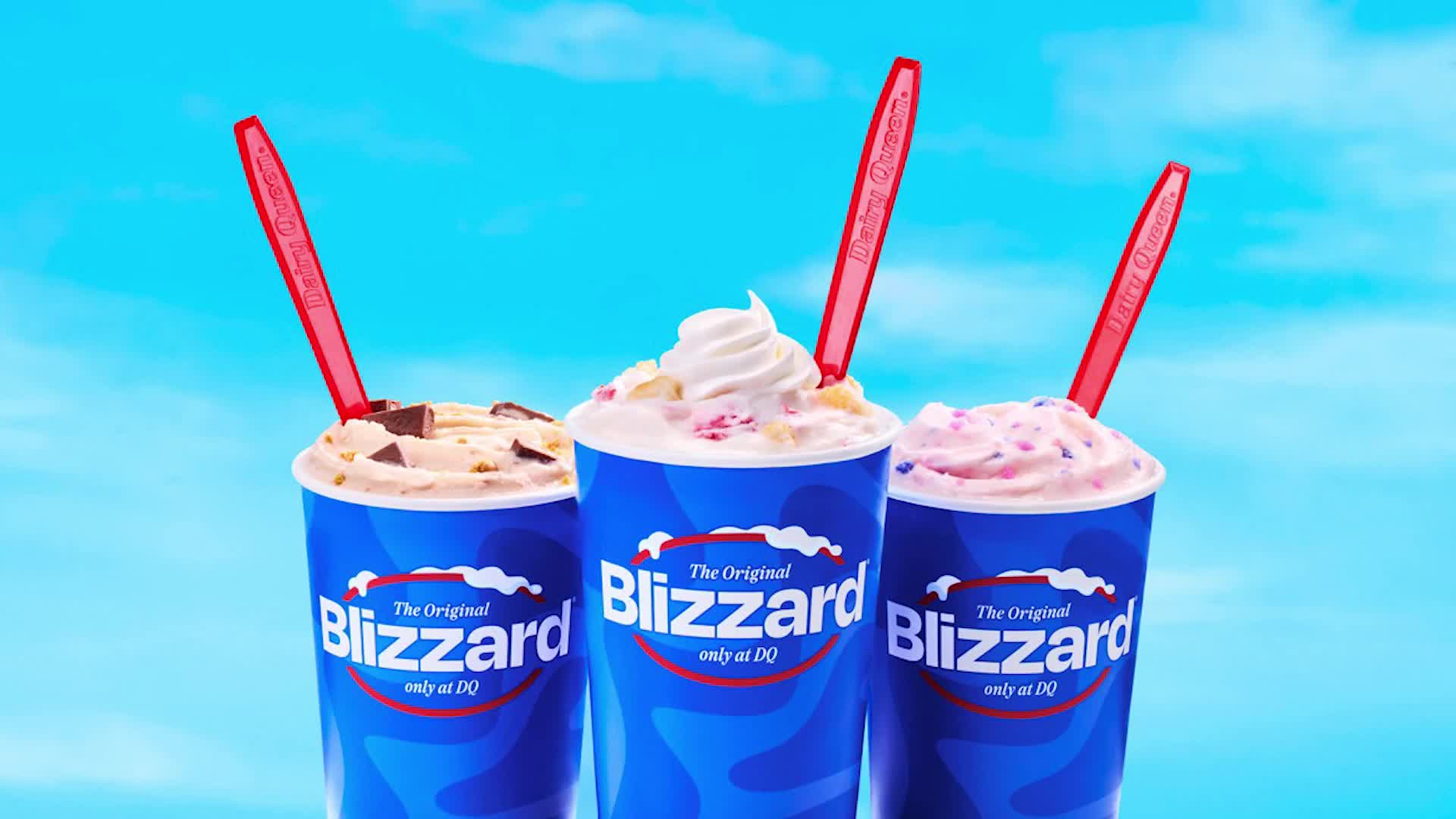
Dairy Queen Blizzards are categorized into five primary types: Candy, Cookie, Fruit, Royal, and Limited-Time Specials. These frozen treats are made by blending high-quality soft serve with specific mix-ins using a high-speed spindle mi...
Dairy Queen Blizzards are categorized into five primary types: Candy, Cookie, Fruit, Royal, and Limited-Time Specials. These frozen treats are made by blending high-quality soft serve with specific mix-ins using a high-speed spindle mixer, creating a thick, aerated texture that allows the treat to be served upside down.
Contents
For over four decades, the Blizzard has remained the flagship product of the Dairy Queen (DQ) franchise. While the fundamental recipe—a combination of mechanized blending and proprietary soft serve—has remained consistent since its national debut in 1985, the variety and complexity of the menu have expanded significantly. In 2026, understanding the Blizzard menu requires more than just picking a flavor; it involves navigating different "cores," texture profiles, and seasonal rotations that define the modern DQ experience.
The Technical Foundation: Soft Serve and the Spindle Process
To understand the different types of Blizzards, one must first understand the medium. Dairy Queen soft serve is distinct from traditional hard-packed ice cream. According to the United States Food and Drug Administration (FDA), for a product to be labeled "ice cream," it must contain at least 10% butterfat. Dairy Queen’s soft serve typically contains approximately 5% butterfat, placing it in the category of "reduced-fat ice cream."
This lower fat content is intentional. It provides a smoother, lighter texture that facilitates the "Blizzard" process. When a customer orders a Blizzard, the "Blizzard Machine"—a high-RPM spindle mixer—incorporates air into the soft serve while simultaneously pulverizing and distributing the mix-ins. This process creates a high-viscosity suspension. The thickness is a result of the specific temperature of the soft serve (usually around 18°F or -8°C) and the aeration achieved during the 10-to-15-second blending cycle.
Primary Categories of Dairy Queen Blizzards
The modern menu is structurally divided into specific categories based on the primary flavor driver. While individual franchise locations may offer variations, the following categories represent the corporate standard as of 2026.
1. Candy Classics
The Candy category relies on branded confectionery products that are shattered into various sizes during the blending process. The cold temperature of the soft serve often alters the texture of the candy, making chocolates snappier and caramels more viscous.
- Reese’s Peanut Butter Cup: Historically the top-selling Blizzard globally, it features chopped peanut butter cups blended into the vanilla base.
- Butterfinger: Known for its "crispy, crunch" texture, the spindle mixer breaks the candy into fine shards that permeate every bite, providing a consistent flavor profile throughout.
- Heath: This variety includes pieces of toffee and milk chocolate. The toffee maintains a high level of hardness even when blended, offering a significant textural contrast to the soft serve.
- M&M’s Milk Chocolate: Unlike the chopped candies, M&M’s are often kept more intact, providing "pops" of chocolate and a colorful aesthetic.
2. Cookie and Brownie Favorites
This category focuses on baked goods. The key technical challenge in this category is maintaining the integrity of the cookie or brownie so it doesn't turn into a homogenous paste.
- Oreo Cheesequake: A hybrid flavor that combines Oreo cookie pieces with real cheesecake chunks. The cheesecake adds a tangy density that balances the sugary cocoa of the cookies.
- Chocolate Chip Cookie Dough: This features specific, pasteurized raw cookie dough nuggets. The dough is formulated to remain soft at freezing temperatures, ensuring it doesn't become unpleasantly hard.
- Brownie Batter: Often a seasonal or specialty item, this uses a rich cocoa-based batter and chewy brownie pieces, creating one of the most "dense" Blizzards on the menu.
3. Royal Blizzards: The "Core" Innovation
Introduced as a premium tier in 2016, the Royal Blizzard changed the architecture of the treat. Instead of just blending ingredients throughout, the Royal Blizzard features a hollowed-out center filled with a distinct topping, such as cold fudge, strawberry topping, or marshmallow creme.
| Royal Flavor | Core Filling | Primary Mix-ins |
|---|---|---|
| Royal Oreo | Cold Fudge | Oreo Cookie Pieces |
| Royal Cheesecake | Strawberry | Cheesecake Pieces |
| Royal Reese's | Peanut Butter | Reese's Cup Pieces |
The construction of a Royal Blizzard requires the technician to blend the base components first, then use a specialized tool or technique to create a "well" in the center before injecting the core filling.
4. Fruit and Nut Varieties
These Blizzards appeal to a demographic looking for classic dessert profiles like sundaes or pies.
- Banana Split: This involves blending fresh banana slices, strawberries, and pineapple with the soft serve. It is technically one of the most difficult Blizzards to keep thick because the water content in the fruit can thin the soft serve if over-blended.
- Turtle Pecan Cluster: A sophisticated mix of pecans, chocolate shavings, and caramel. The pecans provide a savory, fatty crunch that offsets the sweetness of the caramel.
The Role of Seasonal and Limited Time Offers (LTO)
Dairy Queen utilizes a "Blizzard of the Month" strategy to drive seasonal traffic. These types of Blizzards often feature ingredients not found on the permanent menu, such as pumpkin purée in the fall or peppermint bark in the winter.
In 2026, these LTOs have increasingly focused on "nostalgia branding," partnering with snack brands or nostalgic cereal companies to create limited-run flavors. These items are strictly temporary because the inventory (such as specialized sprinkles or syrups) is not part of the core supply chain.
Understanding Sizes and Nutritional Footprint
Dairy Queen offers four standardized sizes for Blizzards. The nutritional profile varies wildly depending on the mix-ins, with candy-based Blizzards generally carrying the highest caloric load due to the added fats and sugars in the candy itself.
- Mini (6 oz): Designed for snack-sized consumption or for children.
- Small (12 oz): The standard "single serving" size.
- Medium (16 oz): Equivalent to a standard pint.
- Large (21 oz): The largest standard offering, often exceeding 1,000 calories depending on the flavor.
According to Dairy Queen’s official nutritional guidelines, a Large Chocolate Chip Cookie Dough Blizzard can exceed 1,300 calories, which is a significant portion of the recommended daily intake for an average adult. Customers seeking lighter options often pivot to fruit-based Minis.
The "Upside Down or It’s Free" Guarantee
The defining characteristic of all Blizzard types is the "Upside Down" test. This marketing campaign, which became a cultural staple, serves as a quality control mechanism. If a Blizzard is served right-side up, the customer is theoretically entitled to a coupon for a free one on their next visit (at participating locations).
The physics behind this are simple: the high-speed blending creates enough air pockets and surface tension—combined with the sub-freezing temperature—to keep the semi-solid mass adhered to the sides of the cup. If the soft serve is too warm or the mix-in ratio is too high in liquid (like excessive syrup), the treat will fail the flip test.
Customization: The "Secret" Menu and Mix-ins
While the menu lists standard types, the Blizzard is highly customizable. Customers are not restricted to the pre-set combinations. Most locations allow for:
- Extra Stuff: For an additional fee, you can double the amount of candy or cookies.
- Substitutions: Replacing the vanilla soft serve base with chocolate soft serve (where available).
- Custom Blends: Combining two existing flavors, such as a "Reese's Oreo" Blizzard.
Technically, any topping used for sundaes—such as hot fudge, marshmallow, peanut butter sauce, or nuts—can be blended into a Blizzard. This flexibility has led to the rise of "secret menu" items, which are simply unofficial combinations popularized by social media.
Comparison of Popular Blizzard Categories
| Category | Primary Texture | Best For... | Customization Tip |
|---|---|---|---|
| Candy | Crunchy/Snap | Traditionalists | Ask for "Extra Cold" fudge. |
| Cookie | Soft/Chewy | Texture lovers | Add a "Core" of marshmallow. |
| Royal | Layered/Creamy | Premium experience | Mix vanilla and chocolate base. |
| Fruit | Smooth/Refreshing | Lighter palate | Add pecans for crunch. |
Frequently Asked Questions
What is the difference between a Blizzard and a Shake?
A shake is made by blending soft serve with milk and flavoring until it reaches a drinkable, liquid consistency. A Blizzard contains no added milk and is blended at a much higher speed with solid mix-ins to maintain a thick, spoonable consistency that defies gravity.
Why is the Blizzard served upside down?
The upside-down service is a proof of quality and consistency. It demonstrates that the soft serve is at the correct temperature and has been blended properly with the right ratio of ingredients. It was a marketing idea introduced by a franchisee in the 1970s that was eventually adopted corporate-wide in 1985.
Are there dairy-free or vegan Blizzard options?
As of 2026, Dairy Queen has introduced various non-dairy alternatives in select markets, typically using a coconut-based or almond-based frozen dessert. However, because the Blizzard requires a specific viscosity to be blended on the spindle, non-dairy versions may have different textures and may not always be eligible for the "upside down" guarantee.
Can I get a Blizzard with chocolate ice cream?
Yes, most Dairy Queen locations allow you to swap the standard vanilla soft serve for chocolate soft serve. This is a common customization for flavors like the "Midnight Oreo" or "Chocolate Extreme."
How many calories are in a typical Blizzard?
Caloric content varies significantly by size and flavor. A Mini can range from 300 to 450 calories, while a Large can range from 900 to over 1,400 calories. Candy-heavy flavors like Reese's or Heath generally sit at the higher end of the spectrum.
Final Recommendation for Customers
When choosing a Blizzard, consider the "texture-to-base" ratio. If you prefer a crunchy experience, the Candy Classics like Heath or Butterfinger are the most reliable. For those who want a multi-dimensional dessert, the Royal Blizzards provide a distinct flavor contrast that standard Blizzards lack. If you are trying a Blizzard for the first time, the Oreo Cookie Blizzard remains the gold standard for its balanced sweetness and iconic status. Always check the "Blizzard of the Month" for unique, non-standard ingredients that offer a break from the permanent menu.
Image Gallery