The Indonesian Island in Eat Pray Love: A Guide to Bali’s Iconic Locations
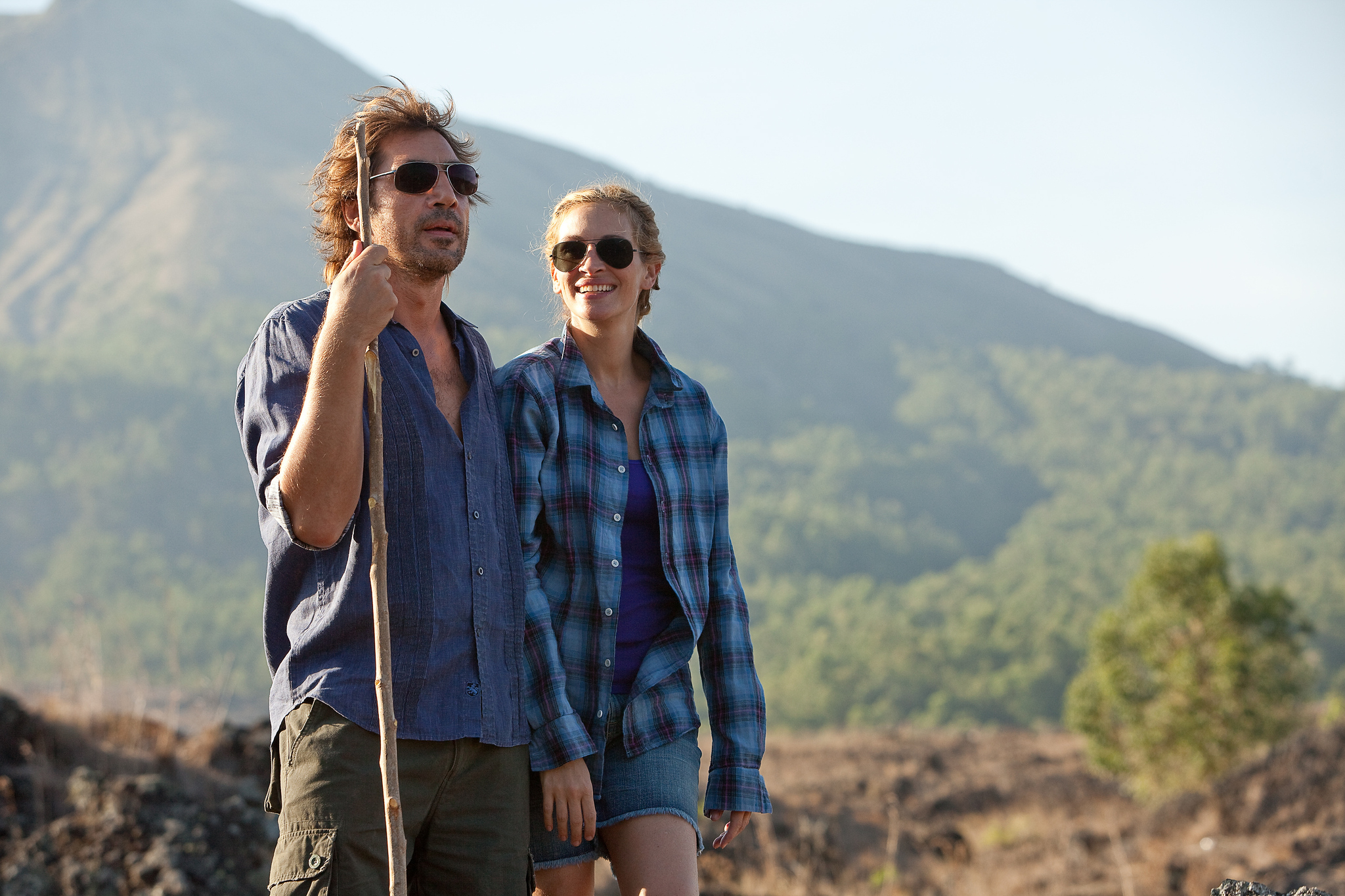
The Indonesian island featured in Elizabeth Gilbert’s bestselling memoir Eat Pray Love—and its 2010 film adaptation starring Julia Roberts—is Bali. Representing the "Love" chapter of Gilbert's year-long journey of self-discovery, Bali...
The Indonesian island featured in Elizabeth Gilbert’s bestselling memoir Eat Pray Love—and its 2010 film adaptation starring Julia Roberts—is Bali. Representing the "Love" chapter of Gilbert's year-long journey of self-discovery, Bali serves as the backdrop where spiritual balance, healing, and romance converge, centered primarily around the town of Ubud and the southern beaches of the Bukit Peninsula.
Contents
Why Bali Served as the Setting for "Love"
In Eat Pray Love, Elizabeth Gilbert structures her journey around three distinct geographic and thematic pillars: Italy for pleasure ("Eat"), India for devotion ("Pray"), and Indonesia for balance and romance ("Love"). Bali was not a random selection; it was the result of a promise Gilbert made to a traditional ninth-generation Balinese medicine man, Ketut Liyer, during an earlier journalistic assignment.
- Italy: Indulgence & Pleasure ("Eat")
- India: Devotion & Austerity ("Pray")
- Bali: Balance & Integration ("Love")
Bali's unique cultural landscape provides the foundation for this final phase. Unlike the rest of Indonesia, which is predominantly Muslim, Bali practices Agama Hindu Dharma (Balinese Hinduism). This localized faith weaves daily ritual, ancestor worship, art, and nature into a single lifestyle focused on Tri Hita Karana—the traditional philosophy of maintaining harmony between human beings, God, and the surrounding environment.
For Gilbert, and subsequently for millions of readers and viewers, Bali represented a space where physical pleasure and spiritual discipline could coexist. The island’s lush inland river valleys, terraced rice paddies, and coastal sanctuaries created an environment conducive to personal reflection, physical recovery, and ultimate emotional openness.
Key Film and Book Locations Across Bali
While Elizabeth Gilbert spent months living in Bali during the early 2000s, the 2010 feature film brought these real-world settings to a global visual audience. The narrative moves between two distinct geographical regions of Bali: the cultural and spiritual heartland of Ubud, located in the central highlands, and the coastal surf breaks of the southern Bukit Peninsula.
1. Ubud and the Cultural Heartland
Ubud serves as the narrative anchor for Gilbert's time in Indonesia. Located roughly 30 kilometers north of Ngurah Rai International Airport, Ubud has long been recognized as Bali’s epicenter for traditional arts, dance, woodcarving, and holistic healing.
- Desa Pengosekan (Ketut Liyer’s Compound): The real-life medicine man Ketut Liyer operated his practice from his family compound in Pengosekan, a village just south of central Ubud. In both the book and movie, Gilbert spends hours daily at this courtyard compound reading palm leaves, transcribing palm-leaf manuscripts (lontar), and learning traditional Balinese philosophy. Following the release of the movie, the compound became a major pilgrimage site for international travelers until Liyer's passing in 2016.
- Wayan Nuriasih’s Healer Practice: Another central figure in Gilbert's journey is Wayan Nuriasih, a traditional Balinese healer and herbalist. Gilbert raised funds from friends back home to help Wayan purchase land and build a permanent house for her family, an arc that highlights the economic realities and community networks of local Balinese residents.
- Tegallalang Rice Terraces and Country Roads: The iconic imagery of Julia Roberts cycling through emerald-green rice fields was filmed around the outskirts of Ubud, primarily near the Tegallalang valley and the quiet backroads of Penestanan. These terraced agricultural structures, known locally as subak, represent a centuries-old UNESCO World Heritage-listed cooperative irrigation system.
2. The Bukit Peninsula and Padang Padang Beach
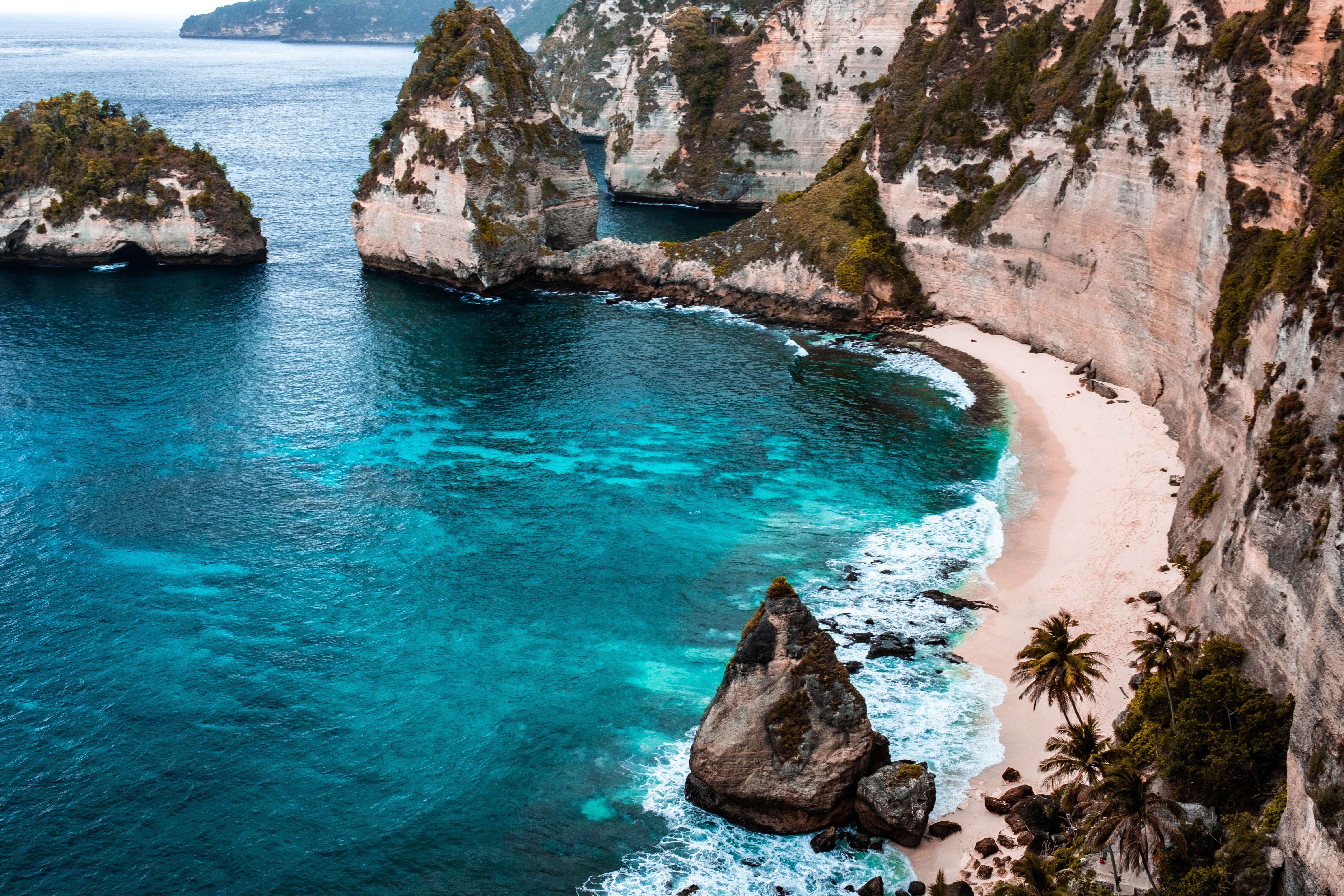
The romantic climax of the story shifts from the quiet river valleys of Ubud to the dramatic limestone cliffs and turquoise waters of South Bali.
- Padang Padang Beach (Labuan Sait): Located on the northwestern coast of the Bukit Peninsula, Padang Padang is a sheltered cove accessed by stepping through a narrow limestone cleft. In the film, this beach serves as the setting for the romantic gatherings and evening celebrations where Gilbert meets Felipe (based on her real-life partner at the time, José Nunes).
- Uluwatu Cliffs: The surrounding coastal scenes showcase the rugged surf breaks of Uluwatu, world-famous among professional surfers and renowned for its ancient cliffside temple, Pura Luhur Uluwatu.
Comparing Movie Fantasy vs. Modern Bali Reality
Travelers visiting Bali seeking the exact atmosphere depicted in Eat Pray Love should prepare for noticeable differences between cinematic romanticism and contemporary infrastructure.
| Movie Depiction | Modern Reality |
|---|---|
| Serene, empty bicycle rides | Heavy scooter and vehicular traffic |
| Isolated, quiet village paths | Thriving commercial tourism & wellness centers |
| Uncrowded, secret beach coves | Popular, high-density tourist locations |
Transport and Mobility
In the movie, Gilbert glides effortlessly on a vintage bicycle along empty, sunlit village roads. In reality, central Ubud and its surrounding hamlets feature steep terrain, narrow roads, and heavy motor vehicle traffic. Motor scooters and private driver hire are the standard methods of transportation across the island. Bicycles are rarely practical for everyday travel outside dedicated rural tour routes.
Commercialization and Growth
The massive success of the book and film accelerated Bali’s transformation into a global destination for wellness tourism, digital nomads, and retreats. Places that were quiet residential villages in 2002 are now dense commercial districts filled with organic cafes, yoga studios, and boutique hotels. While the natural beauty and spiritual infrastructure remain intact, visitors will share these environments with international crowds.
Practical Visitor Guide: Visiting Bali’s Eat Pray Love Sites
Planning a trip to experience the locations associated with the book and movie requires understanding local geography, travel logistics, and administrative requirements.
| Location | Region in Bali | Book/Movie Significance | Key Visitor Considerations |
|---|---|---|---|
| Ubud Center & Market | Gianyar Regency | Primary residence; daily market runs and community life | High foot traffic; best visited early morning (6:00 AM – 8:00 AM) |
| Pengosekan | South Ubud | Home of traditional medicine man Ketut Liyer | Private family compound; respectful behavior required near shrine areas |
| Tegallalang Terraces | North Ubud | Biking backdrops; iconic agricultural scenery | Entrance fees apply; steep stairs require sturdy walking footwear |
| Padang Padang Beach | Badung Regency (Bukit) | Beach parties; location of romantic arc | Entry fee required; tidal conditions affect swimming safety |
| Tirta Empul Temple | Tampaksiring | Spiritual purification and water rituals | Traditional sarong mandatory; strict rules for ritual bathing |
Entry Requirements and Official Logistics
Travelers planning a visit to Bali must satisfy several standard administrative steps established by Indonesian authorities:
- Visa Requirements: Most short-term international tourists require a Visa on Arrival (VoA) or an electronic Visa on Arrival (e-VoA). The e-VoA permits a 30-day stay and can be extended once for an additional 30 days. Applications should be submitted exclusively through the official Indonesian Immigration e-Visa Portal.
- Bali International Tourist Levy: Bali imposes a mandatory tourist tax on incoming foreign visitors (IDR 150,000 per person, roughly equivalent to $10 USD). Payment can be completed online prior to arrival via the official Love Bali Portal.
- Customs Declaration: All arriving passengers must fill out an Electronic Customs Declaration (e-ECD) within 3 days prior to arriving at Ngurah Rai International Airport (DPS).
Climate and Timing
Bali operates on a tropical climate split into two primary seasons:
- Dry Season (April to October): The ideal window for exploring Ubud’s rice fields and South Bali's beaches. Days are generally sunny with lower humidity, making outdoor activity and travel comfortable.
- Wet Season (November to March): Characterized by high humidity and heavy daily downpours. While lush and green, rural walking paths can become muddy, and ocean currents often bring sea debris to western beaches.
How to Experience Sacred and Cultural Tourism Responsibly
Spiritual and cultural tourism in Bali requires awareness of local customs, religious laws (Adat), and environmental challenges.
- Balinese Temple Etiquette
- Physical Attire
- Sarong & Sash Mandatory
- Shoulders Covered
- Footwear Off at Altars
- Conduct & Respect
- Avoid Menstruating Entry
- Never Stand Above Priests
- Silence Phones at Altars
- Physical Attire
Temple Etiquette and Sacred Dress
When visiting temples such as Pura Tirta Empul, Pura Besakih, or localized village sanctuaries, proper attire is mandatory regardless of religious background:
- Sarong and Sash: Visitors must wear a kain sarung (a cloth wrapped around the waist) and a selendang (waist sash). These are usually available for rent at major temple entrances.
- Upper Body Coverage: Shoulders and chest must be covered; tank tops and low-cut shirts are strictly forbidden inside temple grounds.
- Physical Restrictions: In accordance with Balinese religious purity guidelines (sebel), individuals with open wounds, active bleeding, or women who are currently menstruating are asked not to enter temple inner sanctums (Utama Mandala).
Engaging Traditional Healers (Balian)
For visitors interested in experiencing traditional Balinese medicine, it is essential to approach Balian (traditional healers) with cultural respect rather than as a casual tourist attraction:
- Traditional healers serve their local communities first; consultations for foreign tourists are secondary.
- Always present a traditional offering (canang sari) along with an appropriate monetary donation (dana punia) placed inside an envelope, rather than handing cash directly to the practitioner.
- Dress conservatively in traditional Balinese temple attire when visiting a healer's compound.
Frequently Asked Questions
What is the name of the Indonesian island in Eat Pray Love?
The island is Bali, a famous province of Indonesia located in the westernmost part of the Lesser Sunda Islands, situated between Java to the west and Lombok to the east.
Where was the beach scene in Eat Pray Love filmed?
The beach scenes representing Gilbert’s romantic retreat were filmed at Padang Padang Beach (known locally as Pantai Labuan Sait), situated on the northwestern coast of the Bukit Peninsula in South Bali.
Can you still visit Ketut Liyer’s home in Ubud?
Yes, Ketut Liyer’s family compound in Desa Pengosekan, Ubud, remains open to visitors. Although Ketut Liyer passed away in 2016, his family members and son, who continues the family lineage of traditional practice, maintain the compound. Visitors should treat the residence as a private home and sacred space.
How long does Elizabeth Gilbert spend in Bali in the book?
In the memoir, Elizabeth Gilbert spends approximately four months in Bali, which formed the final third of her overall one-year journey through Italy, India, and Indonesia.
What visa is required for tourists traveling to Bali?
Visitors travelling to Bali for leisure generally use the 30-day Visa on Arrival (VoA) or electronic Visa on Arrival (e-VoA). Ensure your passport has at least six months of validity remaining from your date of arrival into Indonesia.
Final Guidance for Travelers
If you are planning a journey inspired by Eat Pray Love, approach Bali with realistic expectations and cultural curiosity. Rather than attempting to replicate Elizabeth Gilbert's exact itinerary, focus on engaging authentically with the island's unique rhythm:
- Split Your Stay: Divide your itinerary between the cultural inland region of Ubud for arts, green landscapes, and wellness, and the coastal communities of the Bukit Peninsula or Candidasa for ocean access.
- Support Local Initiatives: Choose locally owned accommodations (losmen), hire local driver-guides, and shop directly at community markets to ensure tourism revenues directly benefit Balinese families.
- Respect Sacred Norms: Treat daily offerings on sidewalks (canang sari) with care, adhere strictly to temple dress codes, and participate in cultural ceremonies only when invited by local hosts.
By balancing personal exploration with respect for local traditions, you will experience the genuine warmth, natural beauty, and cultural depth that made Bali such a transformative location in Gilbert's story.
Image Gallery