Foundation Leak Repair Norwalk CT: Expert Guide to Residential Waterproofing and Structural Integrity
Addressing a foundation leak in Norwalk, Connecticut, requires a localized approach that accounts for the region's unique coastal geography, high water table, and historical building stock. Homeowners facing water intrusion must priori...
Addressing a foundation leak in Norwalk, Connecticut, requires a localized approach that accounts for the region's unique coastal geography, high water table, and historical building stock. Homeowners facing water intrusion must prioritize professional diagnosis and systematic remediation to prevent long-term structural degradation, mold proliferation, and diminished property values. Effective repair strategies range from simple interior crack injections to complex exterior drainage modifications, depending entirely on the source of the hydrostatic pressure or structural compromise.
Contents
Assessing the Source of Foundation Water Intrusion
Before attempting repairs, homeowners must distinguish between condensation, surface water runoff, and groundwater infiltration. In Norwalk, the proximity to the Long Island Sound often results in elevated water tables that exert persistent hydrostatic pressure on residential foundations.
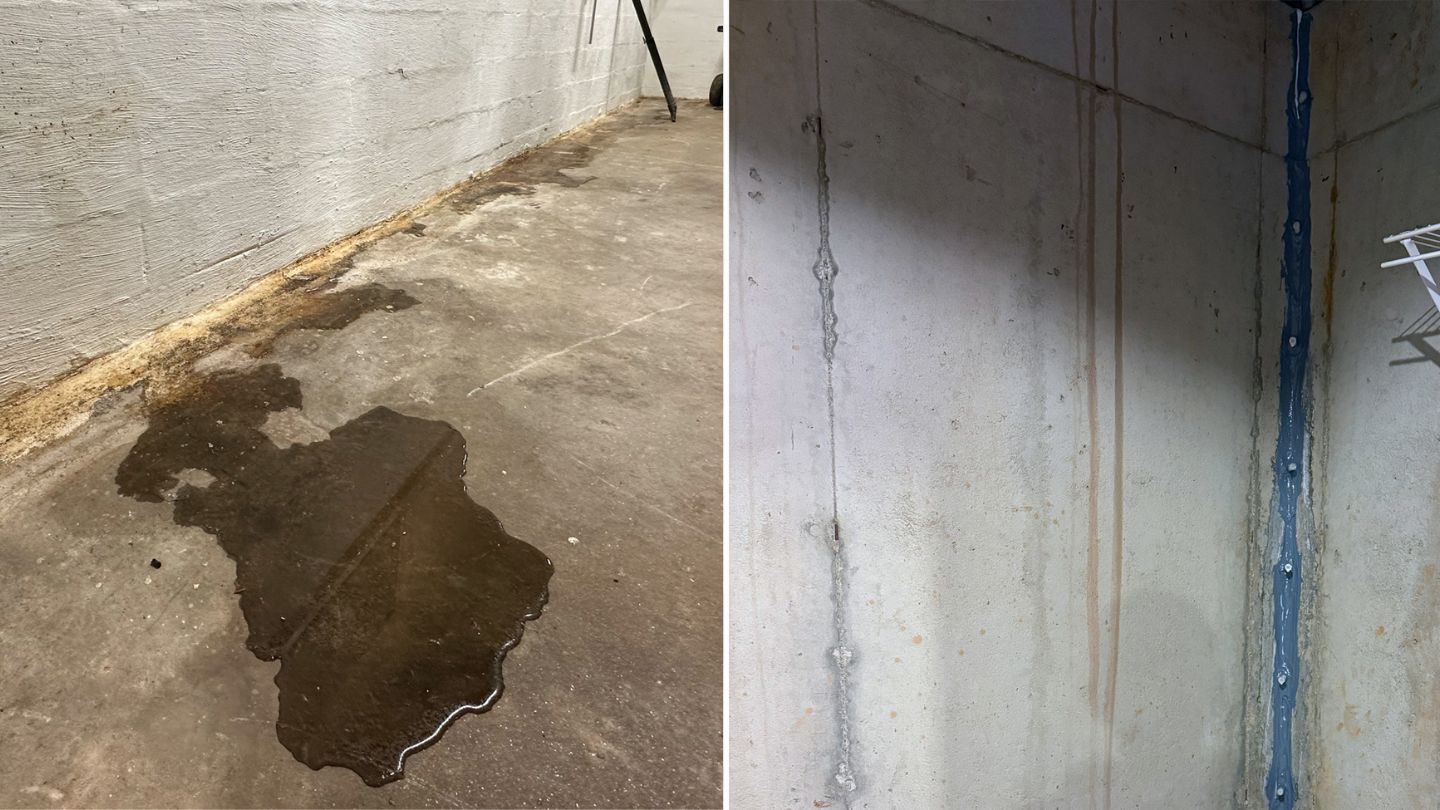
If moisture appears primarily after heavy rainfall, the issue is likely related to improper exterior drainage. Conversely, dampness along floor joints or visible seepage through cracks during periods of high humidity often points to groundwater issues. Identifying the specific entry point is the critical first step. Common indicators of foundation failure include horizontal cracks, which suggest significant lateral earth pressure, or diagonal cracks near corners, which may indicate differential settlement.
Evaluating Repair Methodologies
Not every foundation leak requires the same intervention. The following table summarizes the primary methods utilized by professionals in the Fairfield County area:
| Method | Best Use Case | Primary Benefit |
|---|---|---|
| Polyurethane Injection | Non-structural hairline cracks | Flexible, expands to fill voids |
| Epoxy Injection | Structural cracks in poured concrete | High tensile strength; restores bond |
| Exterior Waterproofing | Chronic groundwater seepage | Stops water before it touches concrete |
| Interior Drain Tile | Rising water table issues | Redirects pressure away from walls |
| Crack Stitching | Large, shifting foundation cracks | Reinforces structural integrity |
The Importance of Exterior Drainage in Norwalk
For many homes in Connecticut, foundation leaks are symptomatic of failures in the site’s drainage infrastructure rather than the foundation wall itself. In areas with significant slope or clay-heavy soil, surface water can pool against the home’s perimeter.
Correcting exterior drainage is often the most cost-effective long-term solution. This includes extending downspouts at least ten feet away from the foundation, grading the soil away from the home at a slope of at least six inches over the first ten feet, and installing French drains where natural runoff is inevitable. By preventing water from accumulating against the masonry, homeowners reduce the hydrostatic load, which effectively stops the "pushing" force that drives water through small fissures.
Understanding Structural vs. Non-Structural Leaks
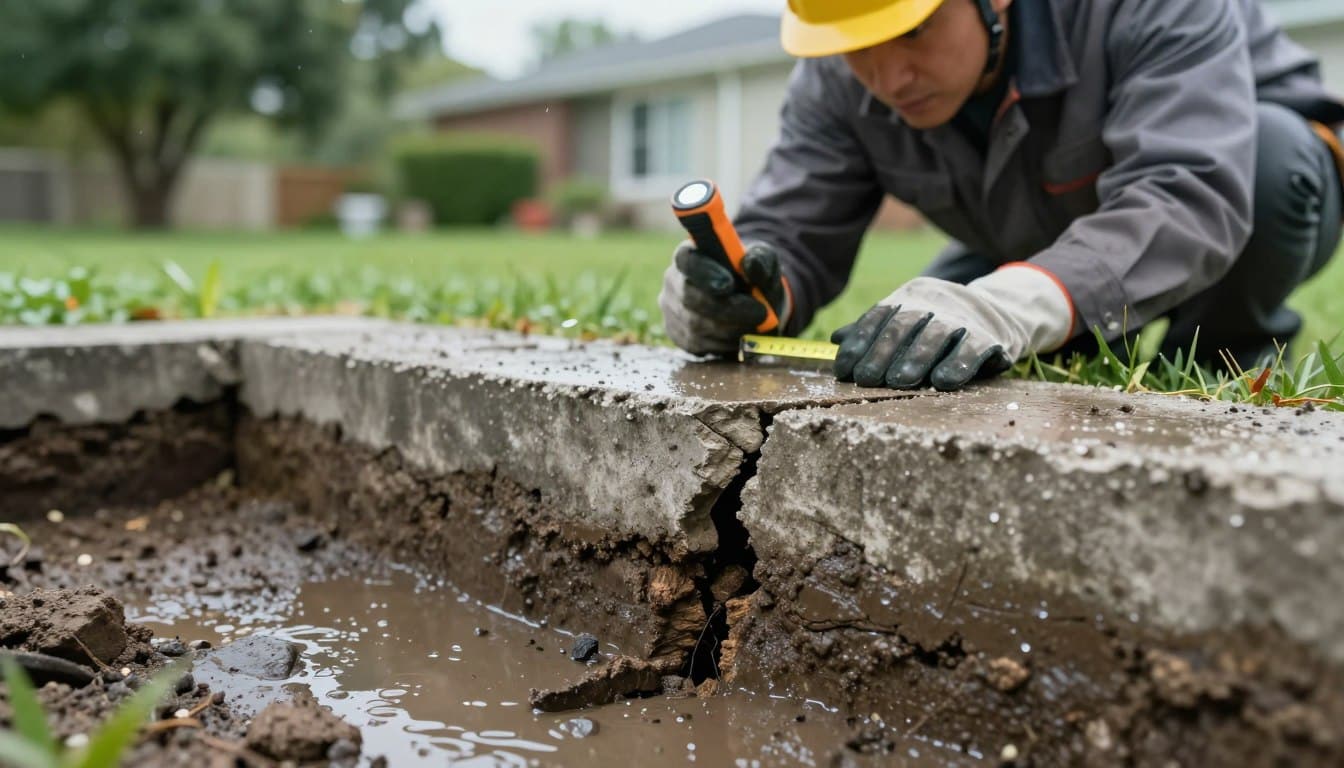
Distinguishing between a leak caused by structural failure and one caused by surface water is vital. A structural leak involves cracks that are widening, changing in length, or showing "offset"—where one side of the crack is deeper than the other. These indicate that the foundation is actively shifting, potentially due to soil erosion or undersized footings. In such cases, mere waterproofing is insufficient. A structural engineer may be required to perform a load-bearing analysis.
If the crack is stable and the masonry is sound, however, the problem is classified as a maintenance issue. Injection-based repairs are typically sufficient here. These products, such as hydrophobic polyurethane, are designed to remain flexible, allowing for the minor expansion and contraction cycles common in New England's climate.
Professional Inspection and Safety Limitations
Foundation work carries inherent risks. Digging deep trenches near a house, commonly known as "underpinning," can inadvertently cause a collapse if not executed with proper shoring and bracing. Furthermore, entering confined spaces like damp crawlspaces poses health risks due to potential black mold, hantavirus from rodents, or compromised air quality.
Homeowners are advised to seek out contractors who are licensed in the state of Connecticut and carry specific liability insurance for foundation or structural work. When obtaining quotes, ask for a detailed description of the materials being used, specifically whether they are rated for subterranean, high-pressure environments. Relying on "quick-fix" hydraulic cements bought at home improvement stores is often a temporary solution that fails within one or two freeze-thaw cycles.
Navigating Local Climate Challenges
Norwalk experiences significant seasonal variance. The ground freezes and thaws throughout the winter and early spring, causing the soil to expand and contract. This "frost heave" is a leading cause of foundation cracks in older colonial or mid-century homes. When scheduling repairs, note that the most effective time to address exterior waterproofing is during the drier months, typically late spring through early autumn, when the water table is lower and excavation is more stable. Attempting exterior foundation excavation during a wet Connecticut spring can lead to site instability and costly delays.
Frequently Asked Questions
How can I tell if my foundation leak is an emergency? Emergency signs include water actively streaming into the basement, sudden shifts in door alignment, or floor joists separating from the sill plate. If you observe these, contact a structural engineer immediately before hiring a waterproofing contractor to ensure the home remains safe to occupy.
Is basement waterproofing covered by homeowners insurance in Connecticut? Typically, no. Most standard homeowners insurance policies in the United States, including those in Norwalk, exclude coverage for "seepage or leakage" and "earth movement." It is generally considered a maintenance expense. Review your specific policy for "water backup" endorsements, though these usually apply to sewer lines rather than foundation leaks.
Can I fix a foundation crack from the inside? Yes, for non-structural leaks, interior injection is highly effective. It is often faster and less expensive than excavating the outside of the home. However, it does not stop the water from being against the wall, meaning it may eventually find a new path through a different crack if exterior pressure remains unaddressed.
How long do foundation repairs last? Professional polyurethane or epoxy injections, when performed correctly in a climate-controlled environment, can last 20 years or more. Exterior drainage systems, such as installed French drains, require periodic maintenance, such as cleaning out gutters and checking drain outlets for debris, to function properly for decades.
What is the role of a structural engineer in this process? A licensed engineer provides an unbiased assessment of the home’s integrity. They can determine if a crack is cosmetic or indicative of a failing foundation and provide a engineered design for repairs that a general contractor can follow. This documentation is invaluable for property resale.
Next Steps for Homeowners
If you have confirmed a foundation leak, do not delay action, as moisture creates a cumulative effect on masonry and internal structural components. Begin by inspecting your exterior gutter and grading systems to ensure no easy fixes are being overlooked. If the problem persists, reach out to a local foundation specialist for an on-site evaluation. When interviewing candidates, prioritize firms that offer a formal, written warranty on their injection or drainage work and are willing to provide references for similar projects in the Norwalk area.
Image Gallery