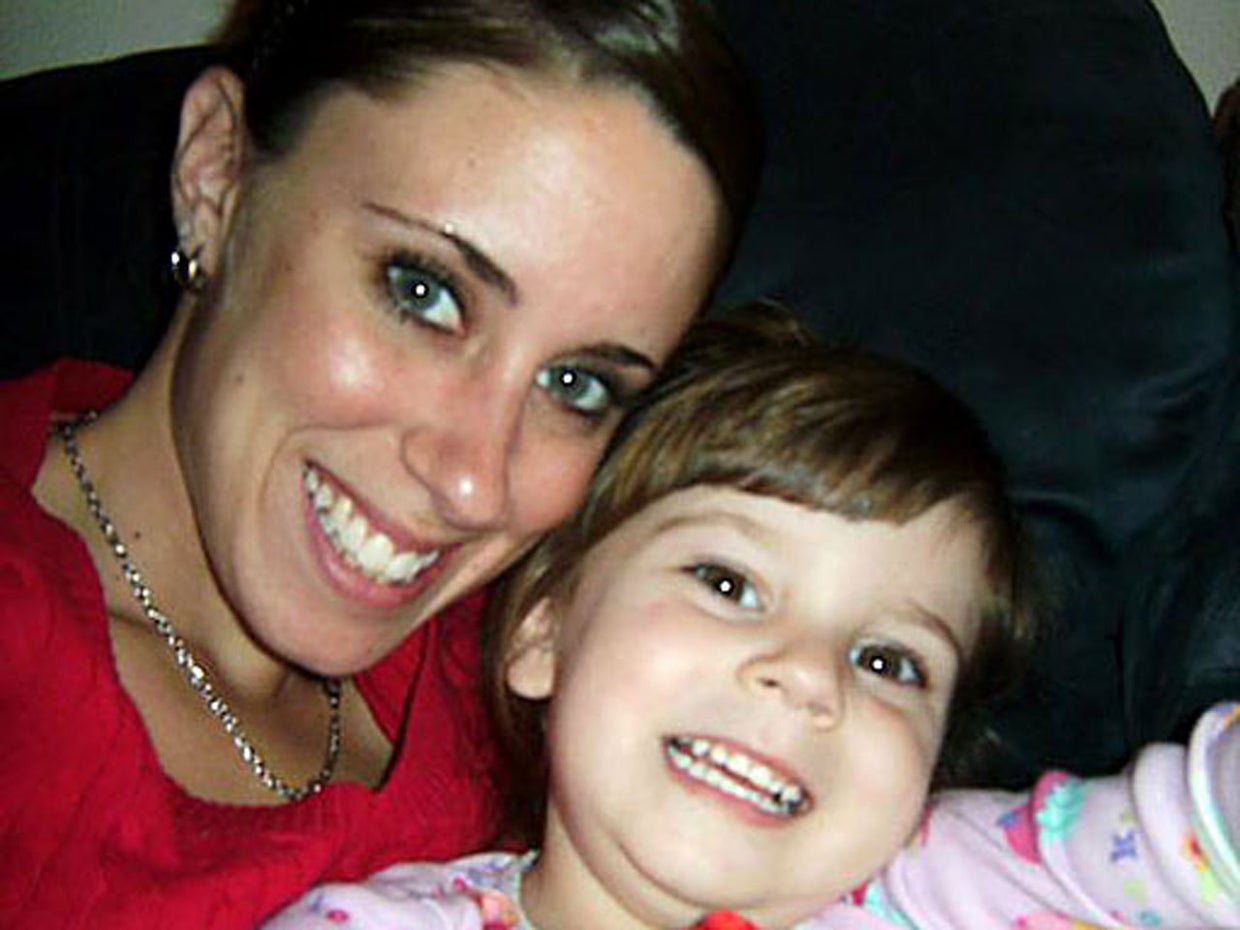
The Murder of Caylee Anthony: A Forensic and Legal Retrospective
The murder of Caylee Anthony refers to the 2008 death of two-year-old Caylee Marie Anthony in Orlando, Florida, a case that became a landmark in American true crime history. Following a high-profile investigation and a 2011 trial that...
The murder of Caylee Anthony refers to the 2008 death of two-year-old Caylee Marie Anthony in Orlando, Florida, a case that became a landmark in American true crime history. Following a high-profile investigation and a 2011 trial that ended in the acquittal of her mother, Casey Anthony, on charges of first-degree murder, the case remains one of the most debated instances of legal proceedings and media influence in the 21st century.
Contents
Timeline of the Investigation and Discovery
The disappearance and subsequent discovery of Caylee Anthony’s remains involved a complex multi-agency investigation. The timeline remains a critical reference point for understanding the evidentiary gaps that shaped the final trial outcome.
| Date | Key Event |
|---|---|
| June 15, 2008 | Date later cited by the prosecution as the day Caylee Anthony was last seen alive. |
| July 15, 2008 | Cindy Anthony, the child’s grandmother, reports Caylee missing after not seeing her for 31 days. |
| July 16, 2008 | Casey Anthony is arrested and charged with child neglect and making false statements. |
| December 11, 2008 | A utility worker discovers skeletal remains in a wooded area near the Anthony family home. |
| December 19, 2008 | Forensic examiners officially identify the remains as those of Caylee Marie Anthony. |
| May 24, 2011 | The trial of Casey Anthony begins in the Ninth Judicial Circuit Court of Florida. |
| July 5, 2011 | A jury finds Casey Anthony not guilty of first-degree murder, aggravated child abuse, and manslaughter. |
Forensic Evidence and Prosecution Strategy
The prosecution, led by State Attorney Lawson Lamar and his team, sought to prove that Casey Anthony used chloroform to sedate her daughter before suffocating her with duct tape. Their strategy relied heavily on circumstantial evidence, as the decomposition of the remains prevented a definitive determination of the exact cause of death.
Key Forensic Elements
- Air Sampling Data: Investigators utilized specialized air testing in the trunk of Casey Anthony’s vehicle, which they claimed indicated the presence of human decomposition markers.
- Computer Searches: Digital forensics revealed that a browser on the family computer had been used to search for the term "chloroform" 84 times in the months preceding the disappearance.
- The Duct Tape: Three strips of duct tape were found near the skull. The prosecution argued these were the weapon of choice, though the defense countered that there was no forensic proof linking the tape to a specific purchase by the defendant.
Defense Strategy: The Reasonable Doubt Framework
The defense team, led by Jose Baez, focused on creating reasonable doubt rather than proving an alternative narrative. By challenging the state’s forensic timeline and the reliability of the evidence, they successfully argued that the prosecution failed to meet the "beyond a reasonable doubt" standard required for a criminal conviction.
The Theory of Accidental Drowning
The defense proposed that Caylee Anthony drowned in the family swimming pool on June 16, 2008. They alleged that George Anthony, the child's grandfather, helped cover up the accidental death to protect his daughter. This theory aimed to explain the emotional distance and erratic behavior displayed by Casey Anthony during the 31-day period before the child was reported missing.
Legal Precedents and Social Impact
The trial of Casey Anthony underscored the profound impact of media saturation on judicial proceedings. The case was dubbed by national media as the "social media trial of the century," marking a shift in how public sentiment interacts with the courtroom.
The Role of Media and Public Opinion
- Information Proliferation: Unlike previous high-profile cases, this trial was broadcast and analyzed in real-time by millions via early social media platforms and 24-hour cable news.
- Juror Sequestration: The extreme public interest forced the court to sequester the jury for the duration of the proceedings to minimize external influence.
- Legislative Shifts: Following the public outcry over the "missing child" reporting window, several states proposed or enacted "Caylee’s Law," which mandates that parents or guardians report the disappearance of a child within a specific timeframe (usually 24 to 48 hours).
Comparative Analysis of Case Theories
The following table highlights the contrasting viewpoints presented during the 2011 trial, which remain central to the discourse in 2026.
| Category | Prosecution Theory | Defense Theory |
|---|---|---|
| Cause of Death | Homicide (Chloroform/Suffocation) | Accidental (Drowning) |
| Motive | Desire for a lifestyle without a child | Fear of punishment/Panic |
| The Role of George Anthony | Not involved | Alleged complicity in cover-up |
| Key Evidence | Trunk decomposition/Search history | Lack of definitive cause of death |
Frequently Asked Questions
What was the final verdict for Casey Anthony?
Casey Anthony was acquitted of first-degree murder, aggravated child abuse, and aggravated manslaughter of a child. She was, however, found guilty of four misdemeanor counts of providing false information to law enforcement.
Was a cause of death ever officially determined?
No. The Orange County Medical Examiner’s Office officially classified the manner of death as "homicide" but could not determine the specific cause due to the advanced state of decomposition of the remains.
How did the prosecution attempt to link the trunk to the death?
The prosecution employed experts who utilized air sampling and chemical analysis to detect high concentrations of chloroform and fatty acids consistent with human decomposition in the trunk of the vehicle owned by Casey Anthony.
Why was the defense’s "accidental drowning" theory significant?
It provided a plausible, albeit unproven, explanation for the child’s death that did not require the jury to believe that the mother had committed a premeditated murder, thereby injecting enough reasonable doubt to result in an acquittal on the most serious charges.
What is the current status of the Caylee Anthony case?
As of 2026, the case is considered legally closed. While various documentaries and investigative series continue to revisit the evidence, there have been no new criminal developments or credible evidence introduced since the 2011 verdict.
Critical Considerations for Researchers
For those reviewing this case for academic or legal research, it is essential to distinguish between official trial transcripts and media speculation. The 2011 verdict stands as a definitive point in the American legal record, regardless of subsequent public theories. Practitioners in forensic science often cite this case as a prime example of the limitations of environmental evidence in long-term decomposition scenarios.
Image Gallery