Understanding the Largest Pore: Anatomy, Function, and Dermatological Reality
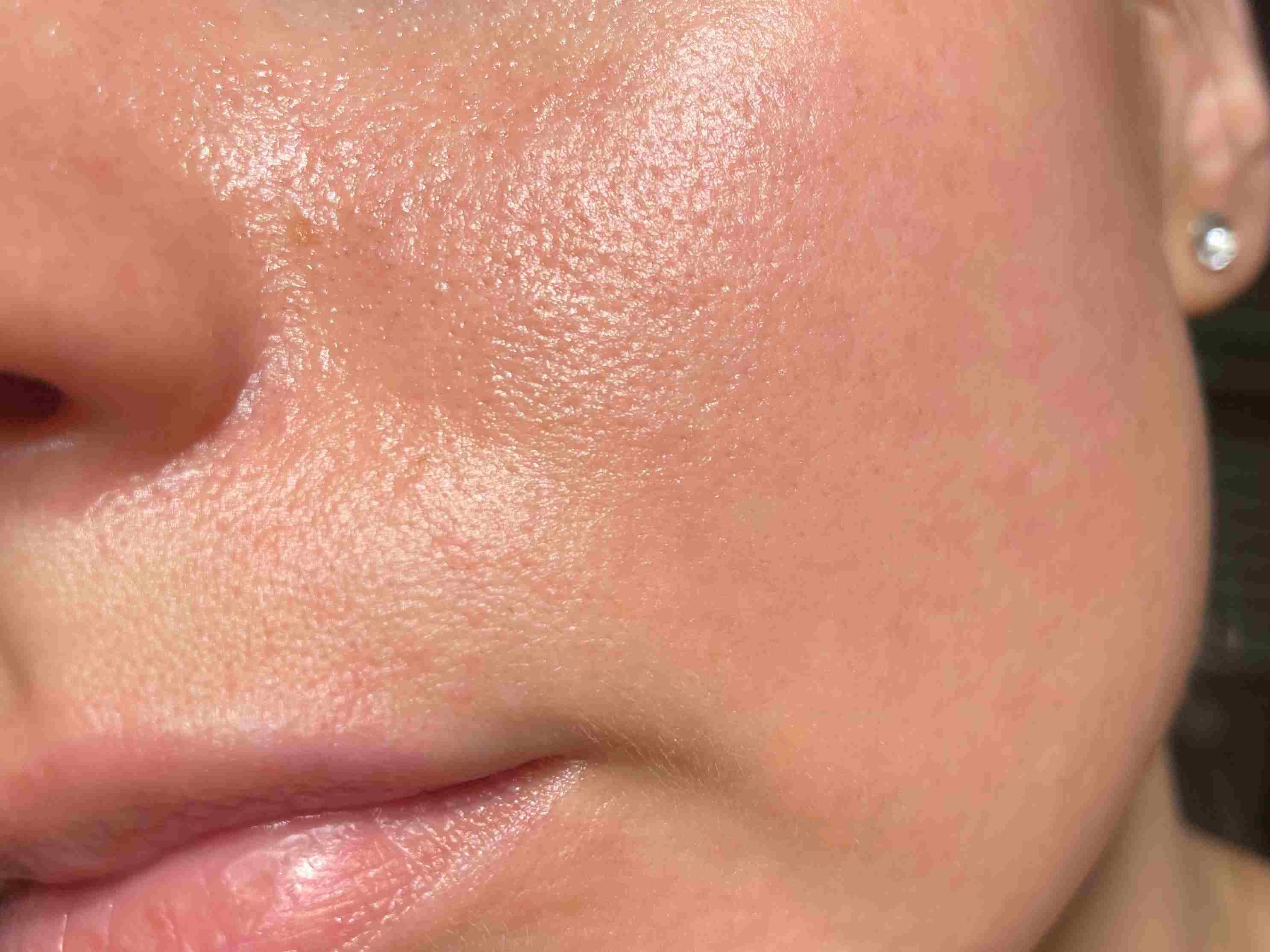
The term "largest pore" is often a misnomer used by individuals concerned about noticeable skin texture; in human anatomy, pores are microscopic openings of hair follicles. While individual follicle size is genetically determined and c...
The term "largest pore" is often a misnomer used by individuals concerned about noticeable skin texture; in human anatomy, pores are microscopic openings of hair follicles. While individual follicle size is genetically determined and cannot be permanently shrunk, advanced 2026 dermatological treatments can improve the appearance of enlarged pores through structural support and surface refinement.
Contents
The Anatomy and Physiology of Dermal Pores
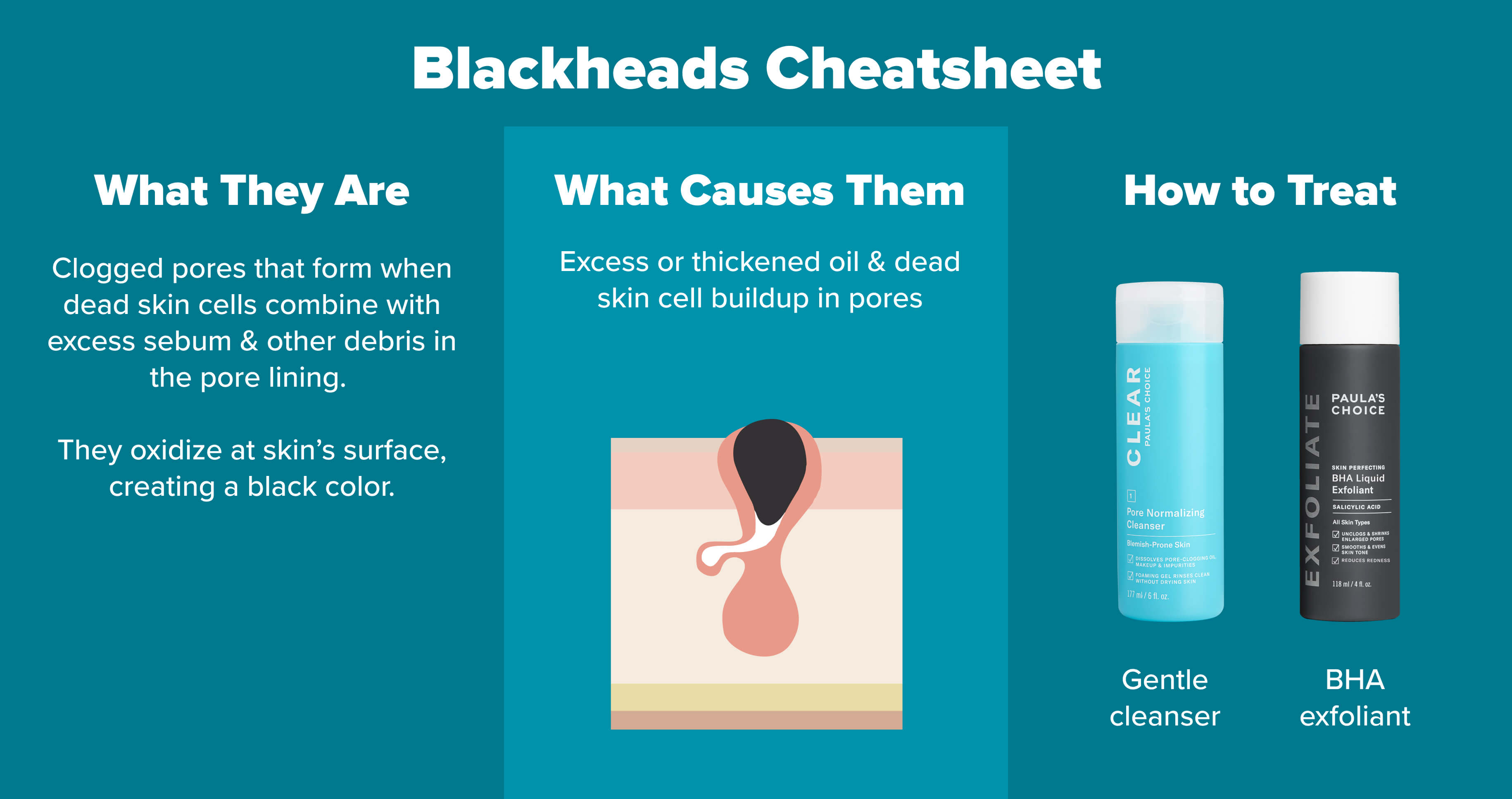
To understand why some pores appear larger than others, one must first recognize that pores are not holes that open and close. They are the visible openings of the pilosebaceous unit—a structure consisting of a hair follicle and a sebaceous gland. The size of these openings is largely dictated by the volume of sebum produced and the elasticity of the surrounding skin tissue.
In 2026, clinical dermatology classifies the visibility of these structures based on several immutable factors:
- Genetics: The inherent size of your pores is determined by your DNA. Individuals with naturally oilier skin often possess larger sebaceous glands, necessitating larger follicular openings to transport sebum to the surface.
- Age and Collagen Degradation: As skin ages, the structural proteins, specifically collagen and elastin, begin to degrade. This loss of support causes the skin to sag around the follicle, making the pore appear significantly more dilated or "stretched."
- Sun Damage: Chronic exposure to UV radiation accelerates the breakdown of dermal matrix components. This leads to a loss of skin firmness, causing the pore walls to collapse and appear more prominent to the naked eye.
Distinguishing Between Clogged Pores and Natural Dilation
A common misconception is that a pore that appears "large" is inherently damaged or diseased. In reality, most concerns regarding pore size stem from the presence of comedones—plugs of sebum, dead skin cells, and debris.
When a follicle becomes obstructed, the accumulated material exerts pressure on the follicular wall. Over time, this chronic distention can lead to permanent stretching of the pore opening. Managing this requires a multi-faceted approach centered on sebum regulation and cell turnover.
Comparative Analysis of Pore Management Strategies
The following table evaluates standard clinical and topical interventions used by dermatologists in 2026 to manage the appearance of enlarged pores.
| Intervention Method | Mechanism of Action | Effectiveness | Downtime |
|---|---|---|---|
| Topical Retinoids | Accelerates cell turnover | High (Long-term) | Minimal |
| Chemical Peels (Salicylic) | Dissolves follicular debris | Moderate | Low |
| Fractional Laser (1550nm) | Induces collagen remodeling | High | Moderate |
| Microneedling (RF) | Structural tissue tightening | High | 2-4 Days |
| Niacinamide (Topical) | Regulates sebum production | Low-Moderate | None |
Advanced Dermatological Solutions for 2026
If the goal is to refine the texture of the skin, contemporary aesthetics emphasize procedures that stimulate the body's natural healing response. As of 2026, Radiofrequency (RF) Microneedling remains the gold standard for treating the structural causes of enlarged pores.
Collagen Induction Therapy
By creating controlled micro-injuries in the dermis, the skin is forced to produce new collagen. As the skin heals and strengthens, the density of the surrounding tissue increases, providing tighter support for the follicular openings. This effectively reduces the visual impact of the "largest pore" areas, such as the nose and medial cheeks.
Topical Maintenance Protocols
For patients seeking non-procedural improvements, 2026 clinical standards prioritize the use of stabilized retinol derivatives and salicylic acid (BHA). Salicylic acid is uniquely suited for pore management because it is lipophilic, meaning it can penetrate deep into the sebum-filled follicle to break down the hardened debris that prevents the pore from appearing tight and clear.
Common Misconceptions Regarding Pore Health
Many consumer products marketed as "pore shrinkers" fail because they do not address the biological reality of the skin. It is essential to approach skincare with an understanding of what is chemically possible.
The Pore Size Myth
Pores Do Not Have Muscles Unlike skin cells or sweat glands, pores do not possess muscular tissue. Consequently, they cannot open or close in response to steam, cold water, or topical toners. Any visual change noted after using these methods is usually the result of temporary swelling or surface-level vasoconstriction, which reverses quickly.
Frequently Asked Questions
Can I permanently shrink my largest pores? You cannot permanently change the genetic size of your follicles. However, you can significantly reduce their appearance by preventing blockages and maintaining skin elasticity through professional collagen-stimulating treatments and consistent chemical exfoliation.
Does washing my face more often help reduce pore size? Excessive washing can strip the skin of essential lipids, leading to a damaged moisture barrier. This causes the skin to compensate by producing more oil, which can actually make pores appear larger and more congested. Stick to a gentle, twice-daily cleansing routine.
Are blackheads the same as enlarged pores? No, blackheads are a symptom of a clogged pore. An enlarged pore is a structural state where the follicle has become dilated, whereas a blackhead is the visible oxidation of keratin and sebum within that space.
What is the best ingredient for minimizing the look of pores? In 2026, Retinoids remain the most effective long-term ingredient for skin remodeling. When combined with BHA for active clearing, they offer the most comprehensive approach to refining surface texture.
Are medical-grade facials effective for pore reduction? Professional extractions performed by a licensed aesthetician can clear existing blockages, which instantly makes the pore look smaller. However, this is a temporary fix that must be supported by a home maintenance plan to be effective.
Practical Strategy for Long-Term Skin Texture Improvement
- Diagnosis: Consult a board-certified dermatologist to determine if your pore size is primarily due to excess oil (seborrhea) or age-related elasticity loss.
- Exfoliation: Incorporate a 2% salicylic acid treatment into your evening routine to keep follicles clear of debris.
- Protection: Apply a broad-spectrum SPF 50 daily. Sun damage is the primary cause of accelerated pore dilation due to elastin degradation.
- Resurfacing: Evaluate professional RF microneedling treatments for significant structural improvement if topical products fail to yield results after a 12-week trial period.
- Patience: Structural changes in the skin require at least one complete cell turnover cycle, typically 28 to 45 days, before visual results become apparent.
For those struggling with persistent skin texture concerns, schedule a consultation with a dermatology specialist to develop a personalized treatment plan tailored to your specific skin type and health history.
Image Gallery