Decoding News Leader 9 Unpacked: What It Means and Why It Matters
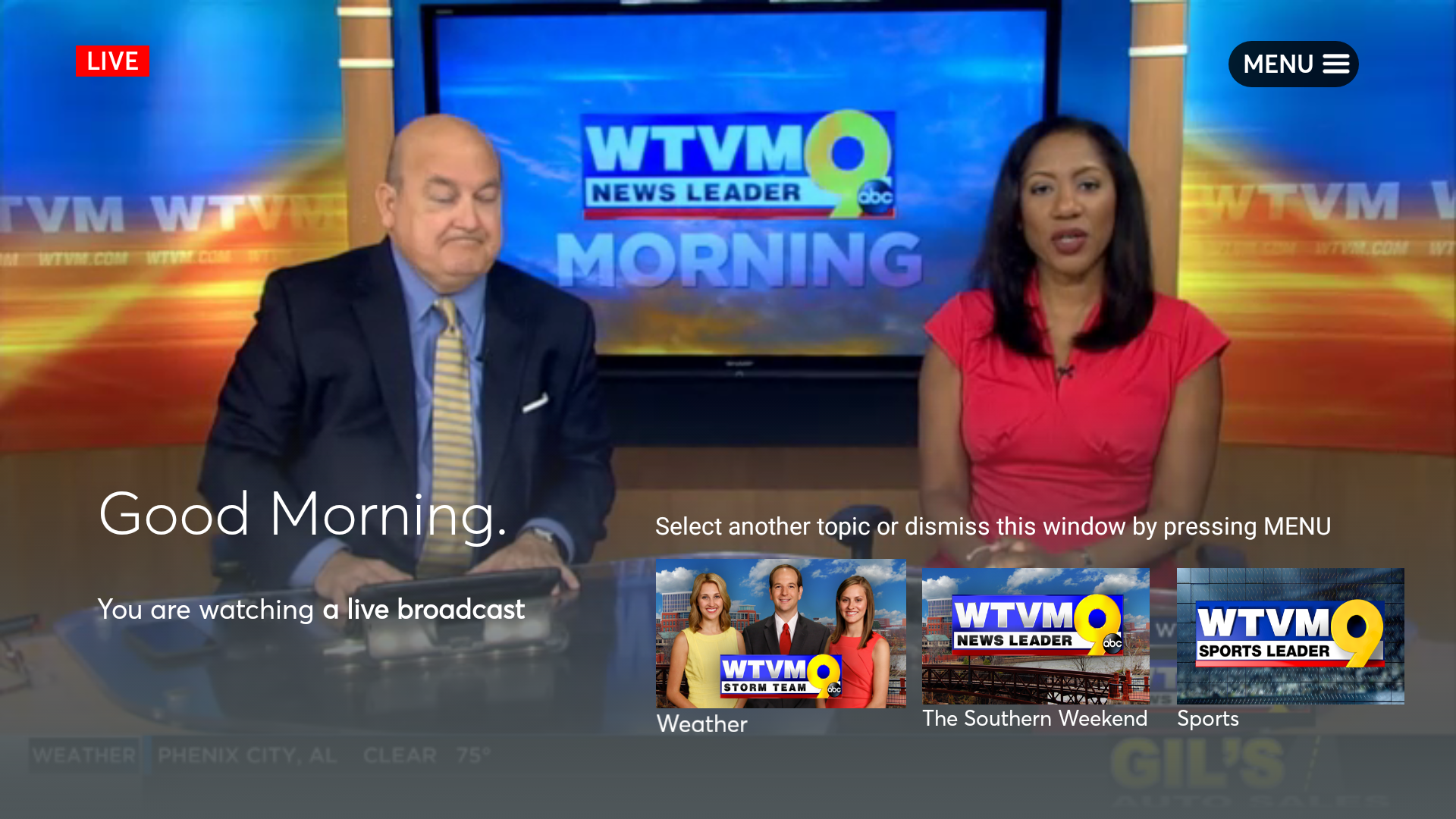
News leader 9 unpacked refers to the detailed examination, analysis, or special broadcast segment dissecting top headlines, local or national news coverage, and investigative reporting from a designated "News Leader 9" media outlet. Au...
News leader 9 unpacked refers to the detailed examination, analysis, or special broadcast segment dissecting top headlines, local or national news coverage, and investigative reporting from a designated "News Leader 9" media outlet. Audiences look to these deep dives to understand the context, background facts, and editorial decisions behind major breaking stories.
Contents
Understanding the "News Leader 9" Context
In the modern media landscape, local and regional television stations frequently brand themselves as the "News Leader" to signify dominance in broadcast journalism, emergency reporting, and investigative exposés. When a station produces an "unpacked" or extended feature—often associated with special digital segments, podcasts, or post-broadcast analysis—it breaks down complex current events into digestible, verified components.
The primary objective of these segments is to move beyond the traditional 30-second news cycle. Viewers are given a transparent look at how reporters gathered their information, what official documents reveal, and how developing stories impact local communities. Understanding this format requires looking at the structural components of modern news production, verification standards, and how media consumers process multi-platform journalism.
Core Components of an Unpacked Media Segment
An "unpacked" news feature differs significantly from standard daily reporting. Producers and investigative journalists utilize specialized frameworks to add depth to complex narratives.
1. Source Attribution and Transparency
A hallmark of a comprehensive news breakdown is the clear identification of primary and secondary sources. Reporters outline whether information stems from public records requests, court filings, eyewitness accounts, or official press conferences. This transparency allows the audience to evaluate the credibility of the claims independently.
2. Contextual Timeline Construction
Breaking news often feels chaotic because events unfold rapidly. An unpacked feature typically establishes a chronological timeline to show the sequence of events. This helps viewers differentiate between initial speculation and verified facts confirmed hours or days later.
3. Expert Analysis and Commentary
Media outlets frequently invite subject-matter experts—such as legal scholars, economists, public safety officials, or historians—to interpret specialized developments. These contributors provide objective context without altering the underlying factual record.
Examining News Coverage Types: Standard vs. Unpacked
To understand the unique value of an unpacked segment, it helps to compare it directly against traditional news formats. Each serves a distinct purpose in keeping the public informed.
| Feature / Attribute | Standard Daily News | Unpacked / Special Deep Dive |
|---|---|---|
| Primary Goal | Deliver immediate breaking headlines | Provide deep context and background analysis |
| Average Duration | 30 seconds to 3 minutes per segment | 10 to 30 minutes (or multi-part series) |
| Information Depth | Surface-level facts and immediate updates | Multi-layered investigation, history, and implications |
| Source Usage | Immediate statements and press releases | Public records, data sets, and expert interviews |
| Primary Platform | Live television broadcast | Digital streaming, podcasts, and long-form articles |
The Role of Investigative Journalism in Deep Dives
Investigative reporting forms the backbone of any meaningful news unpacking. Unlike weather updates or scheduled community events, investigative pieces require weeks or months of meticulous fact-checking.
Reporters examine public accountability measures, government spending, corporate policies, and legal disputes. When these stories are "unpacked" for the audience, the station highlights the investigative hurdles reporters faced, such as delayed Freedom of Information Act (FOIA) requests or uncooperative public agencies. This behind-the-scenes perspective builds trust between the news organization and its viewers.
Practical Checklist for Evaluating News Analysis
When consuming in-depth news breakdowns, media literacy requires critical evaluation. Viewers and readers should apply a structured checklist to ensure they are consuming balanced, accurate reporting:
- Verify the Origin: Confirm which specific station, network, or digital publication produced the unpacked segment.
- Check for Balance: Look for multiple perspectives, especially in controversial local policy or legal disputes.
- Examine the Evidence: Ensure that claims are backed by verifiable data, documents, or named sources rather than anonymous speculation.
- Identify the Purpose: Distinguish between hard investigative reporting, opinion commentary, and sponsored commercial content.
- Look for Corrections: Reputable news organizations maintain transparent correction policies for any historical or factual inaccuracies identified post-broadcast.
Frequently Asked Questions
What does "unpacked" mean in modern journalism?
In modern media, "unpacked" refers to an extended format where journalists deconstruct a complex news story, explaining its background, methodology, implications, and underlying data rather than just reporting the surface headlines.
Are these segments live or pre-recorded?
Most unpacked features are pre-recorded to allow for thorough fact-checking, video editing, graphic design, and the inclusion of verified interview footage. However, digital extensions sometimes feature live audience Q&A sessions.
How can viewers verify the claims made in a news special?
Viewers can check for referenced public records, court docket numbers, government reports, and official statements cited by the reporters. Reliable news outlets often provide links or source lists in their digital companions.
Do unpacked segments focus only on local news?
While many regional outlets use this format for local government, school board decisions, and community safety issues, national networks also apply the "unpacked" framework to federal legislation, elections, and global economic trends.
Where can I access these extended news features?
These segments are typically available on the official website of the media outlet, dedicated streaming apps, station YouTube channels, and associated podcast feeds following the initial broadcast.
Final Recommendations for Media Consumers
Navigating today’s fast-paced information ecosystem requires patience and discernment. When engaging with deep-dive journalism like a "news leader 9 unpacked" segment, prioritize outlets that demonstrate editorial independence, rigorous fact-checking, and transparent source attribution. Cross-reference complex claims with primary public documents and look for balanced reporting that respects the intelligence of the audience. By shifting focus from rapid headlines to comprehensive analysis, media consumers can build a clearer, more accurate understanding of the events shaping their communities.
Image Gallery